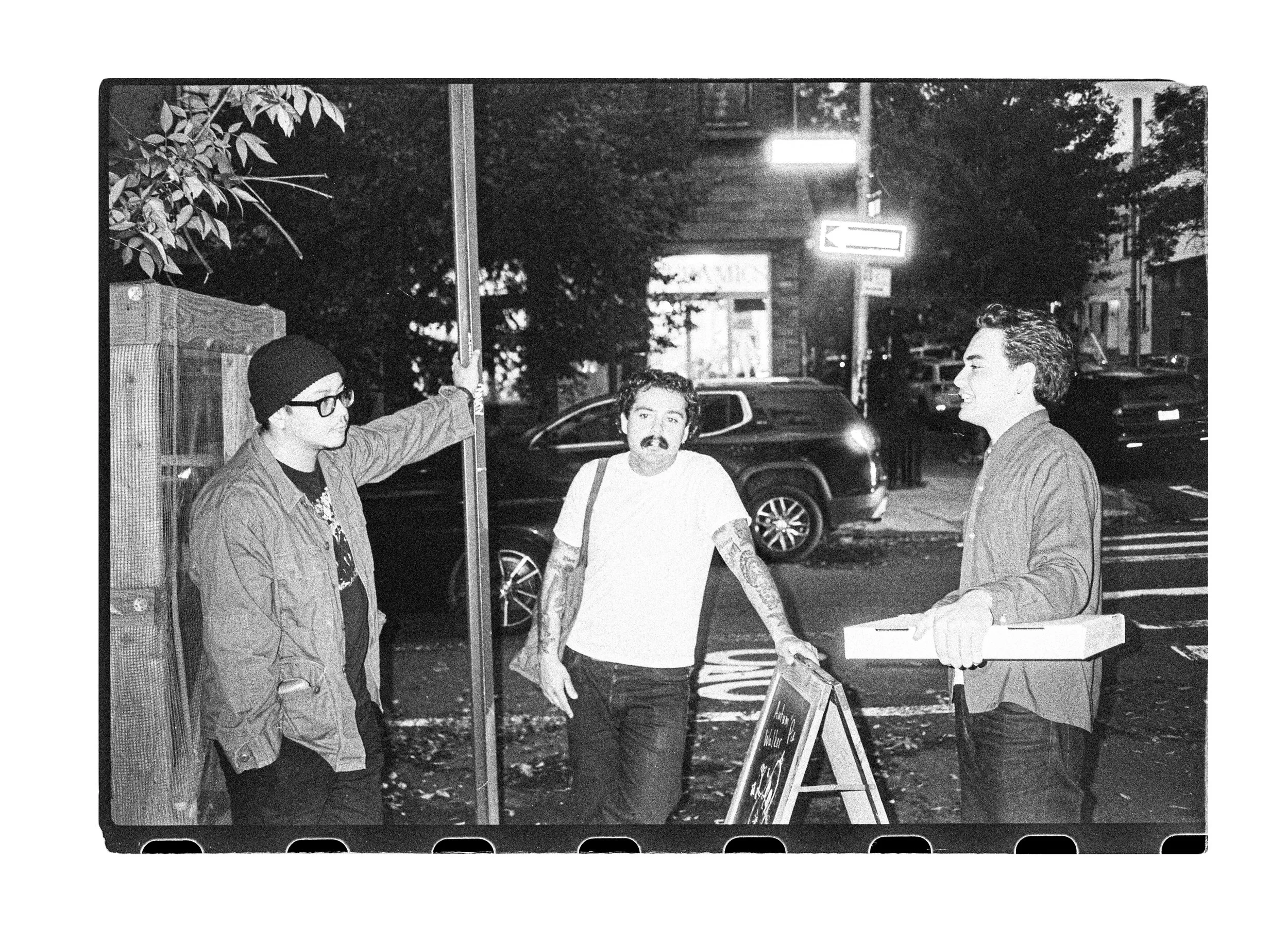
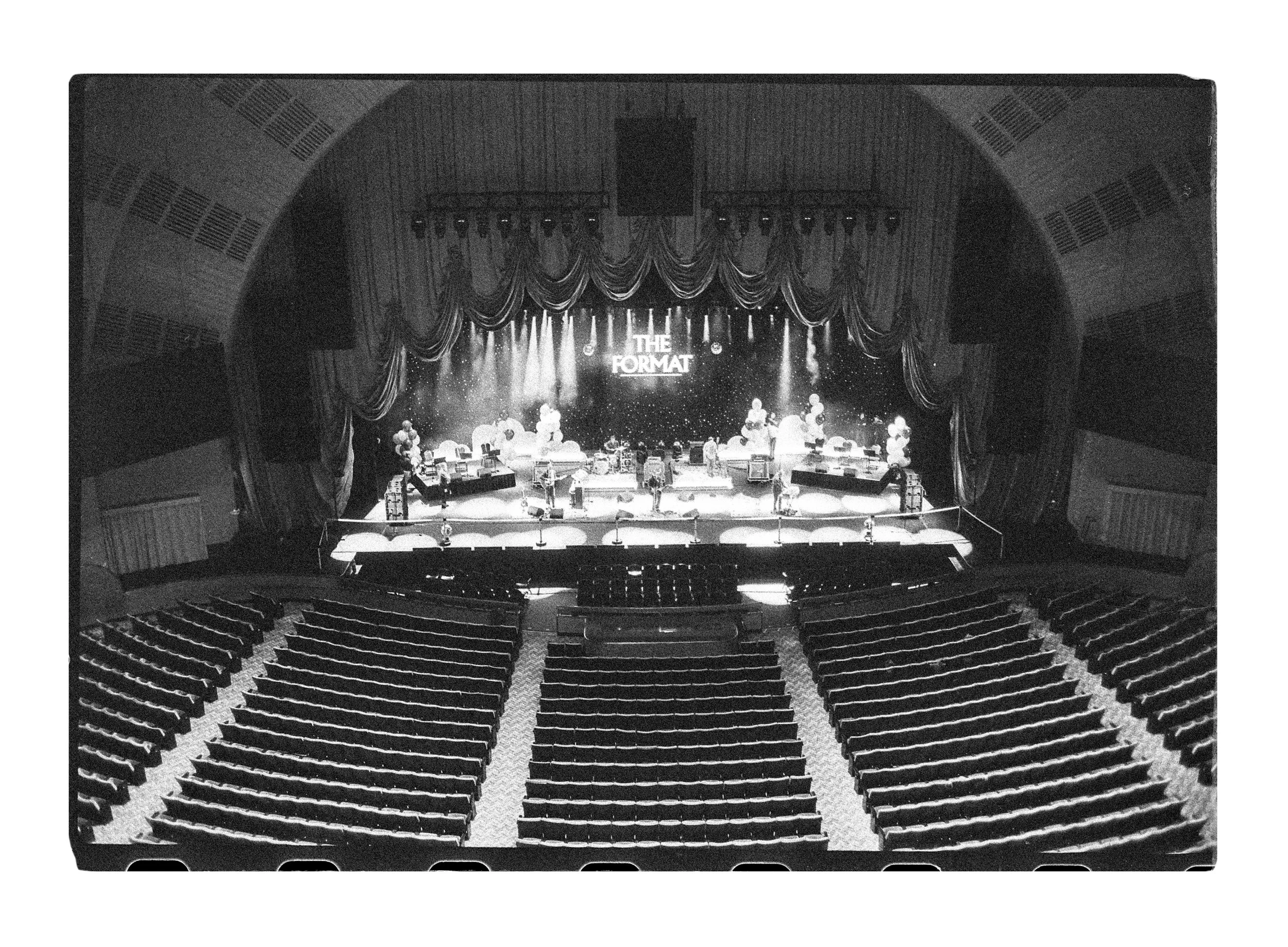
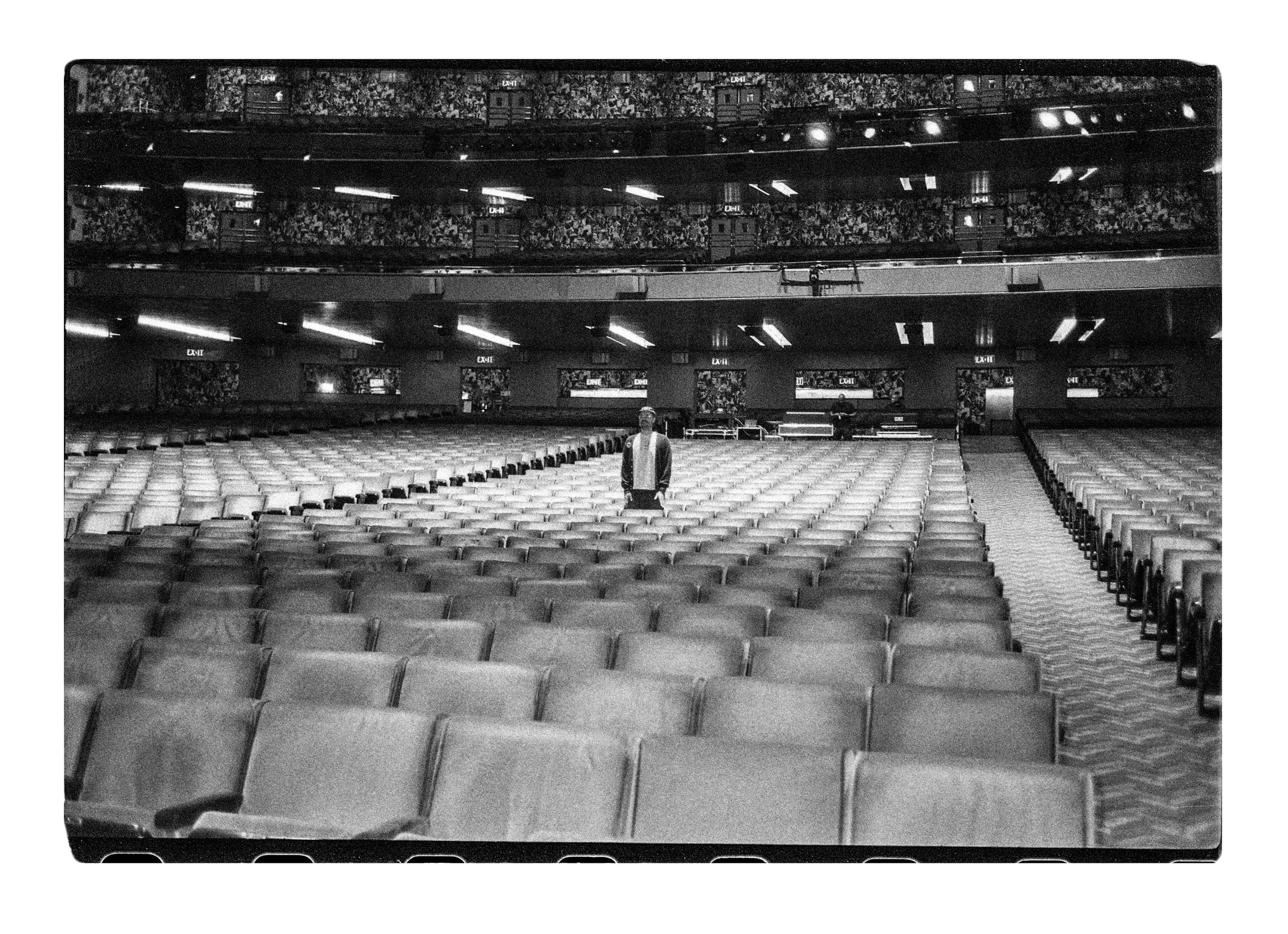
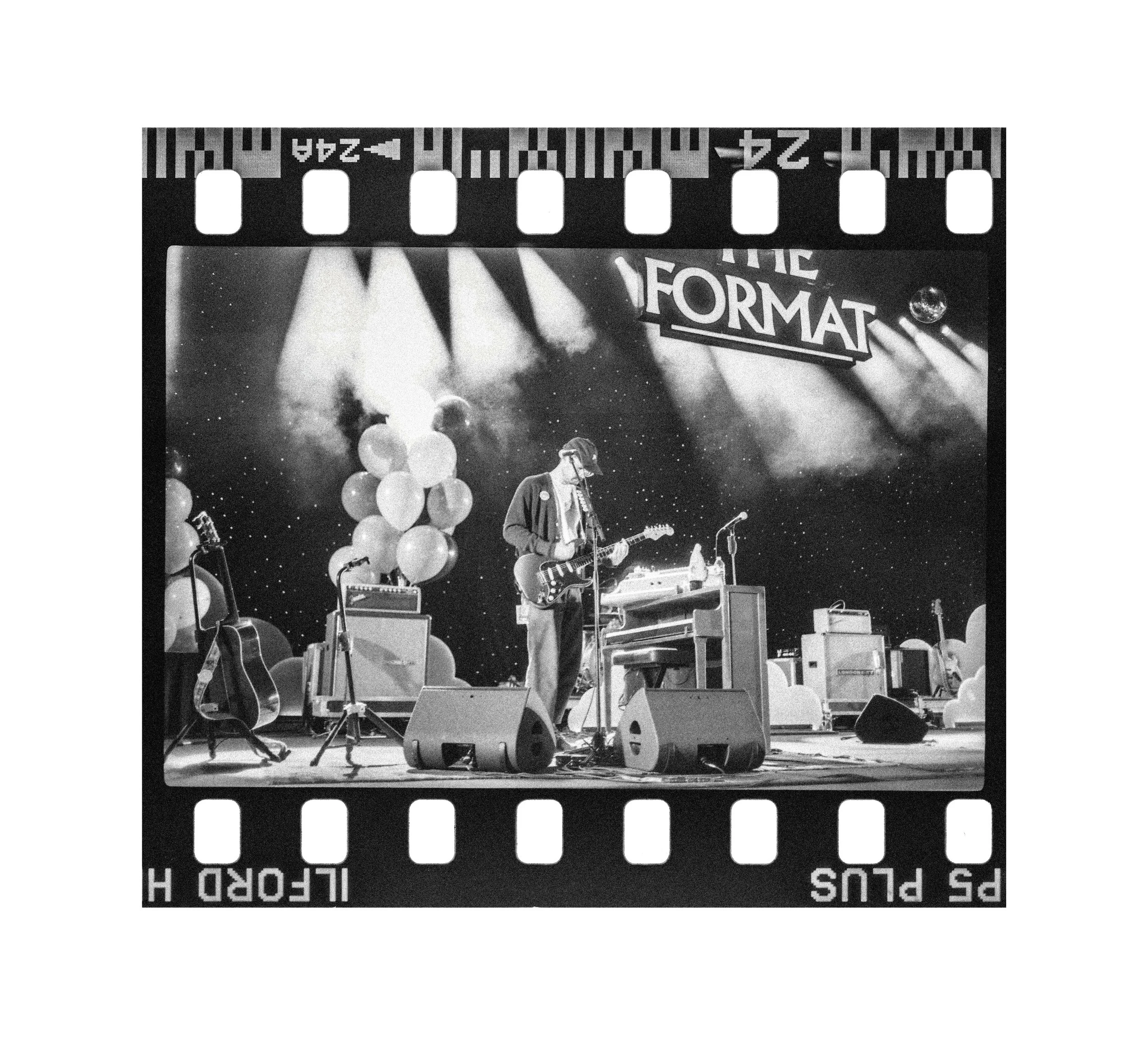
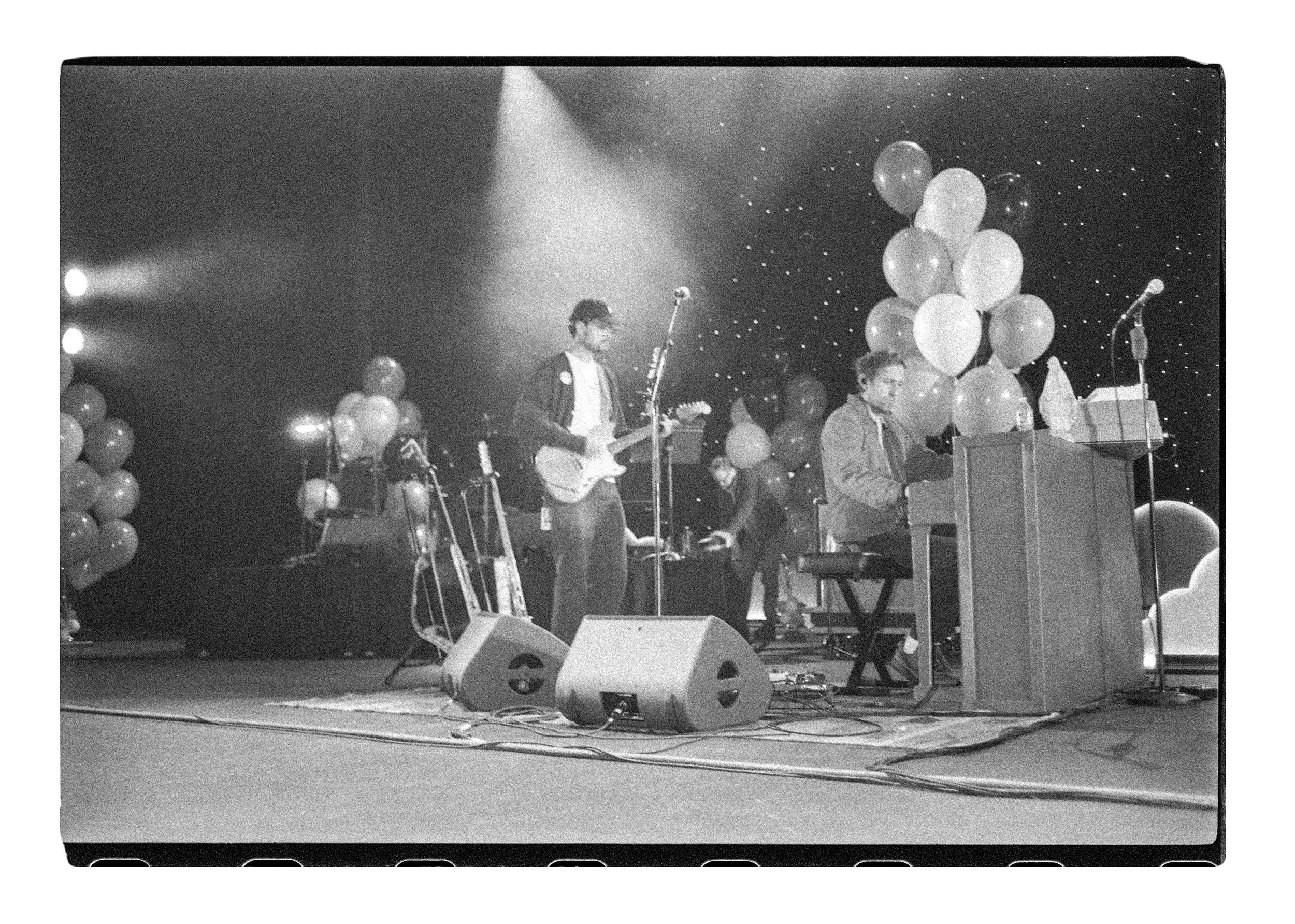
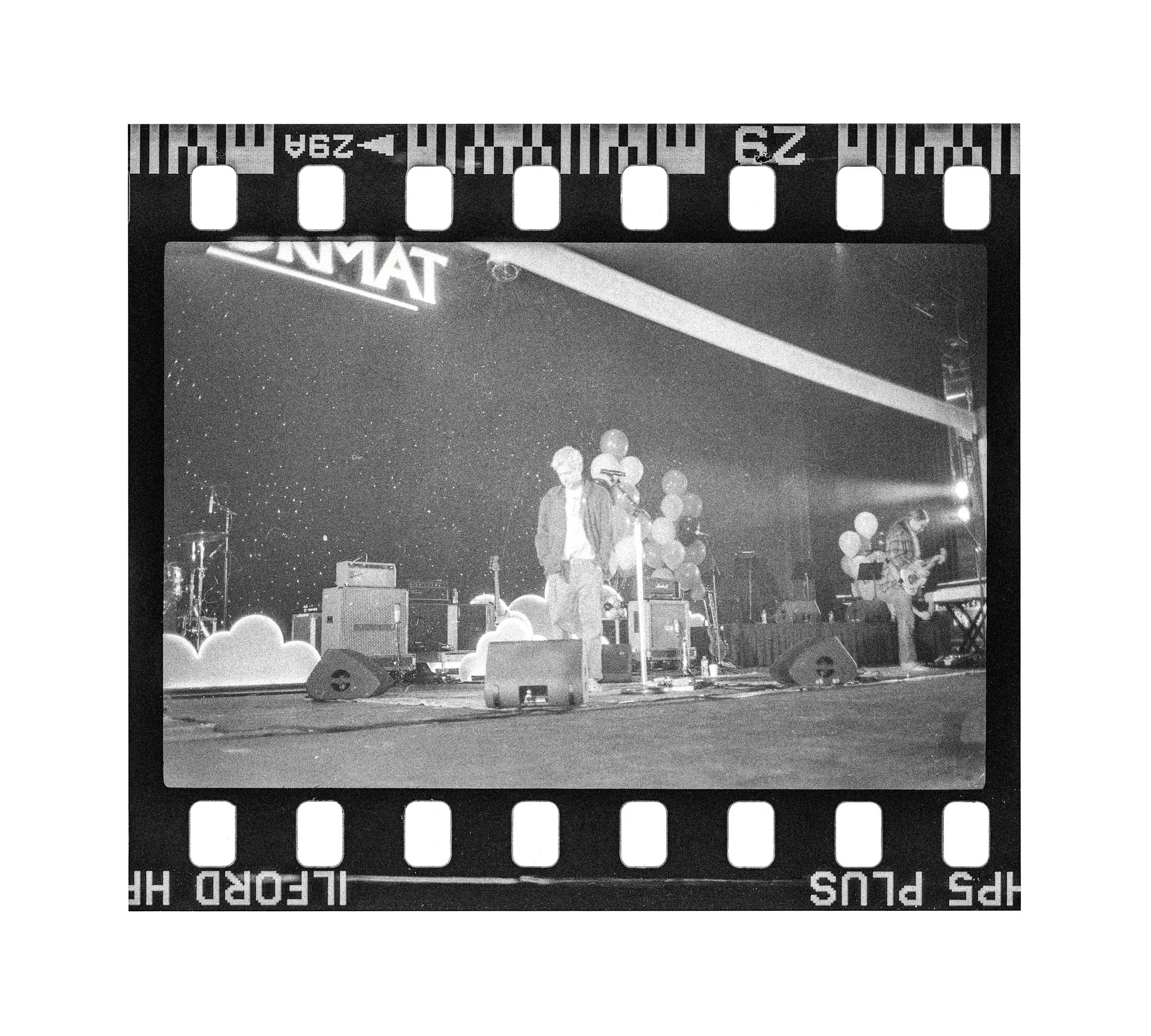
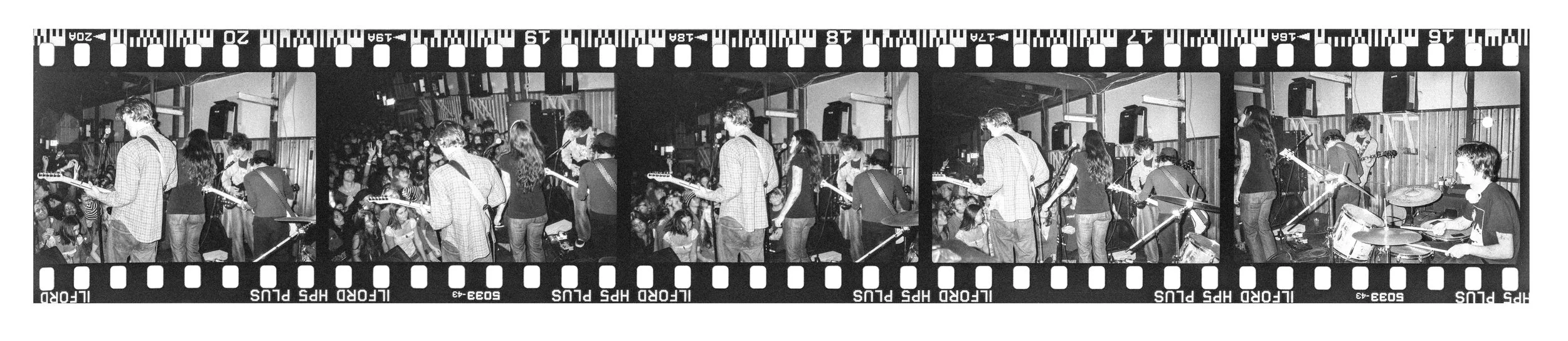
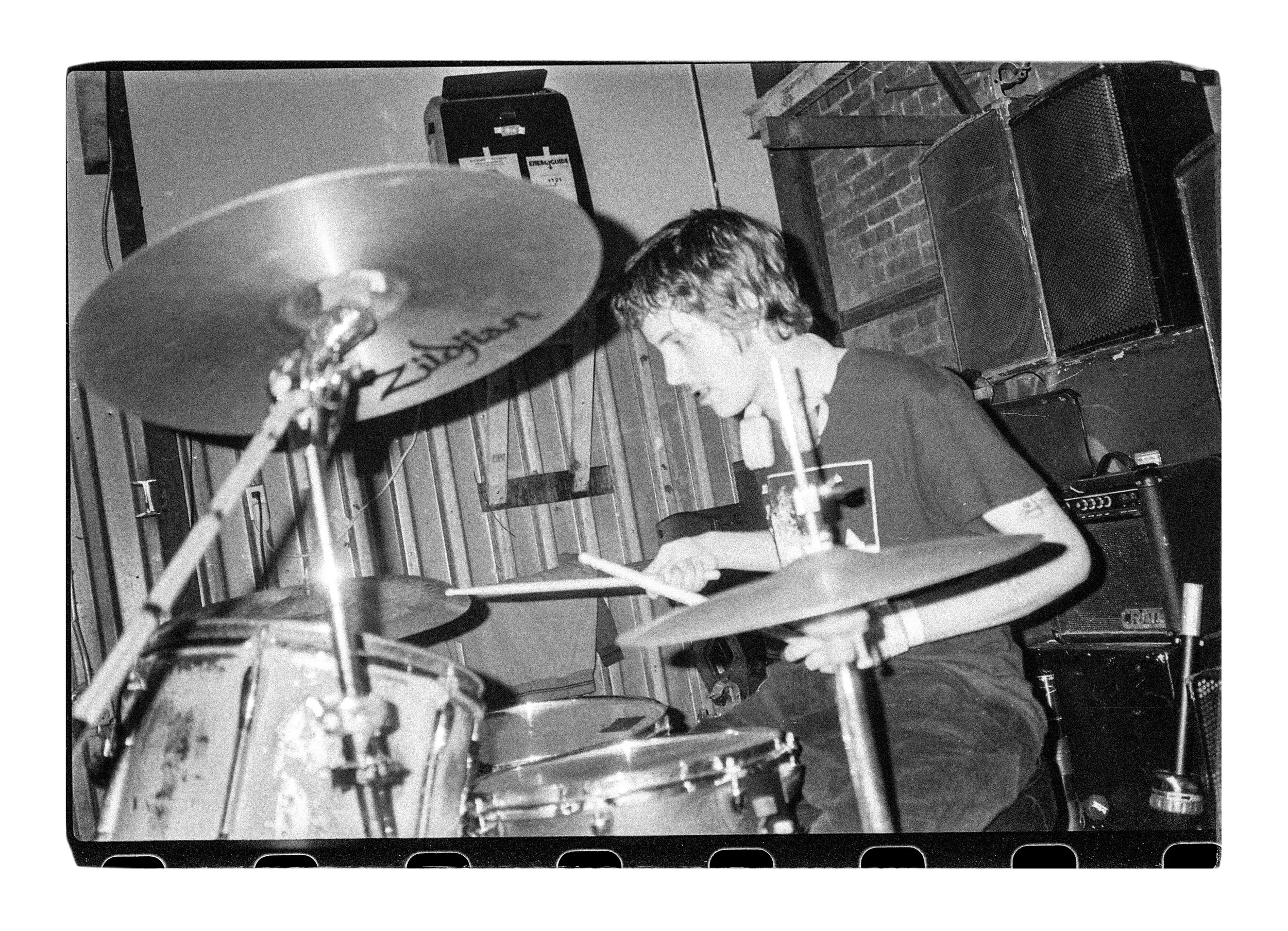
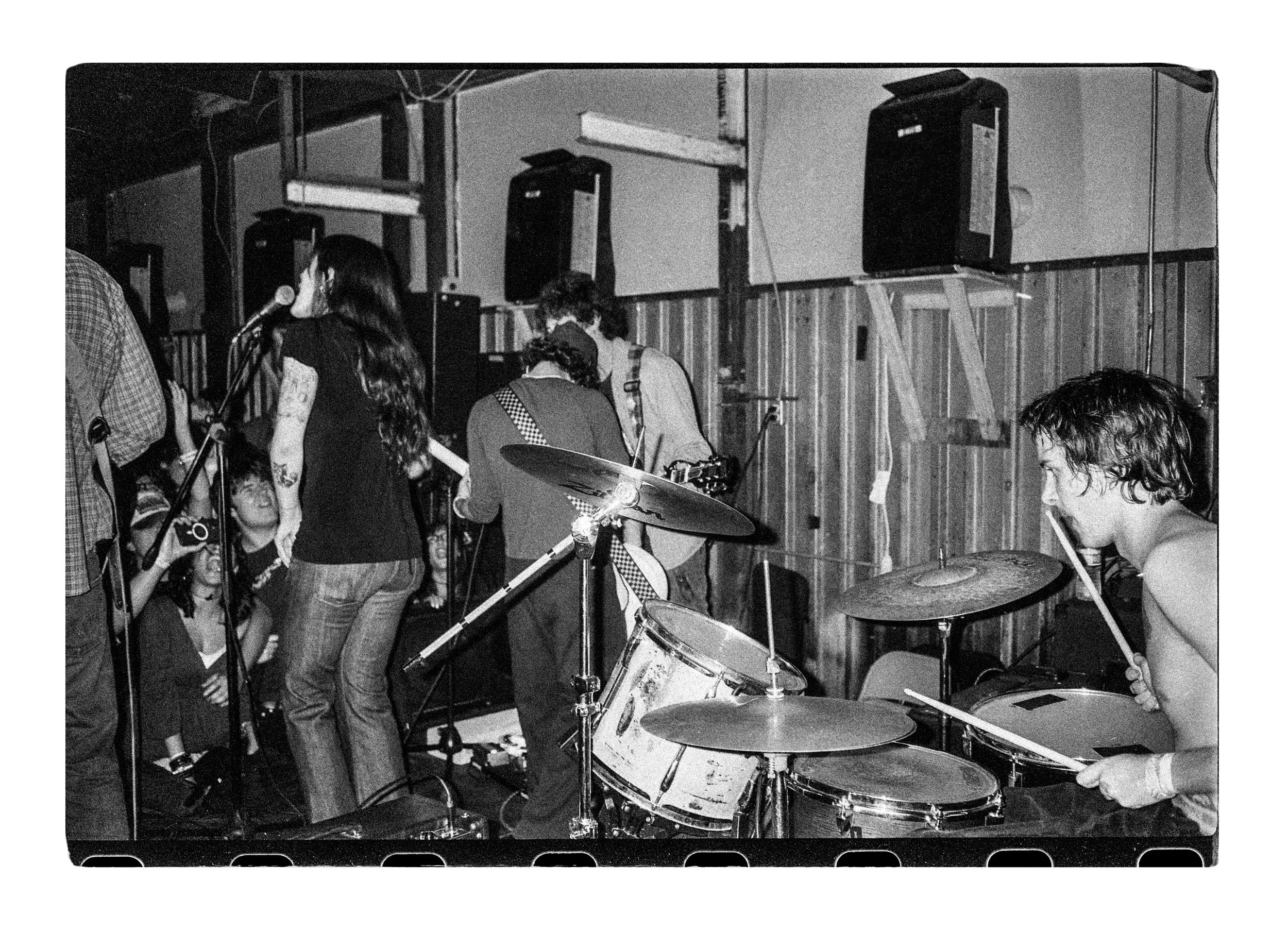
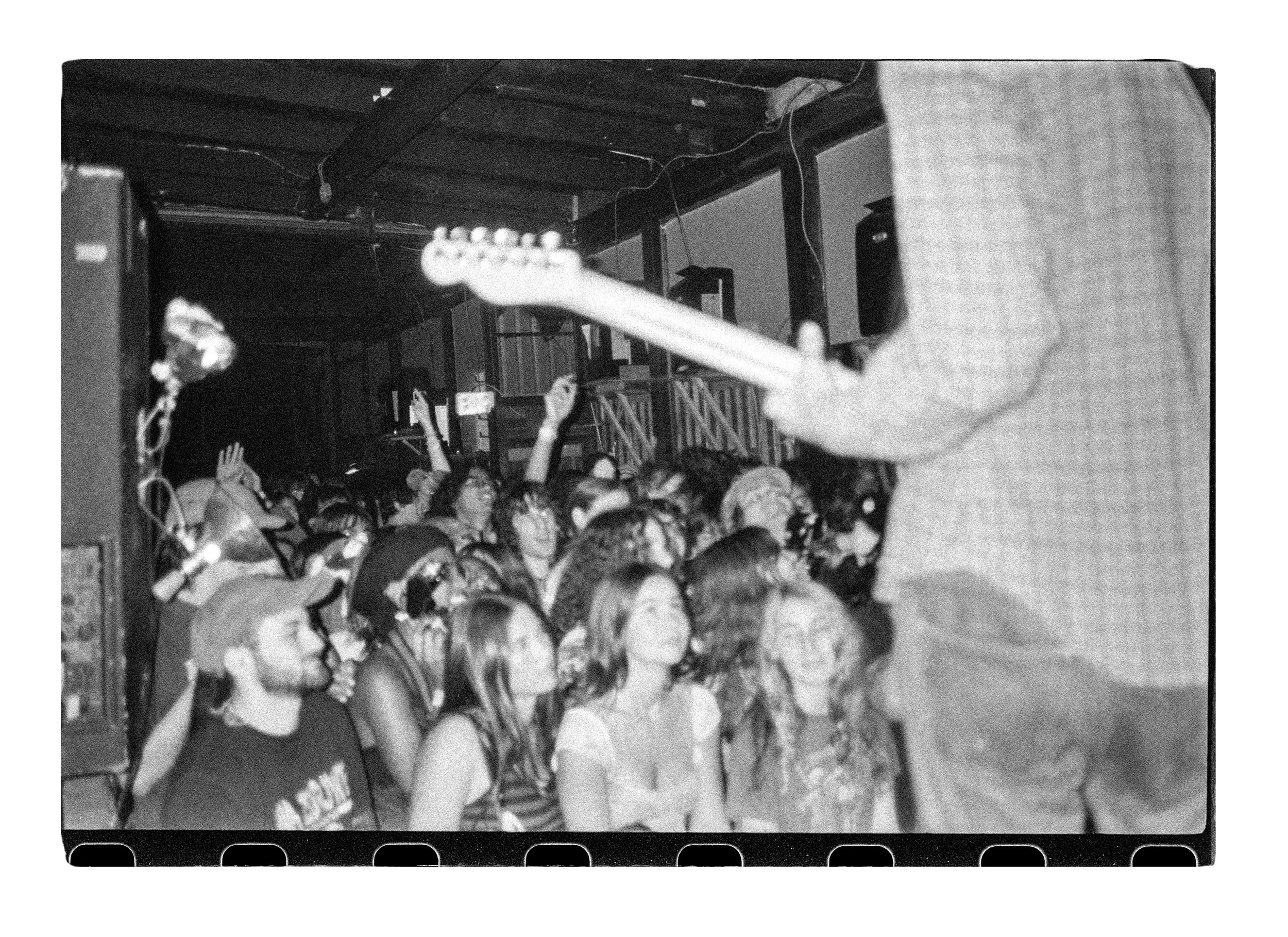
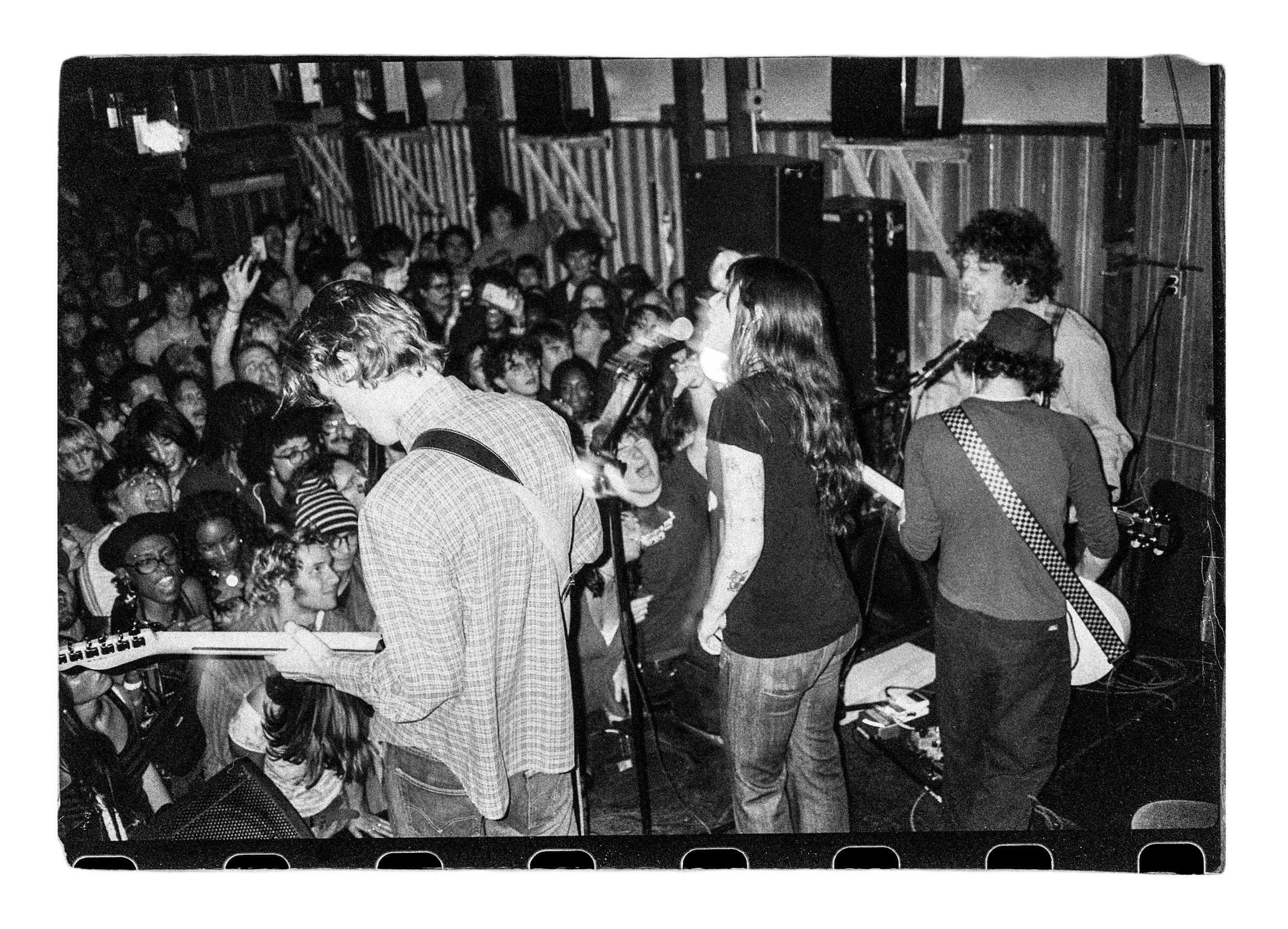
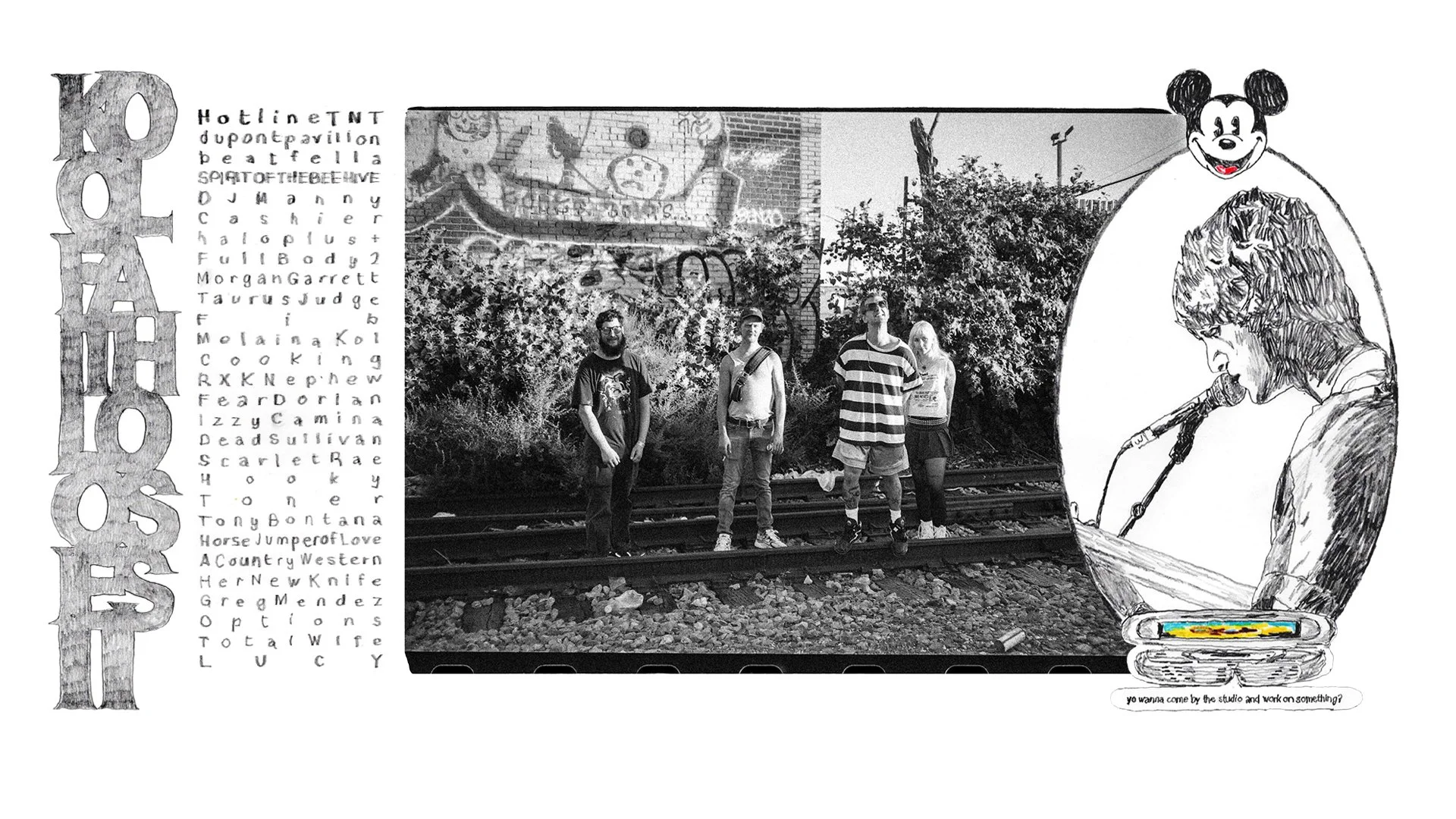
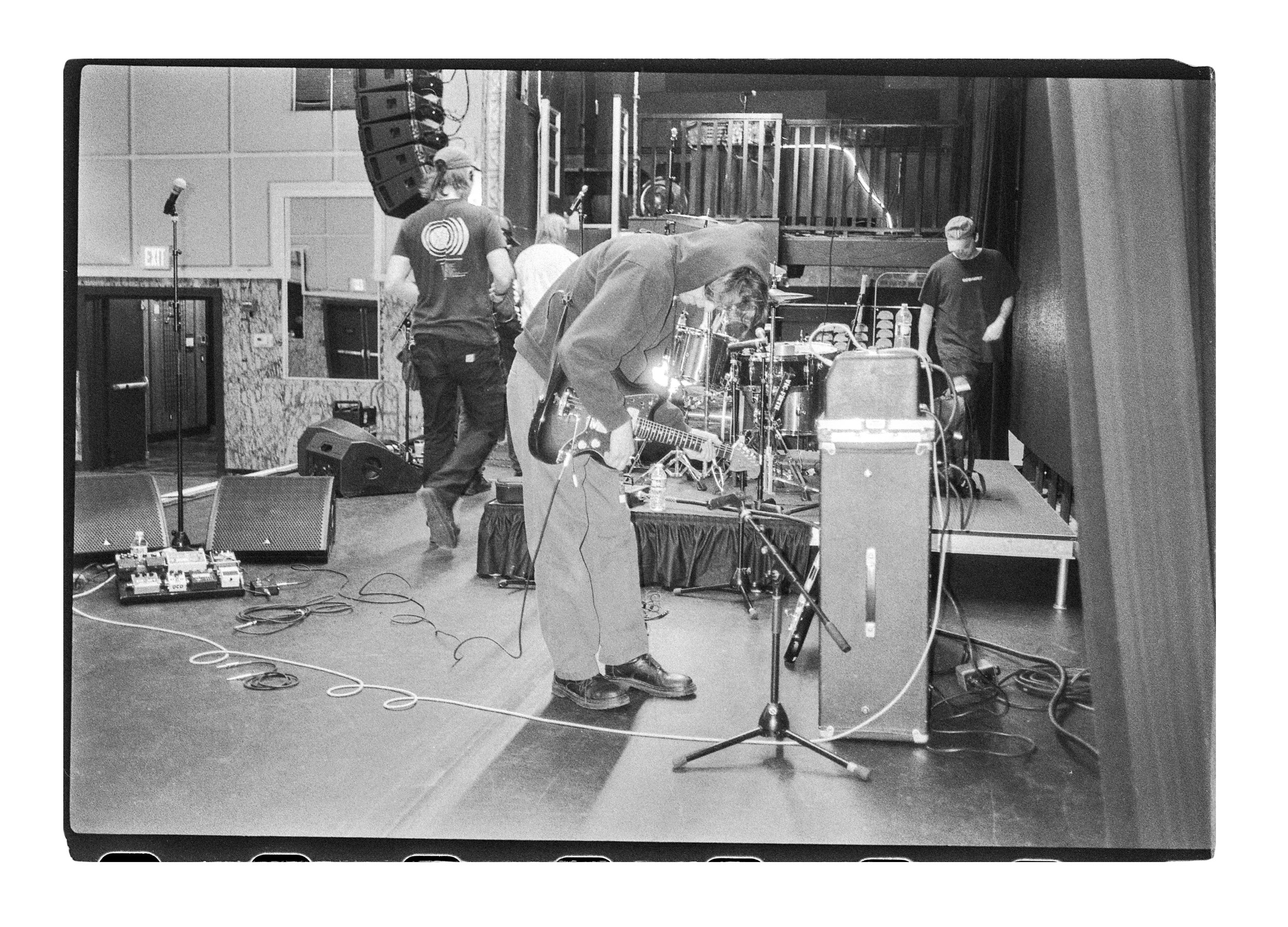
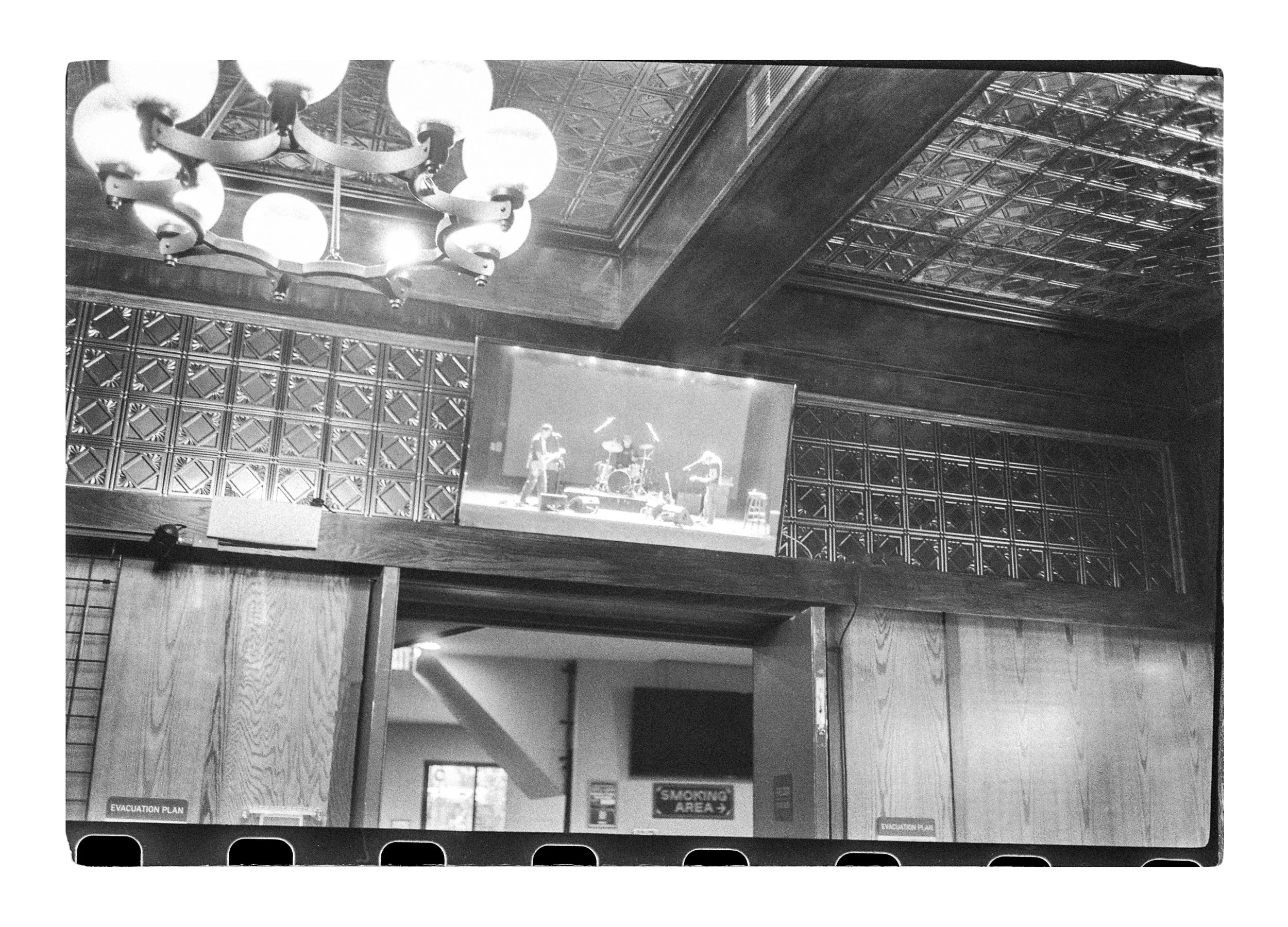
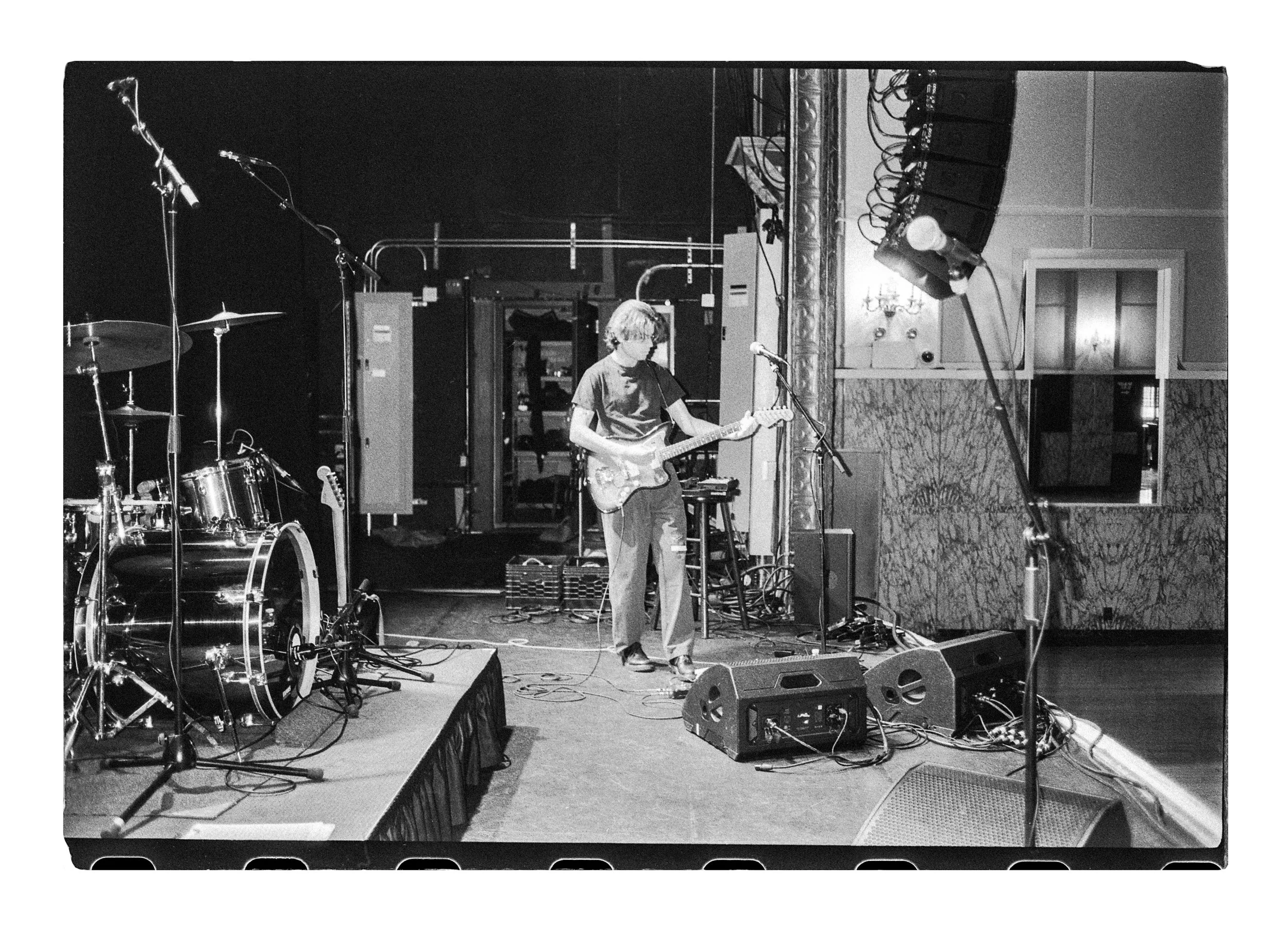
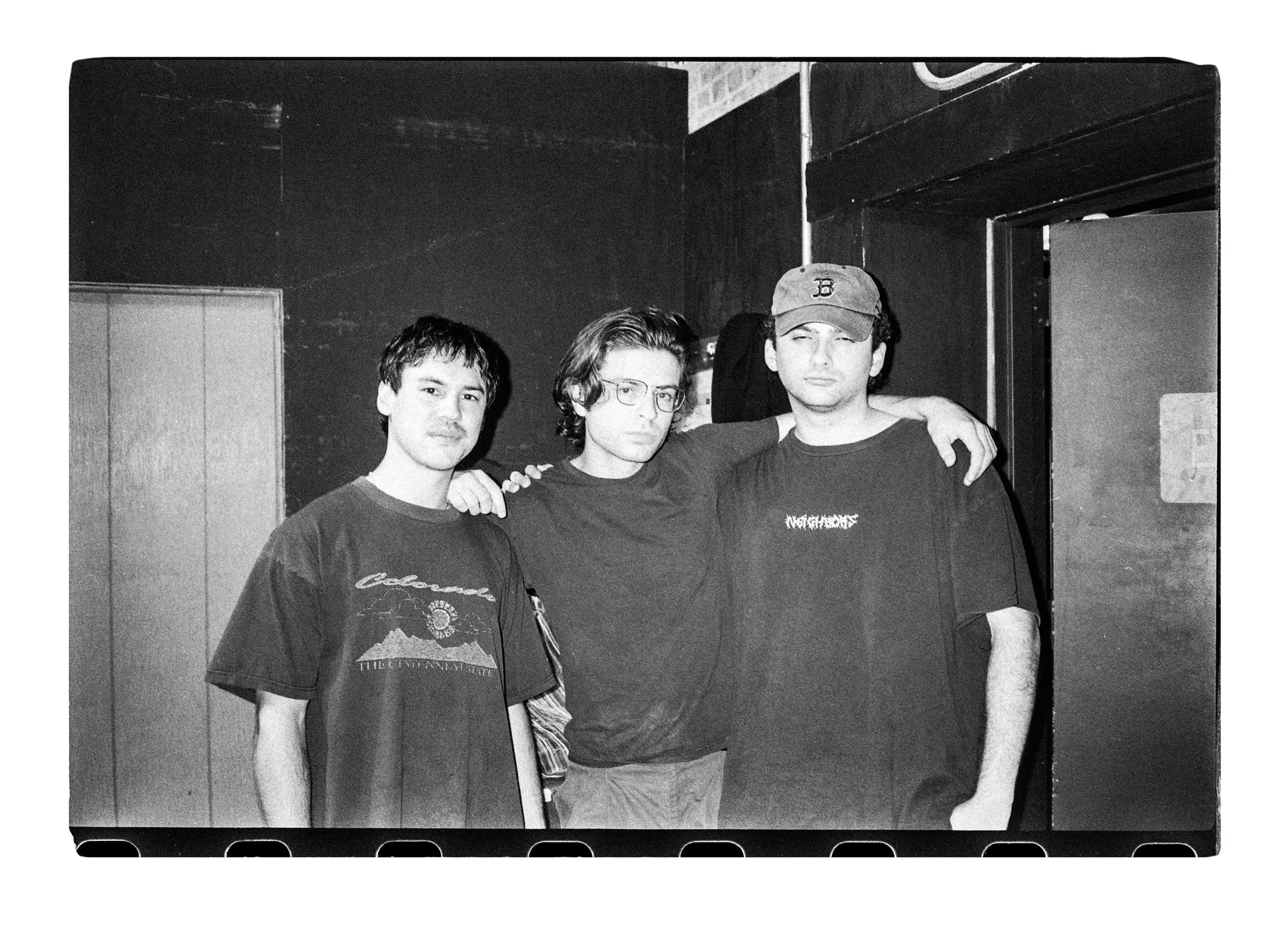
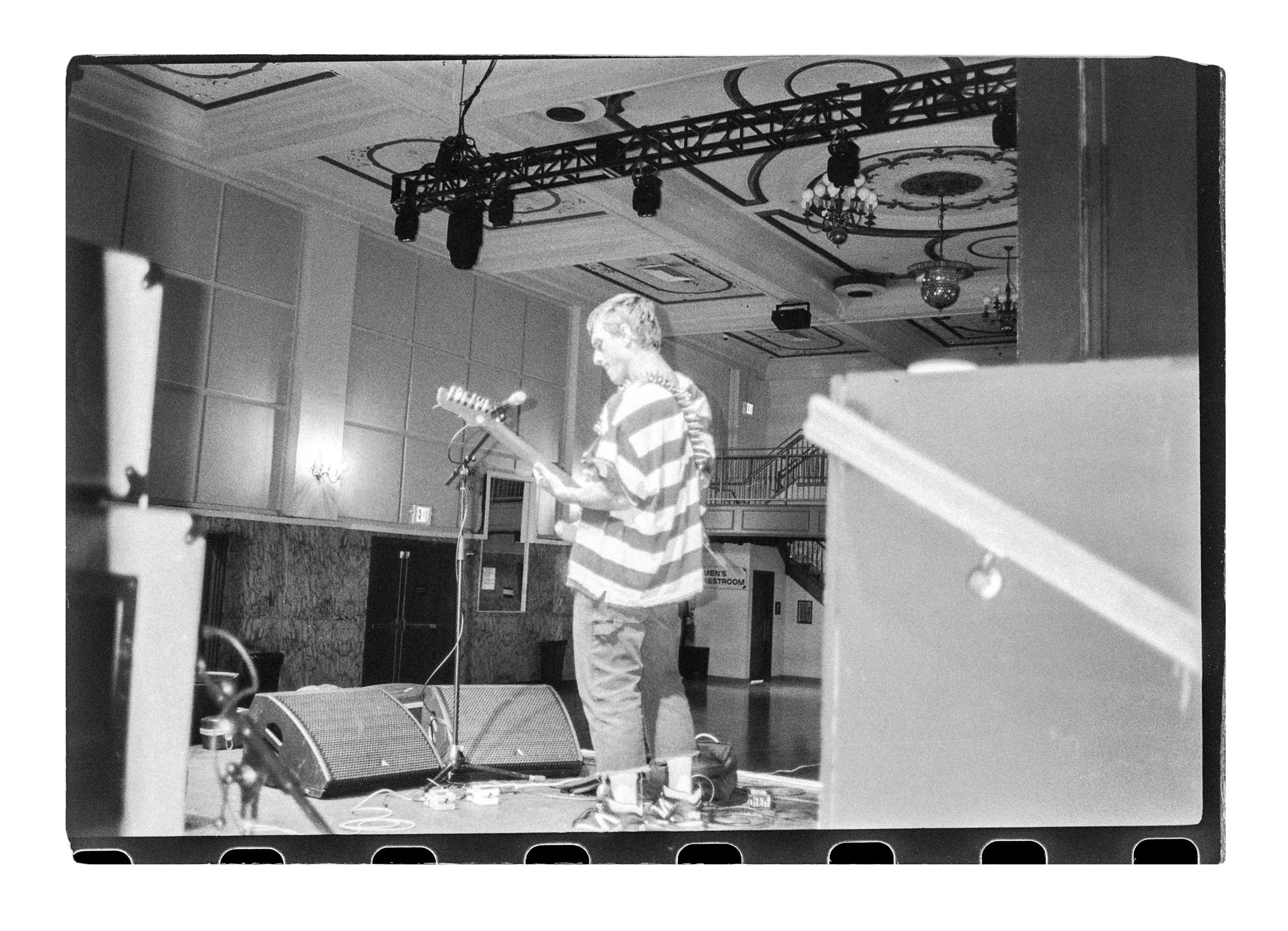
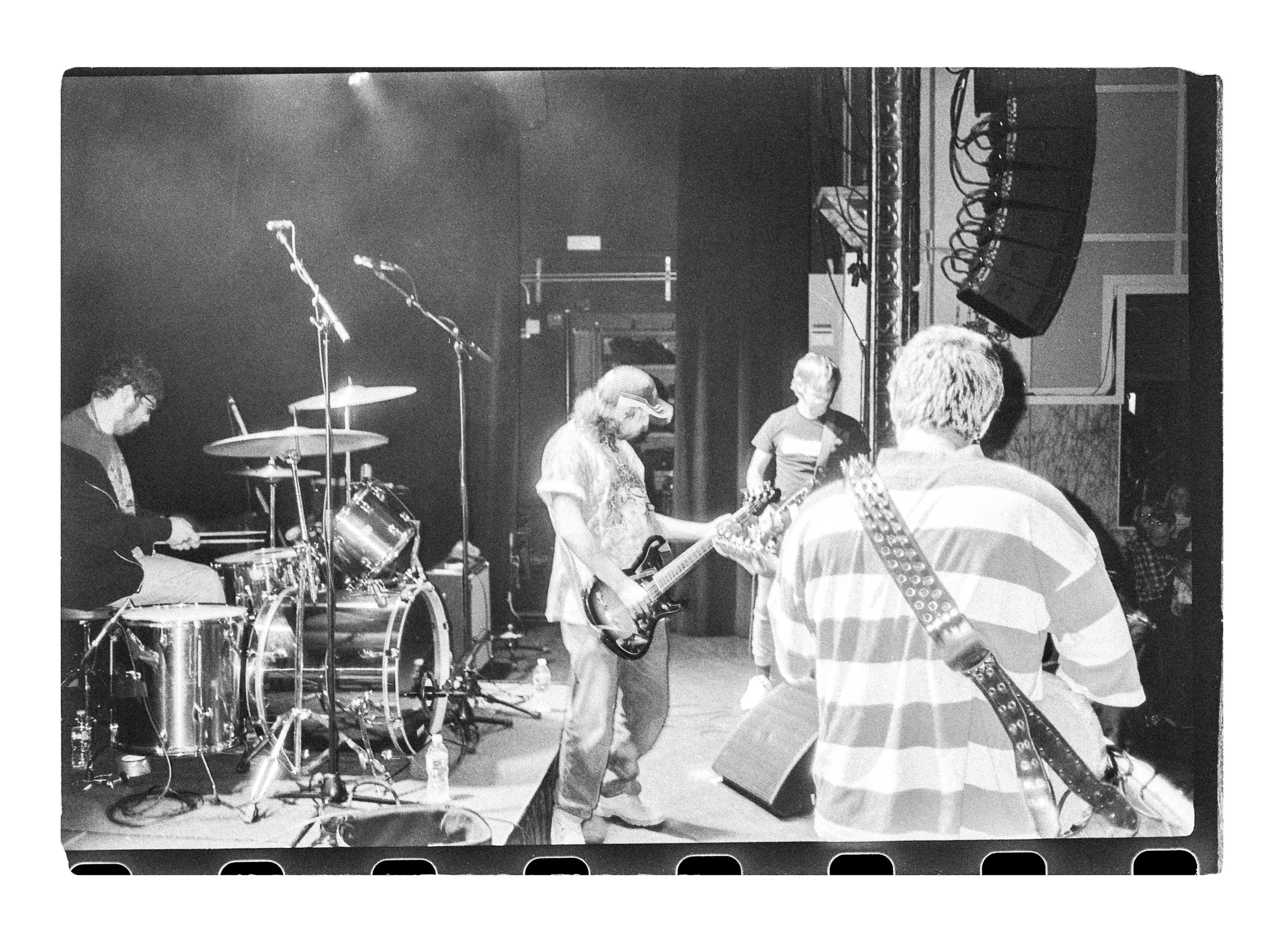
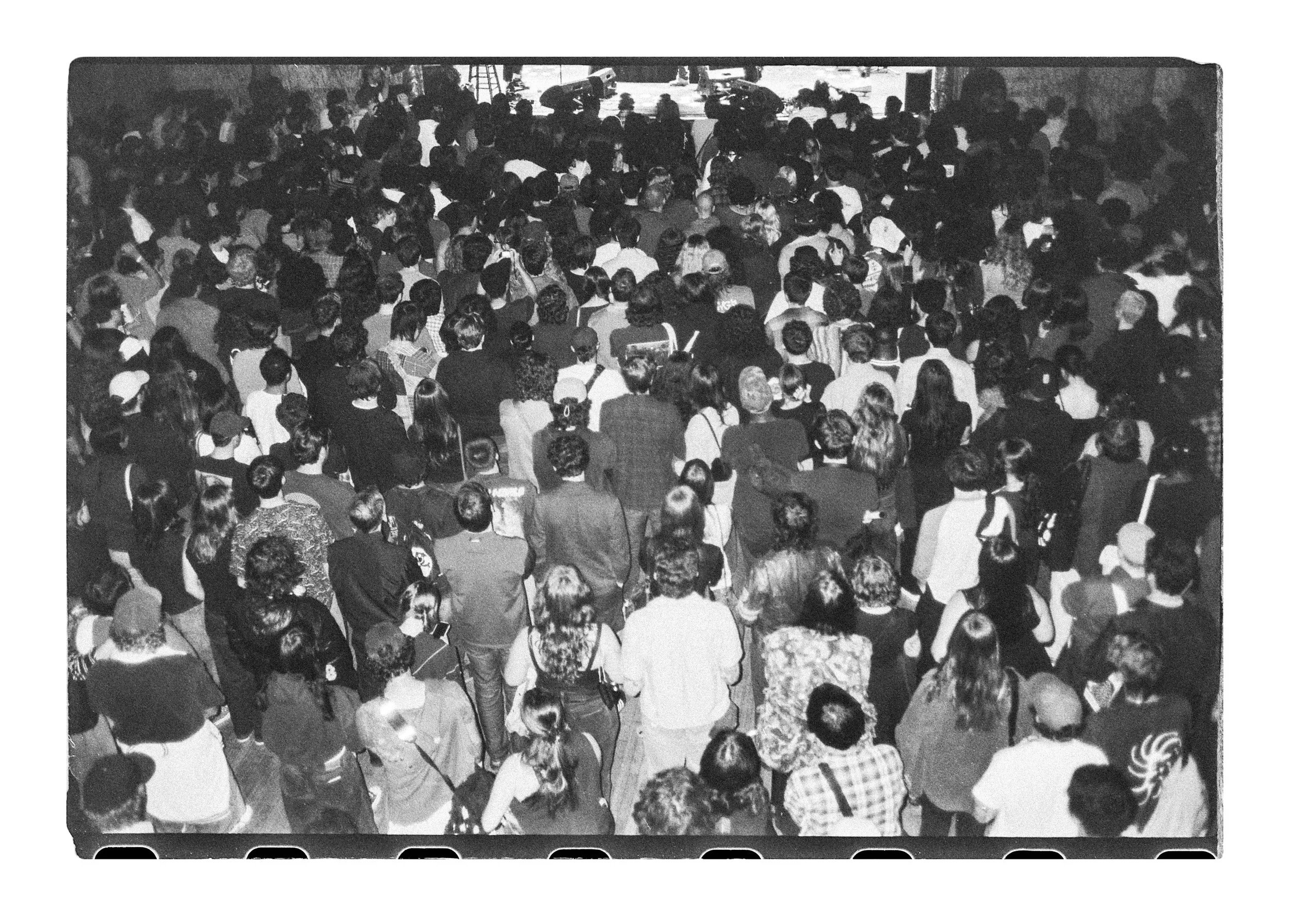
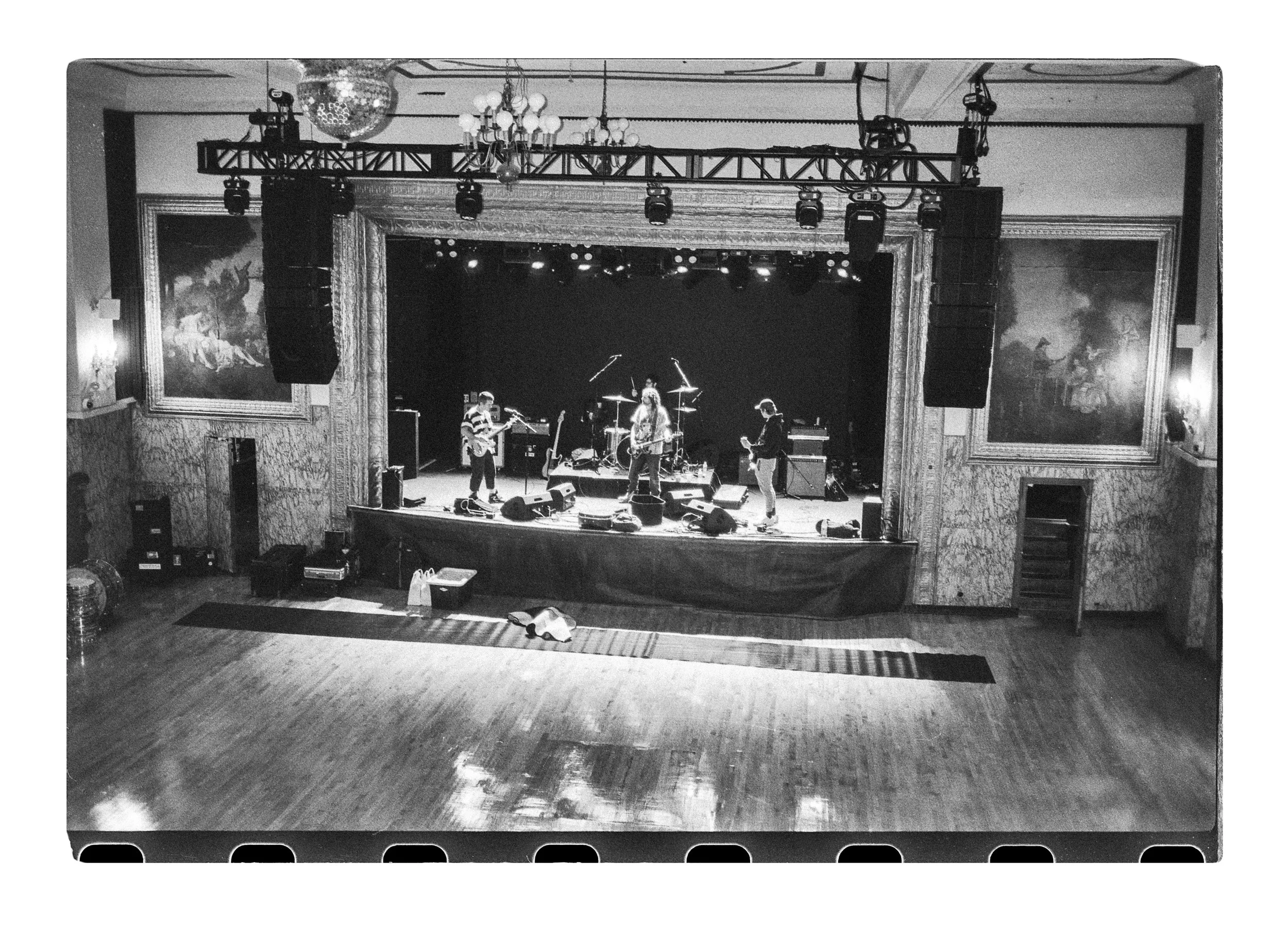
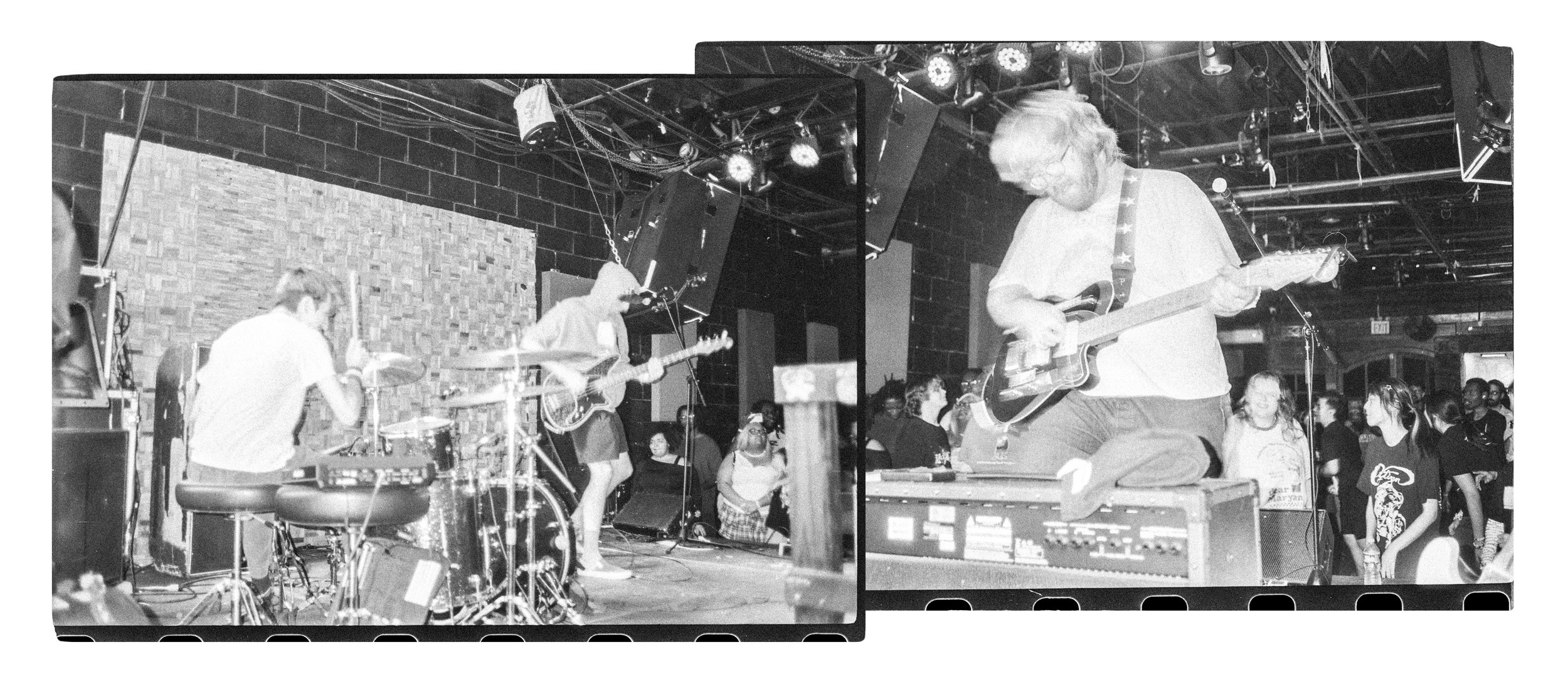
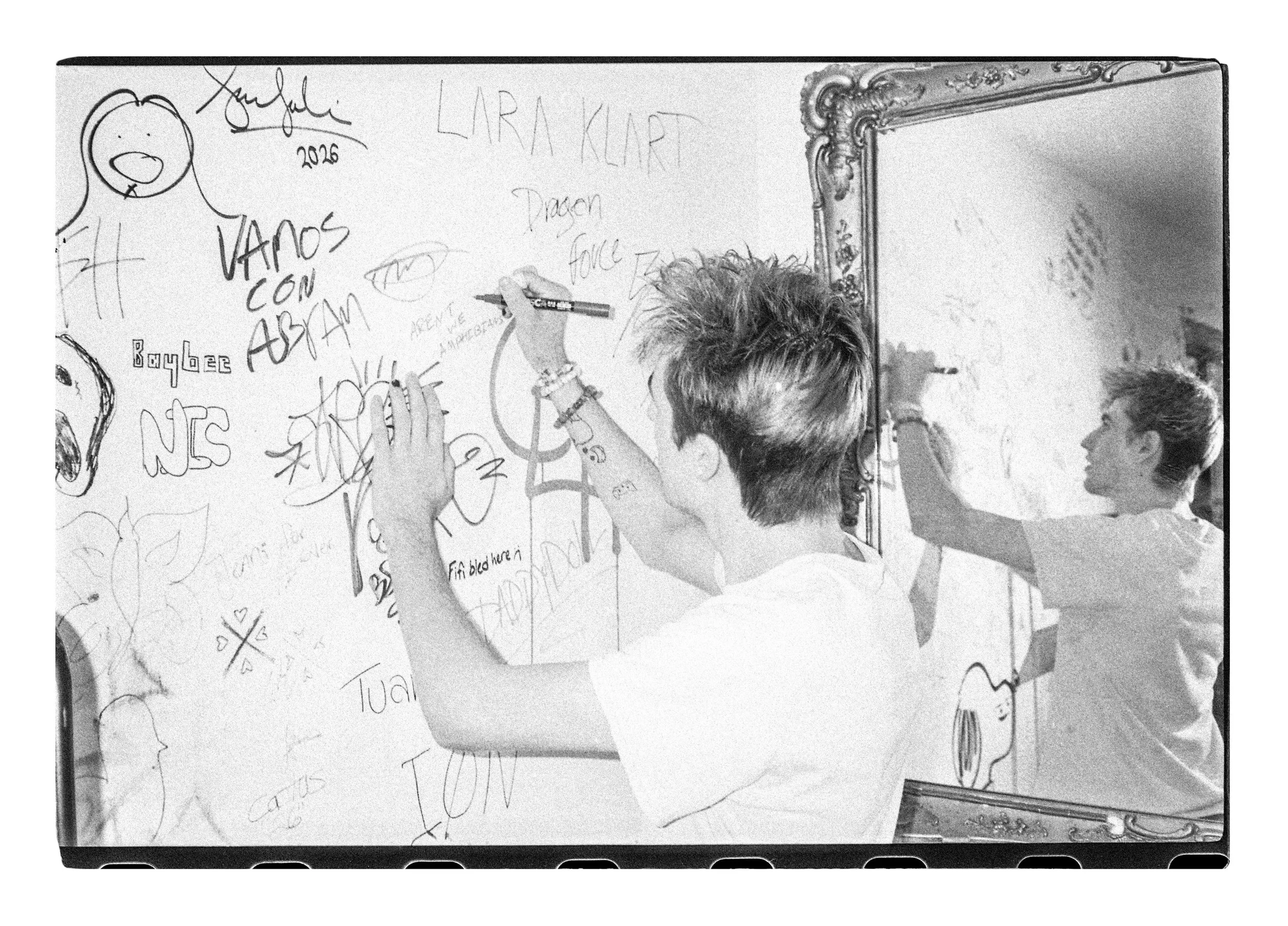
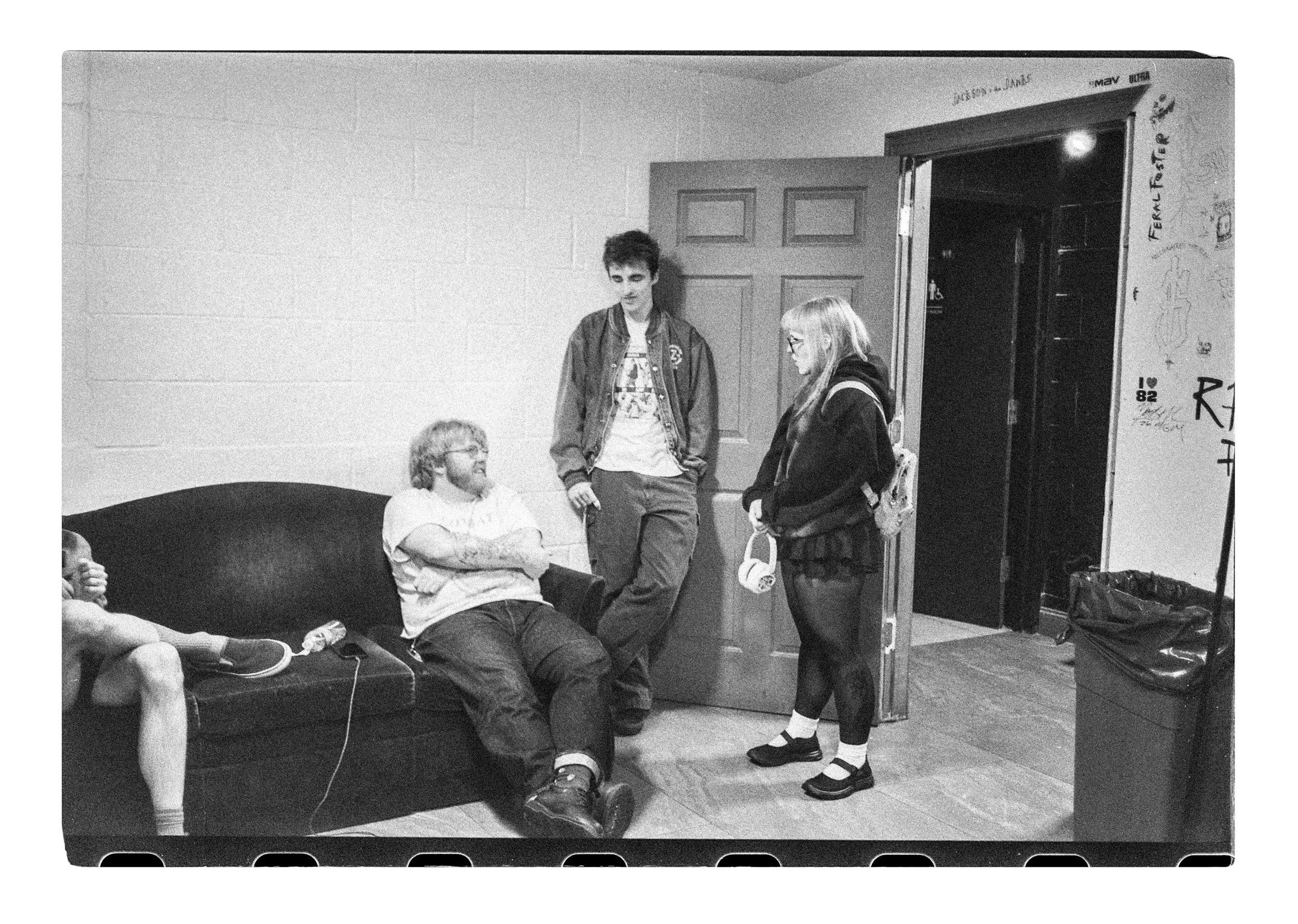
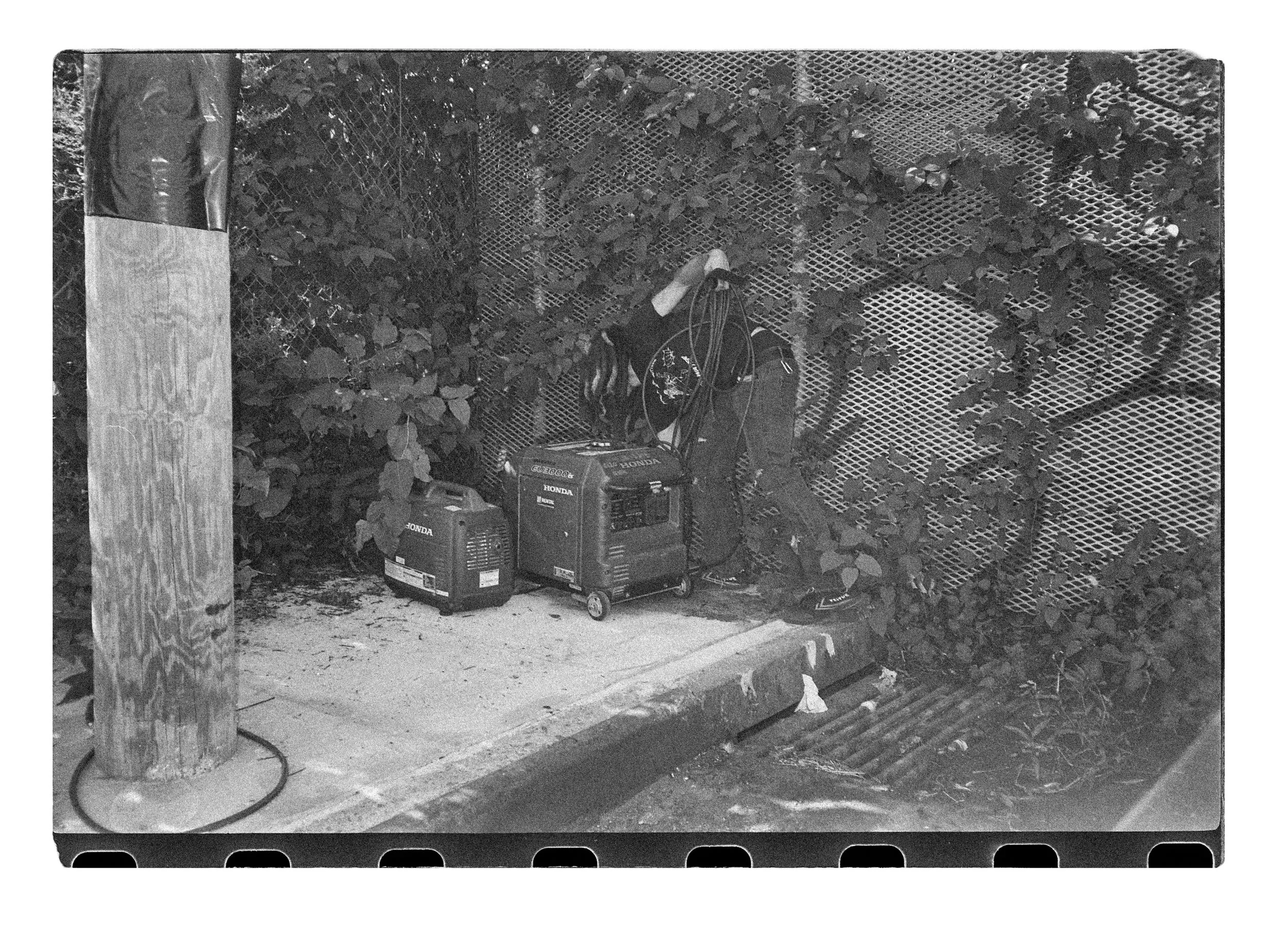
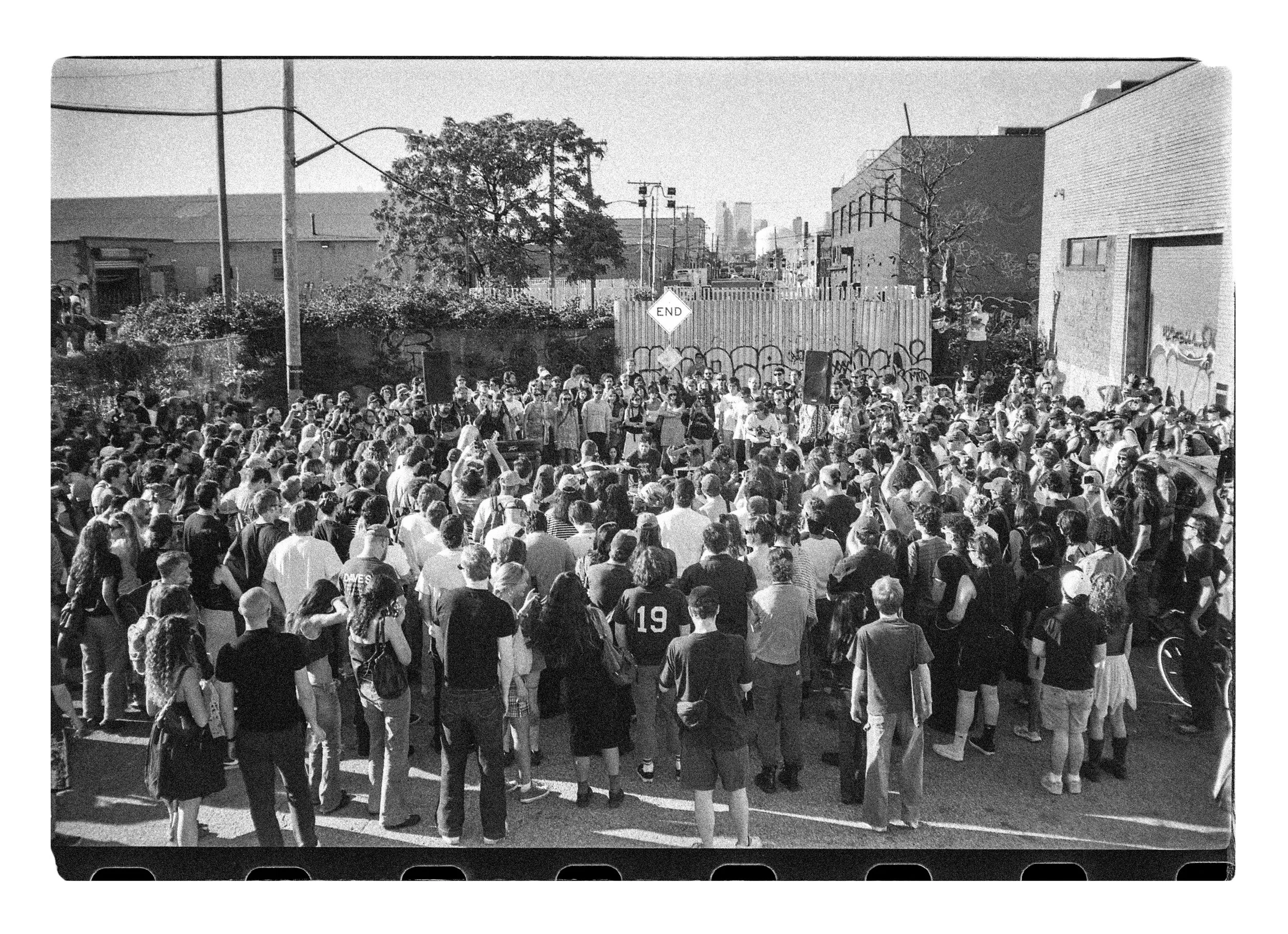
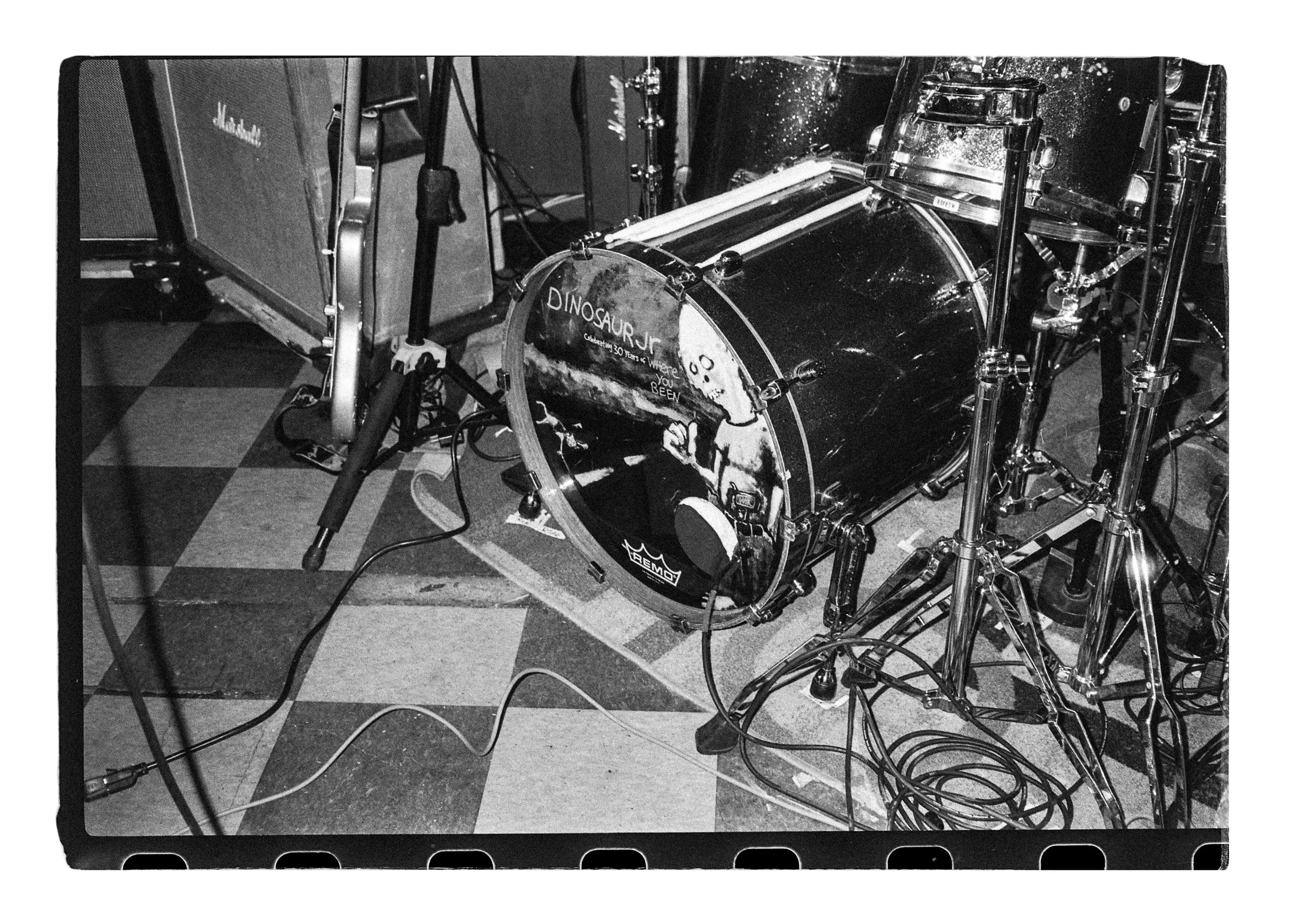
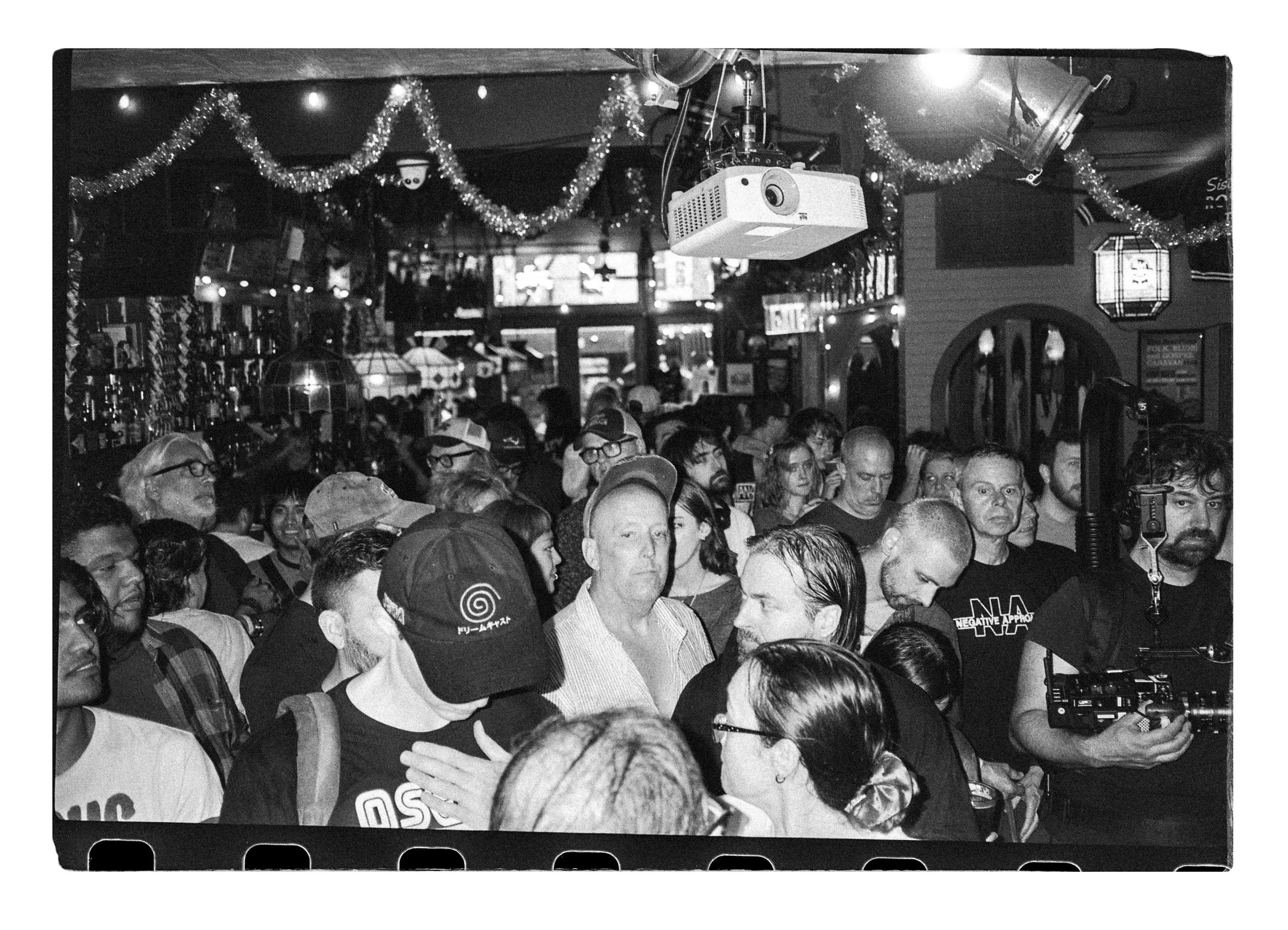
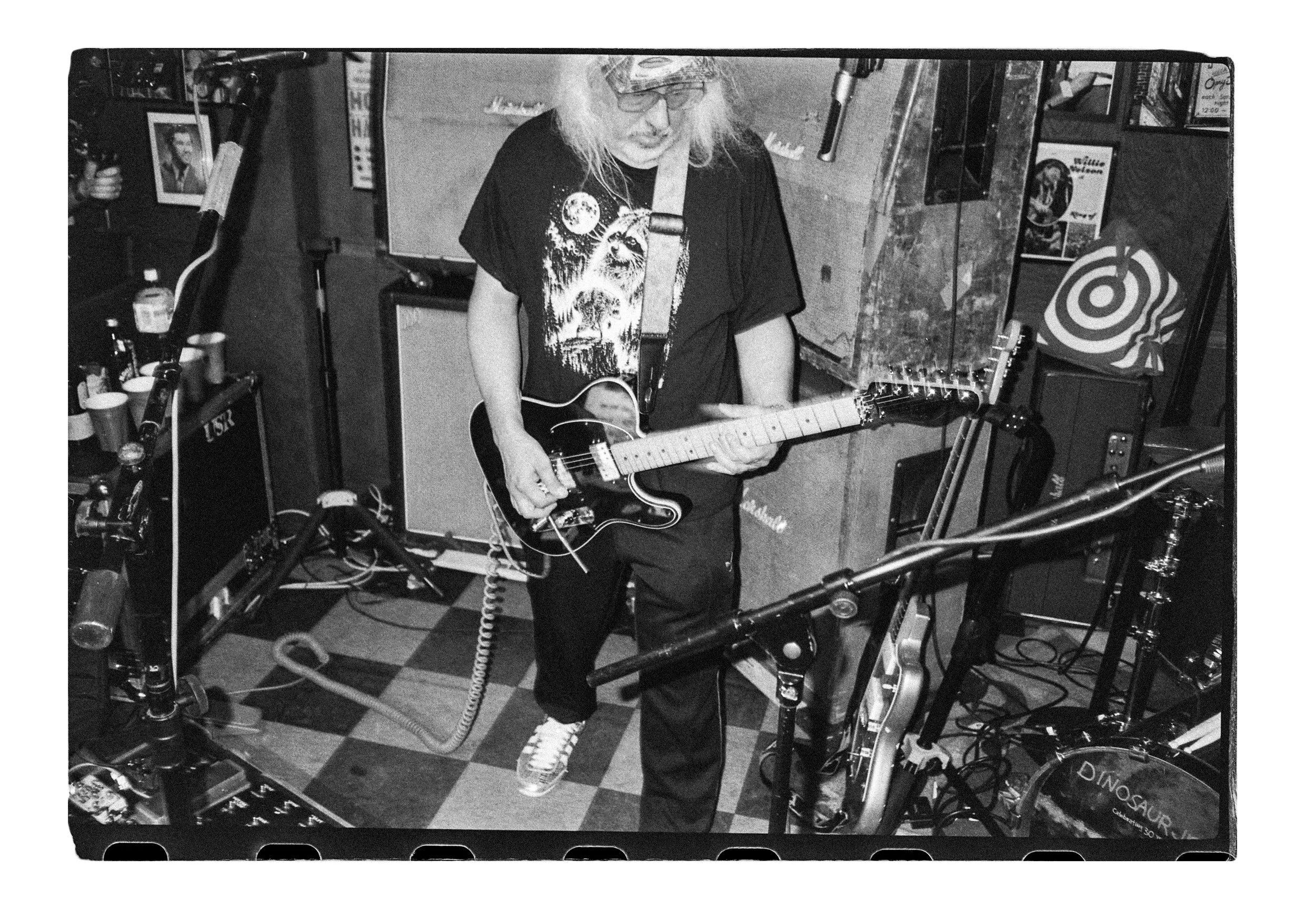
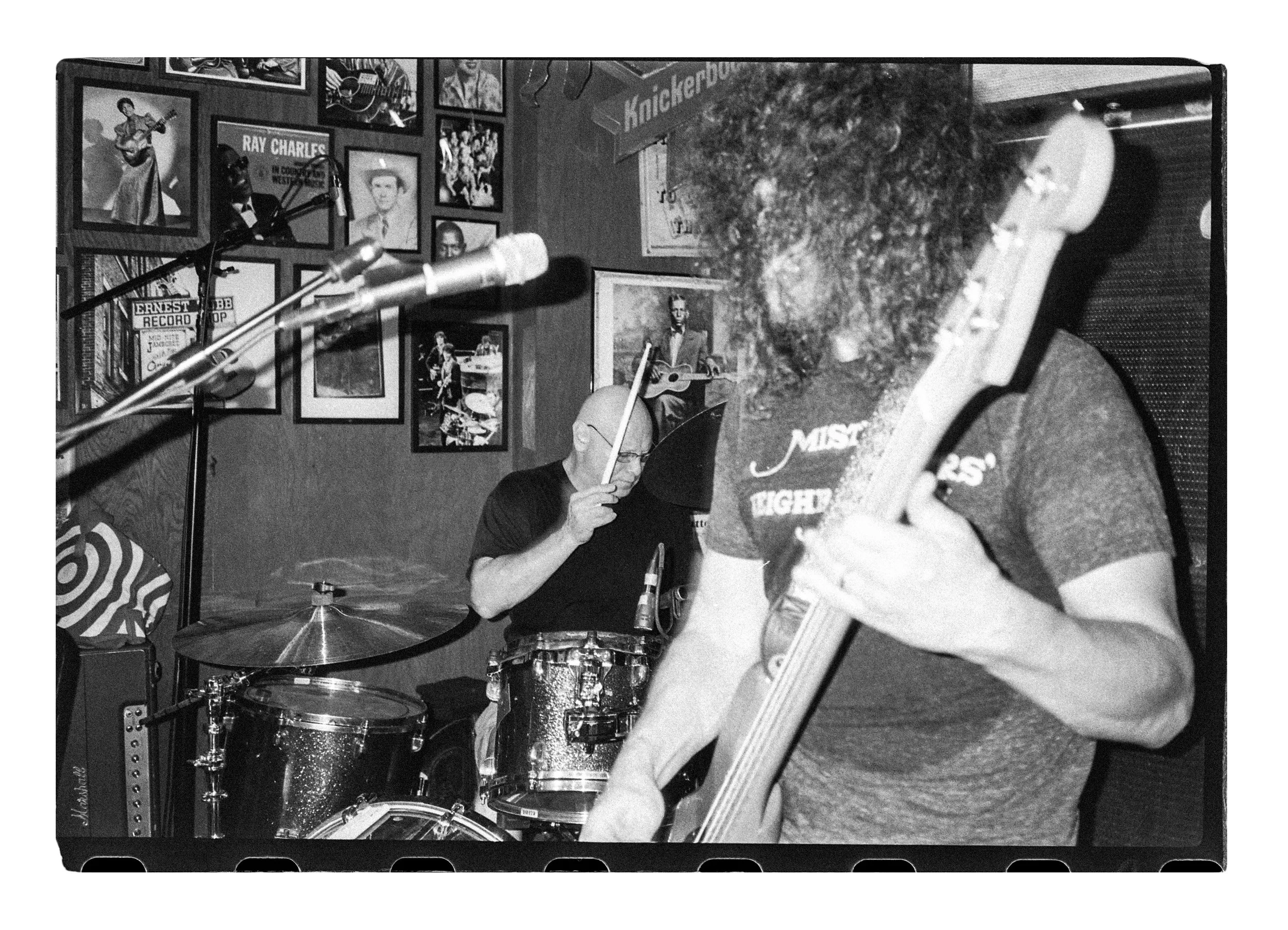
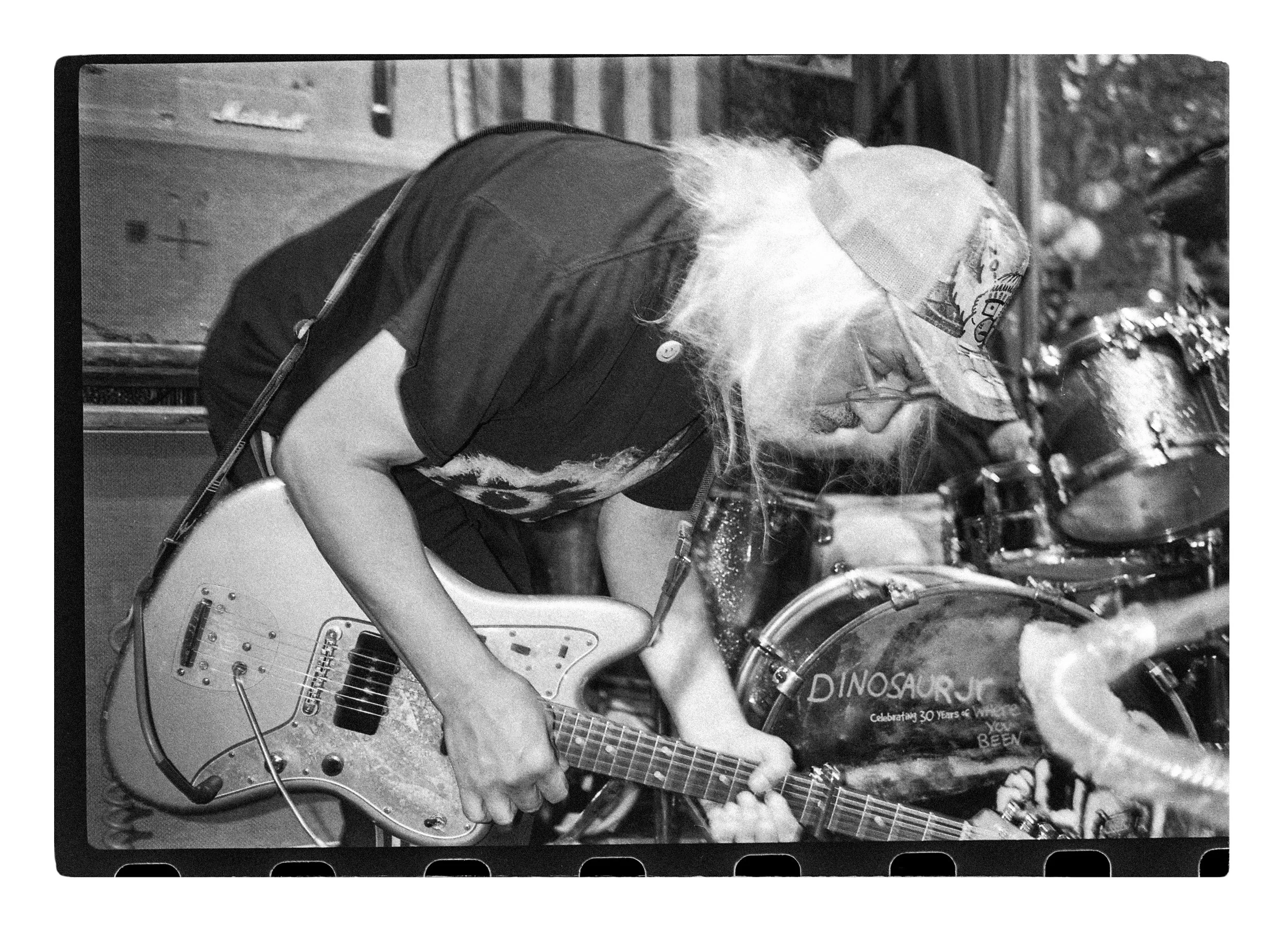
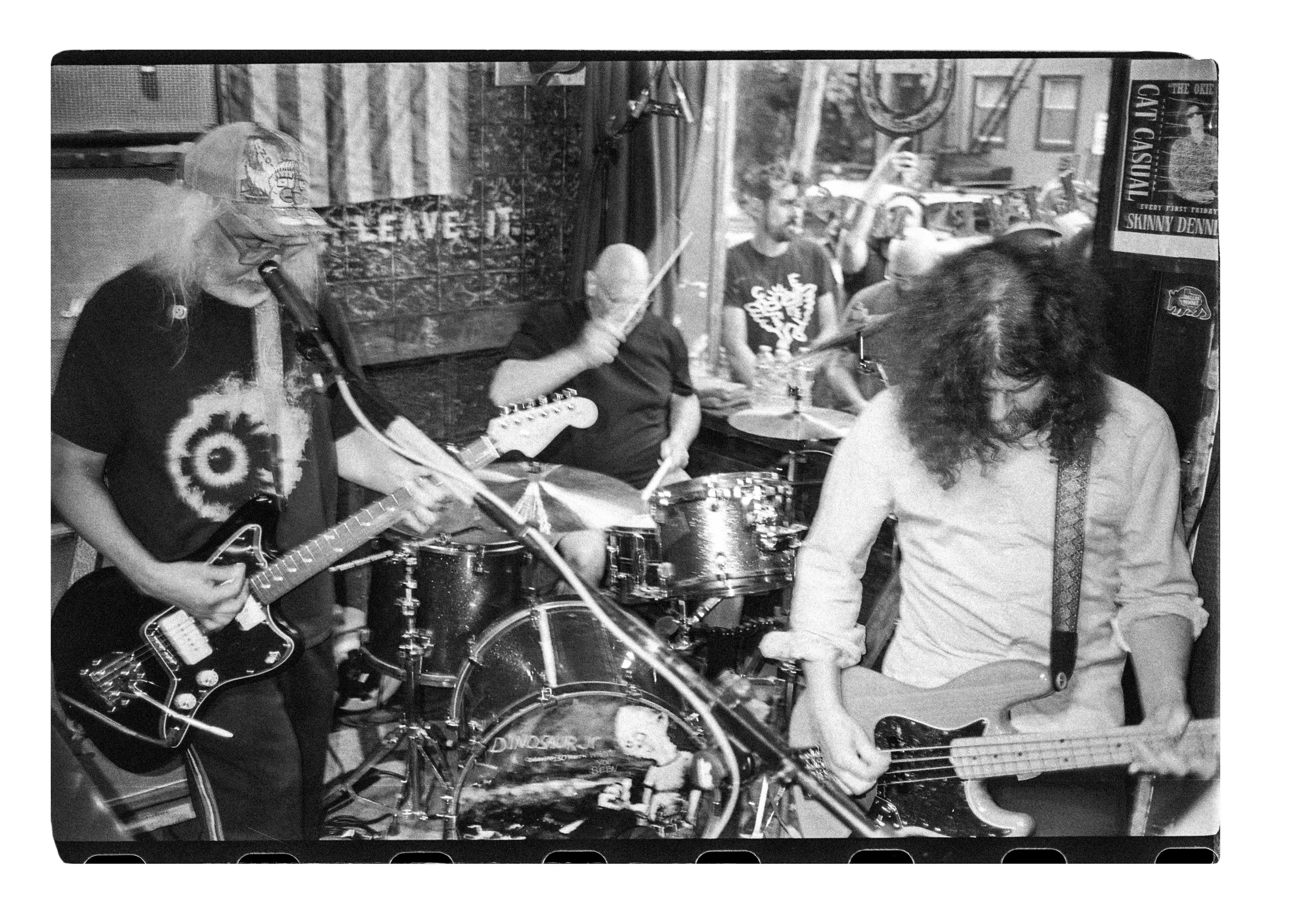
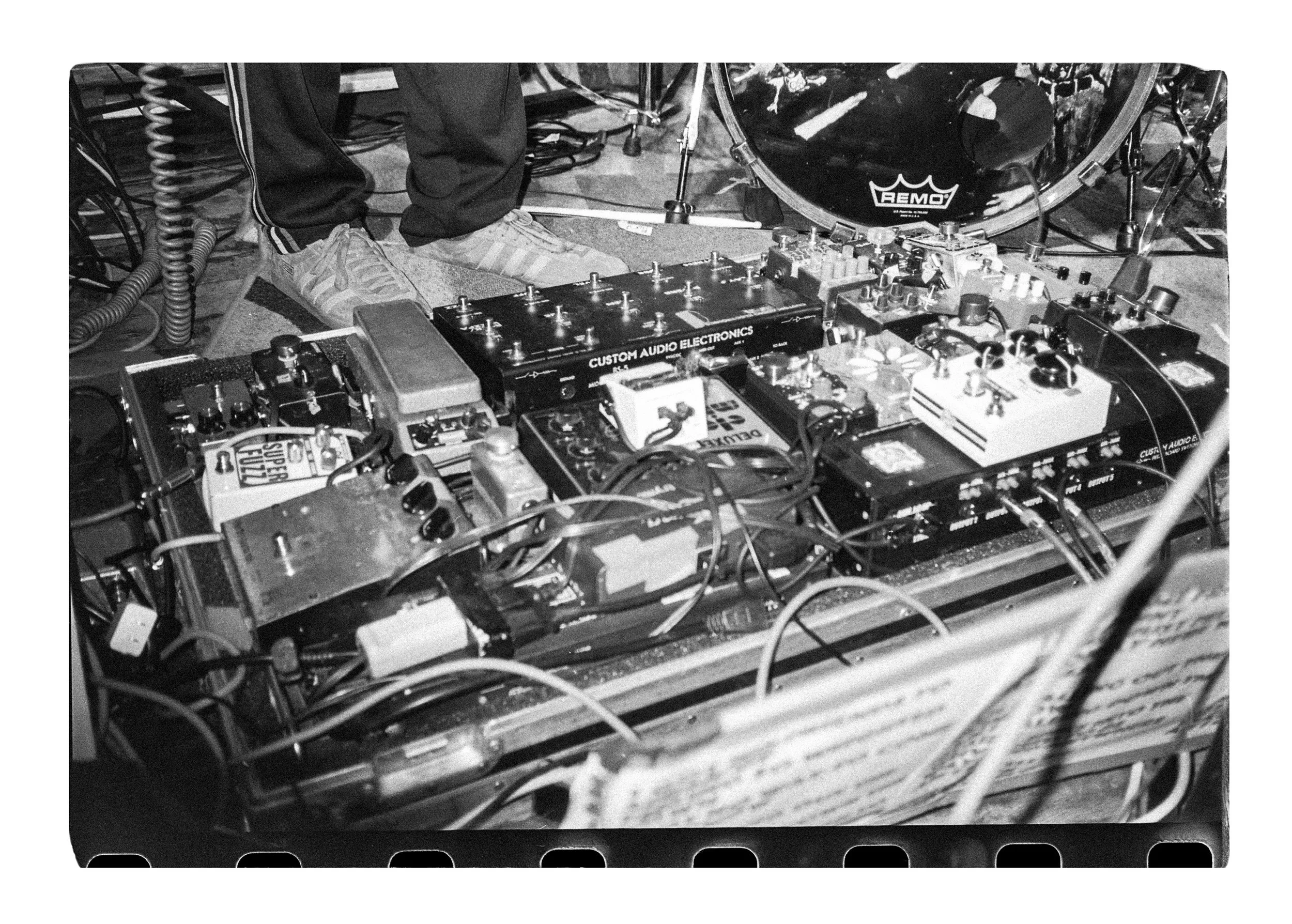
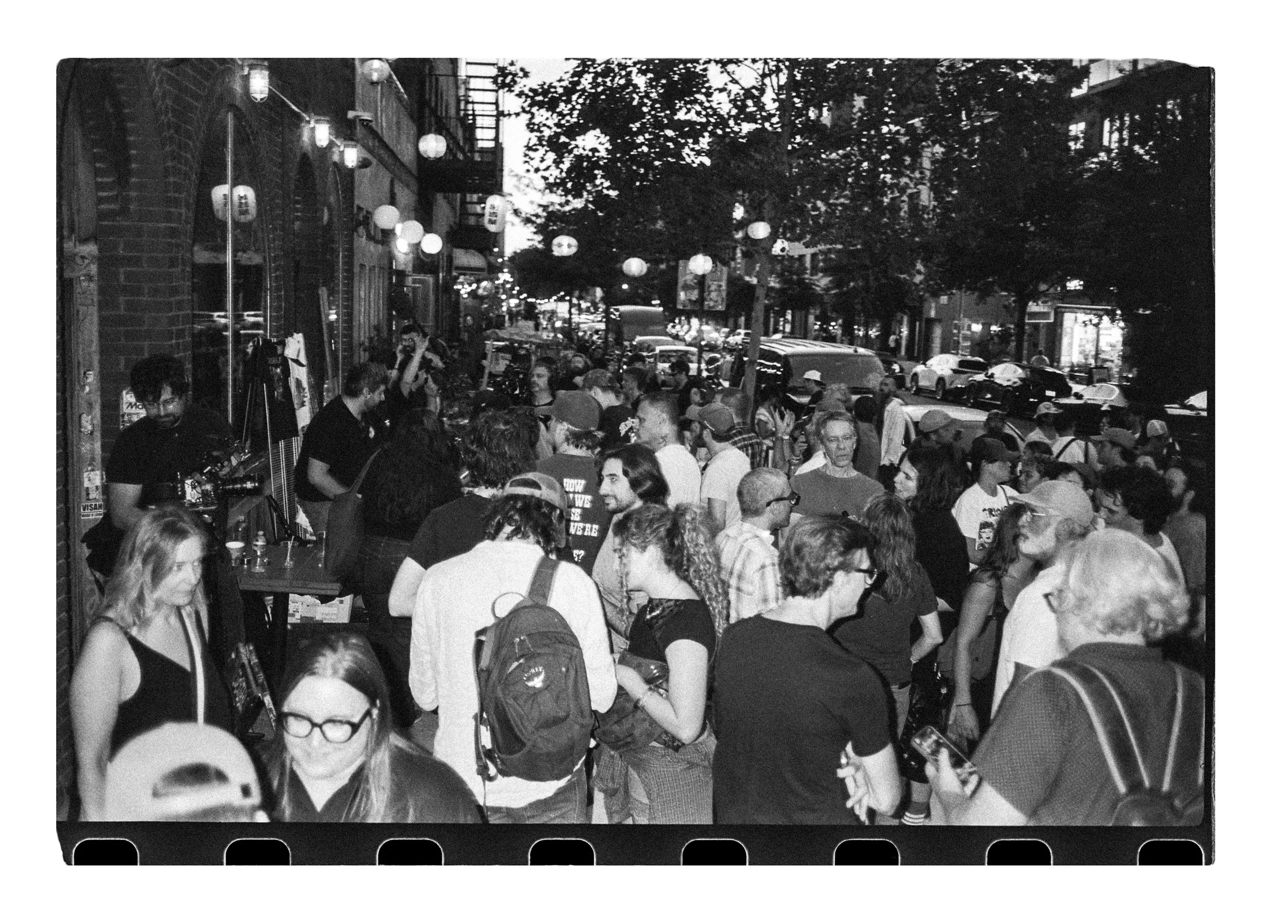
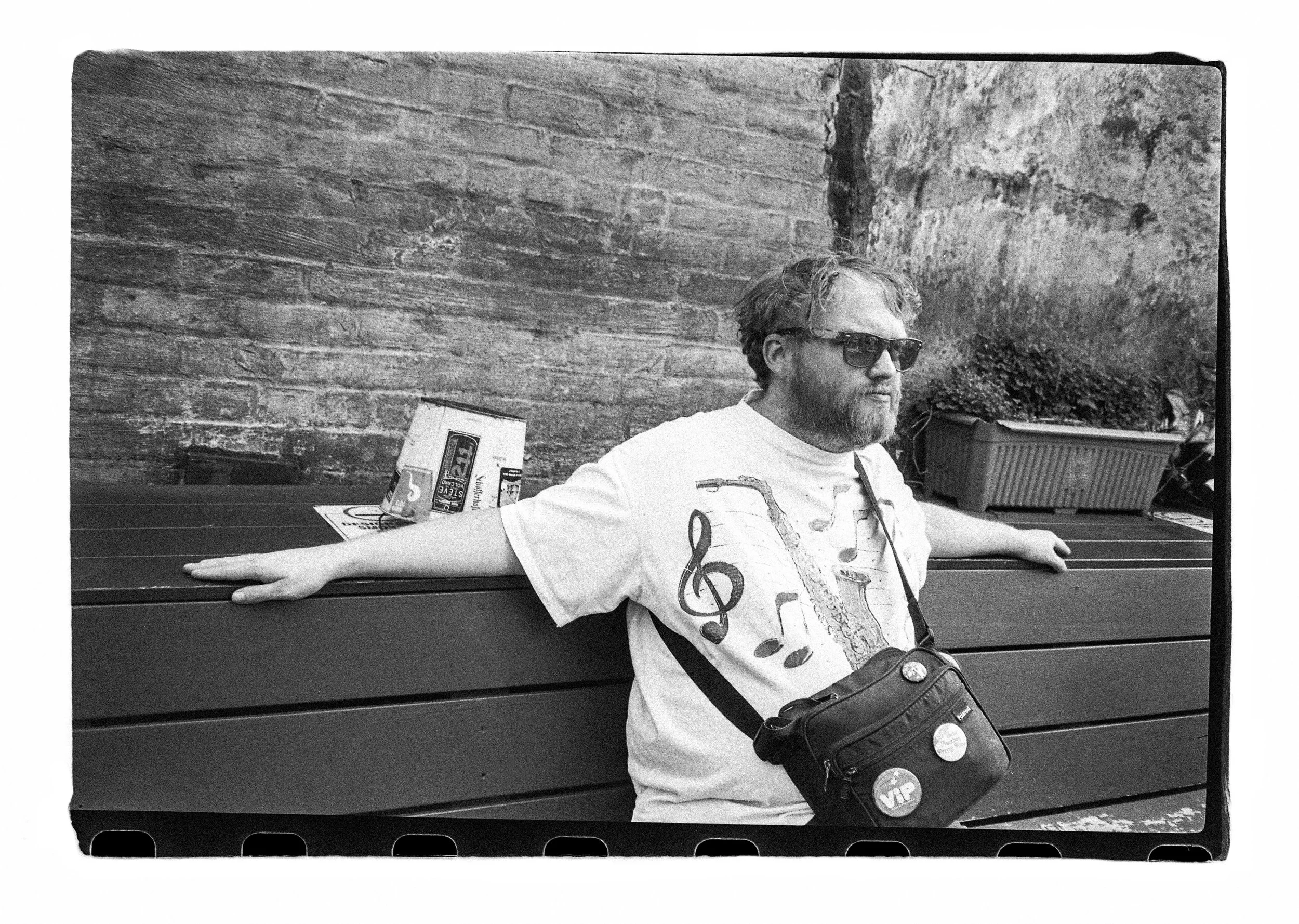
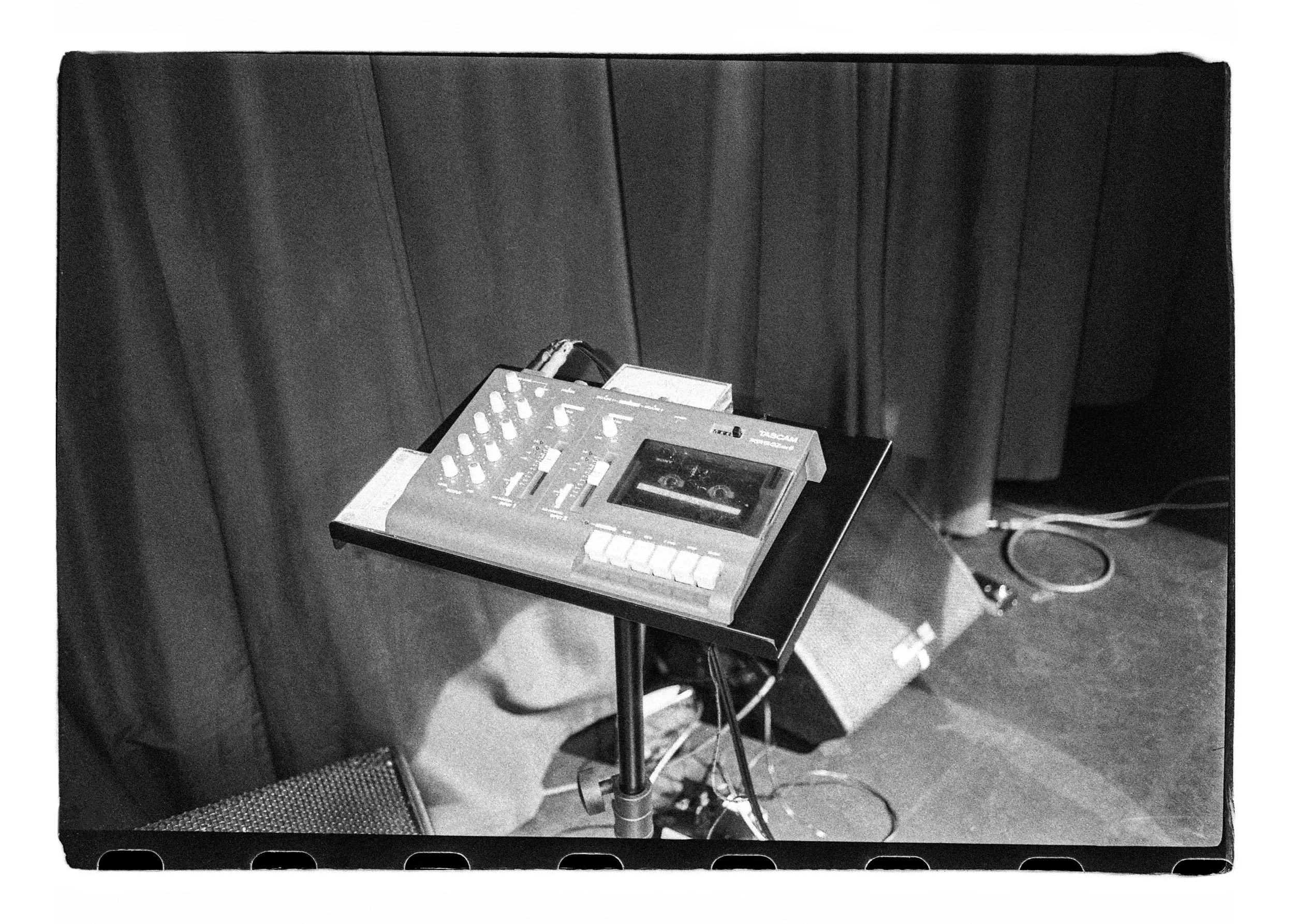
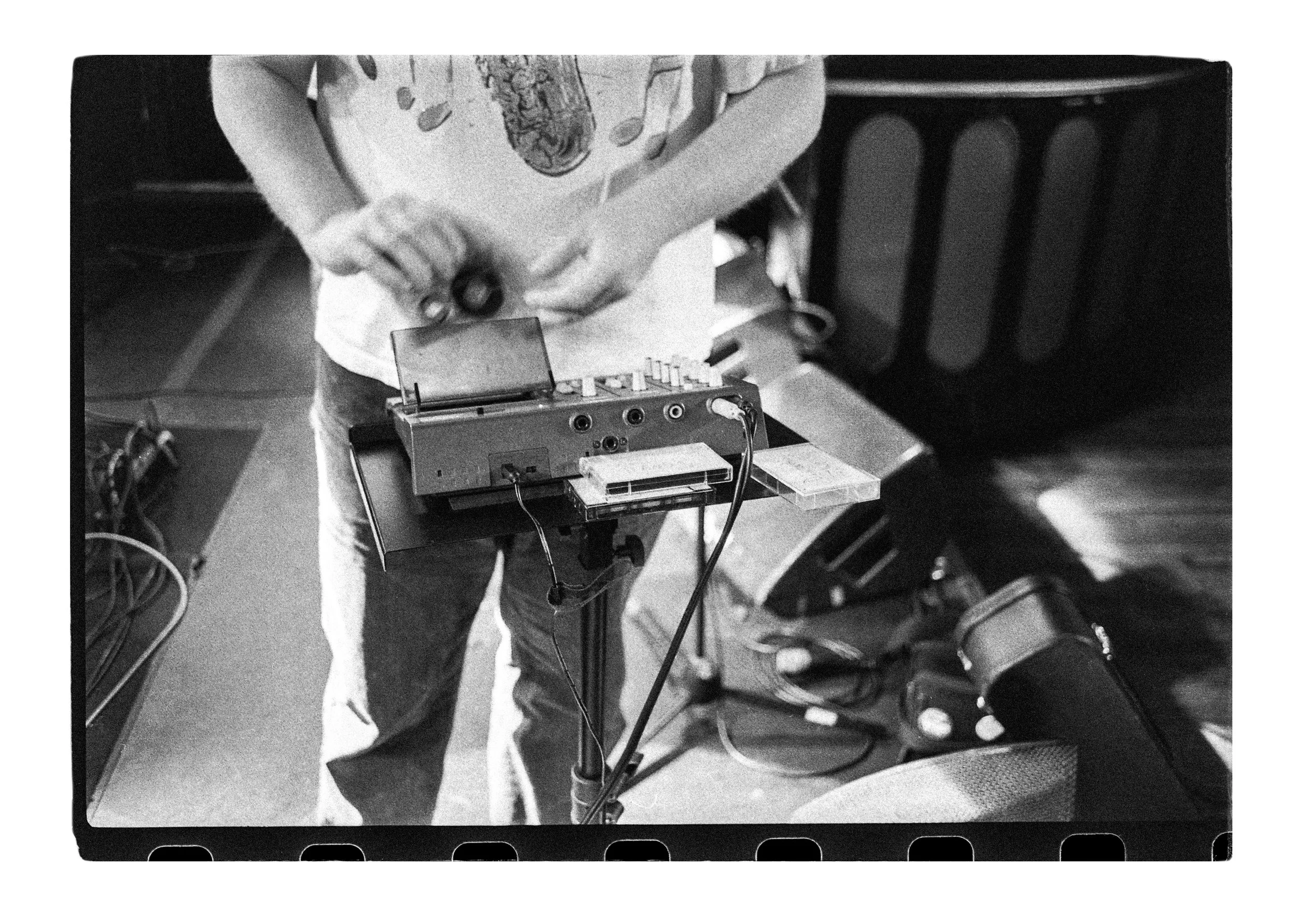
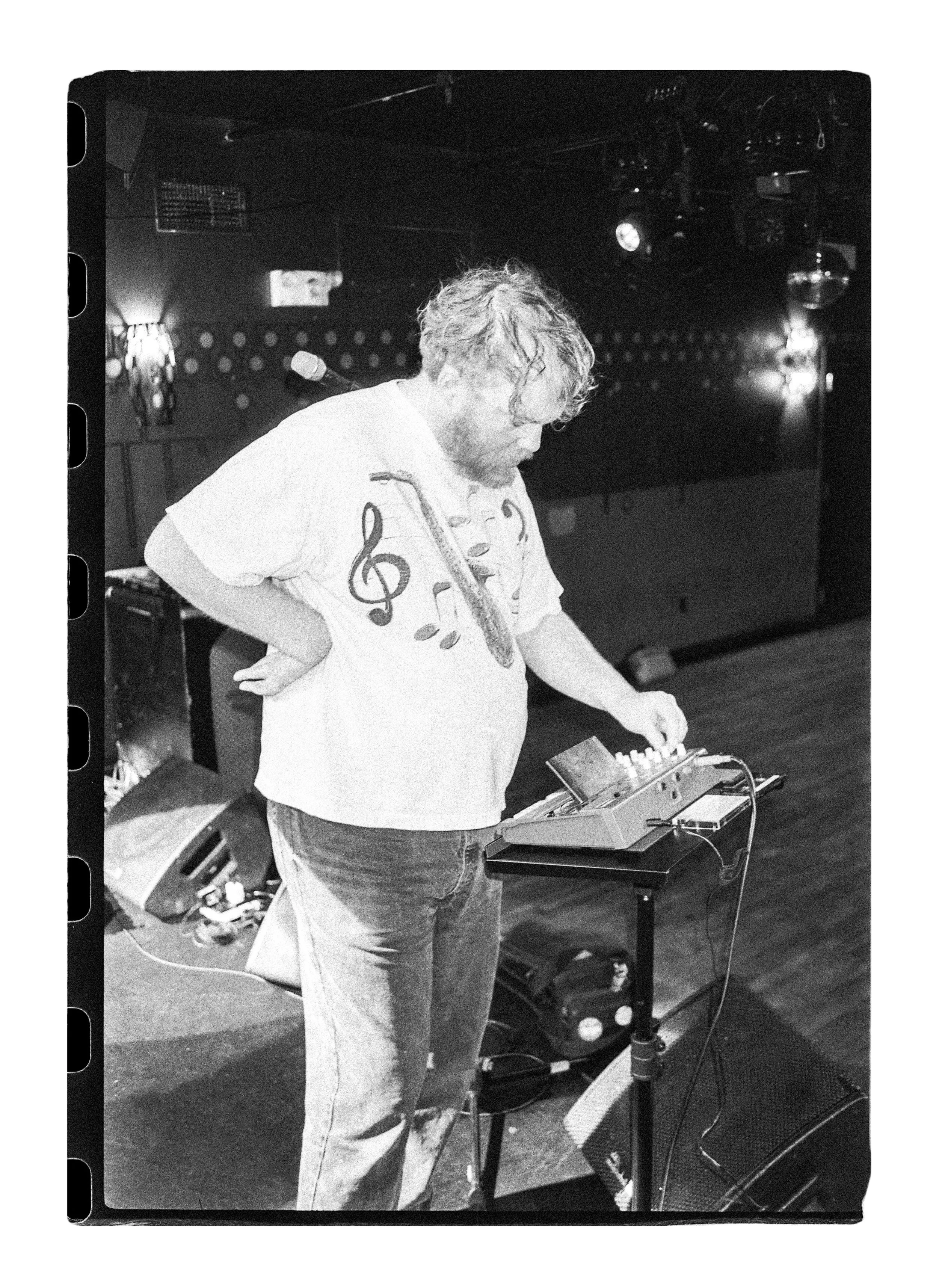
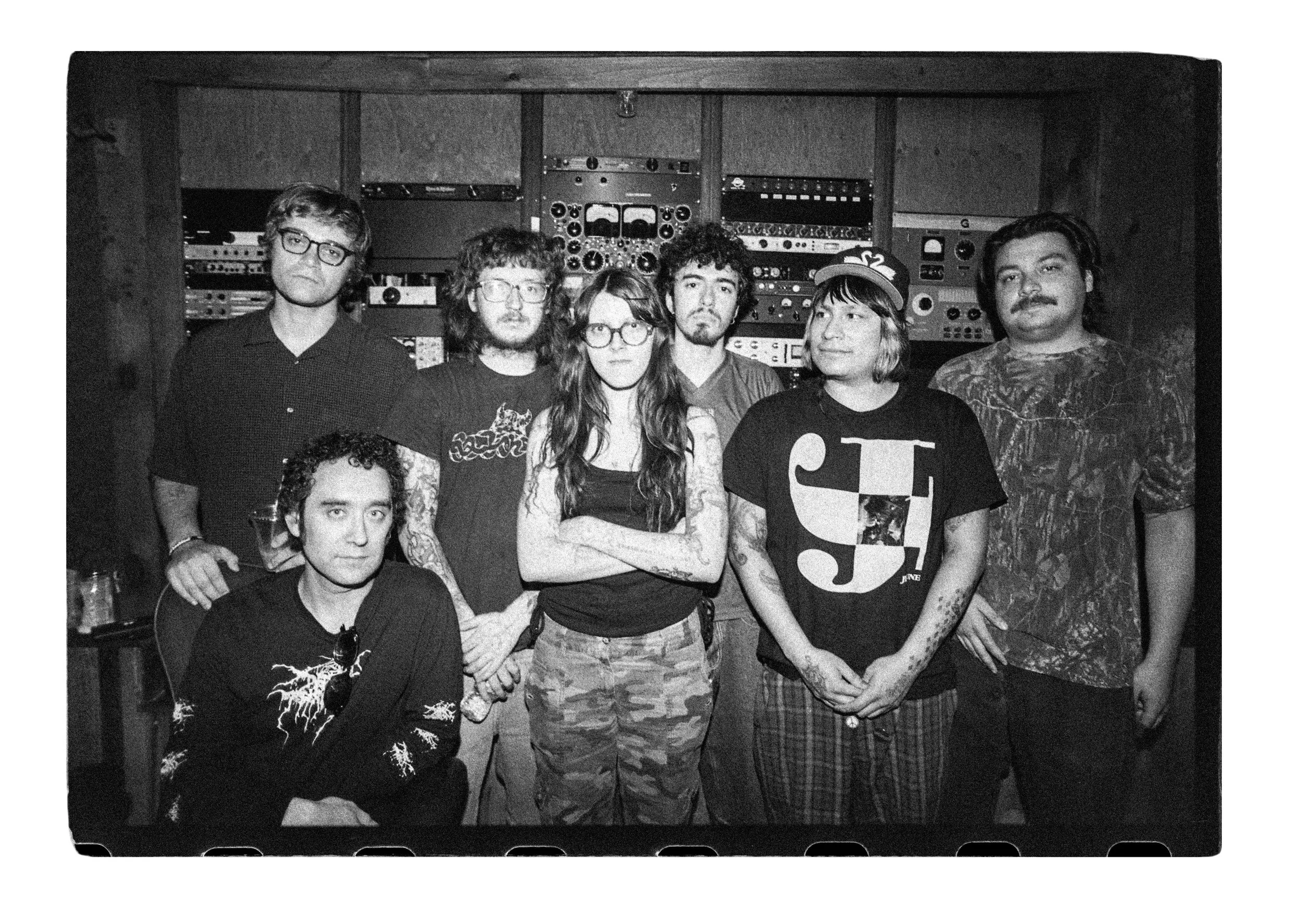
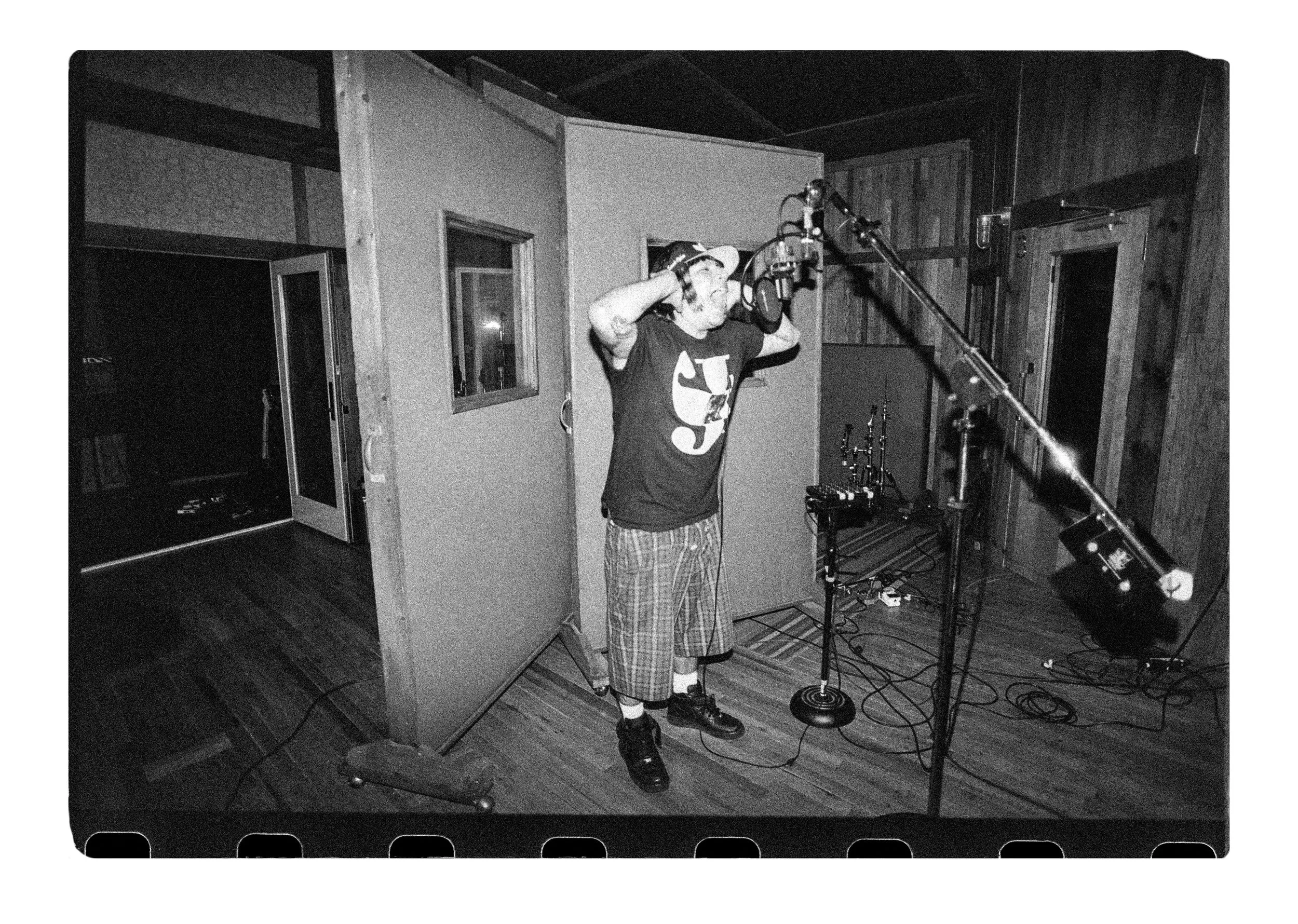
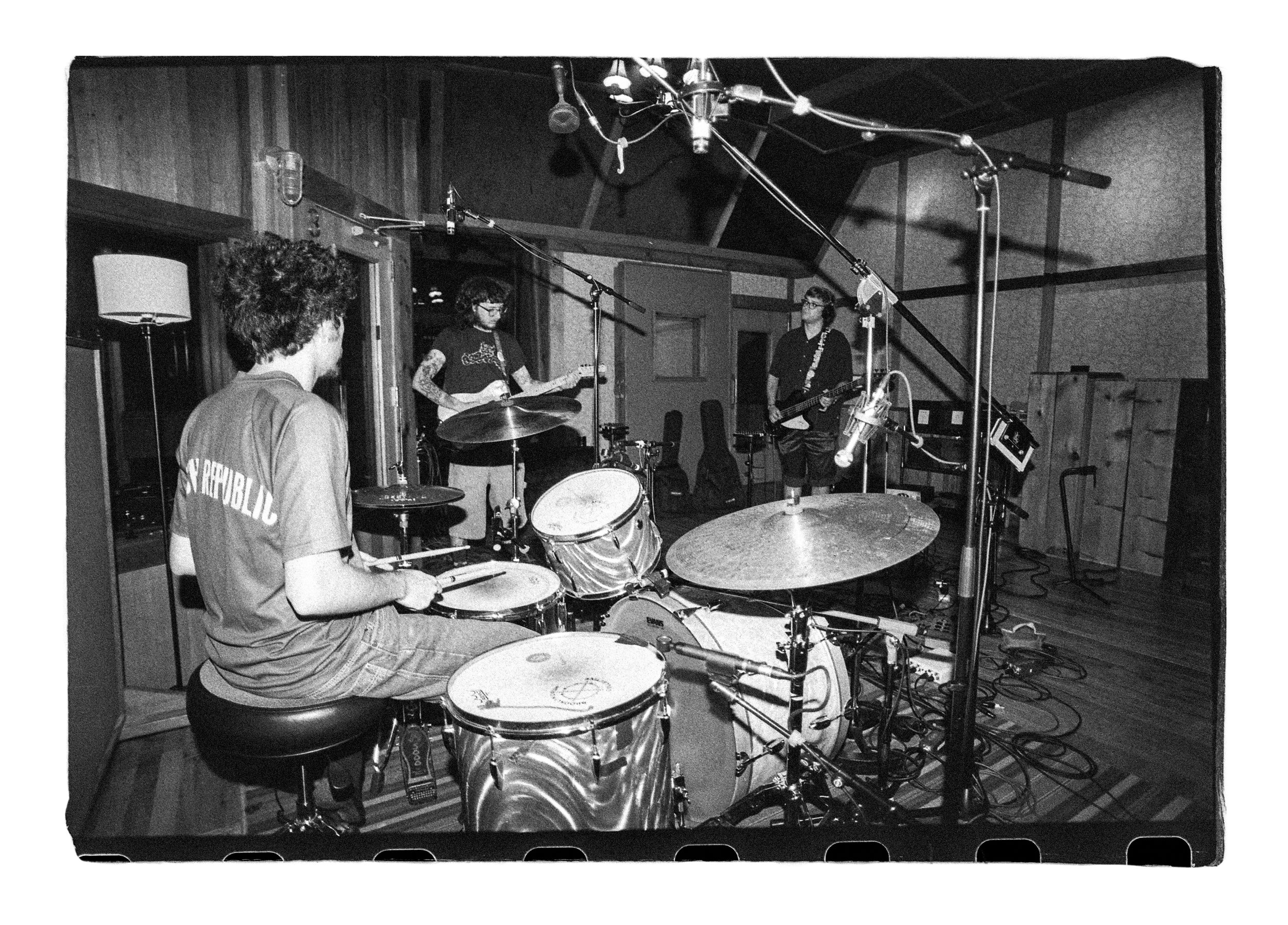
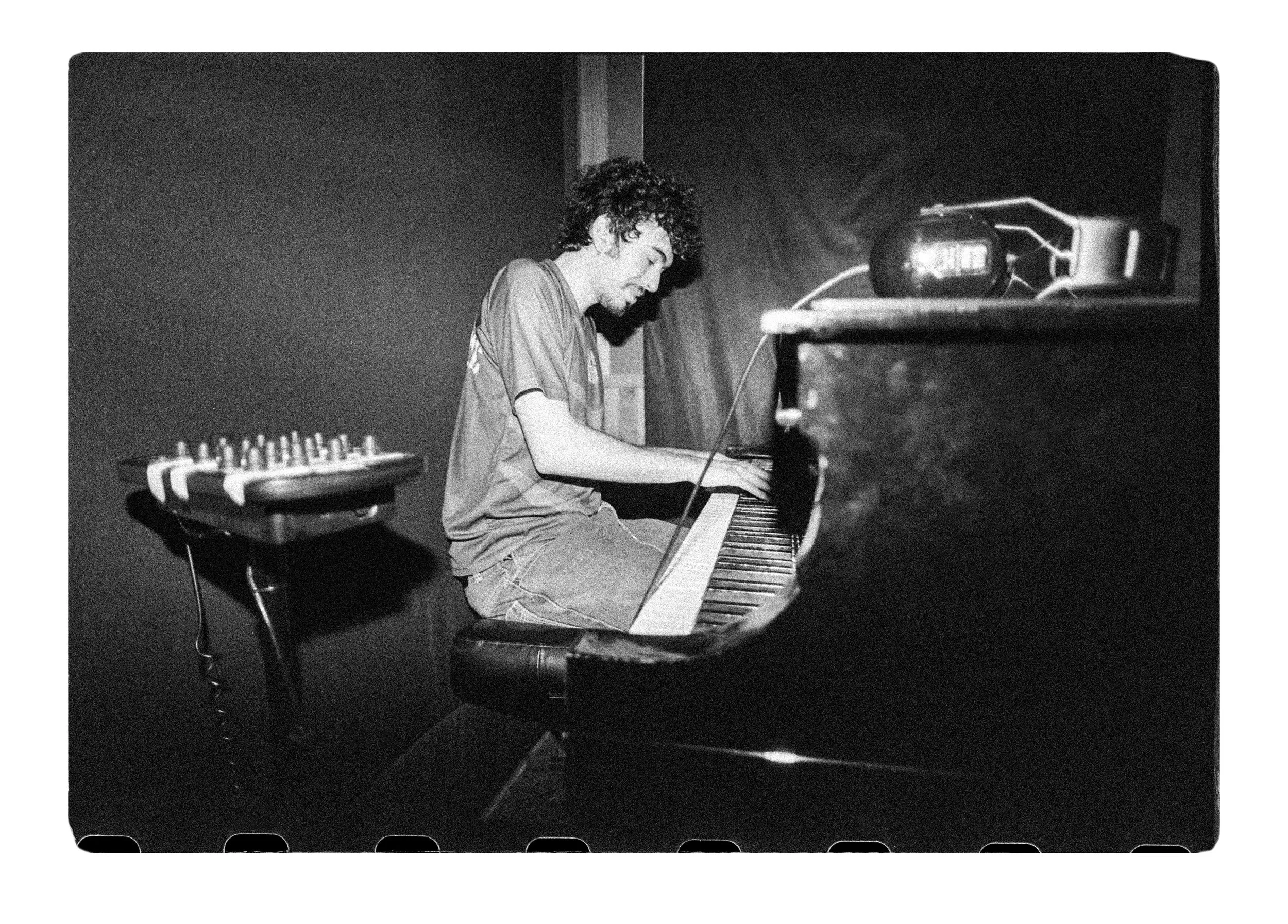
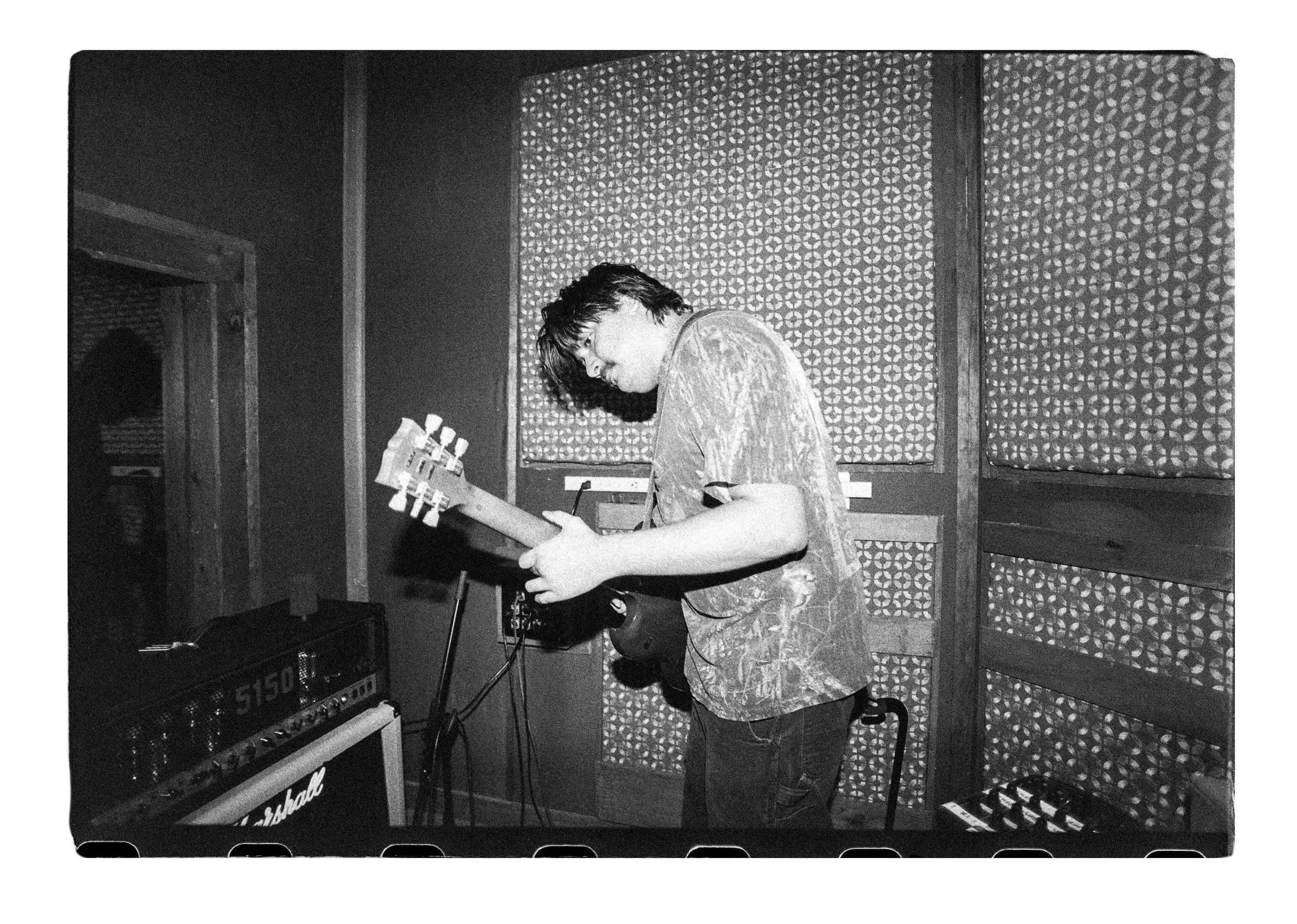
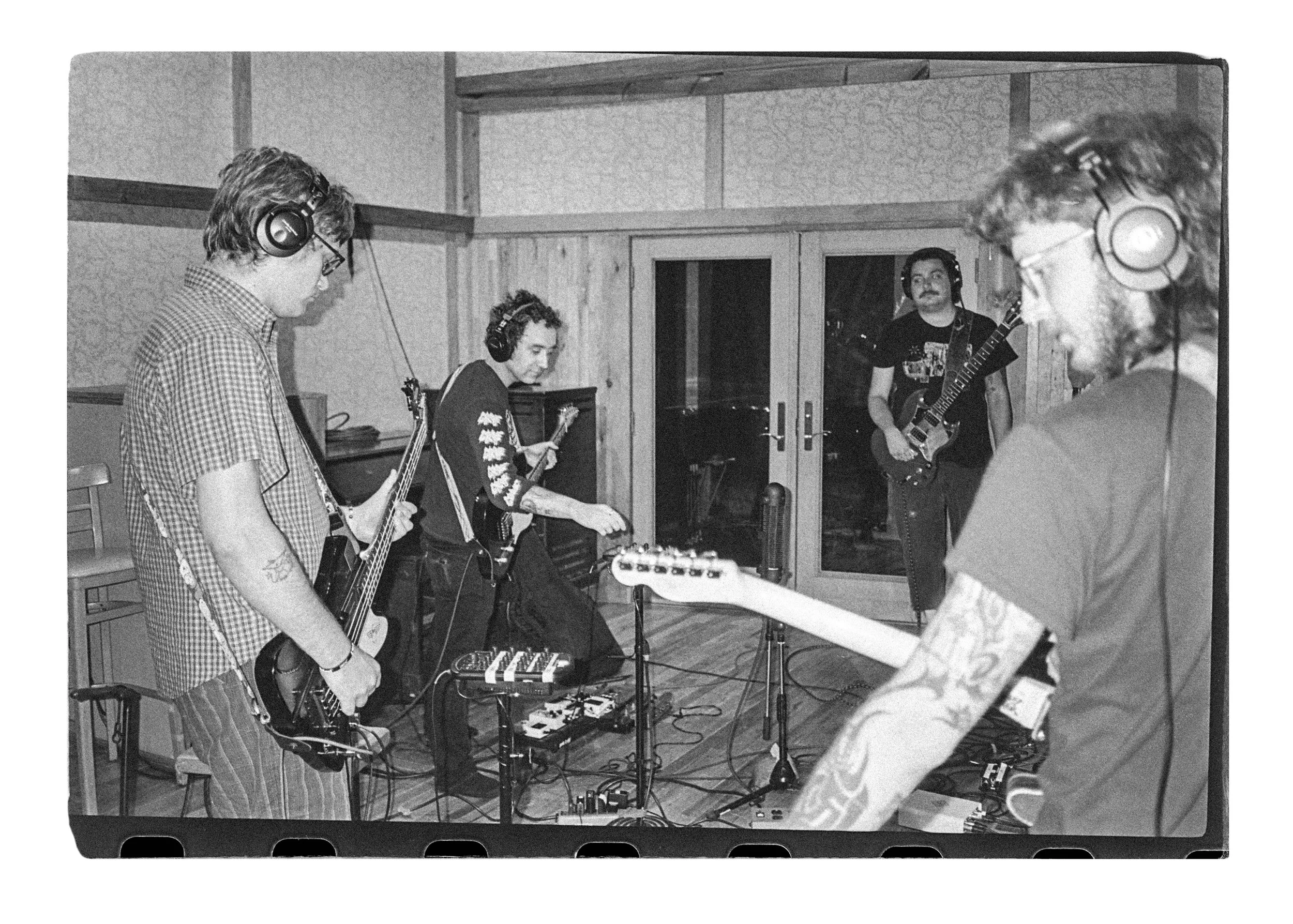
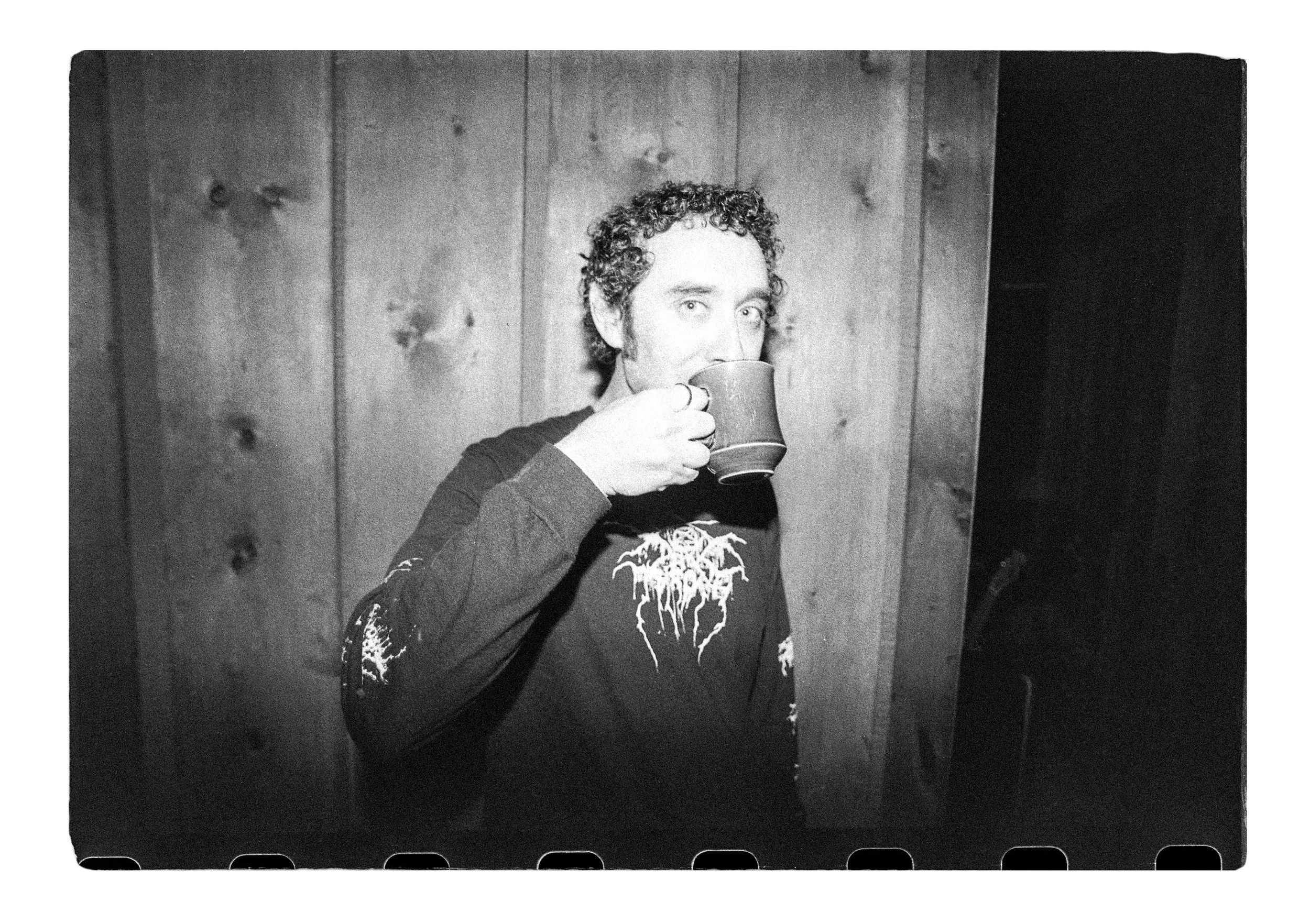
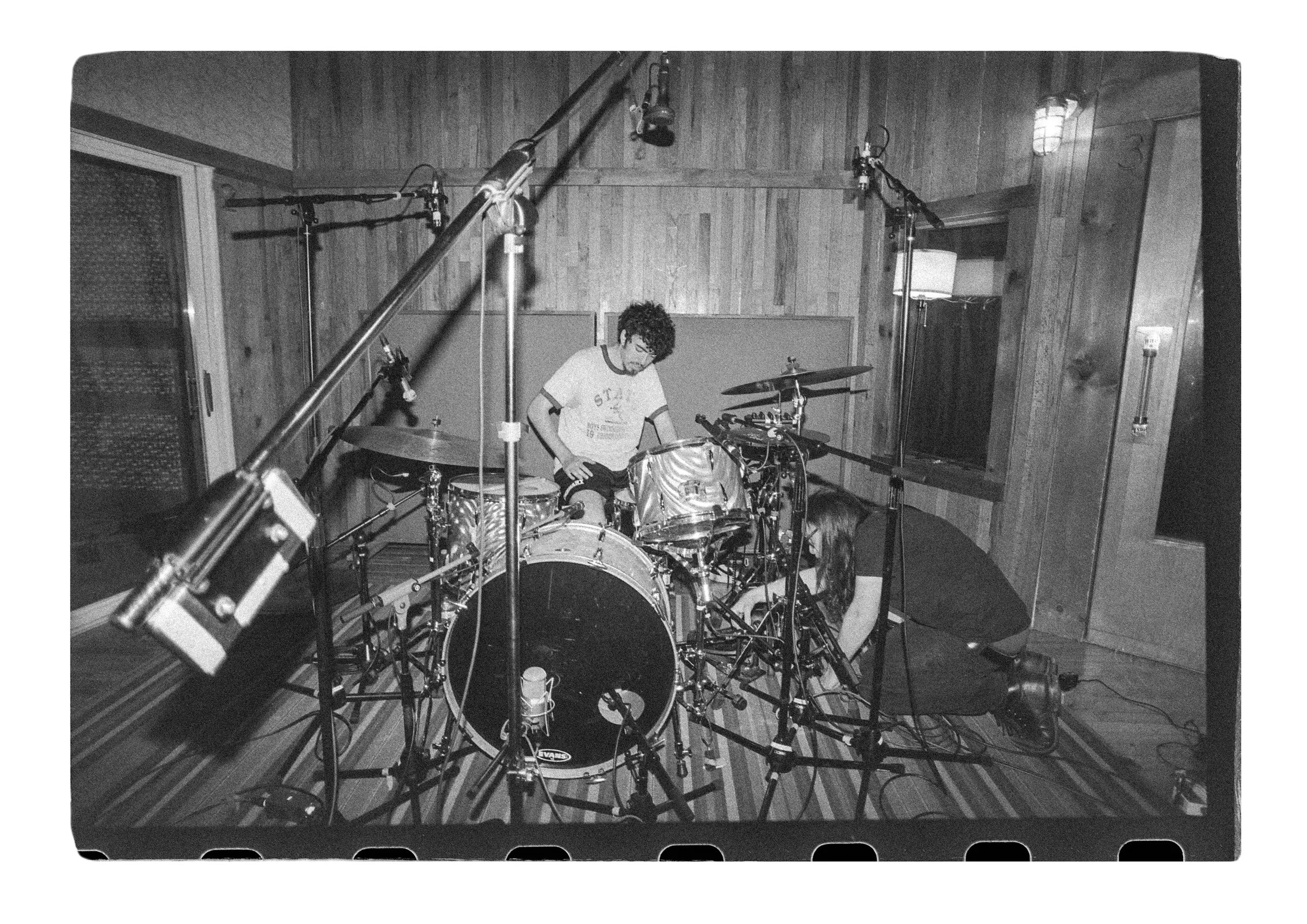
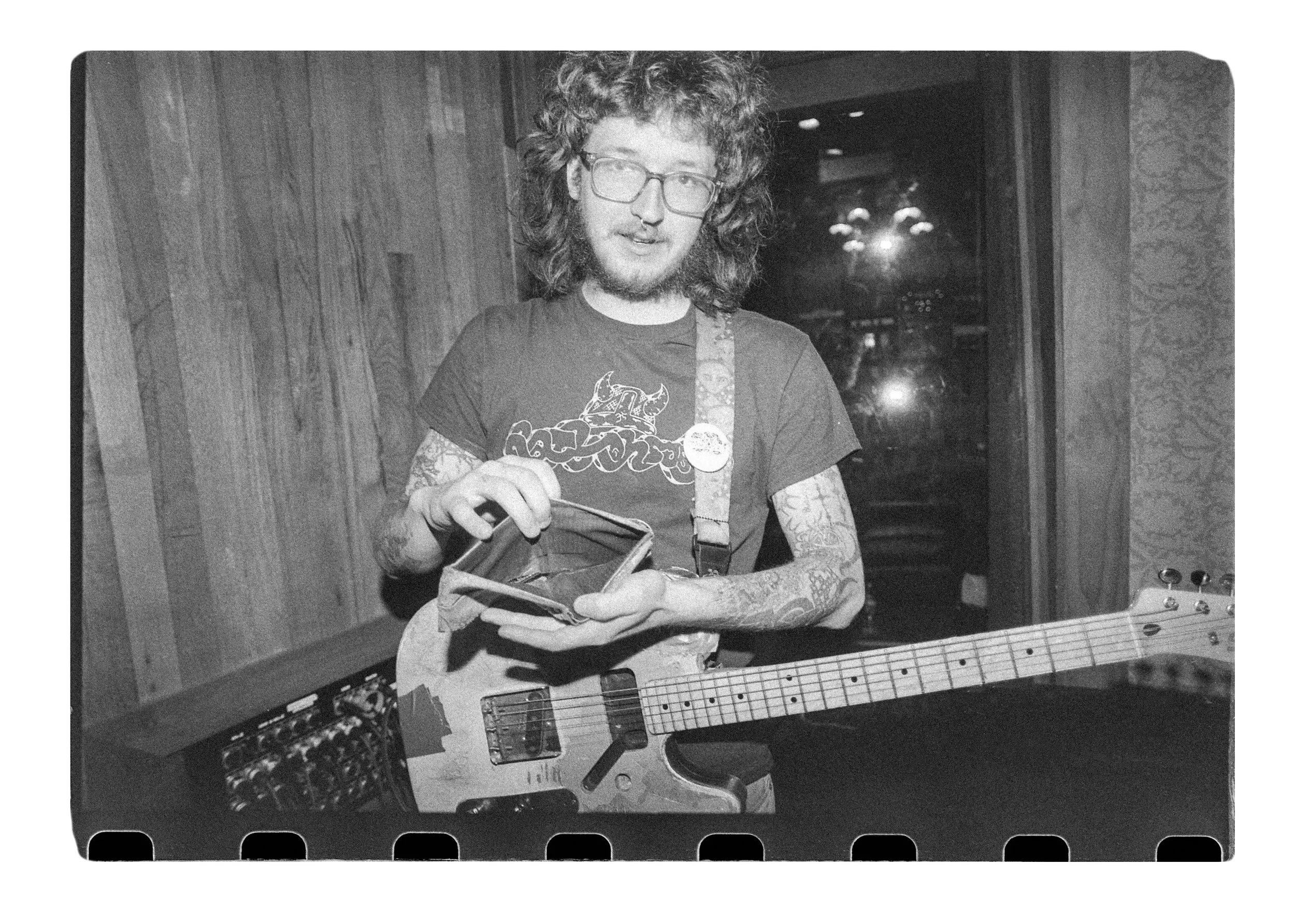
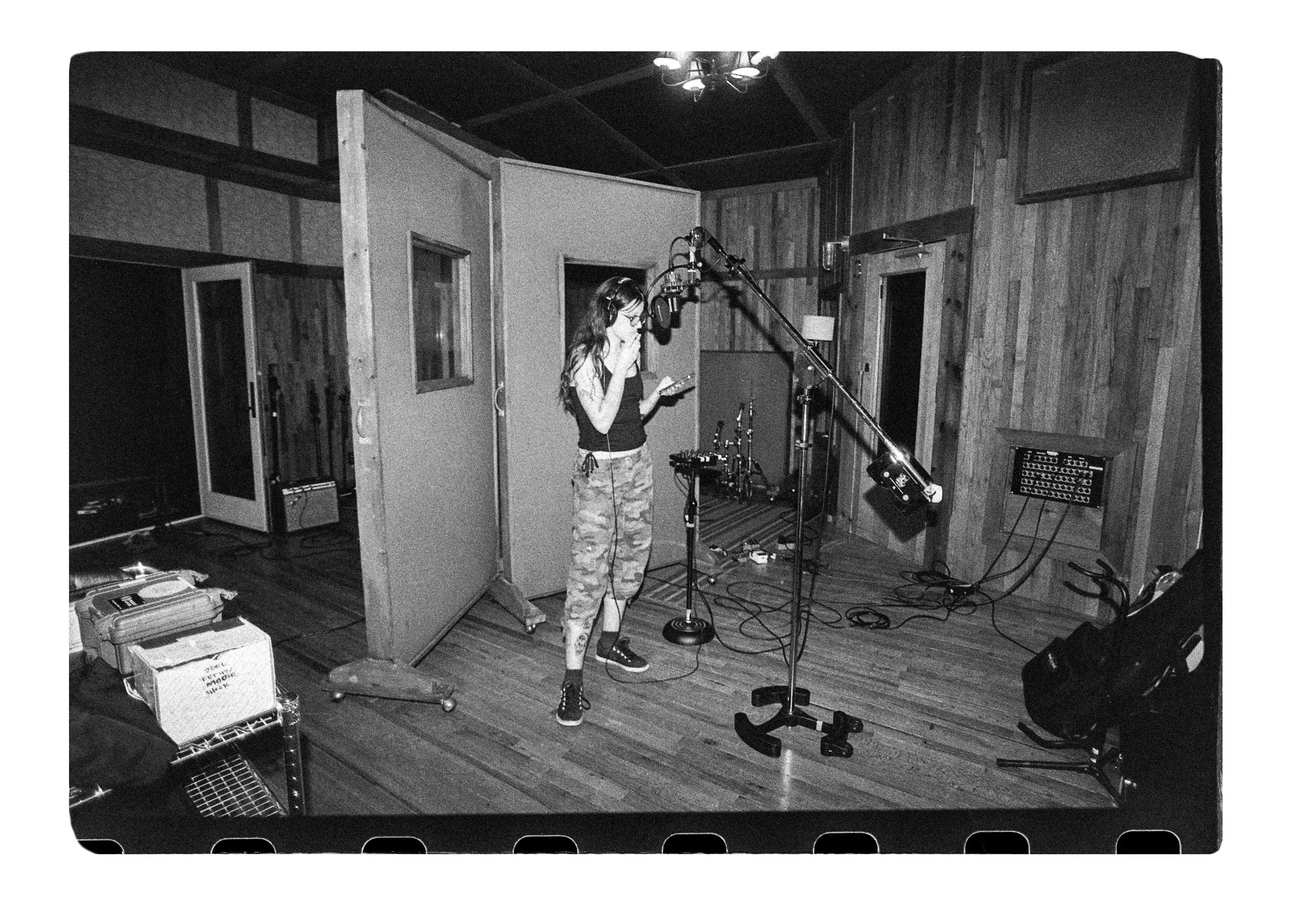
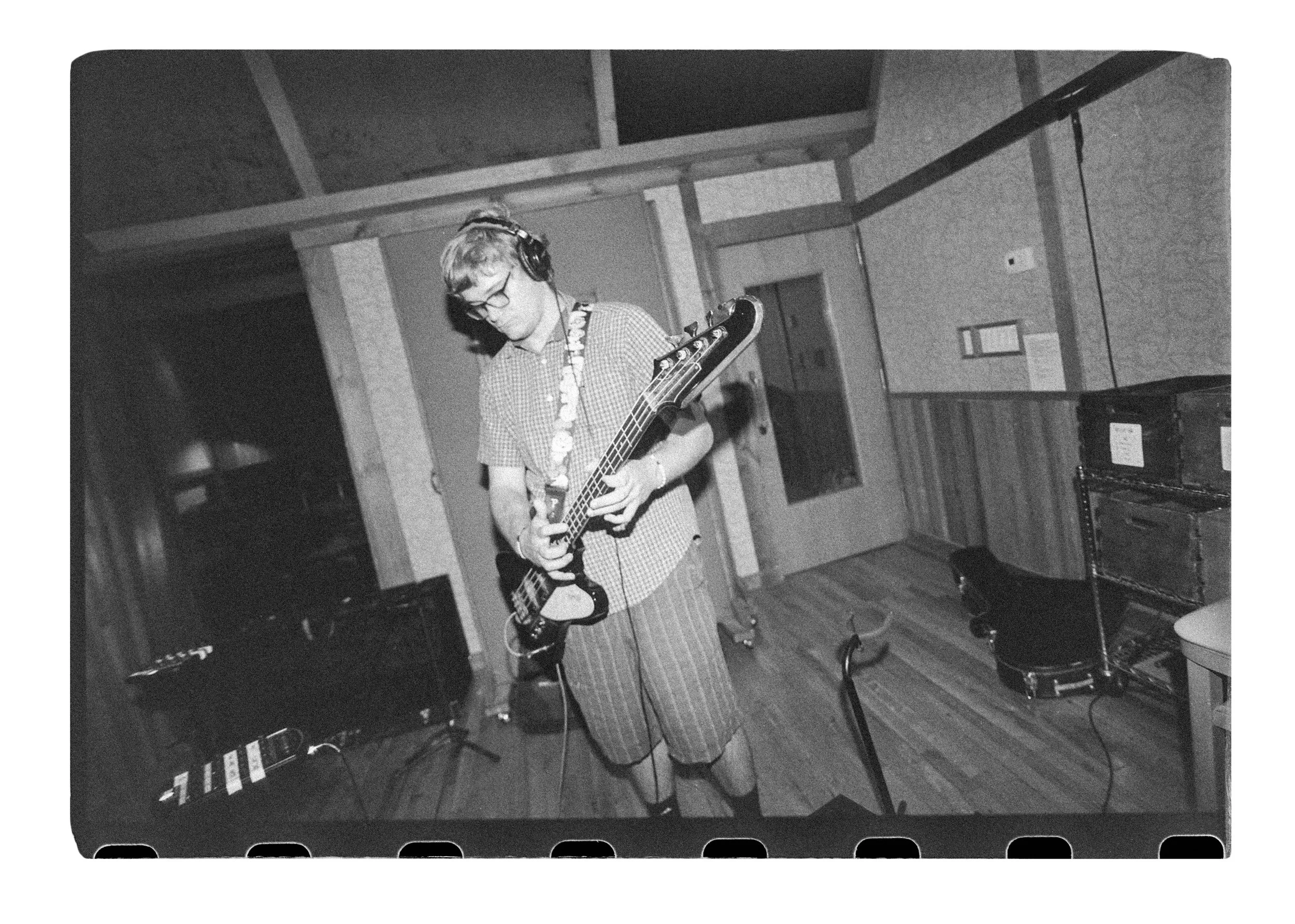
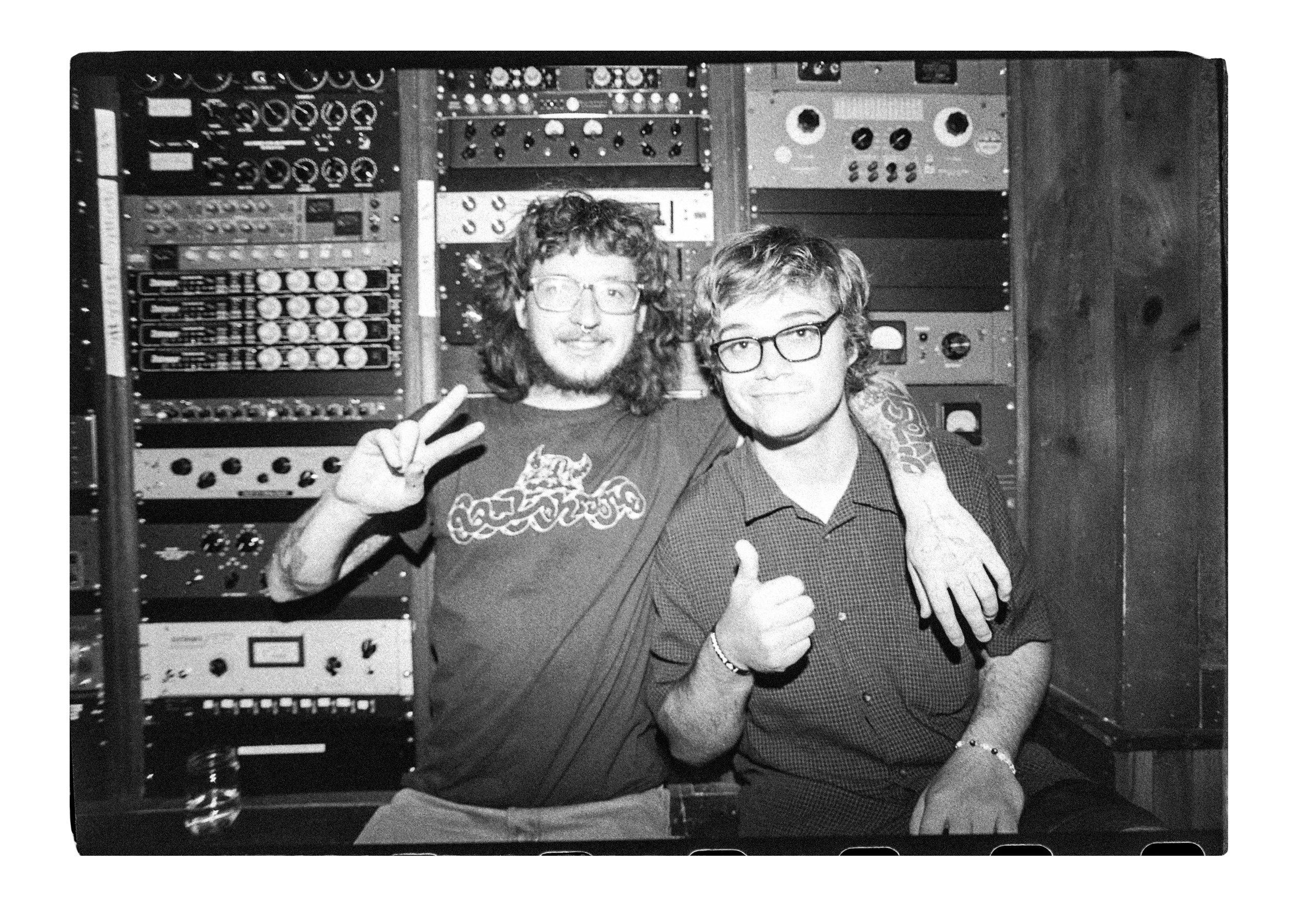
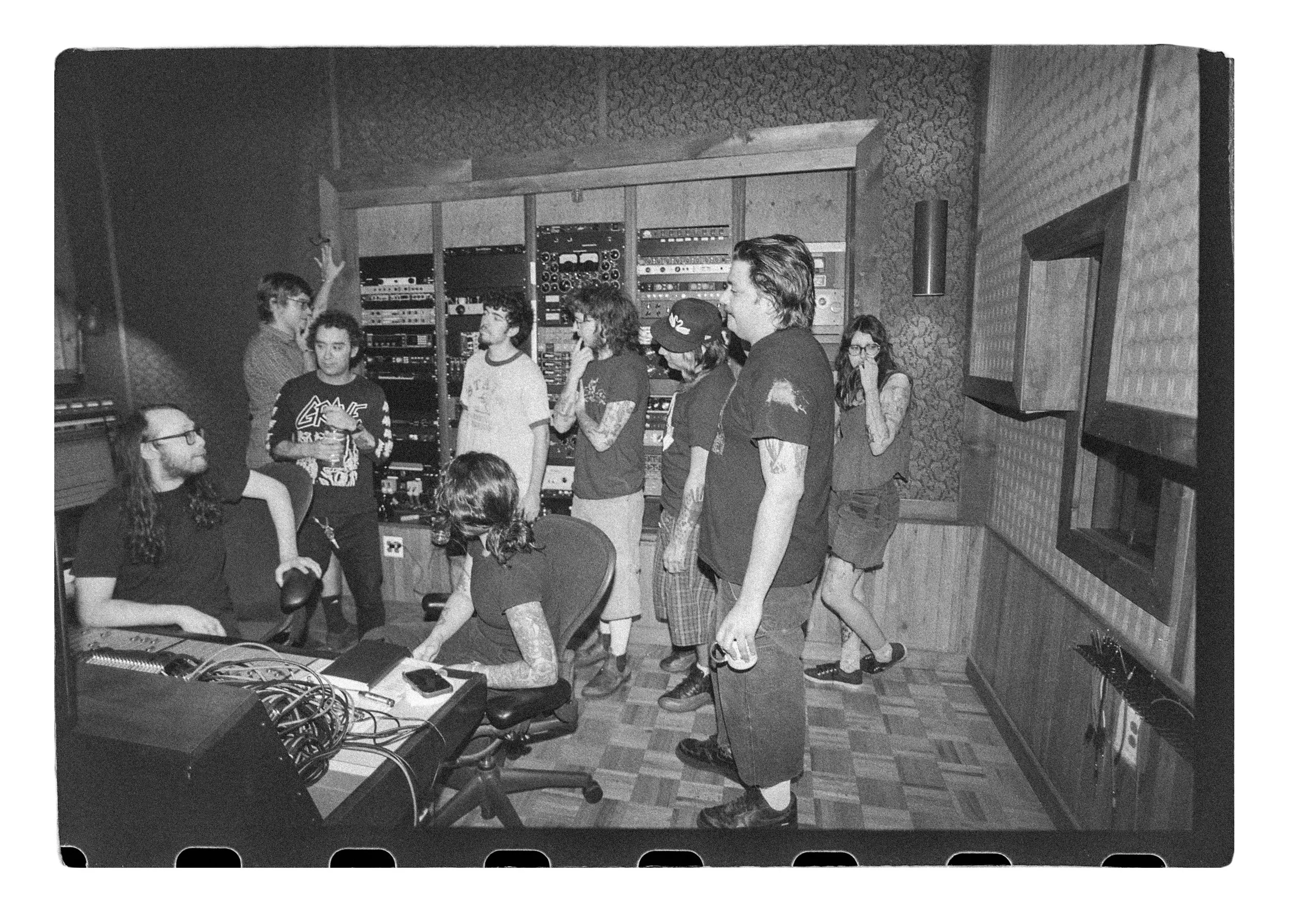
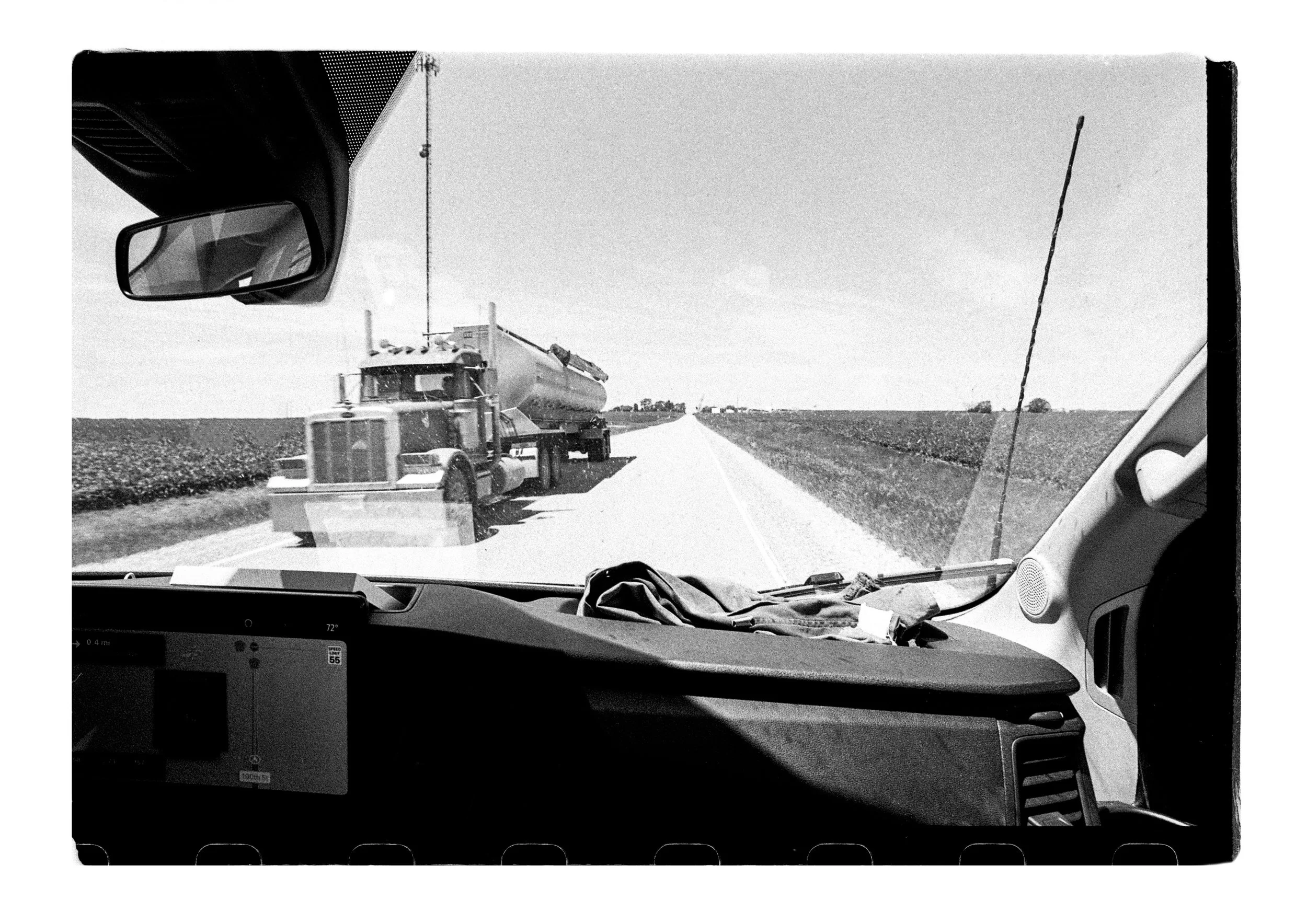
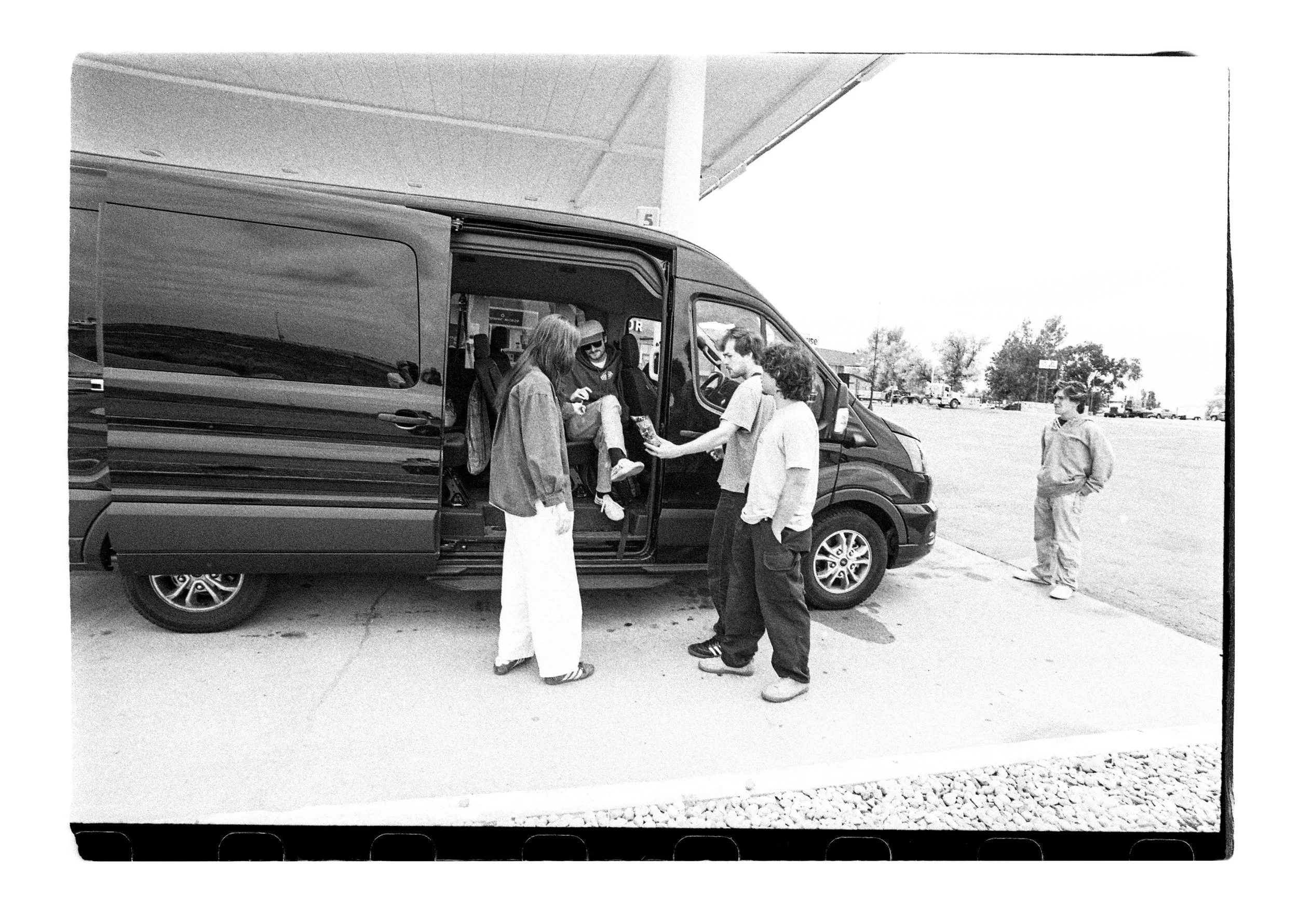
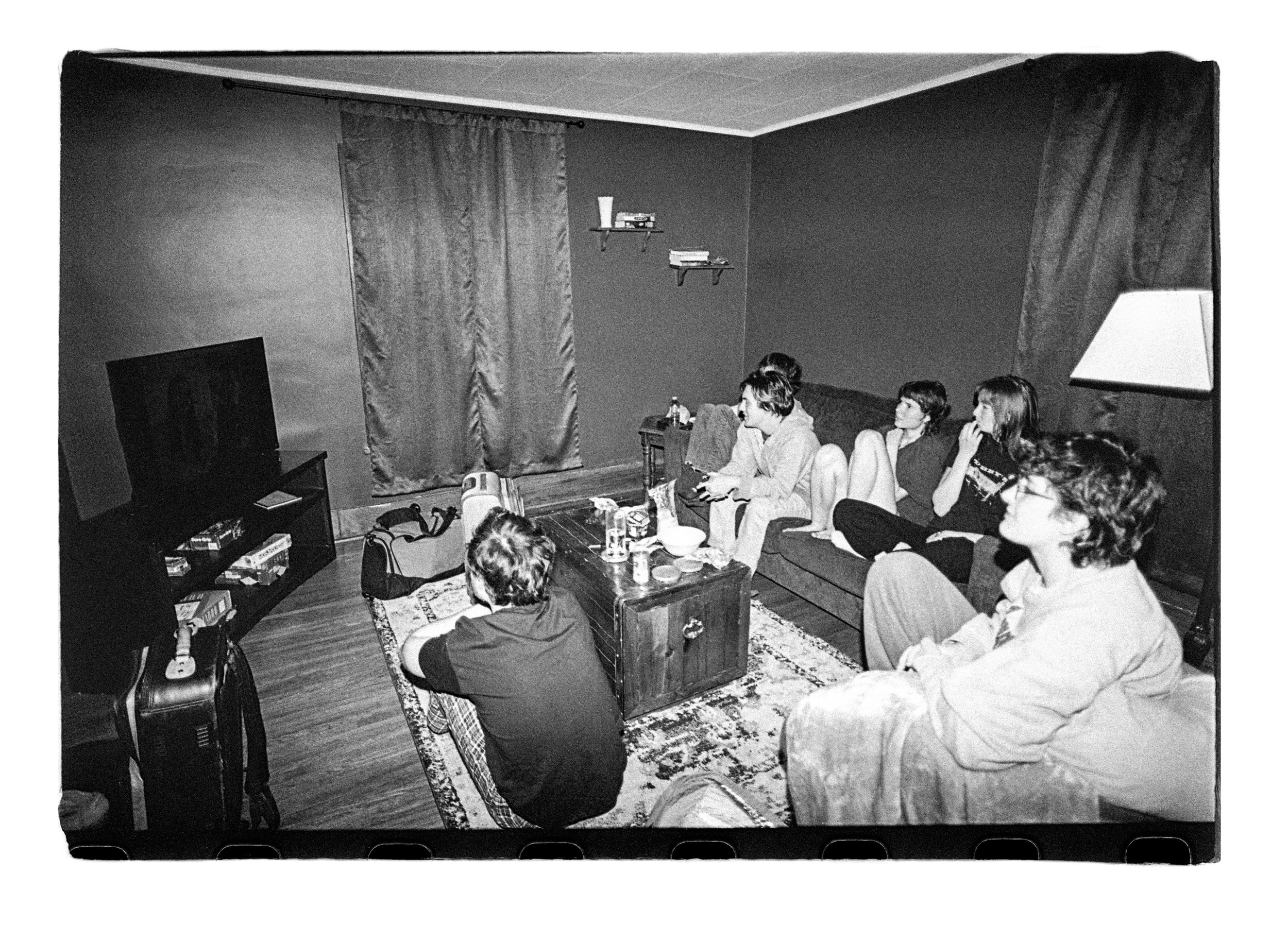
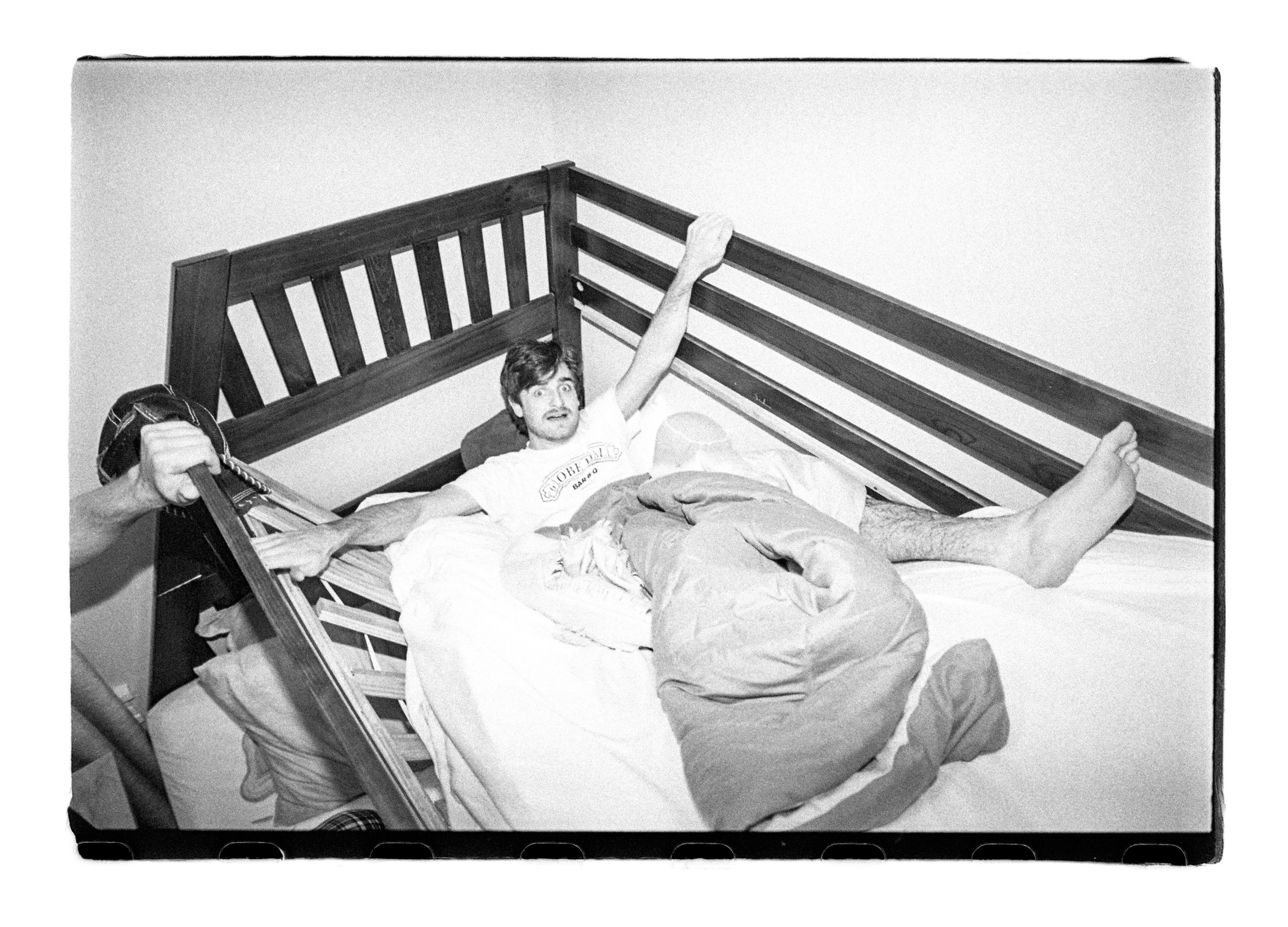
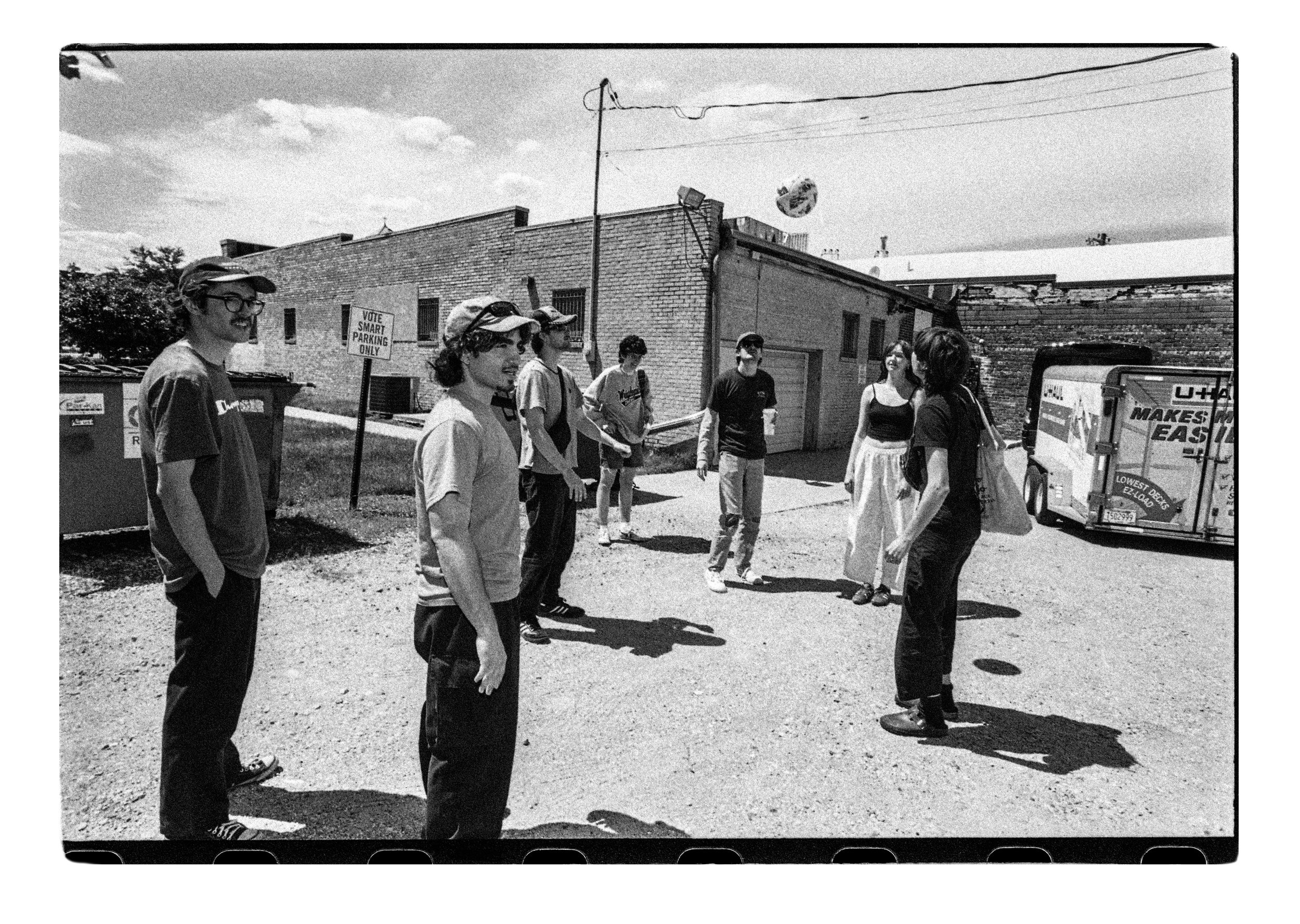
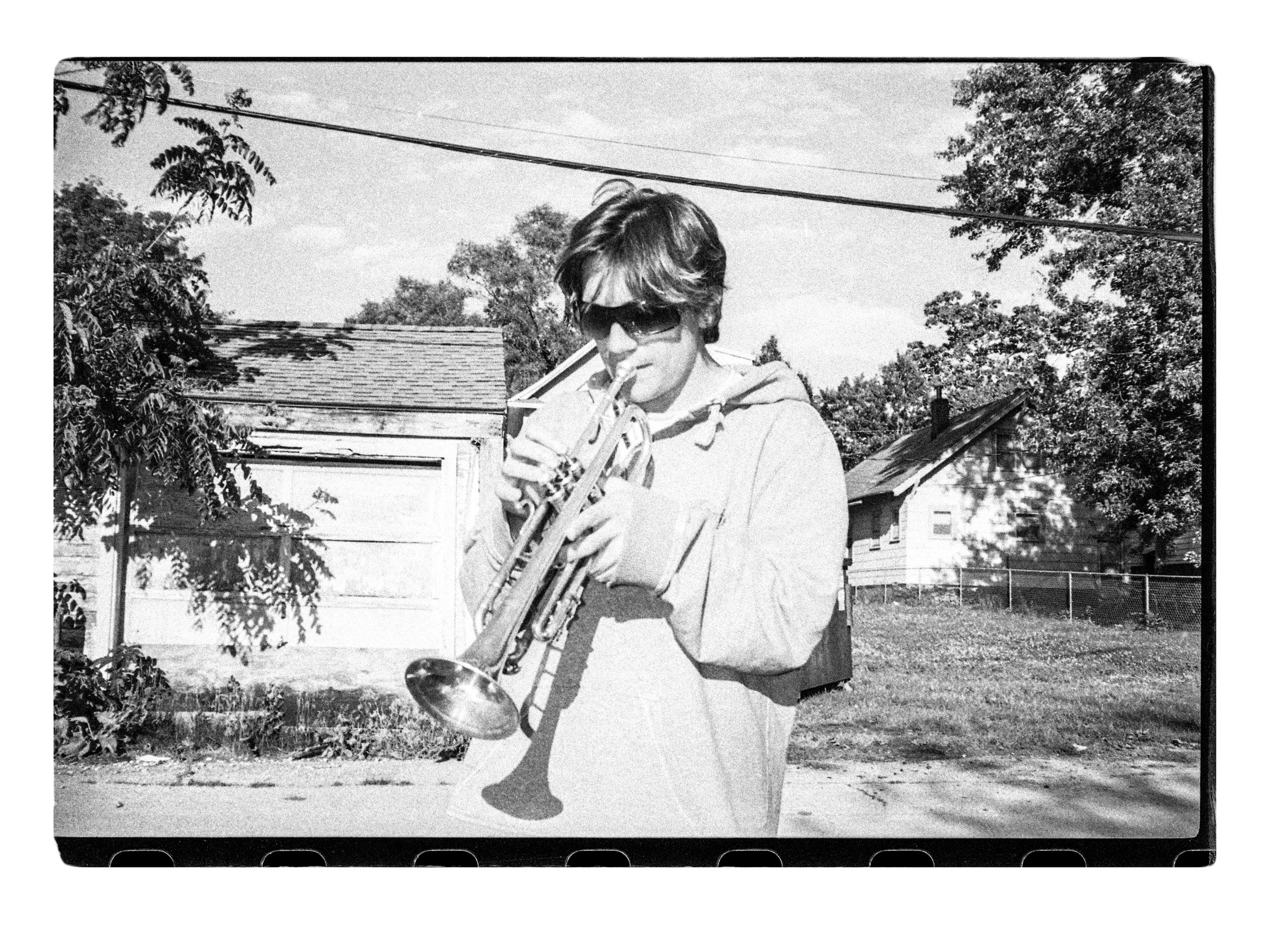
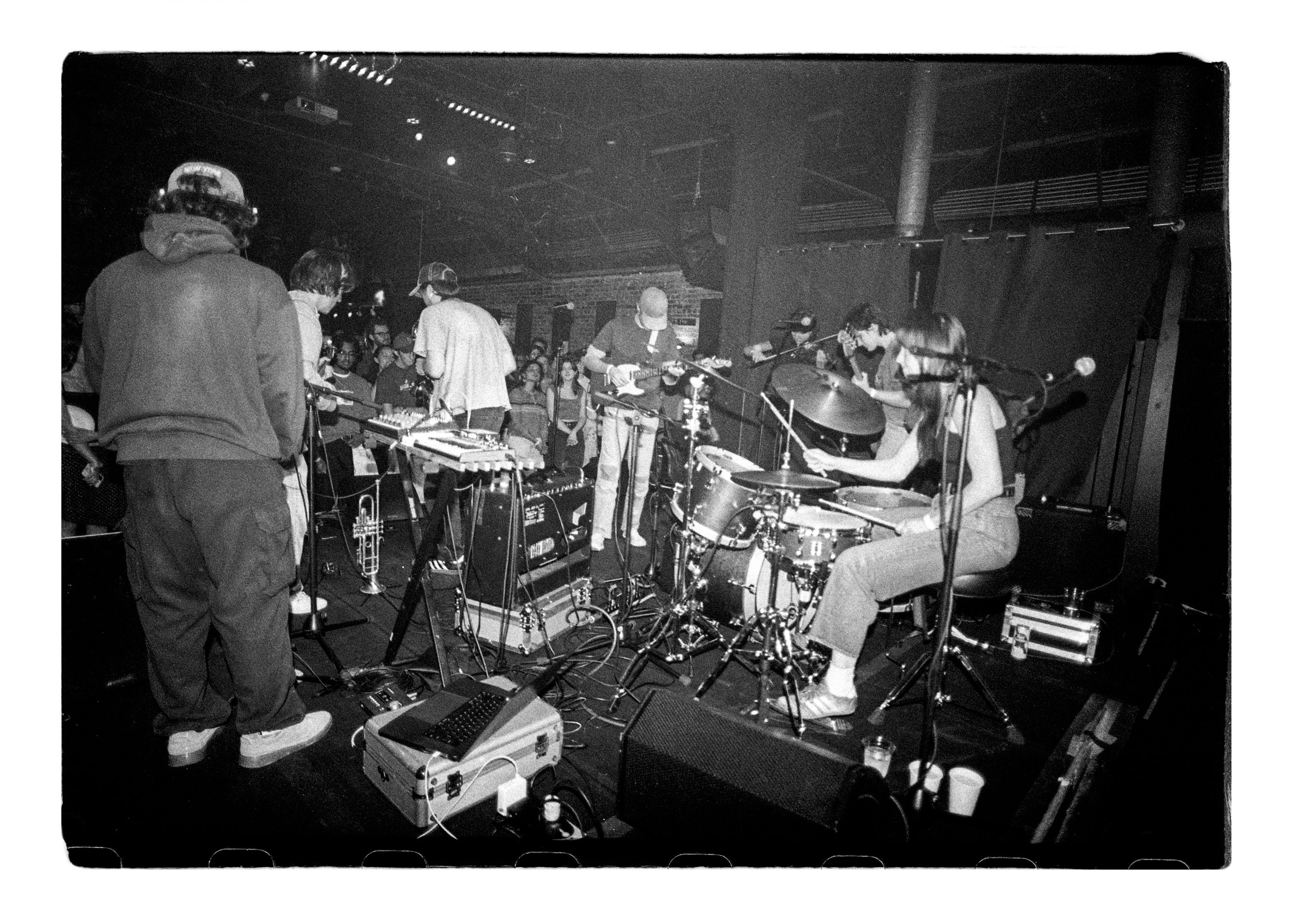
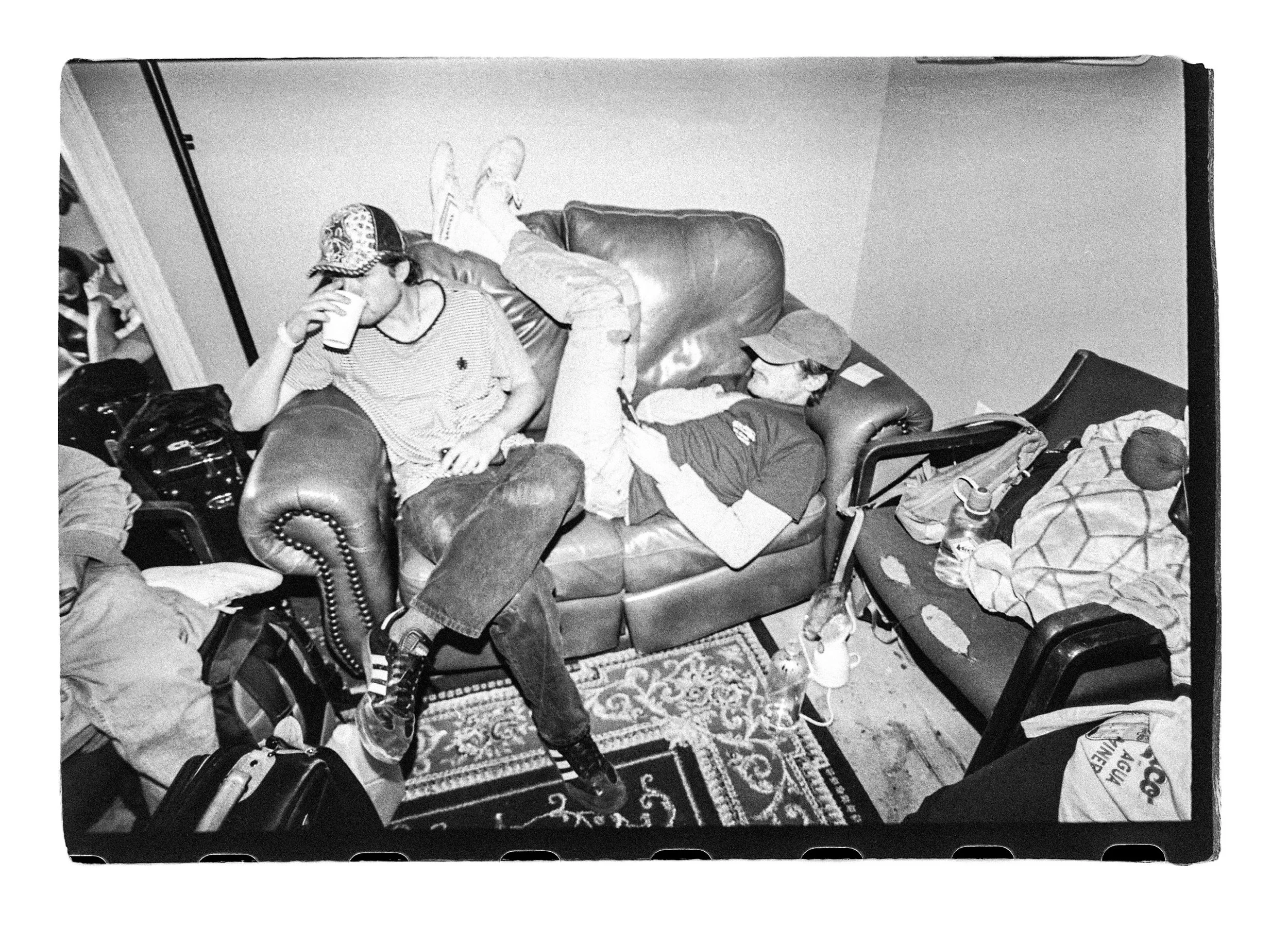
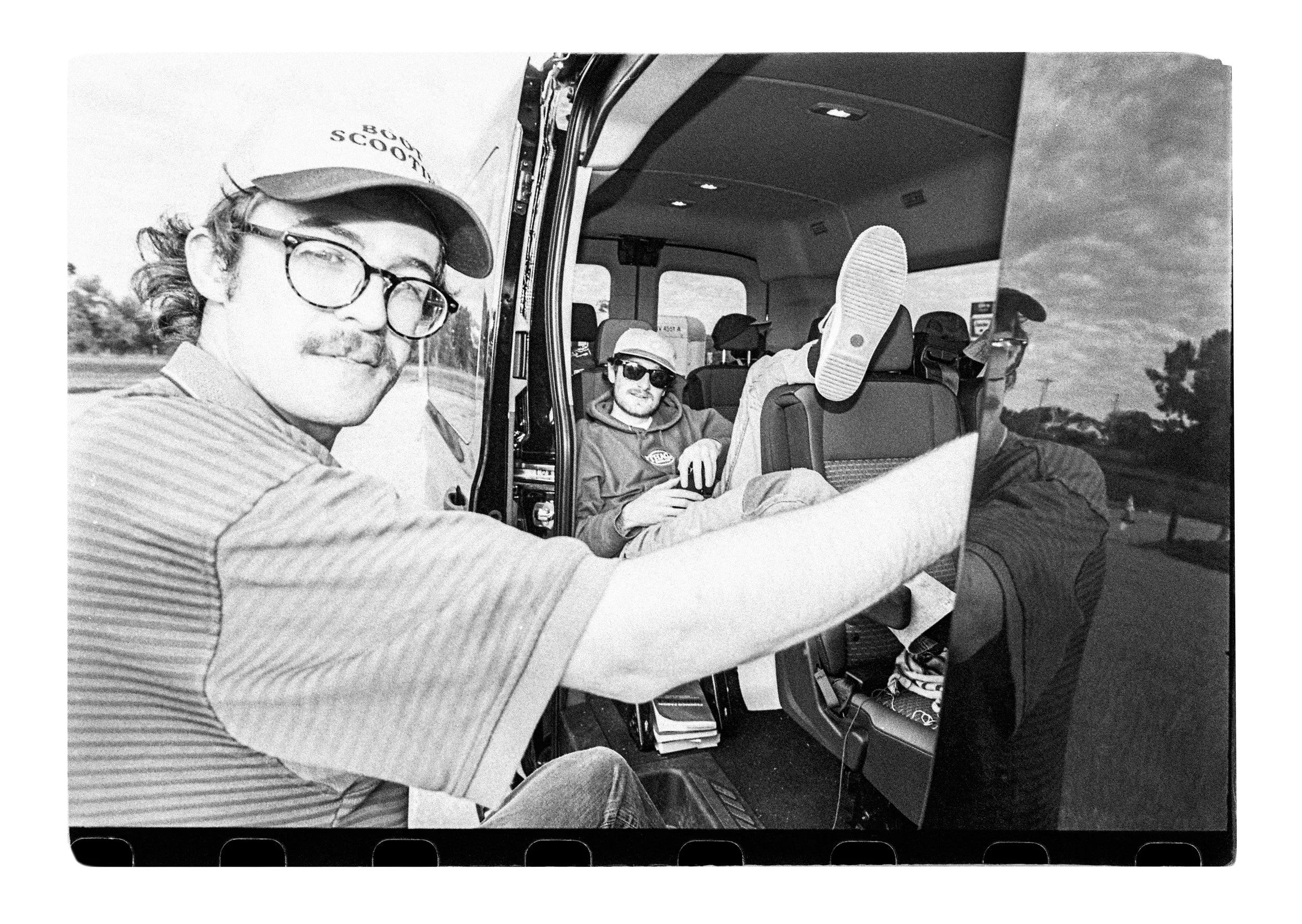
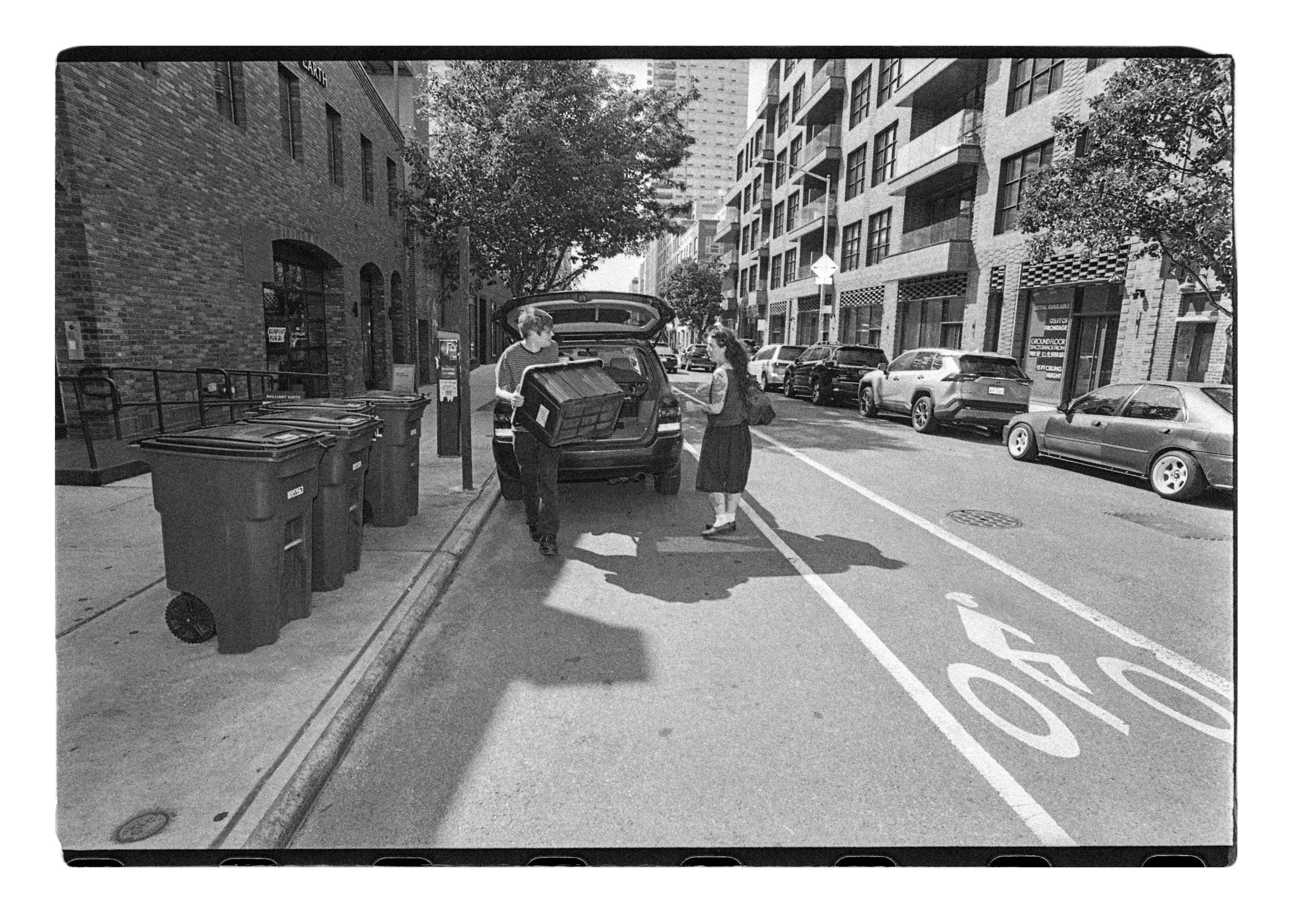
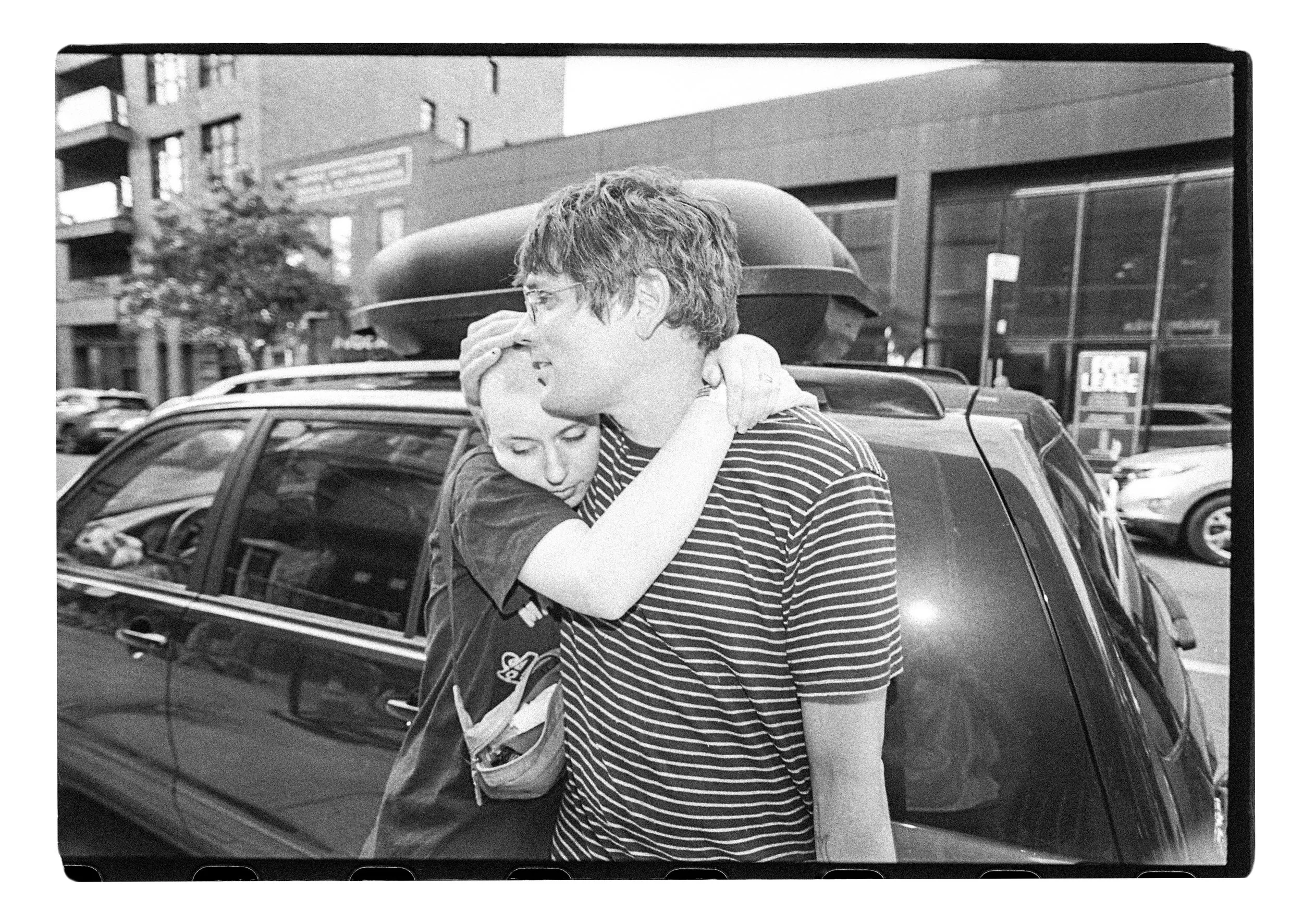
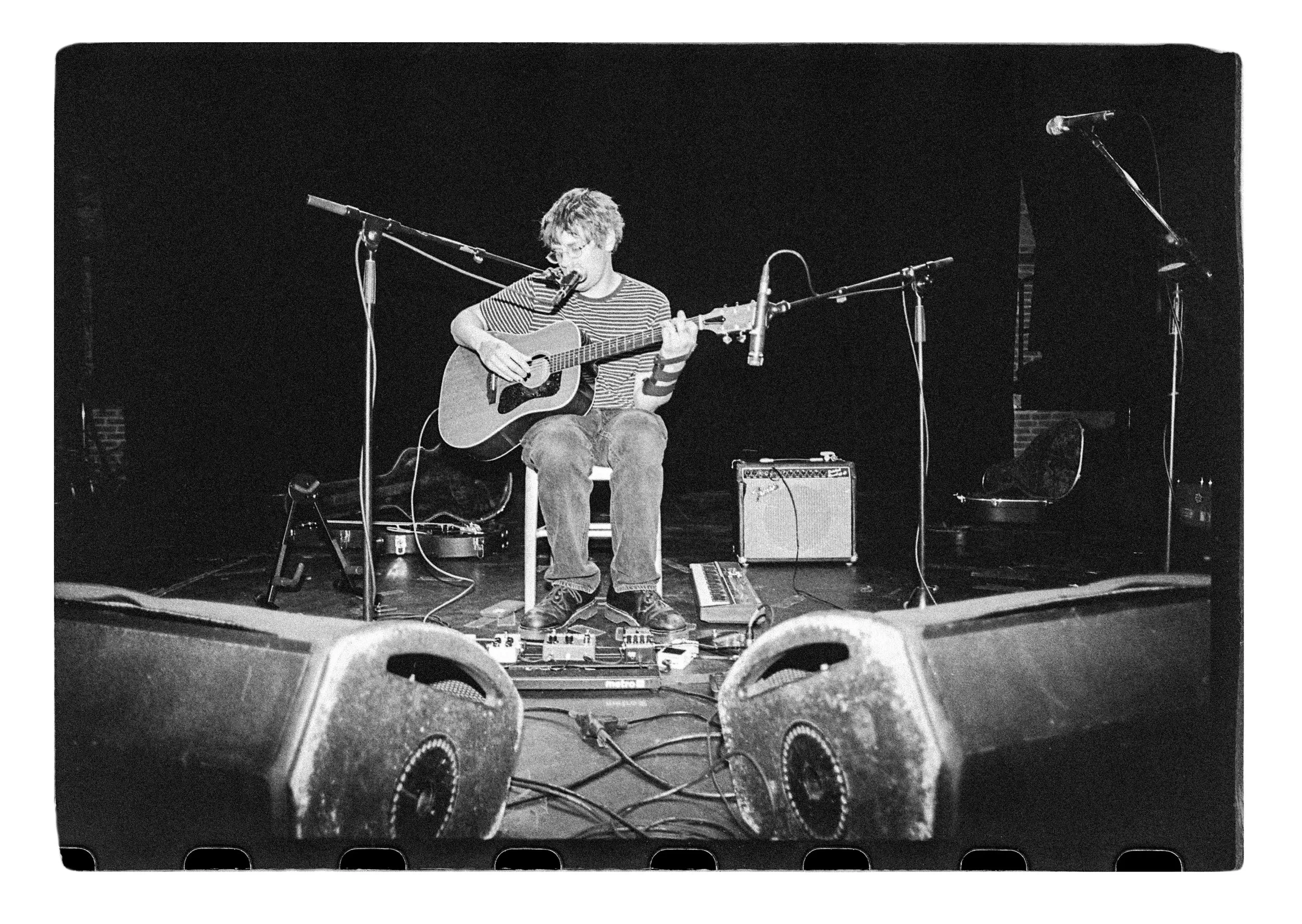
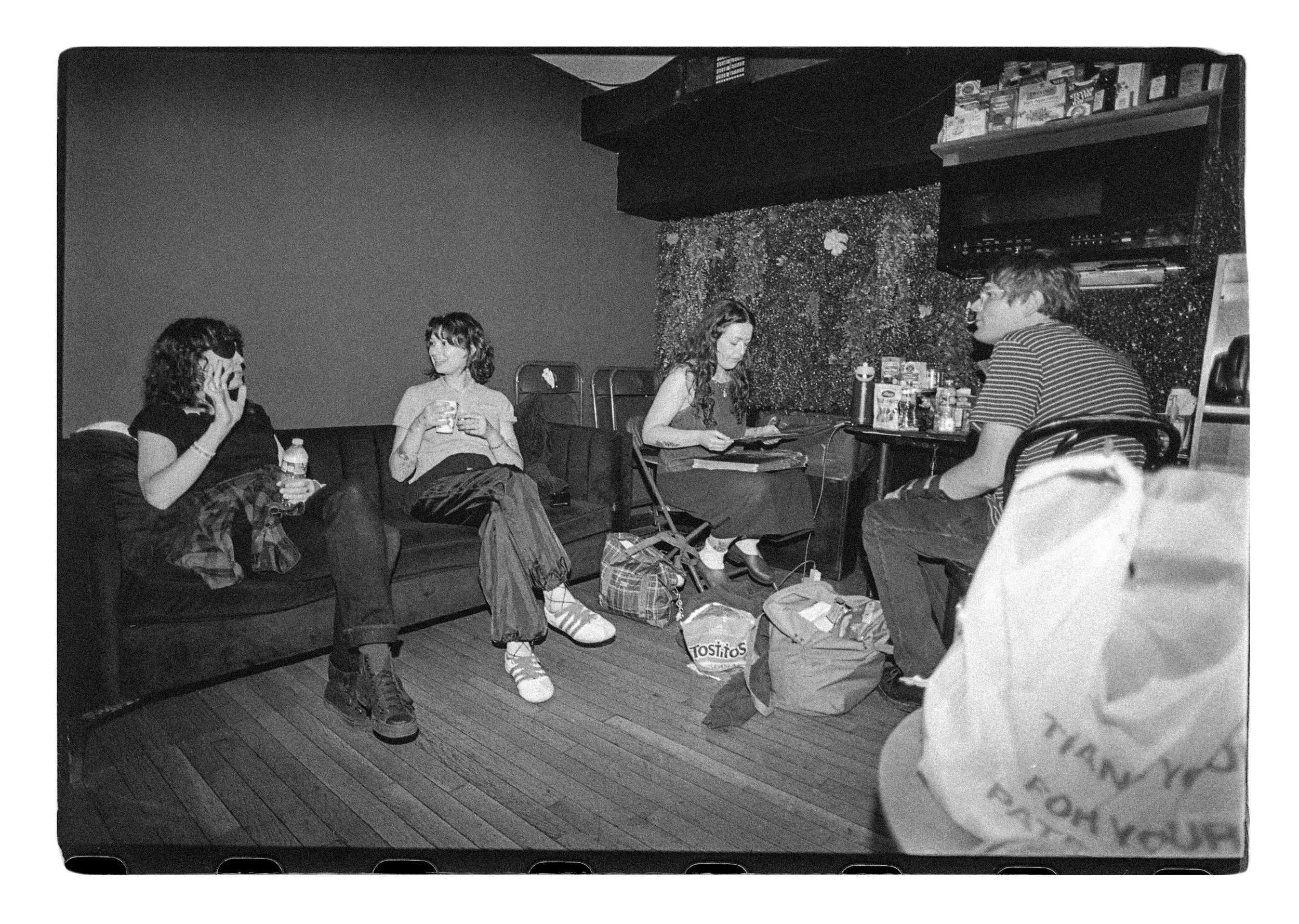
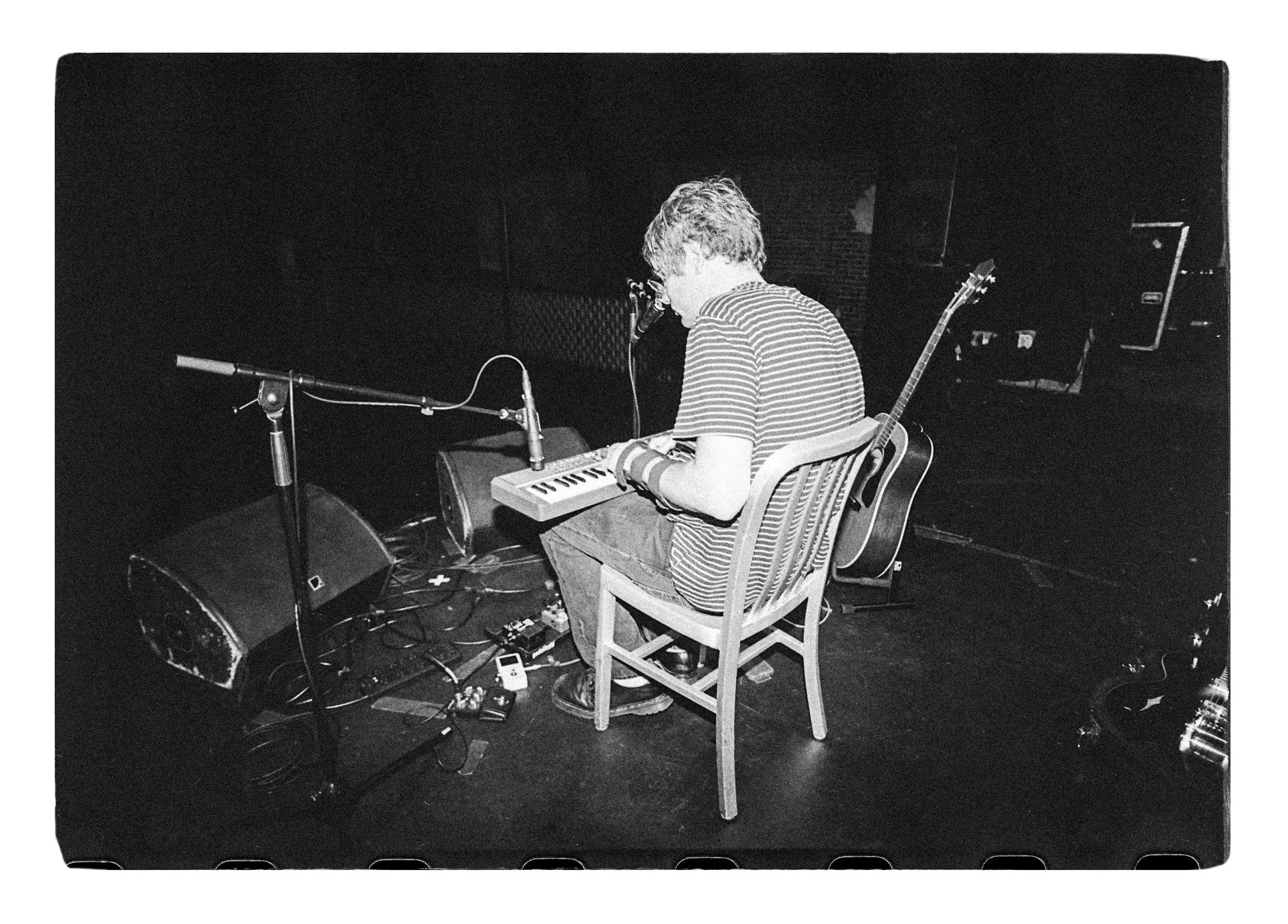
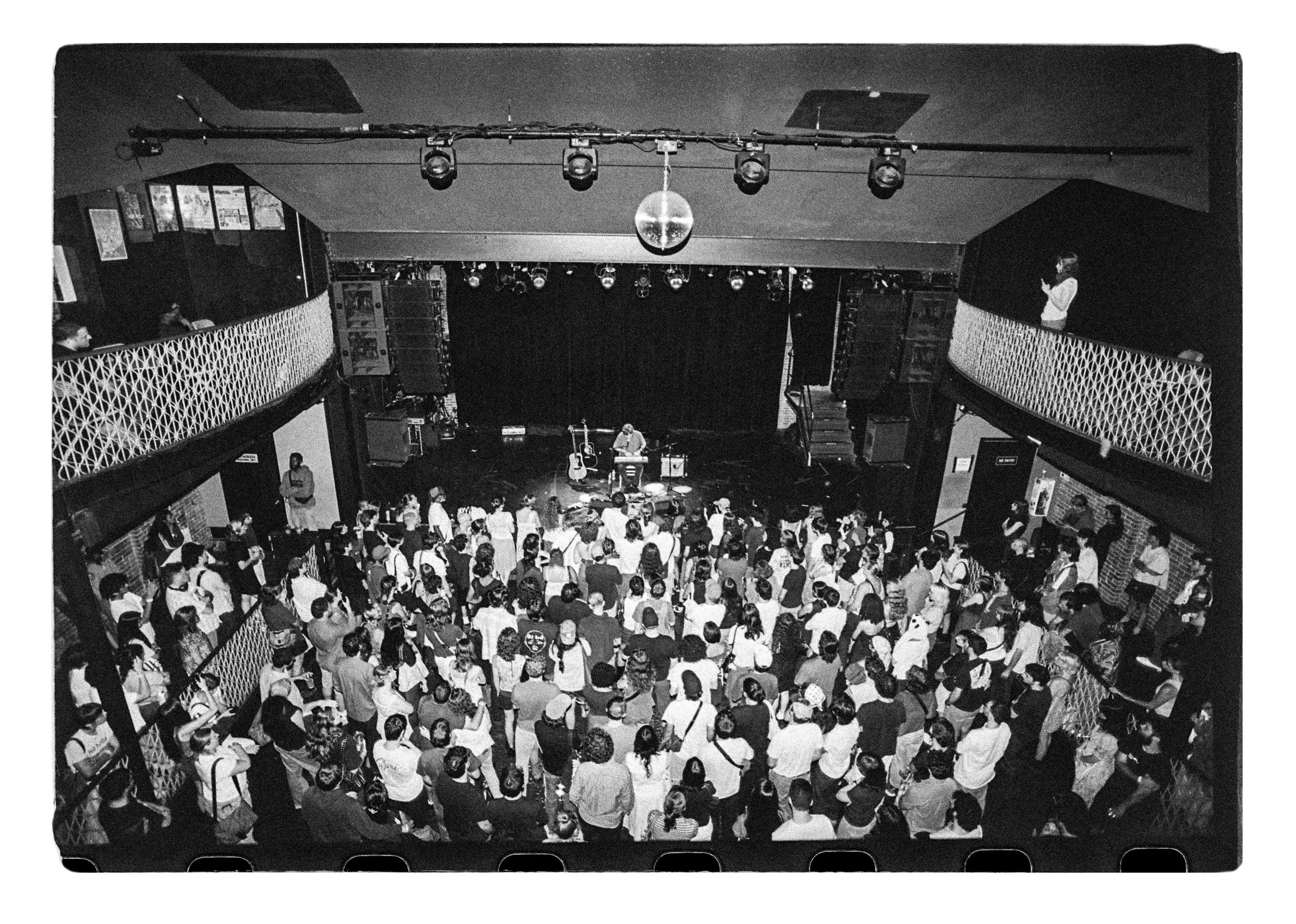
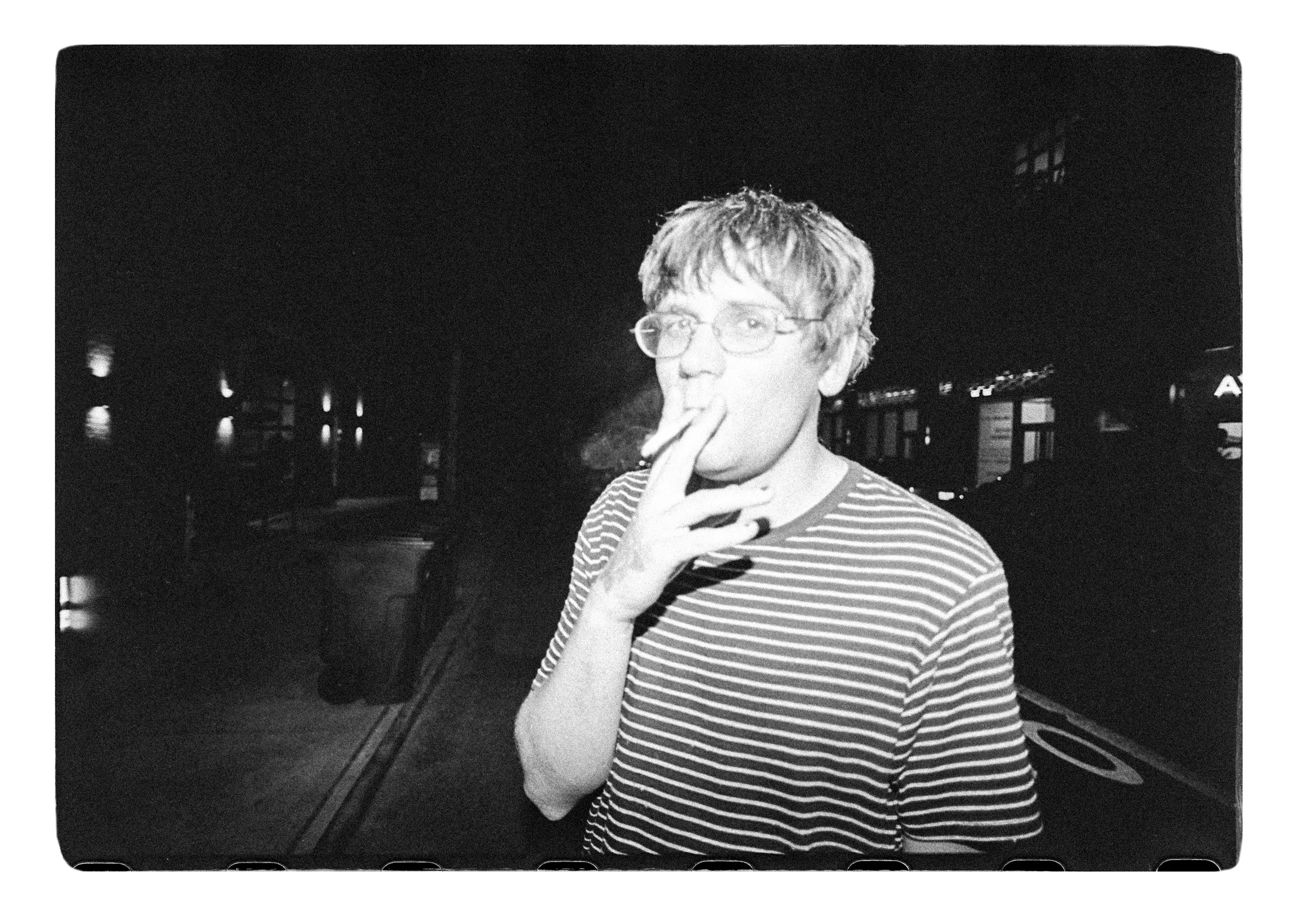
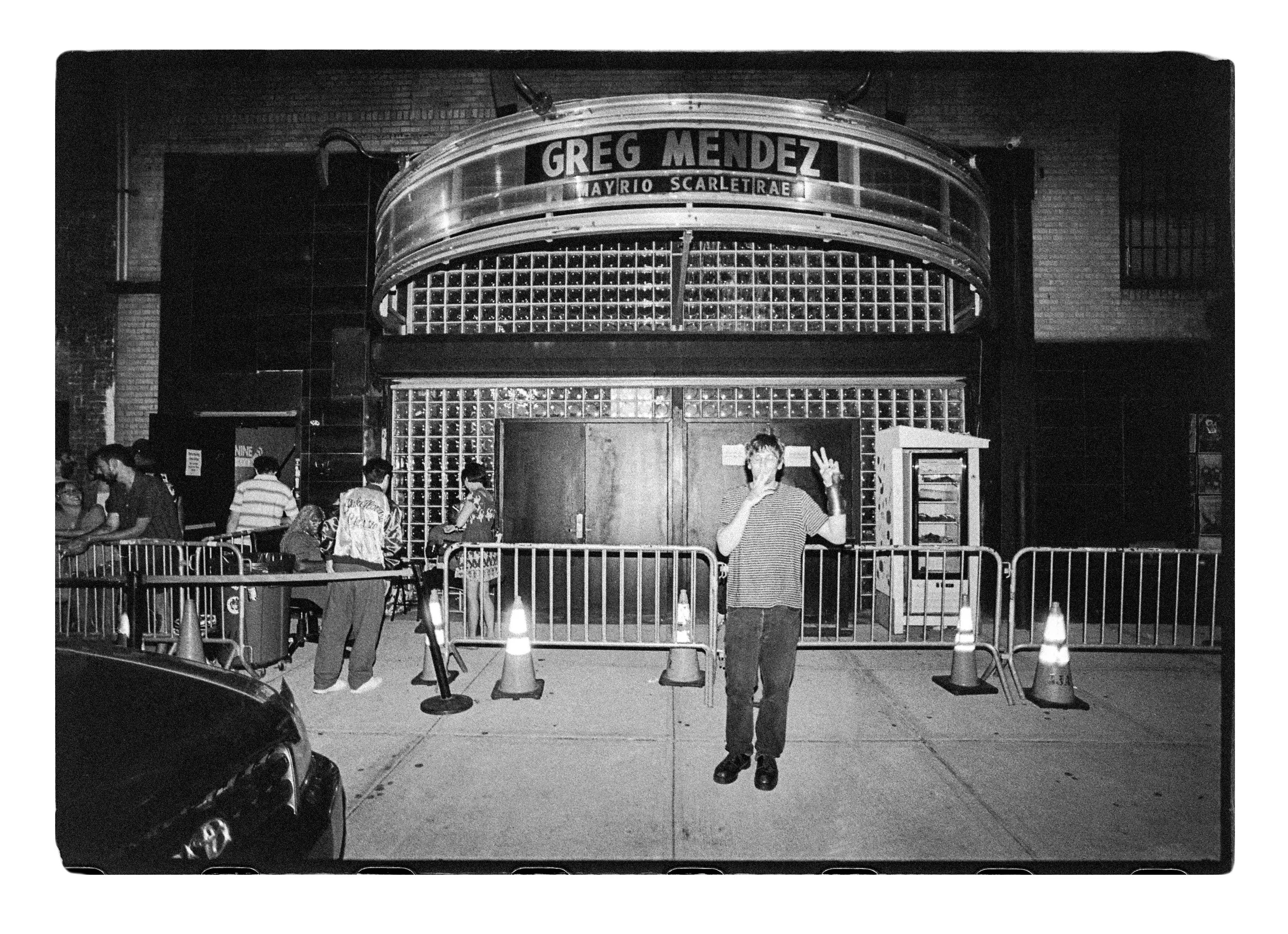
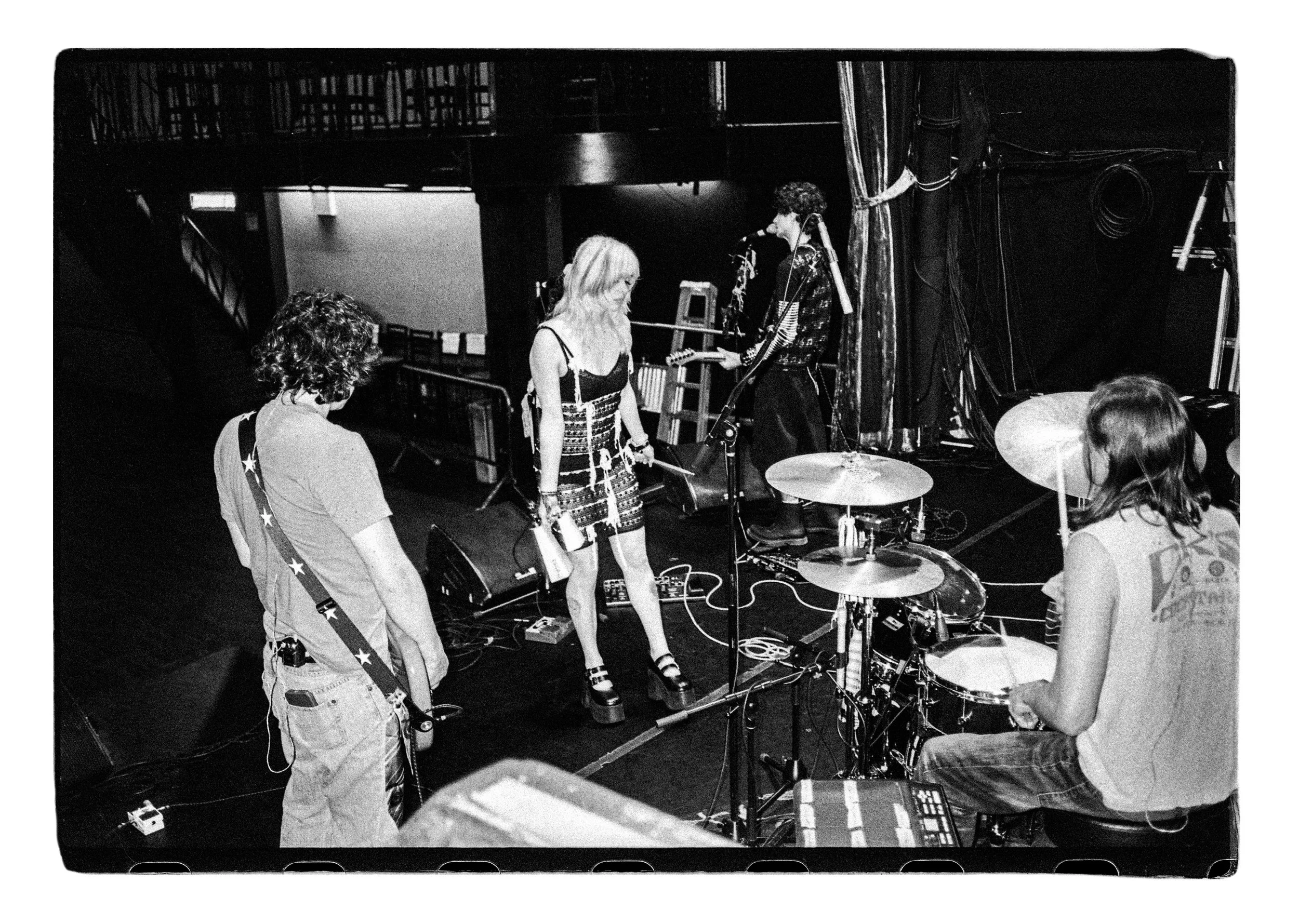
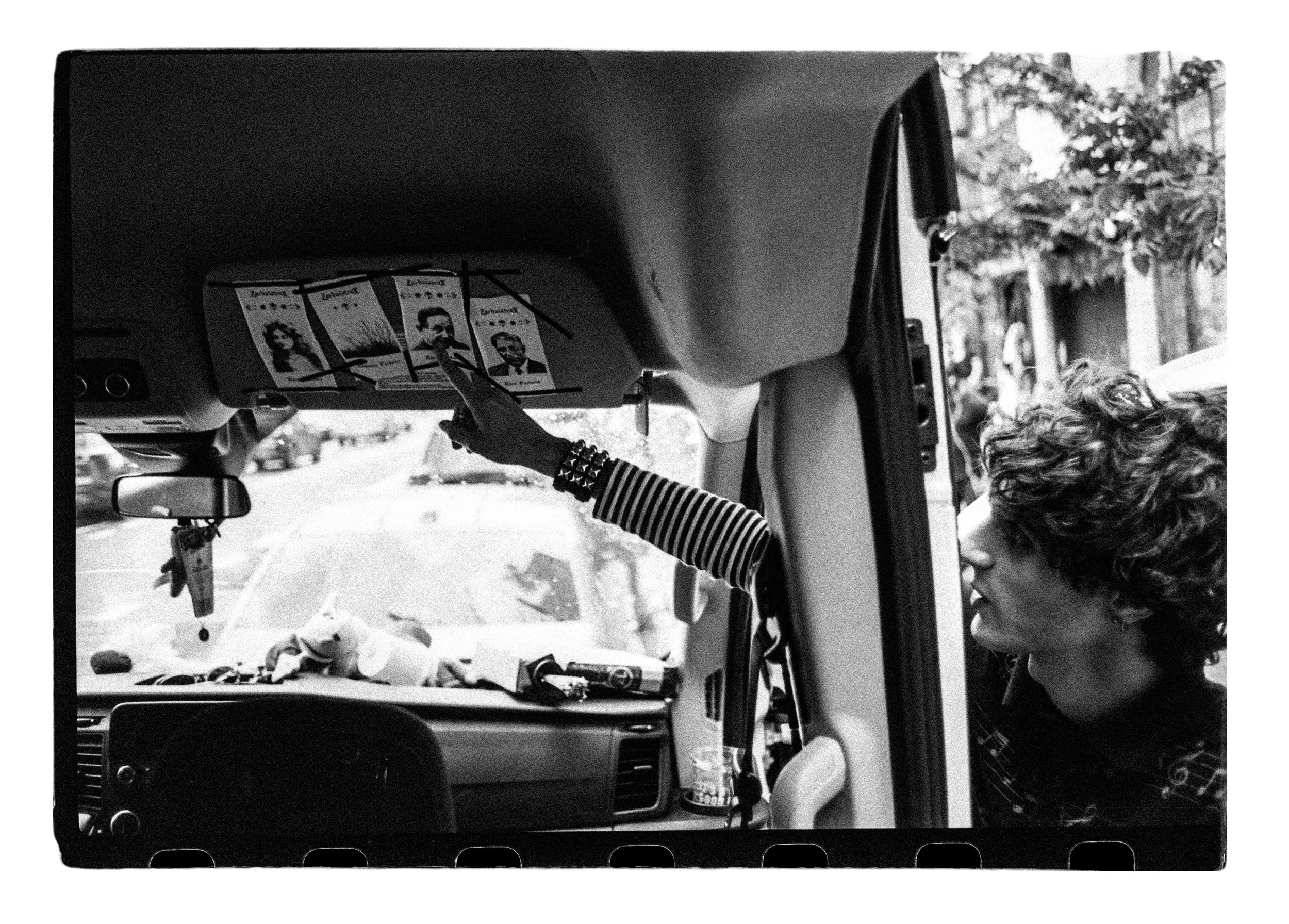
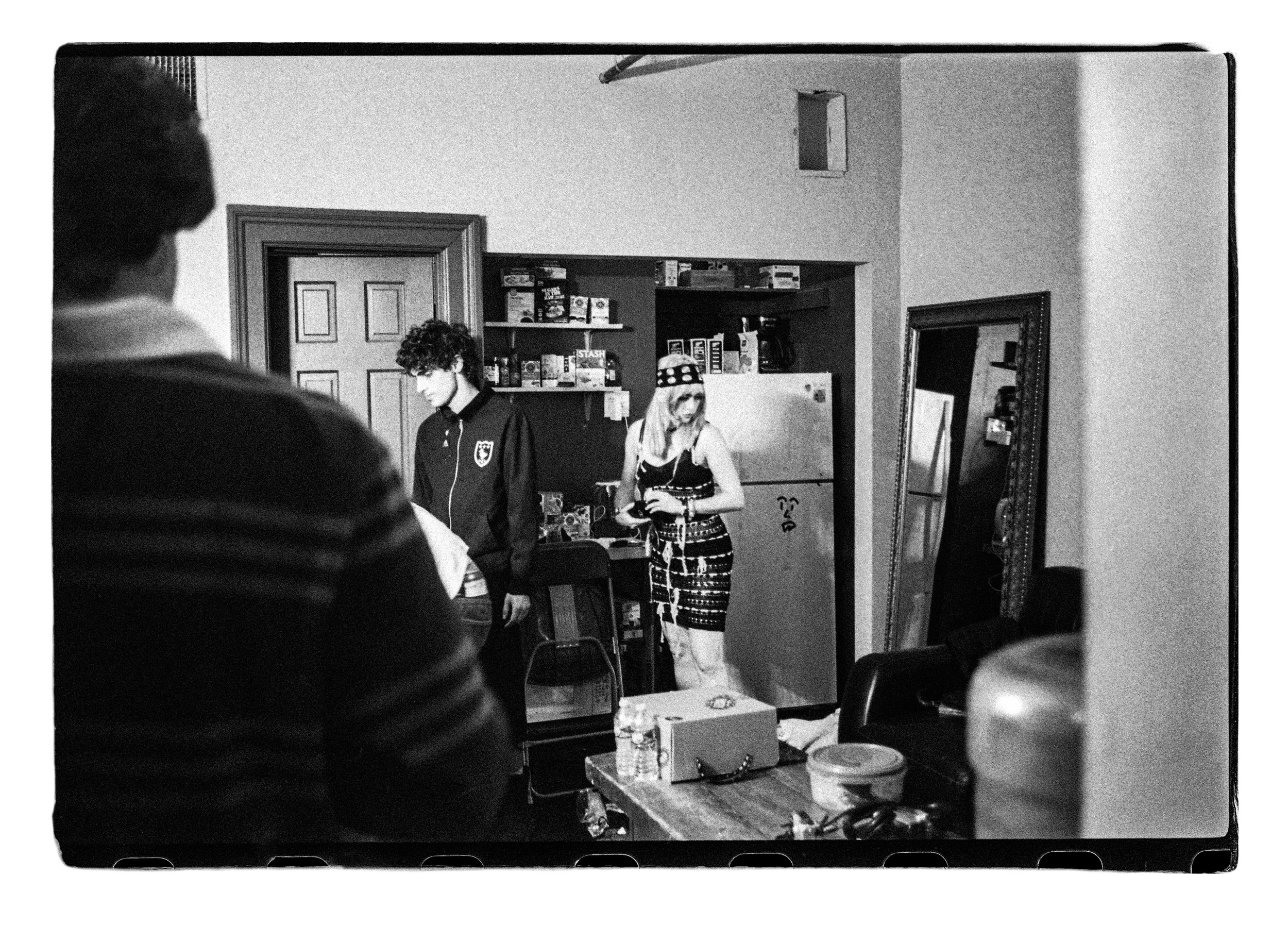
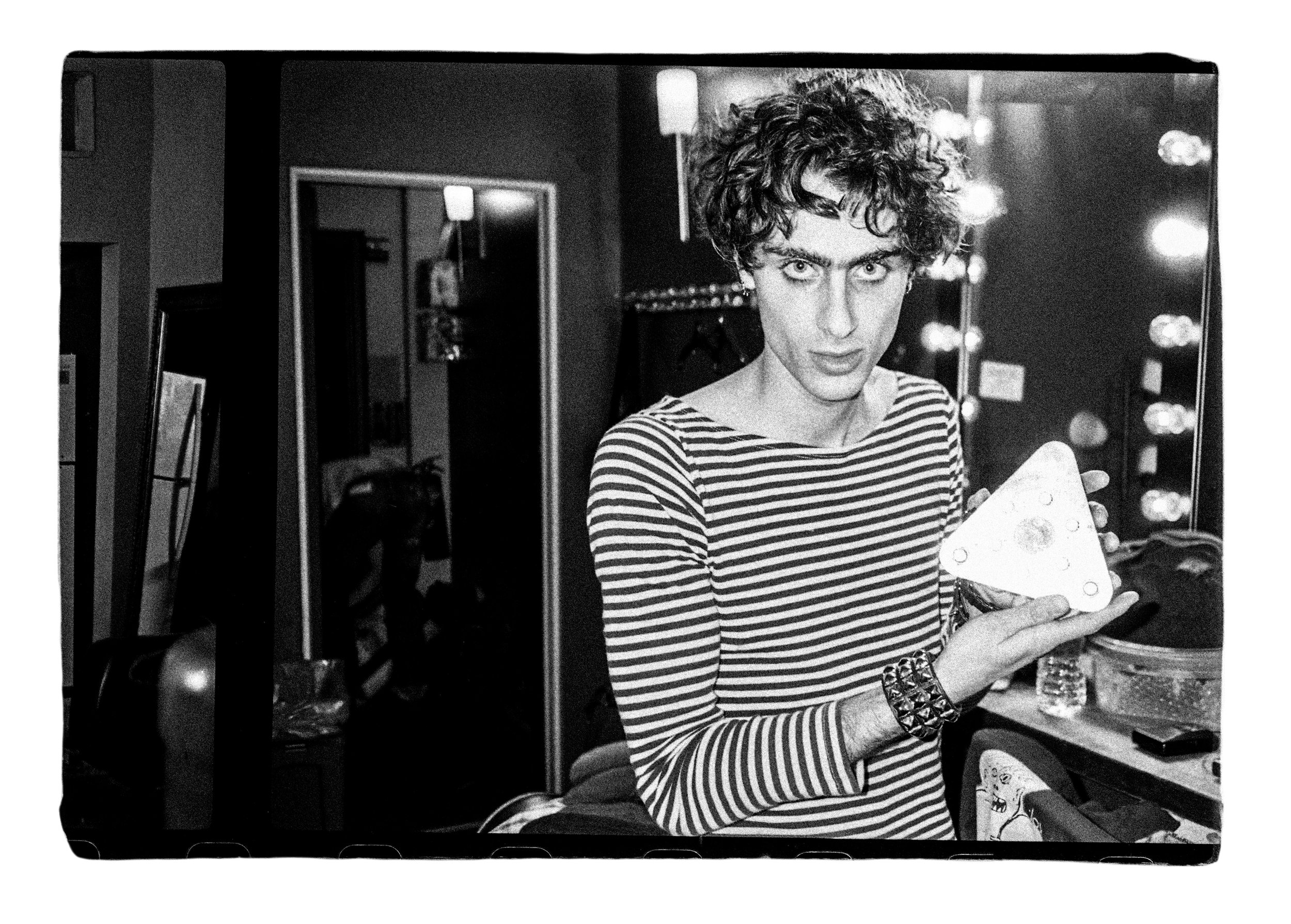
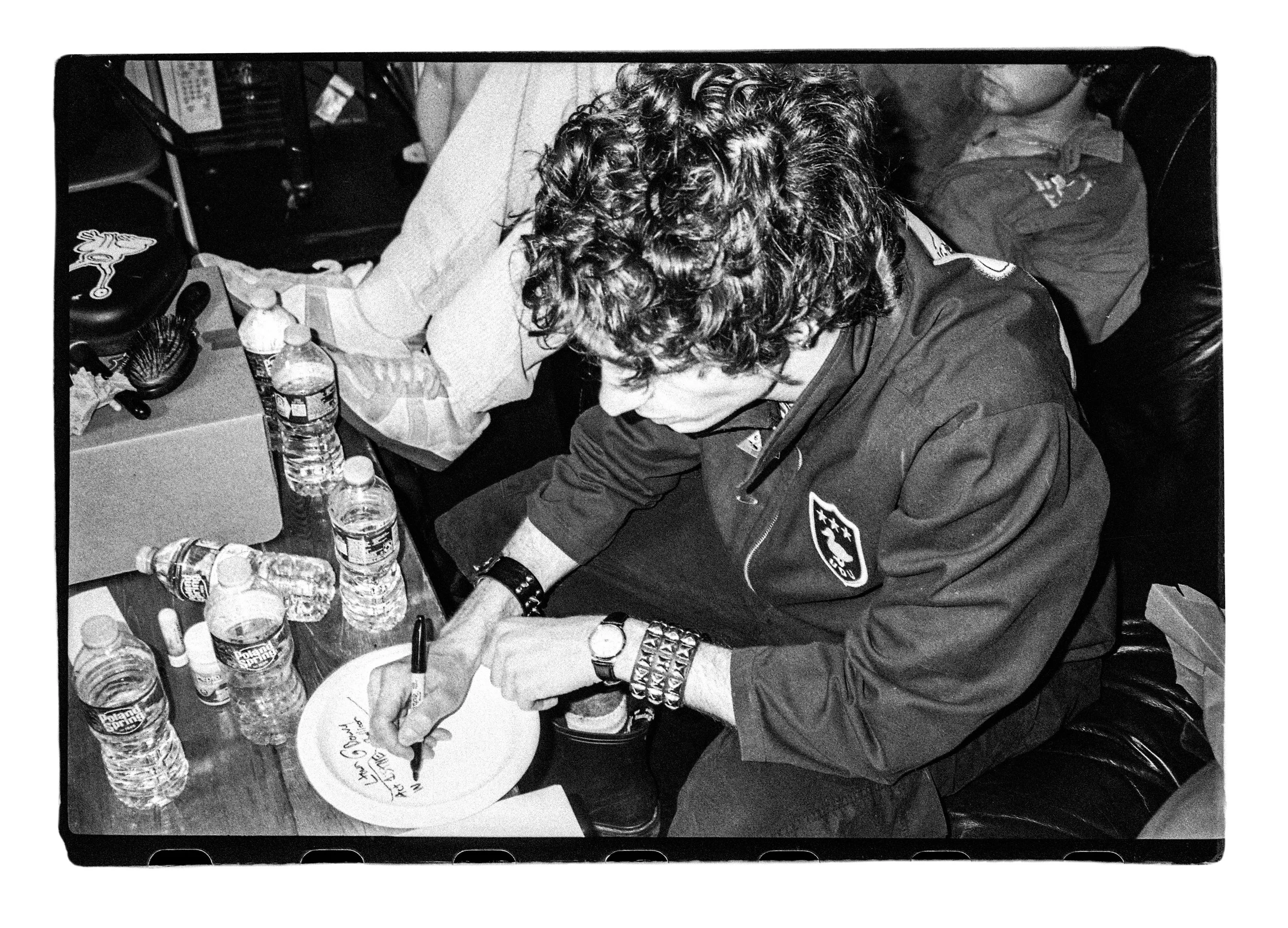
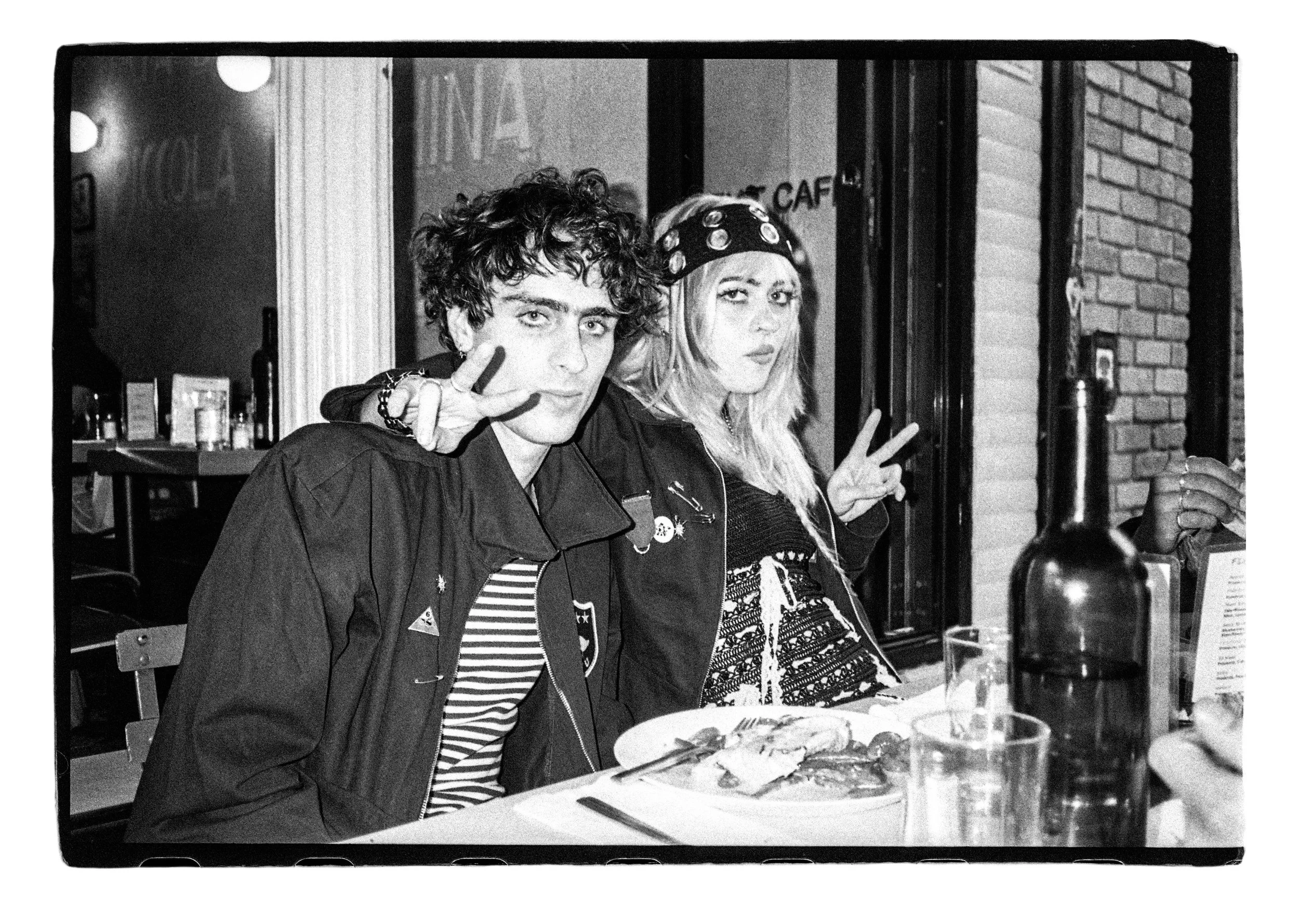
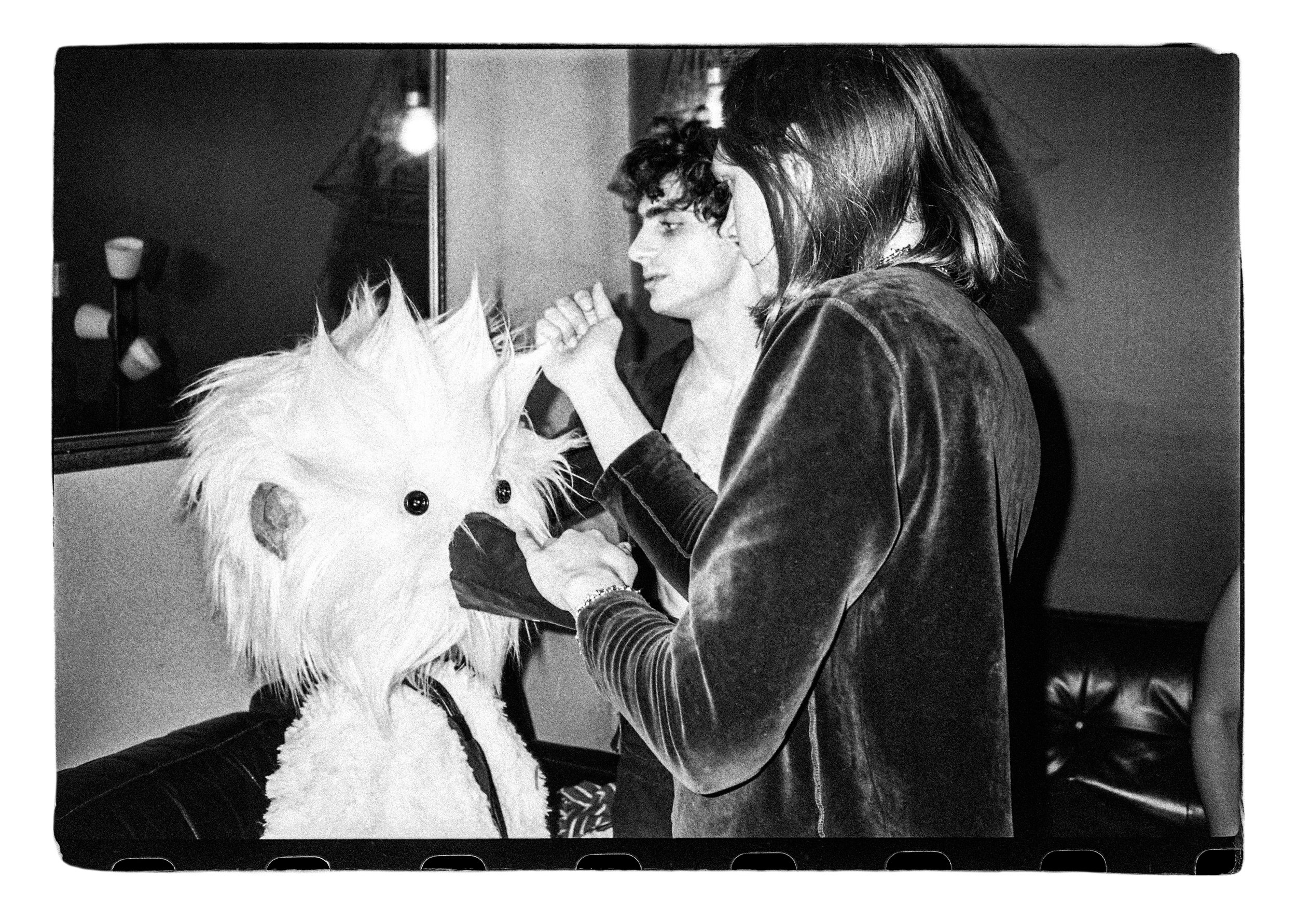
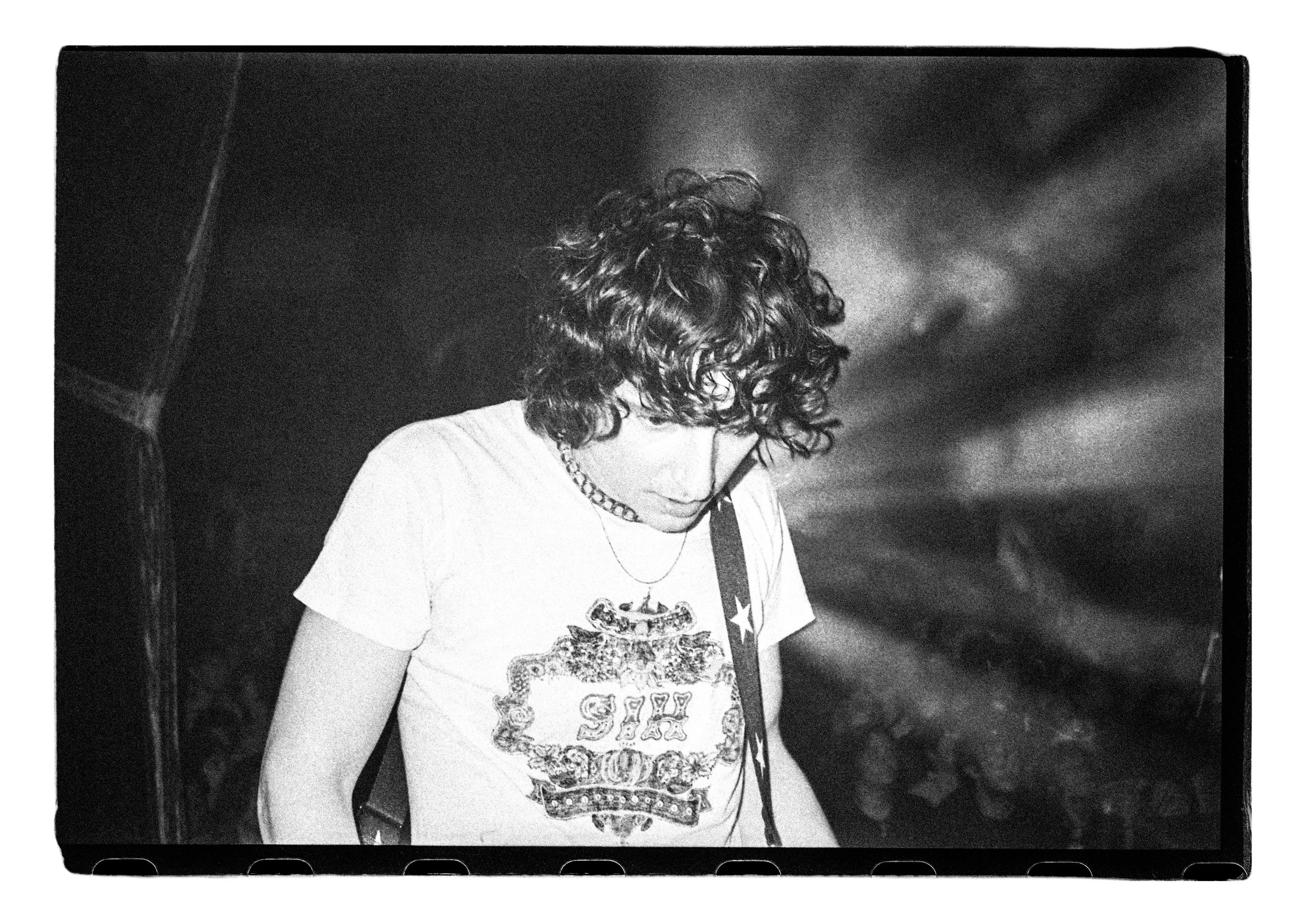
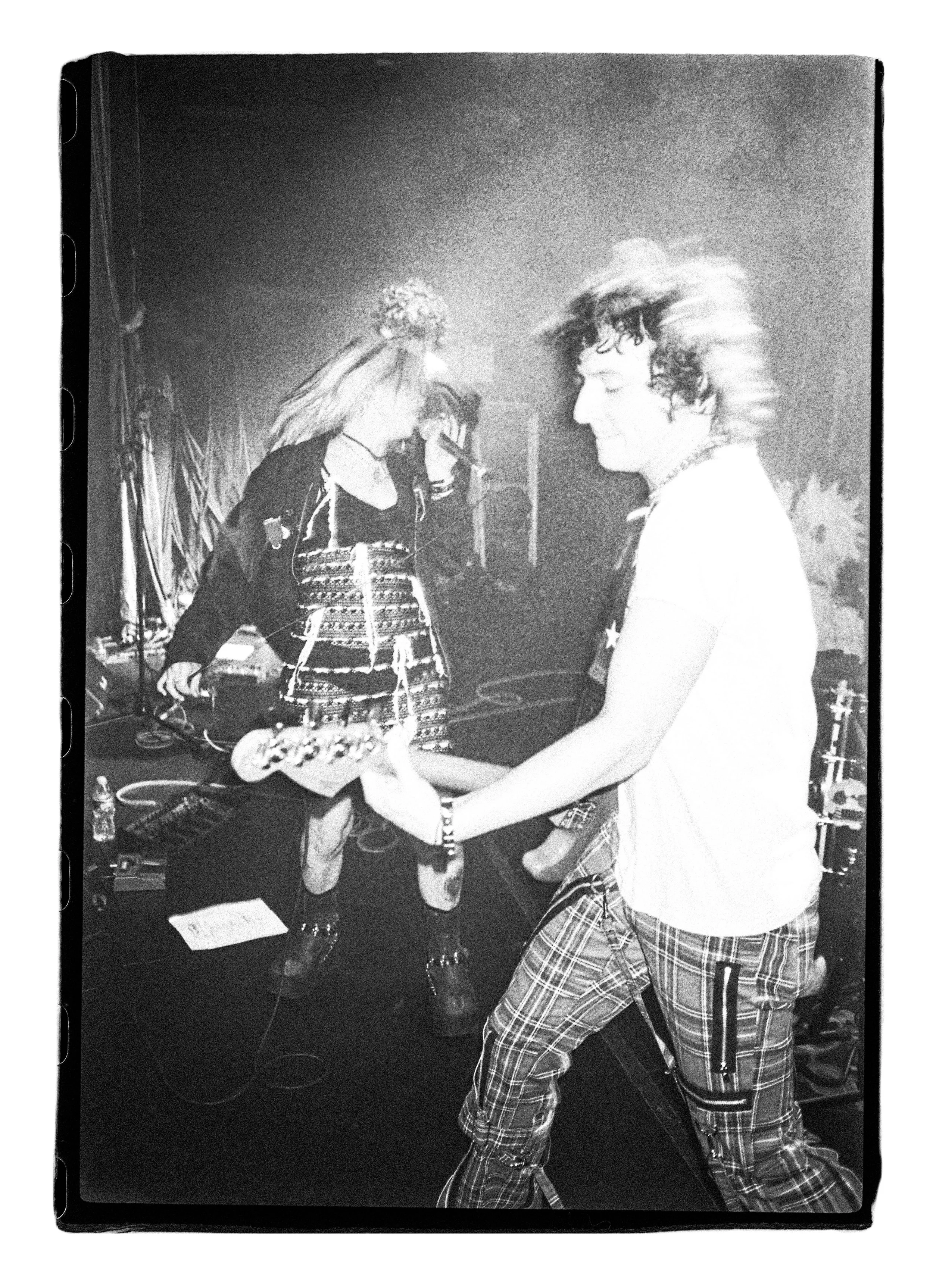
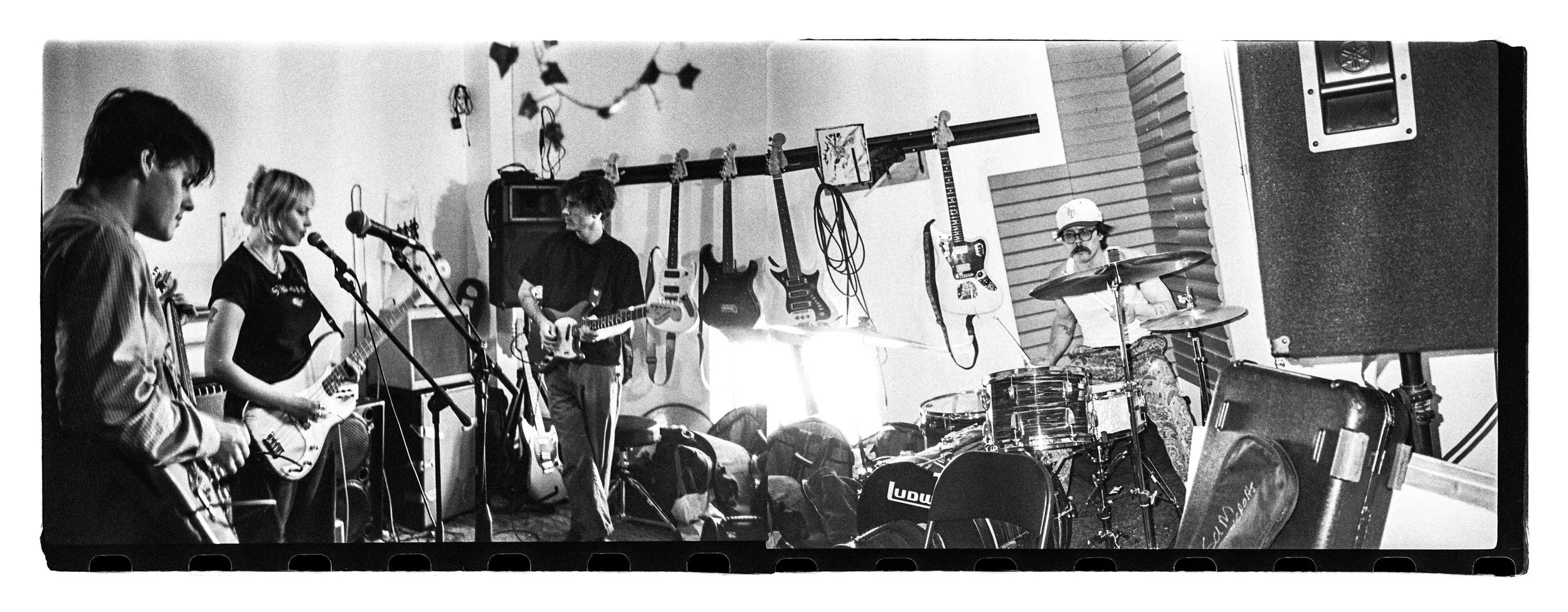
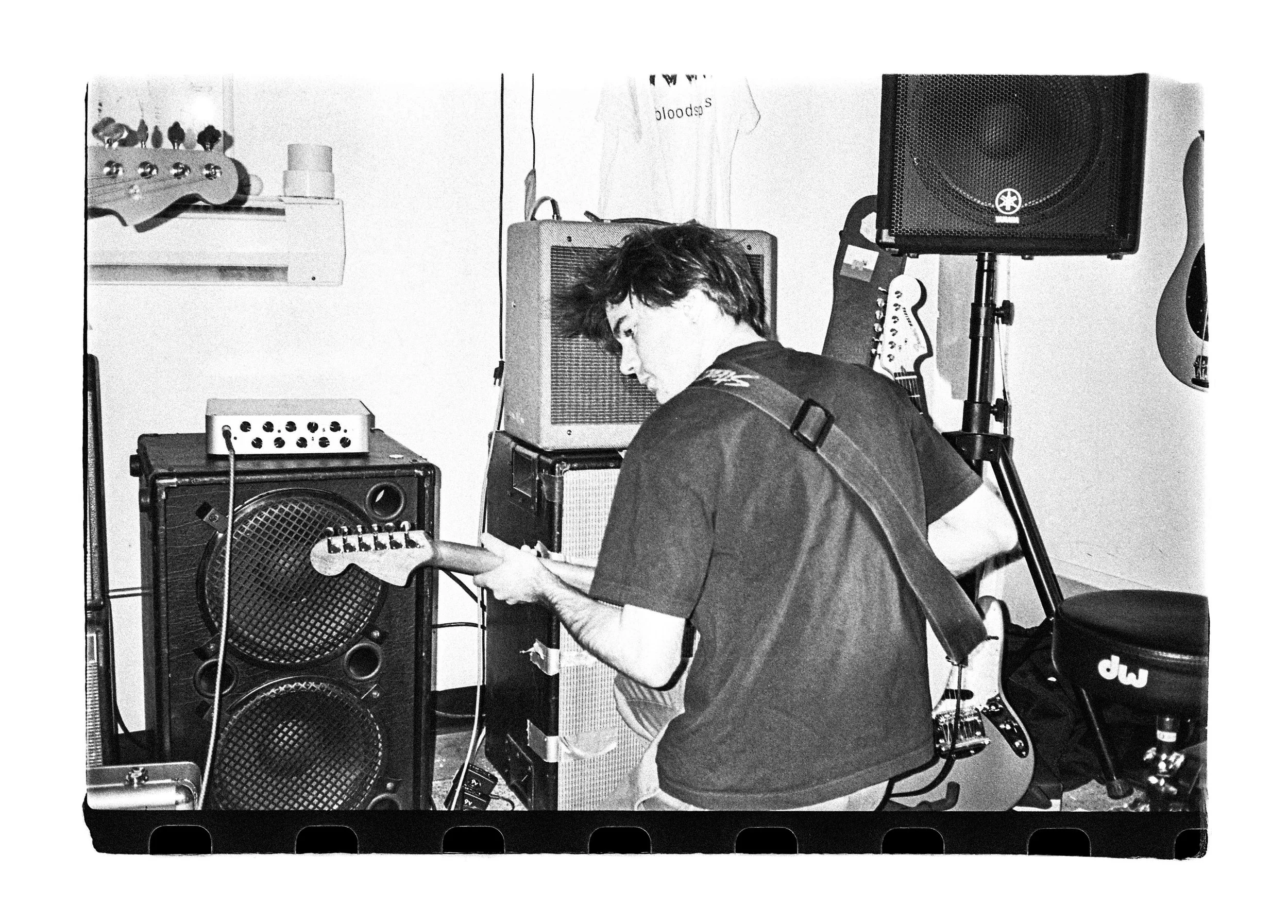
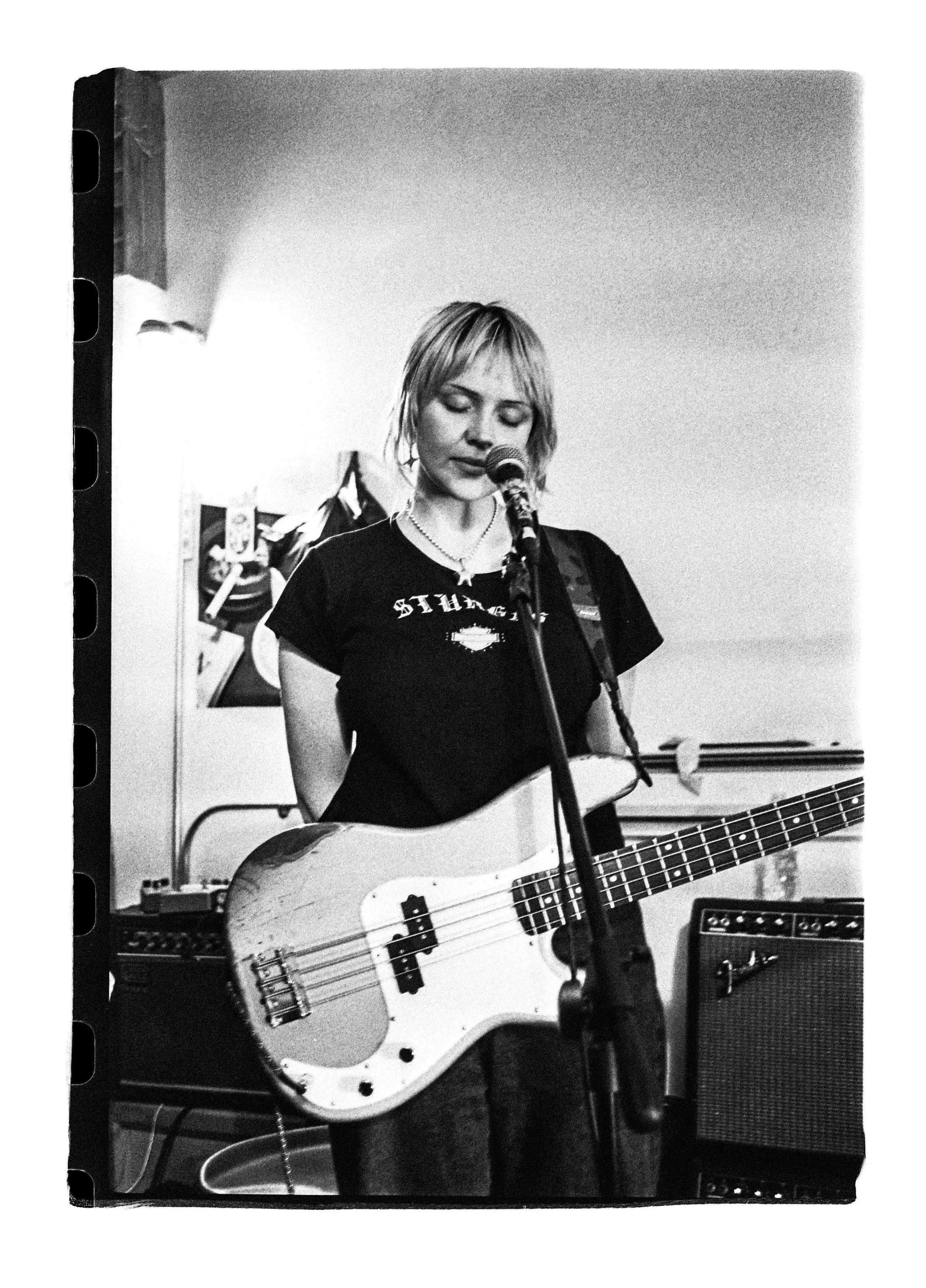
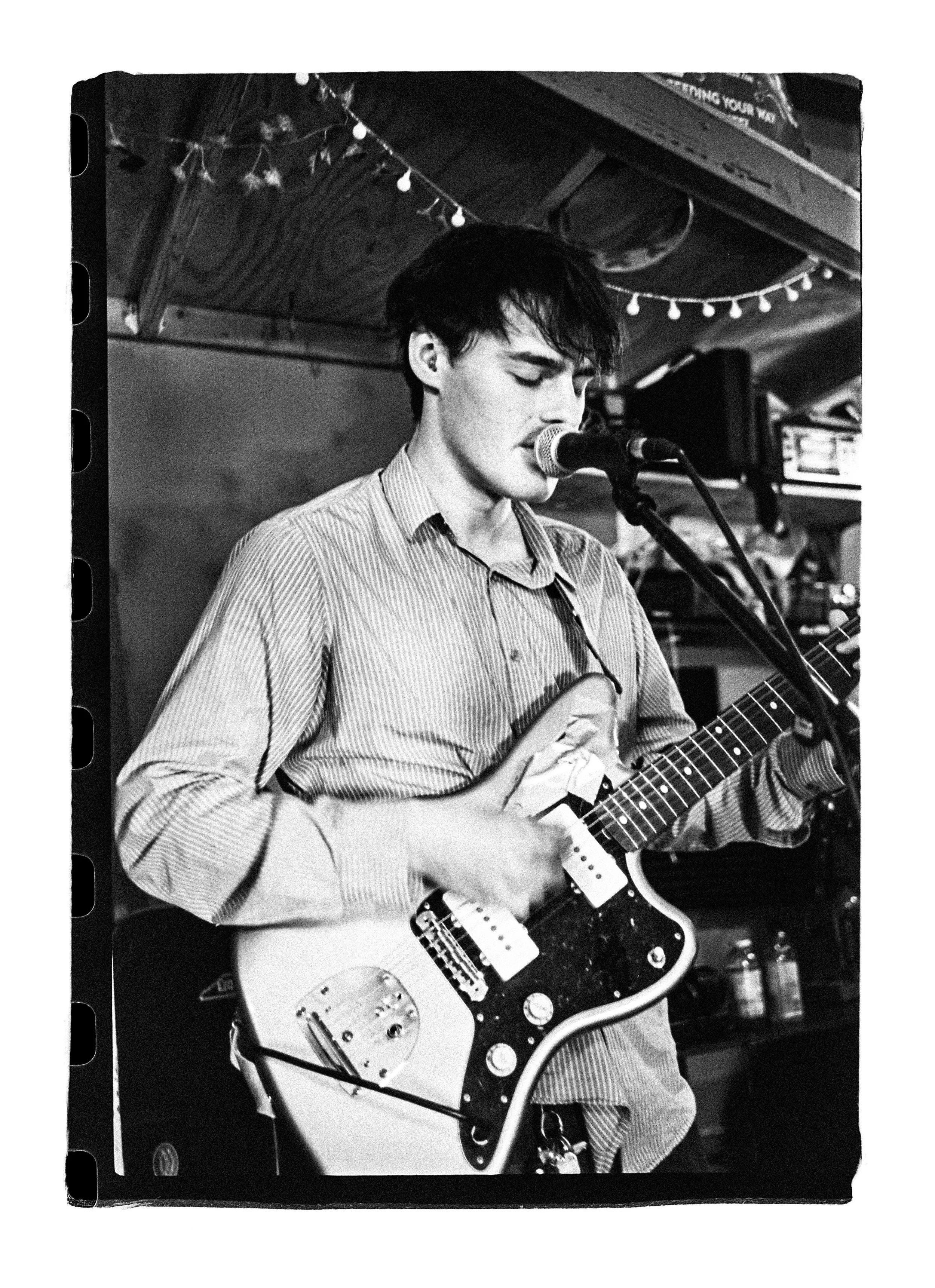
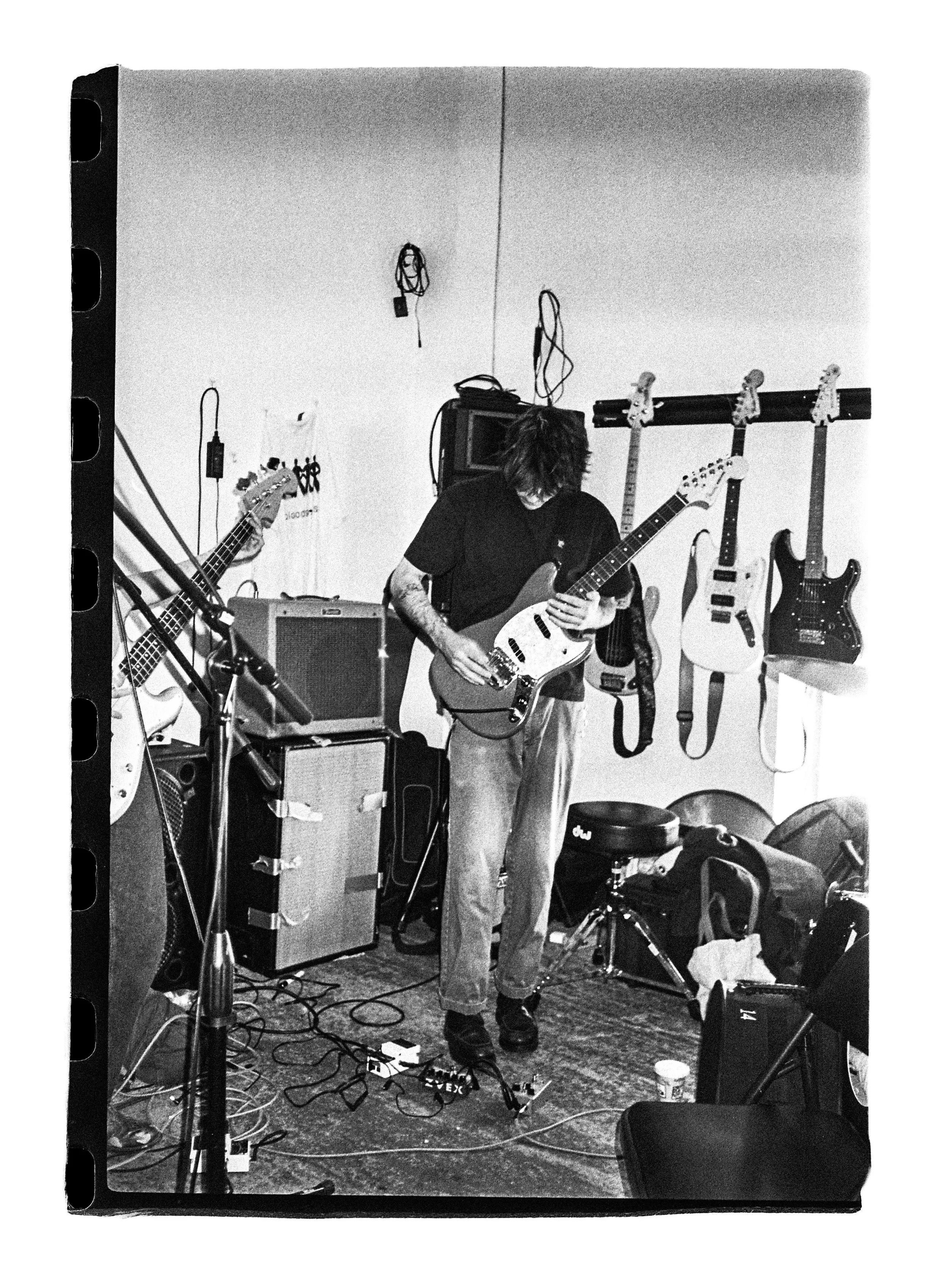
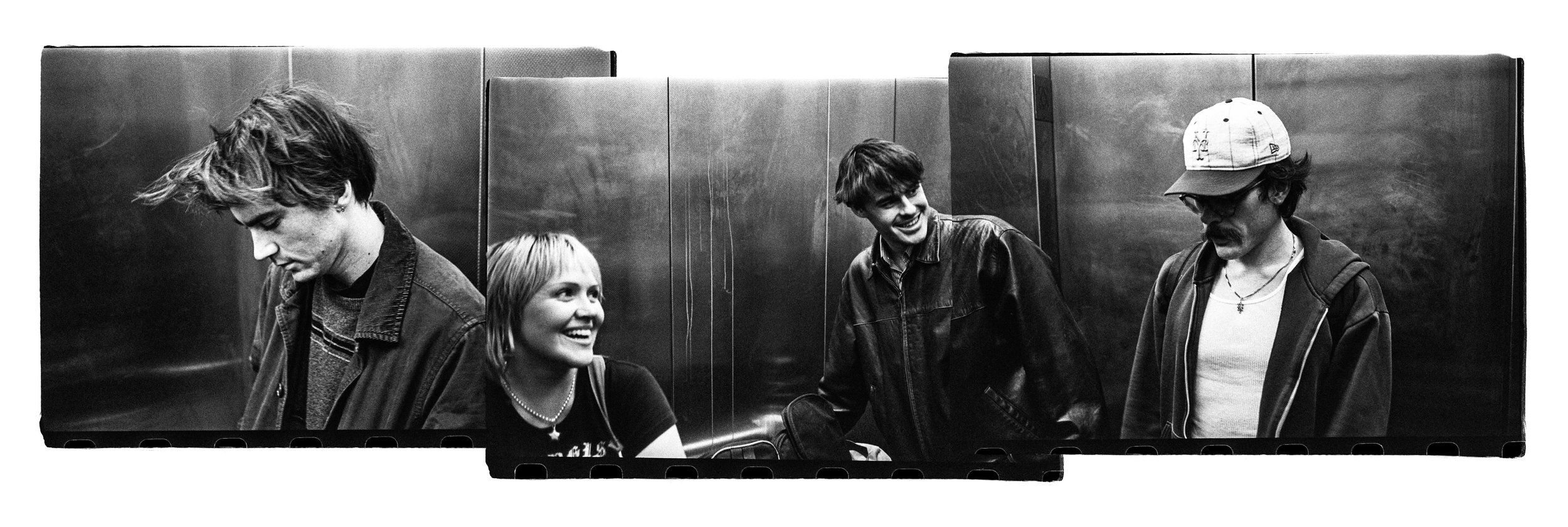
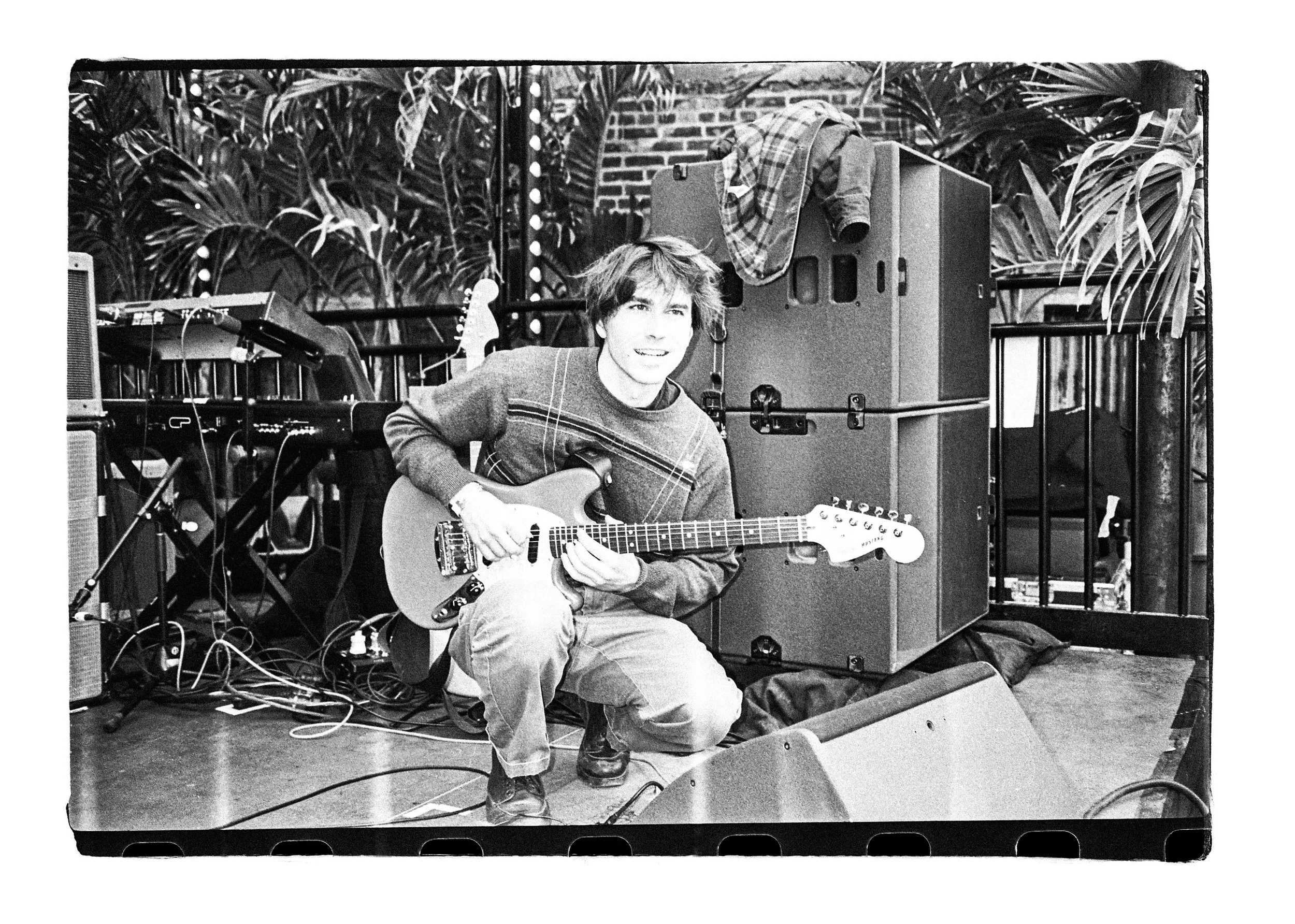
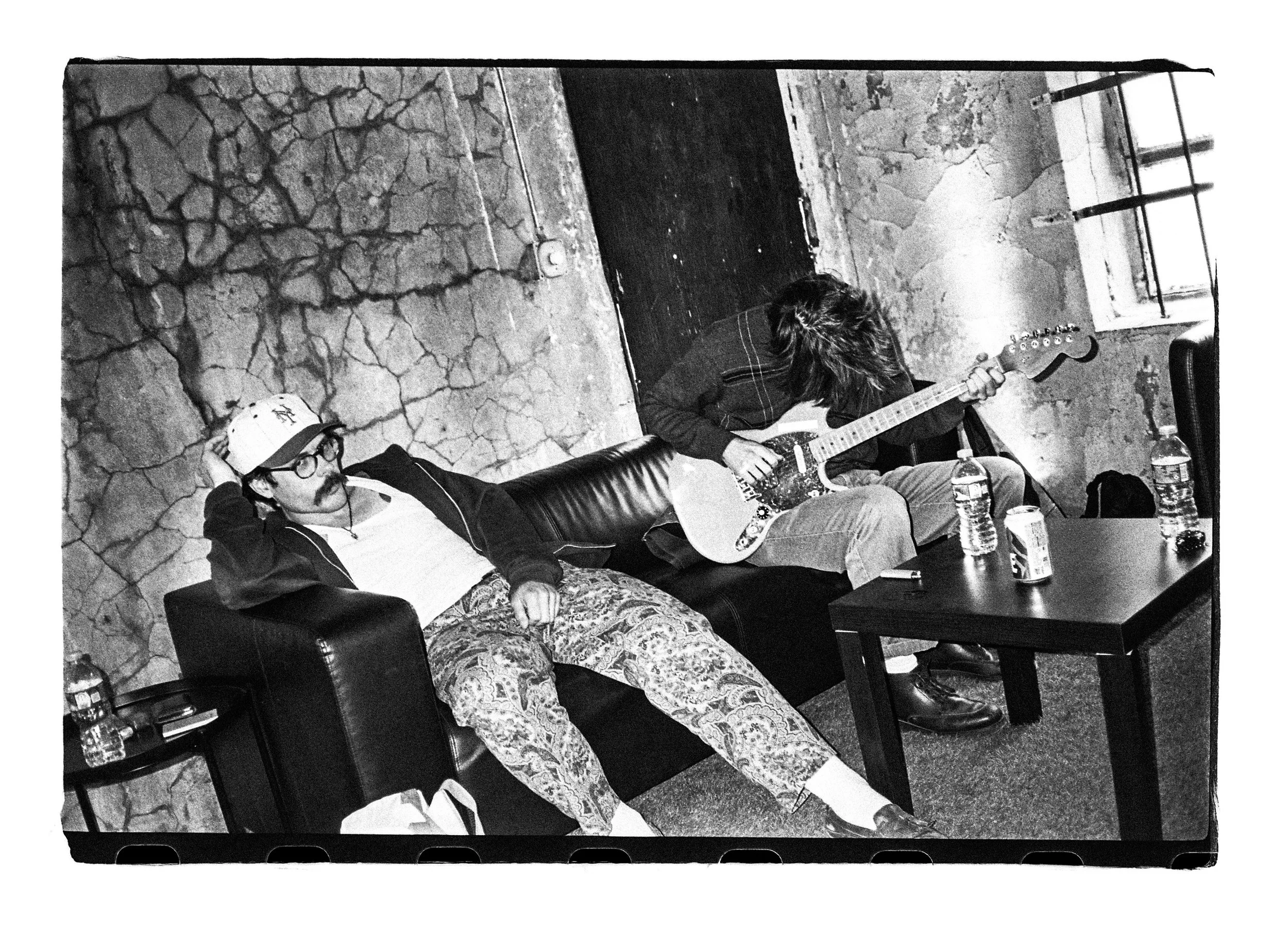
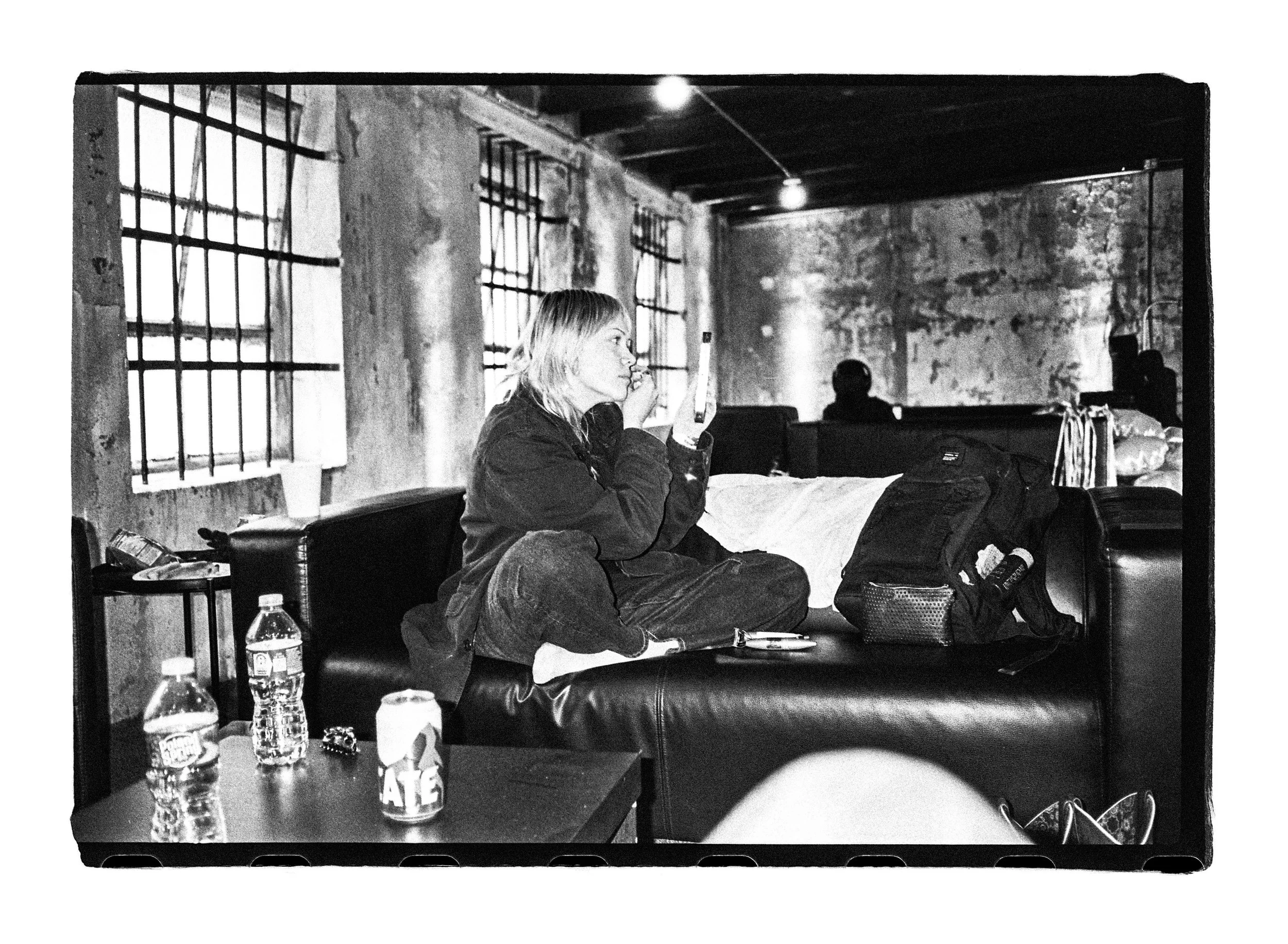
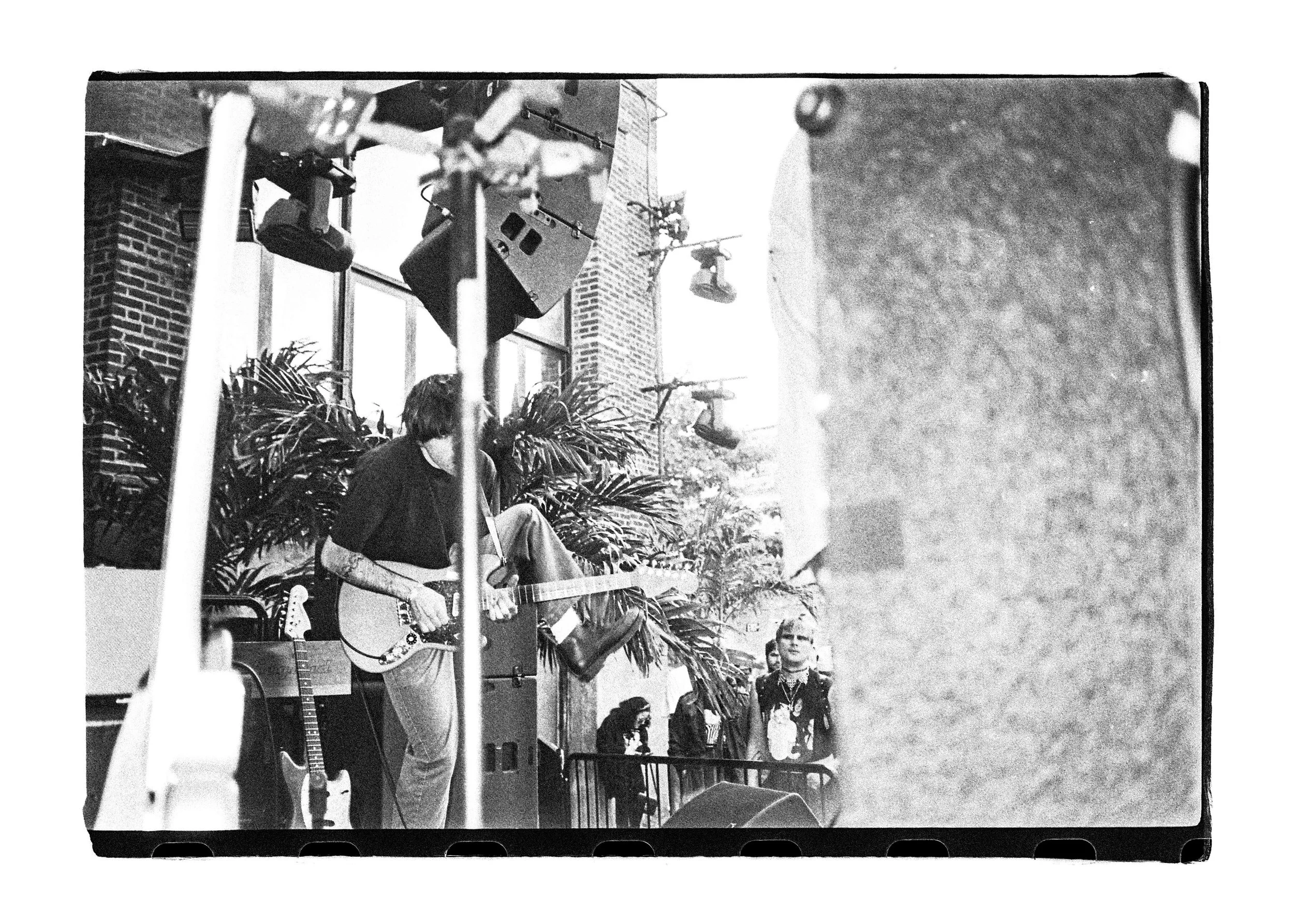
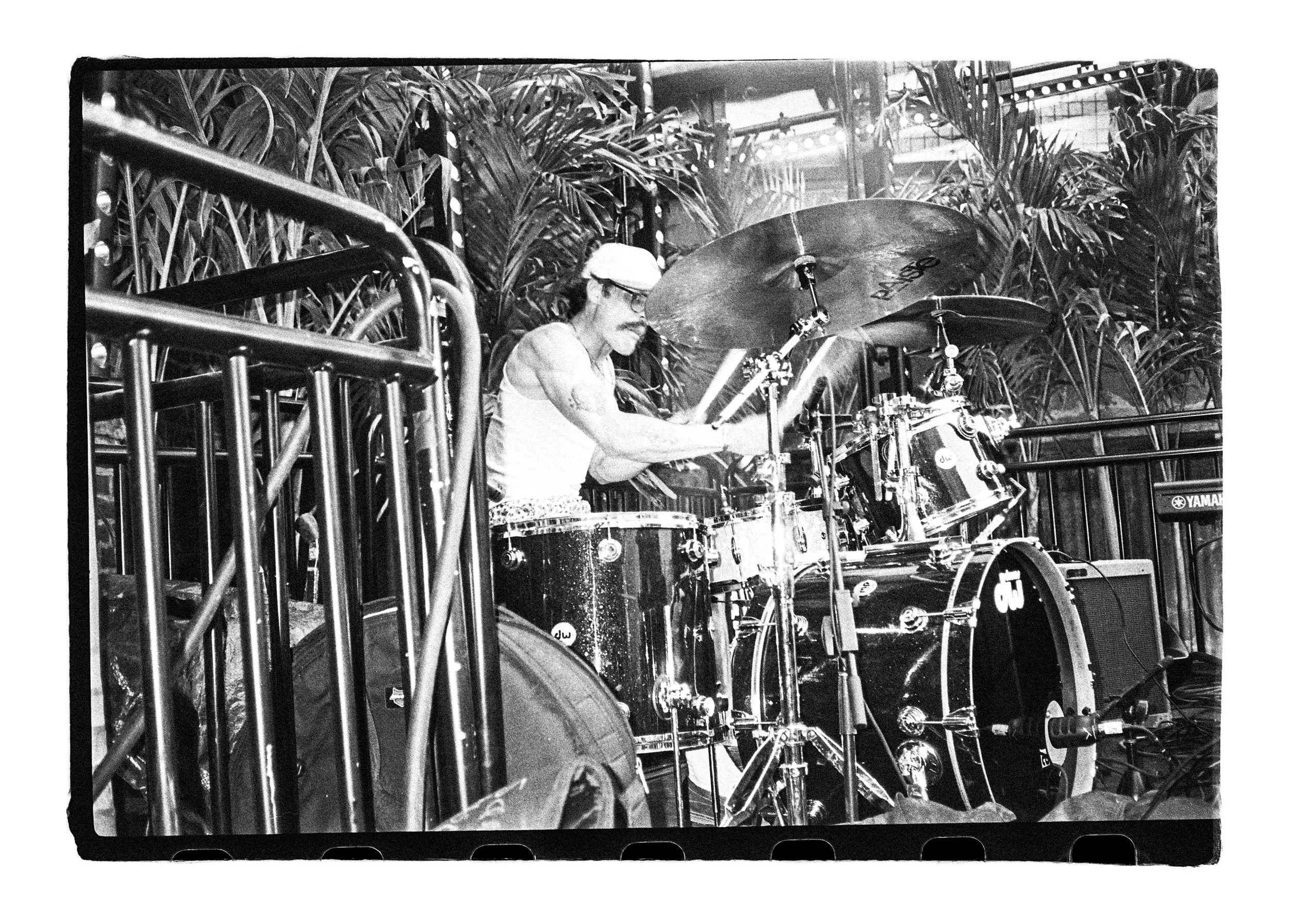
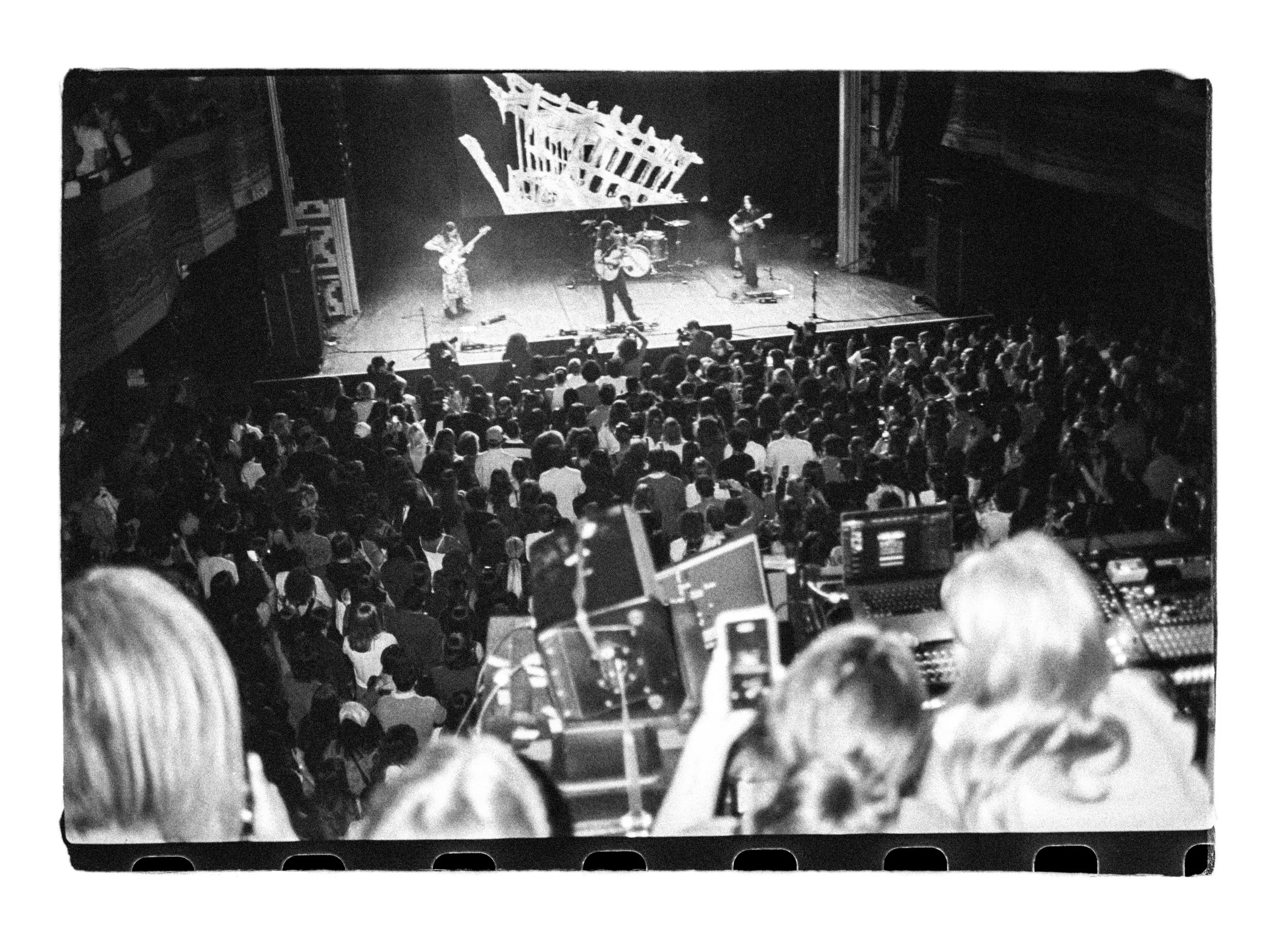
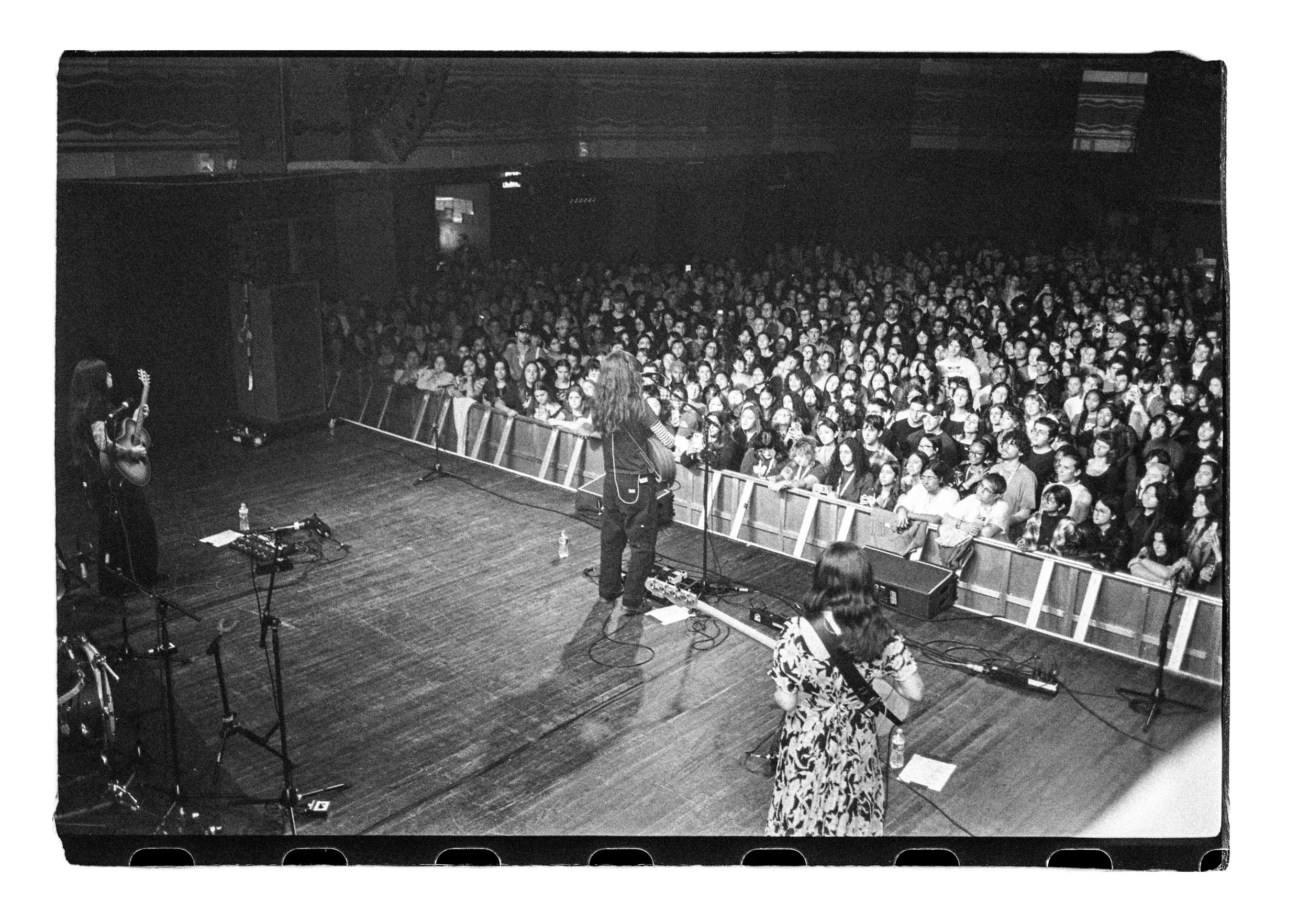
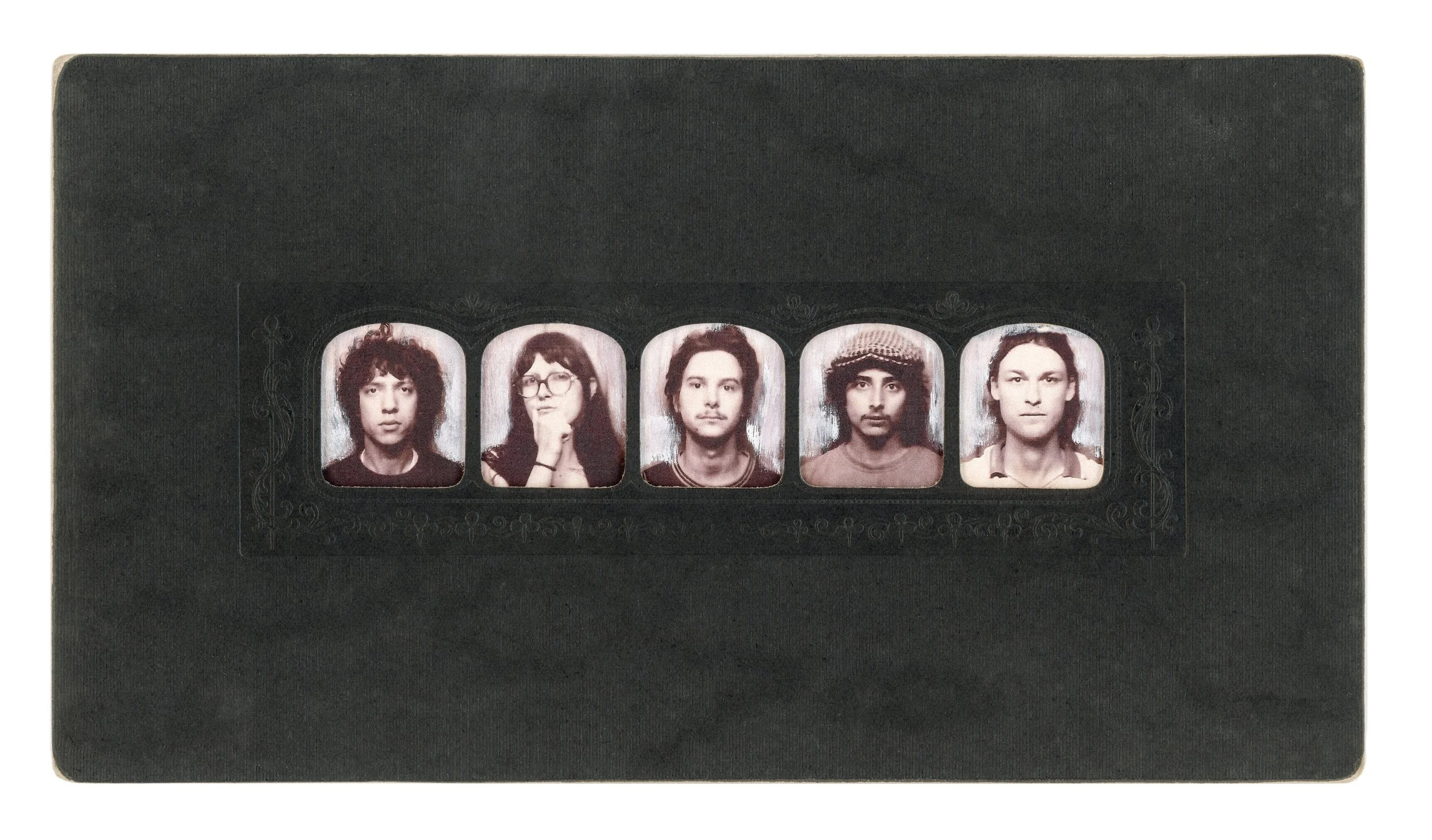
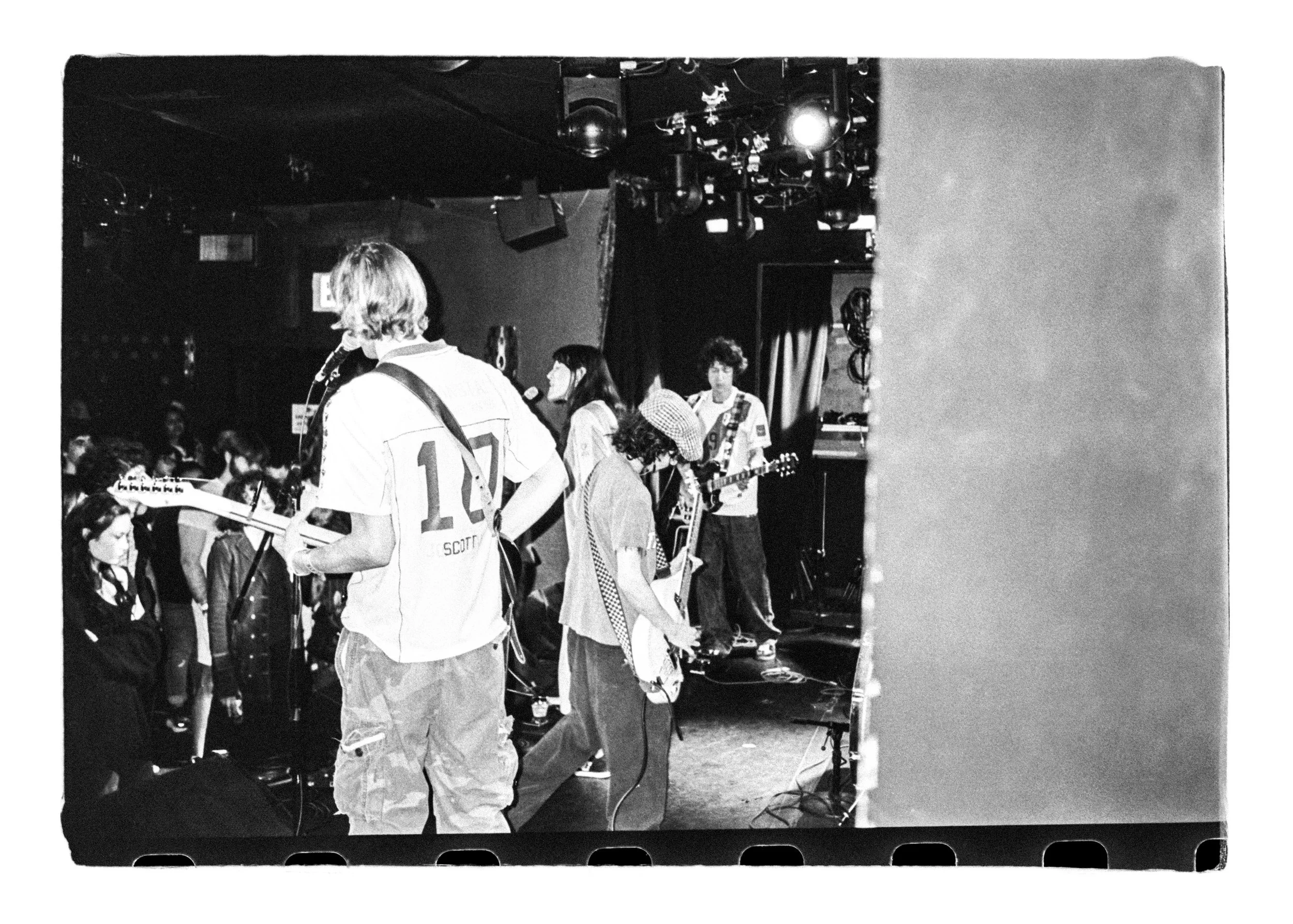
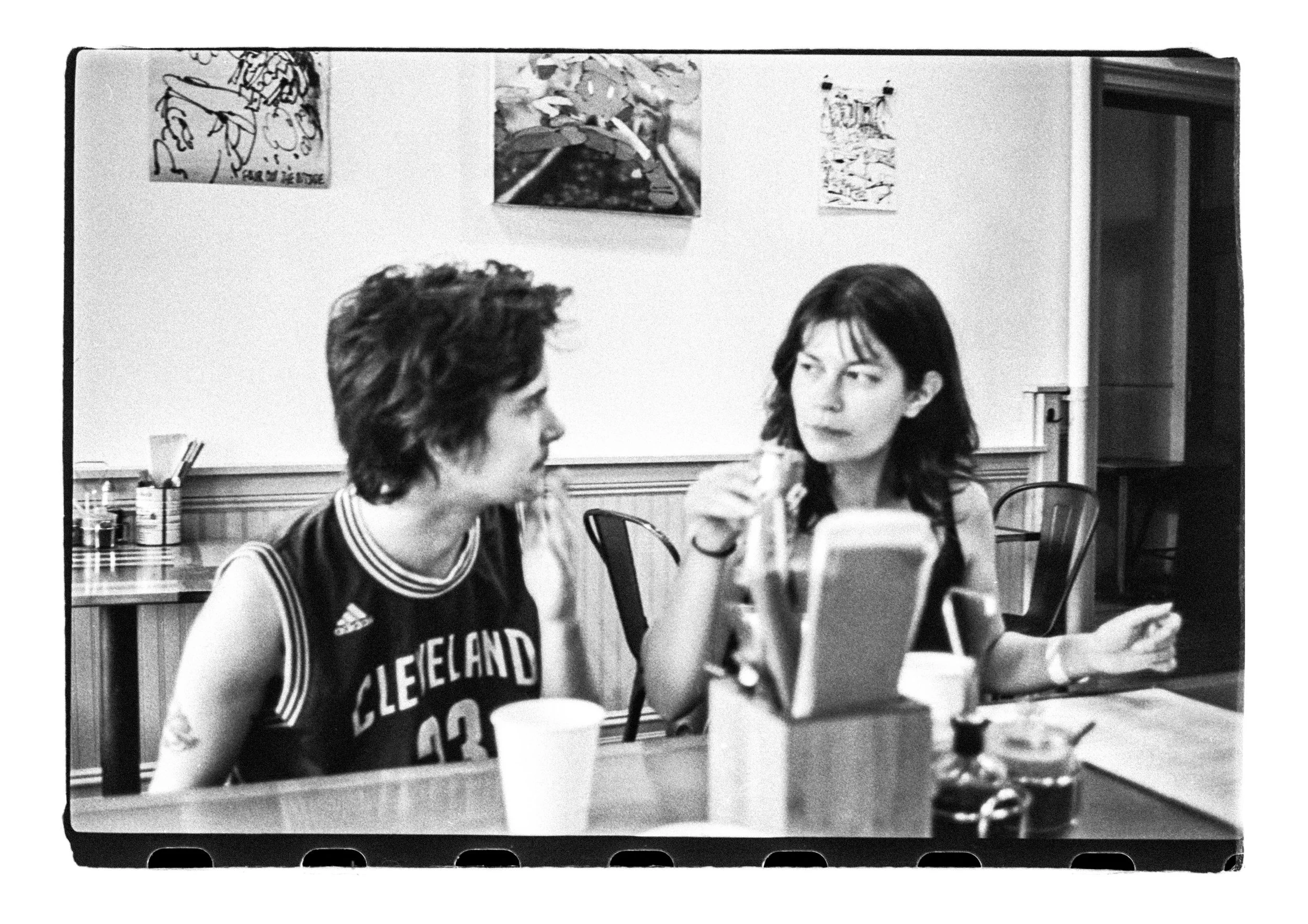
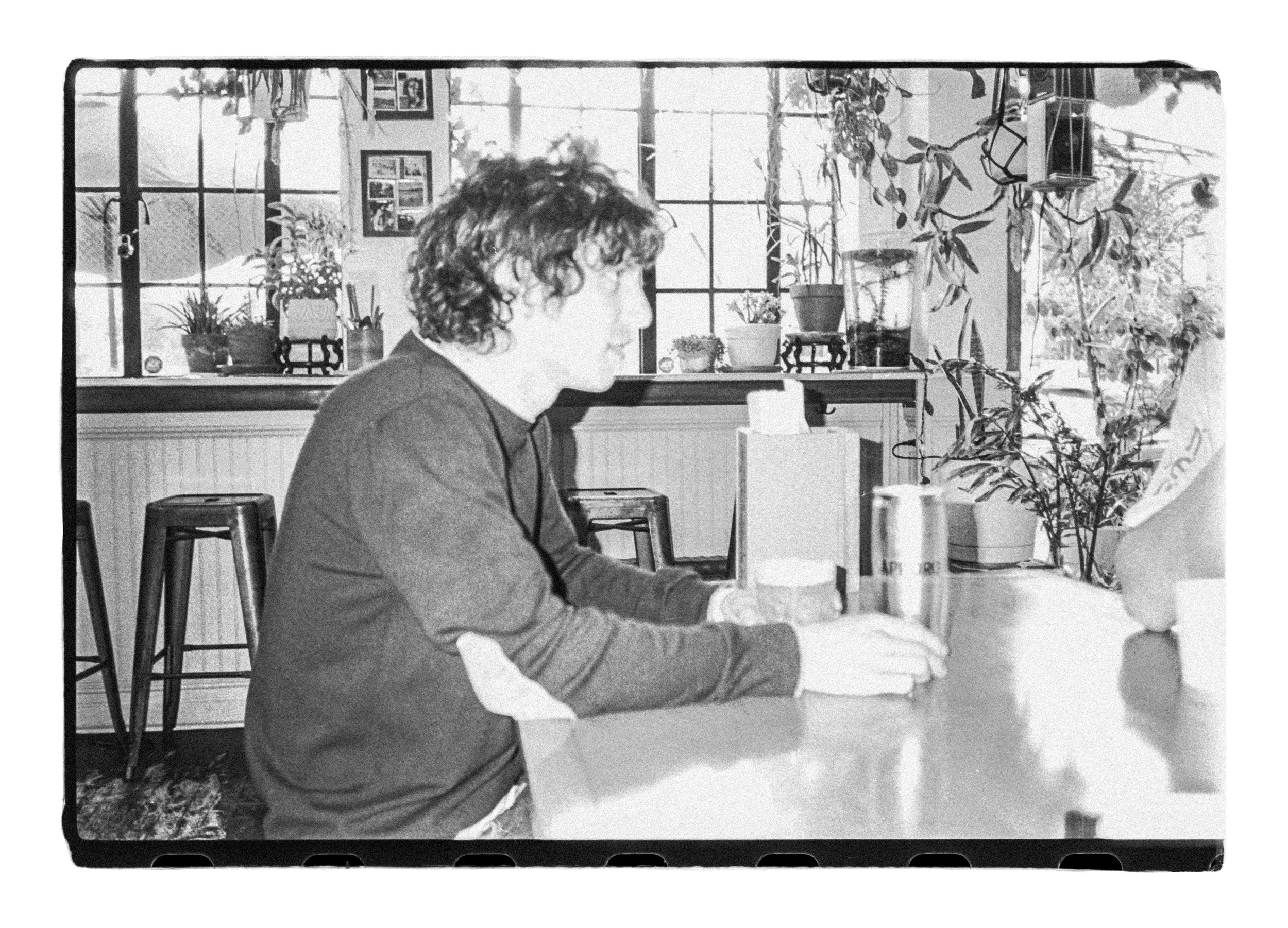
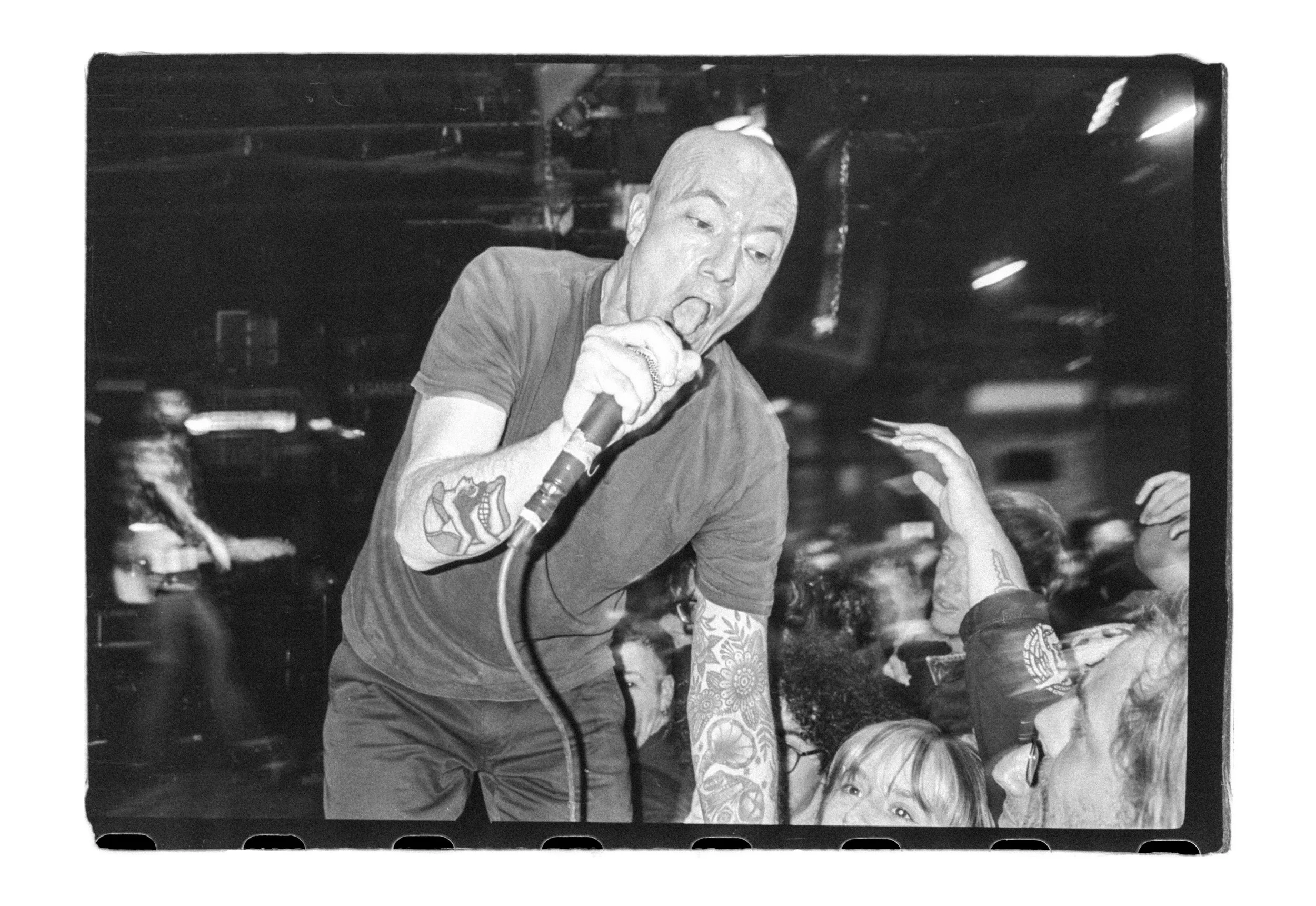
I met up with the guys around noon at the camera shop. Part of the excuse was to look at some cameras, but more importantly they had a photo booth I knew I could cram everyone into for a few photos.
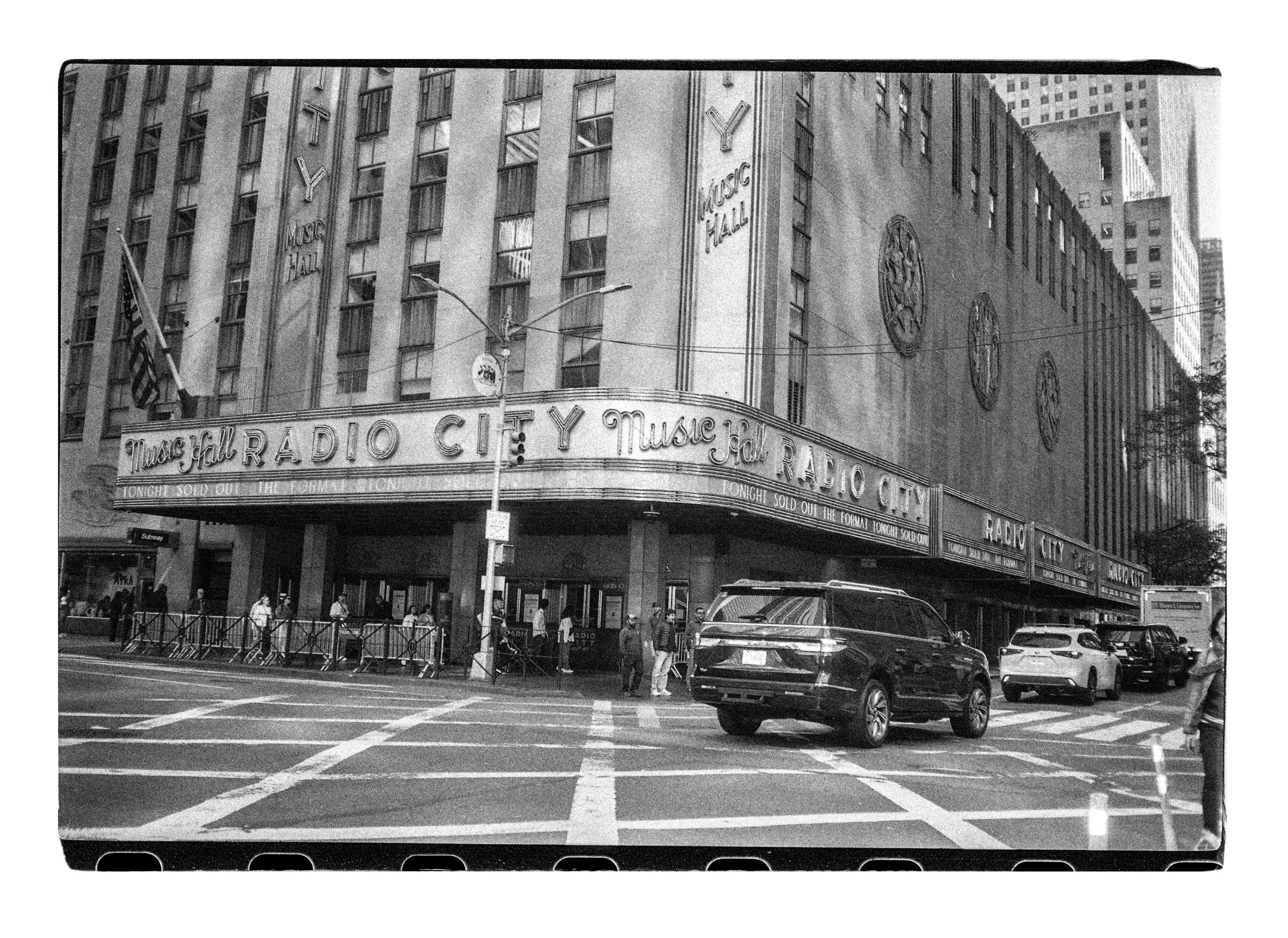
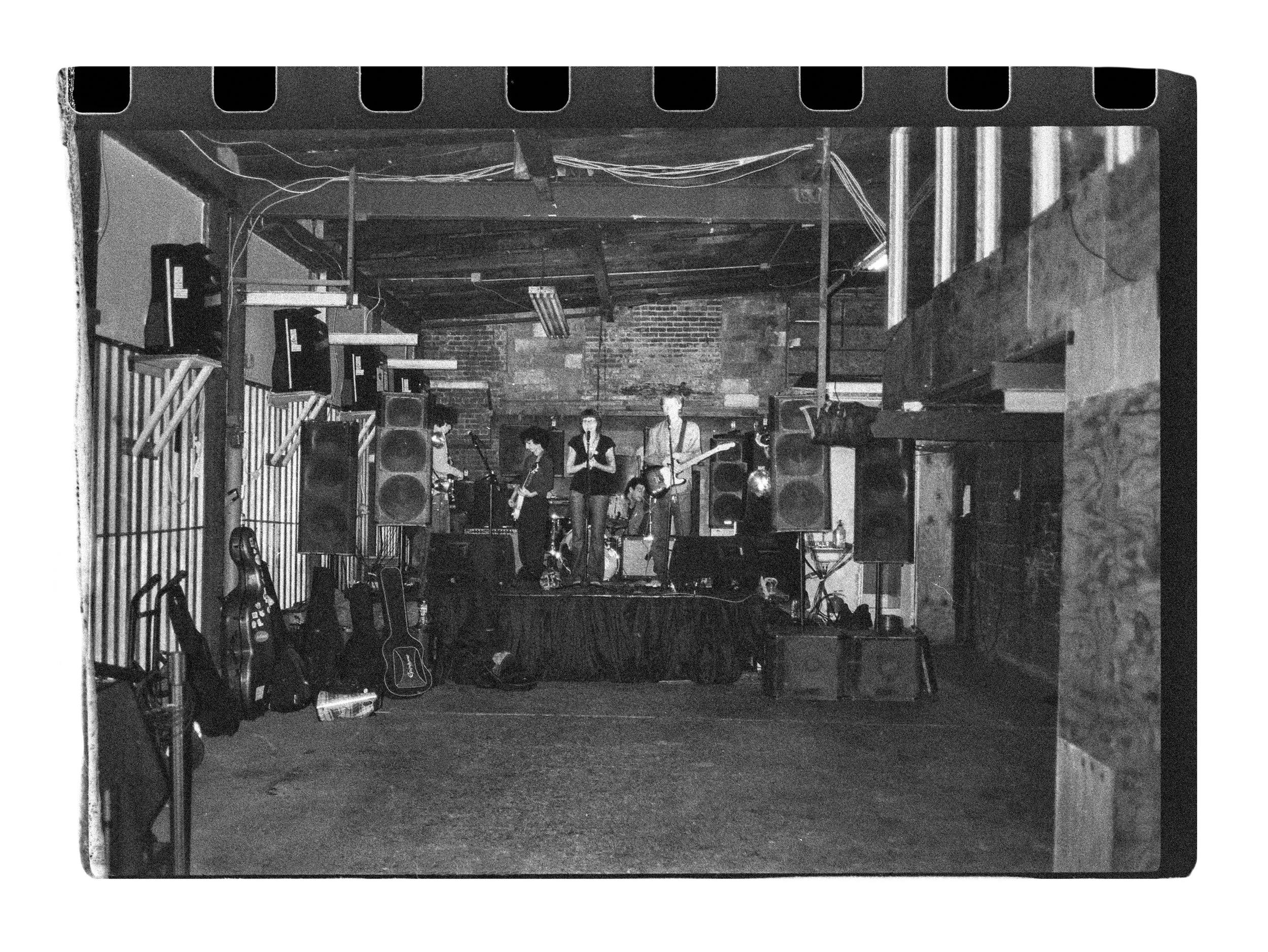
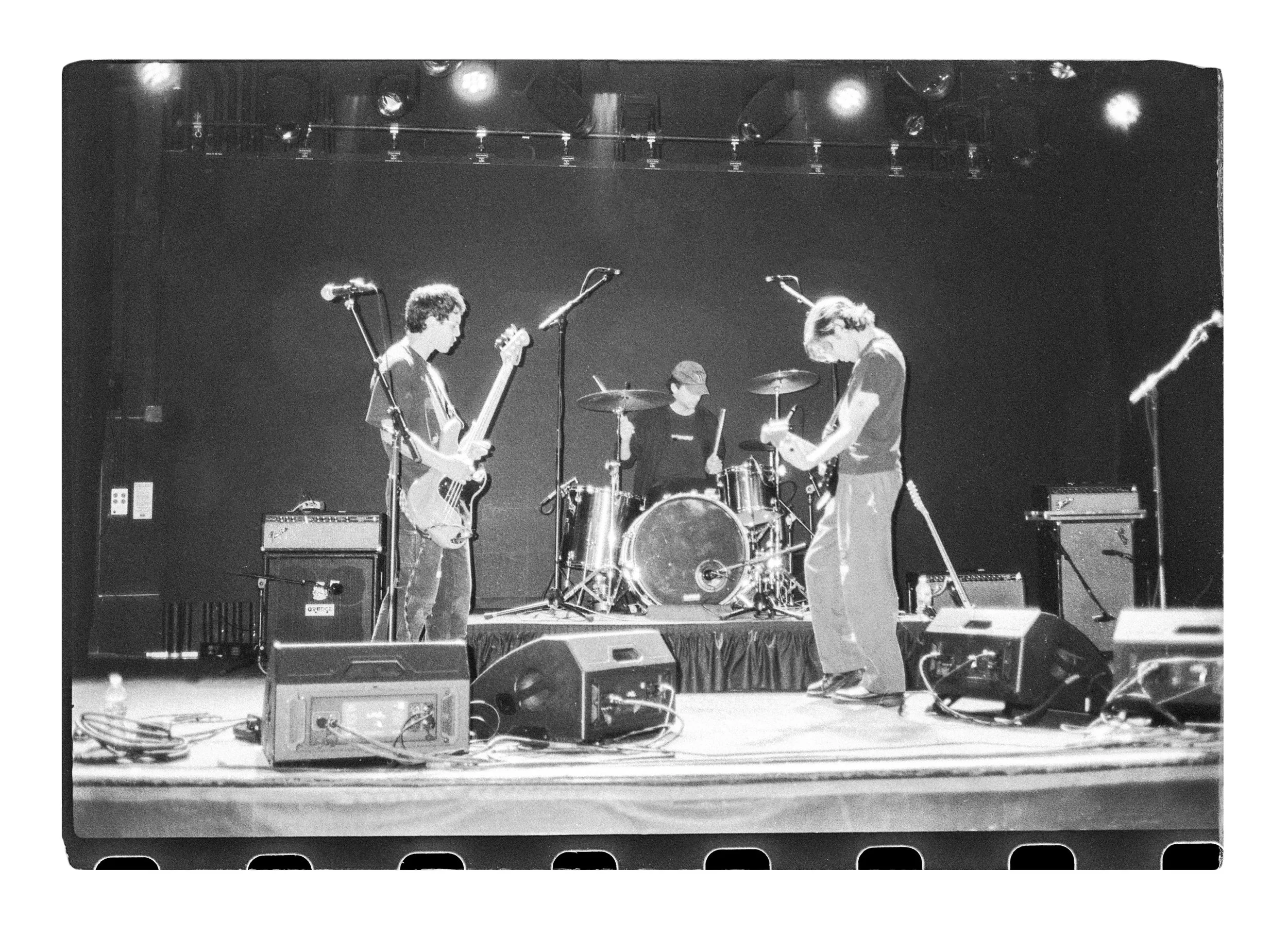
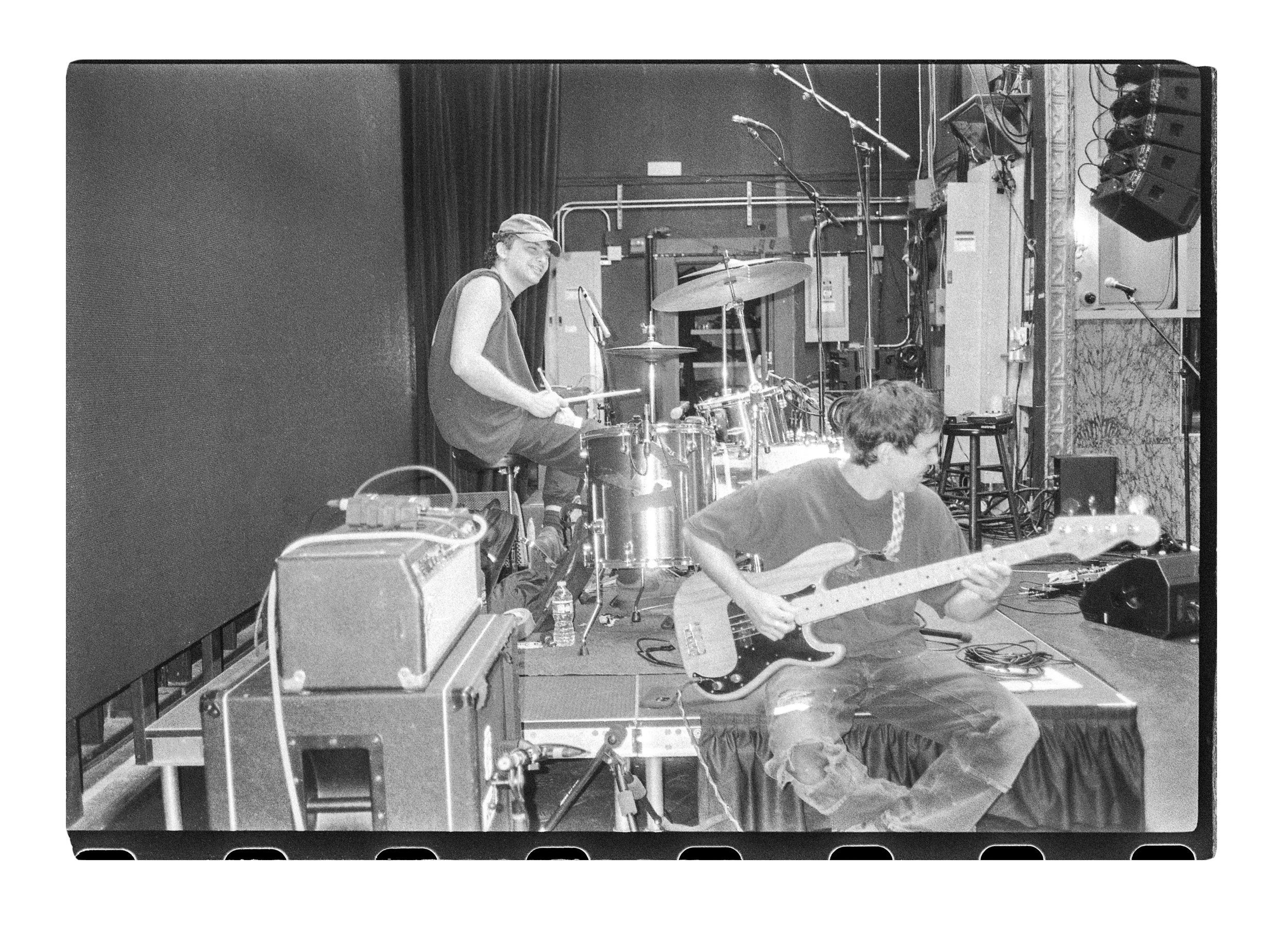
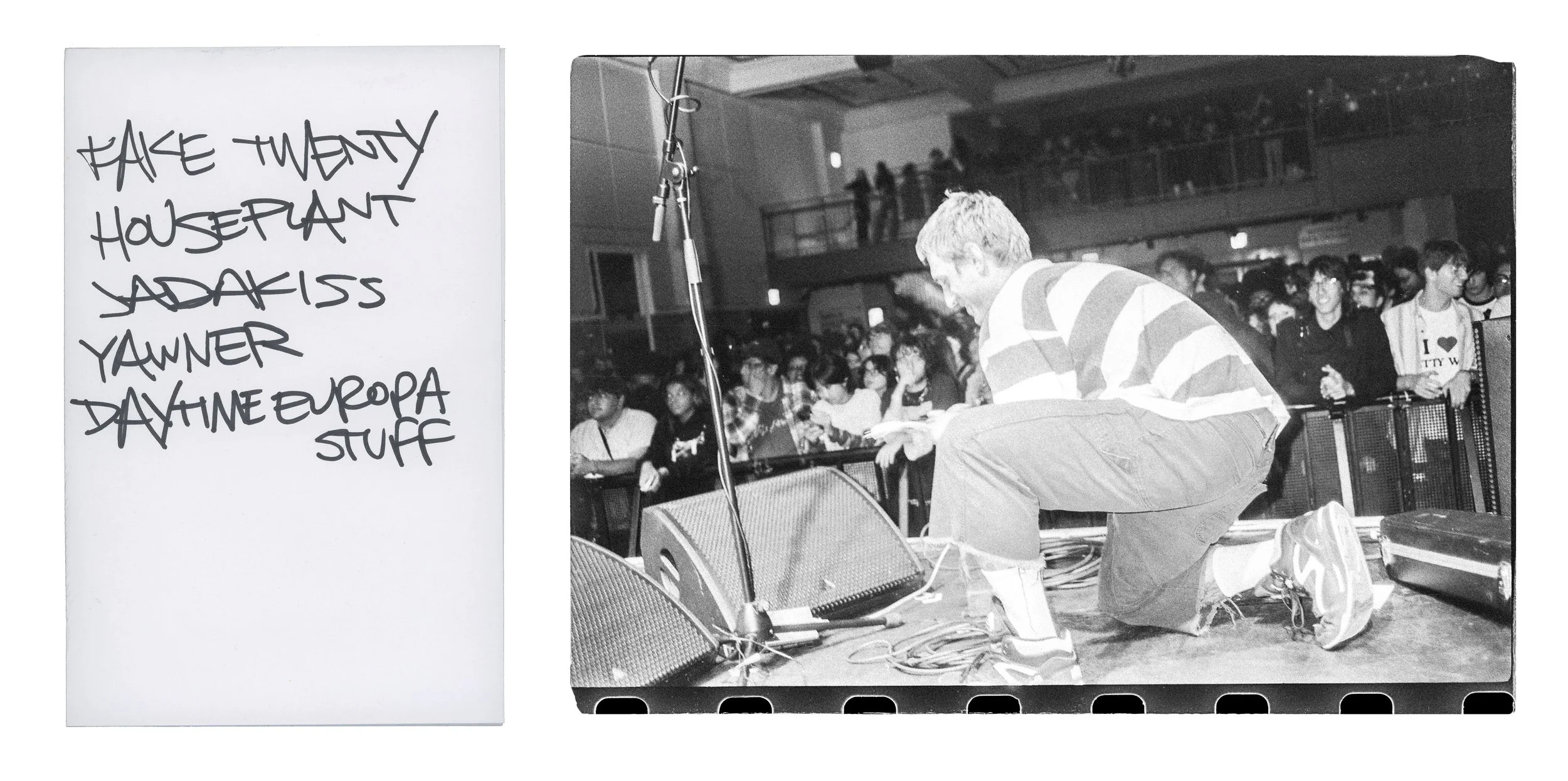
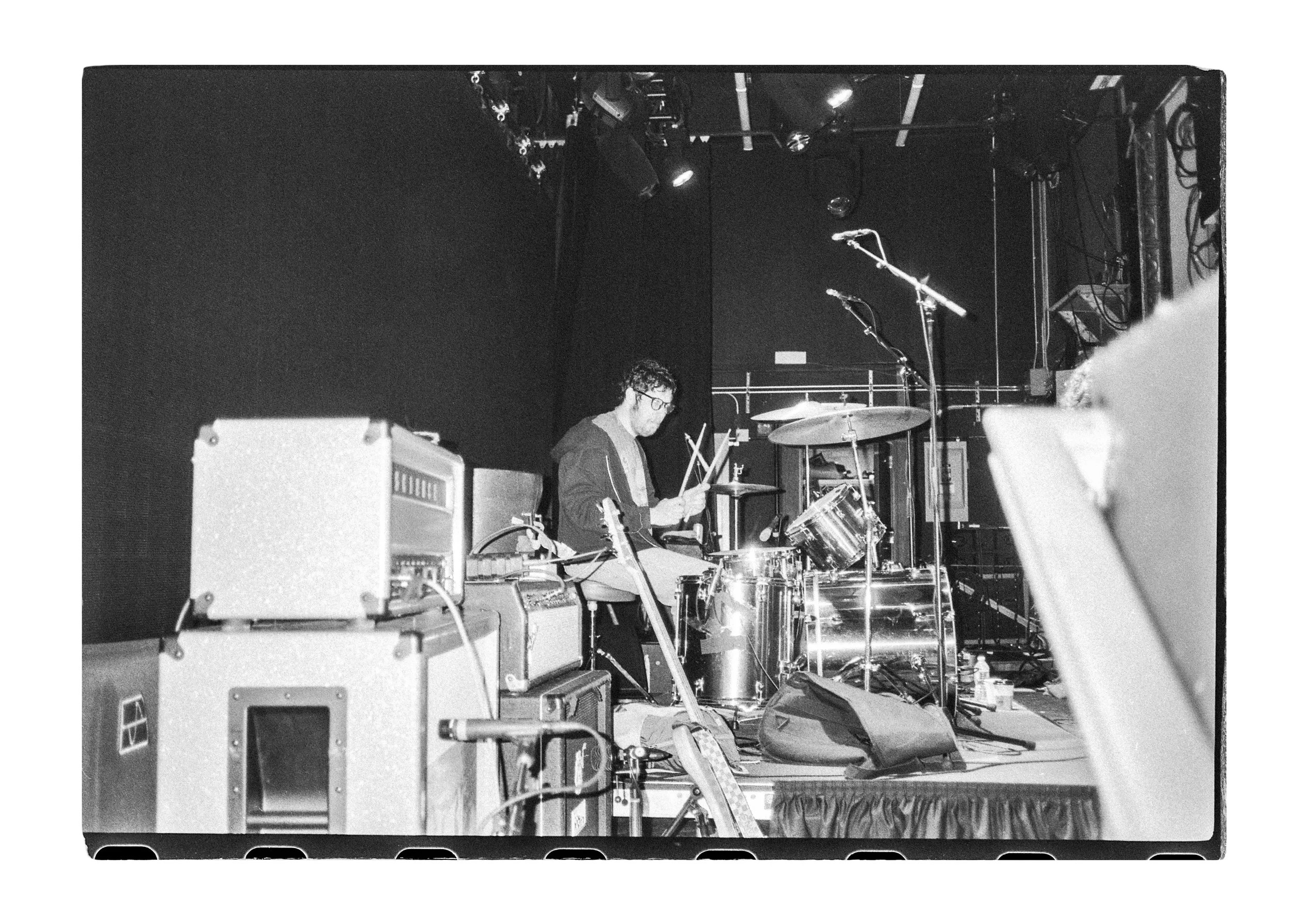
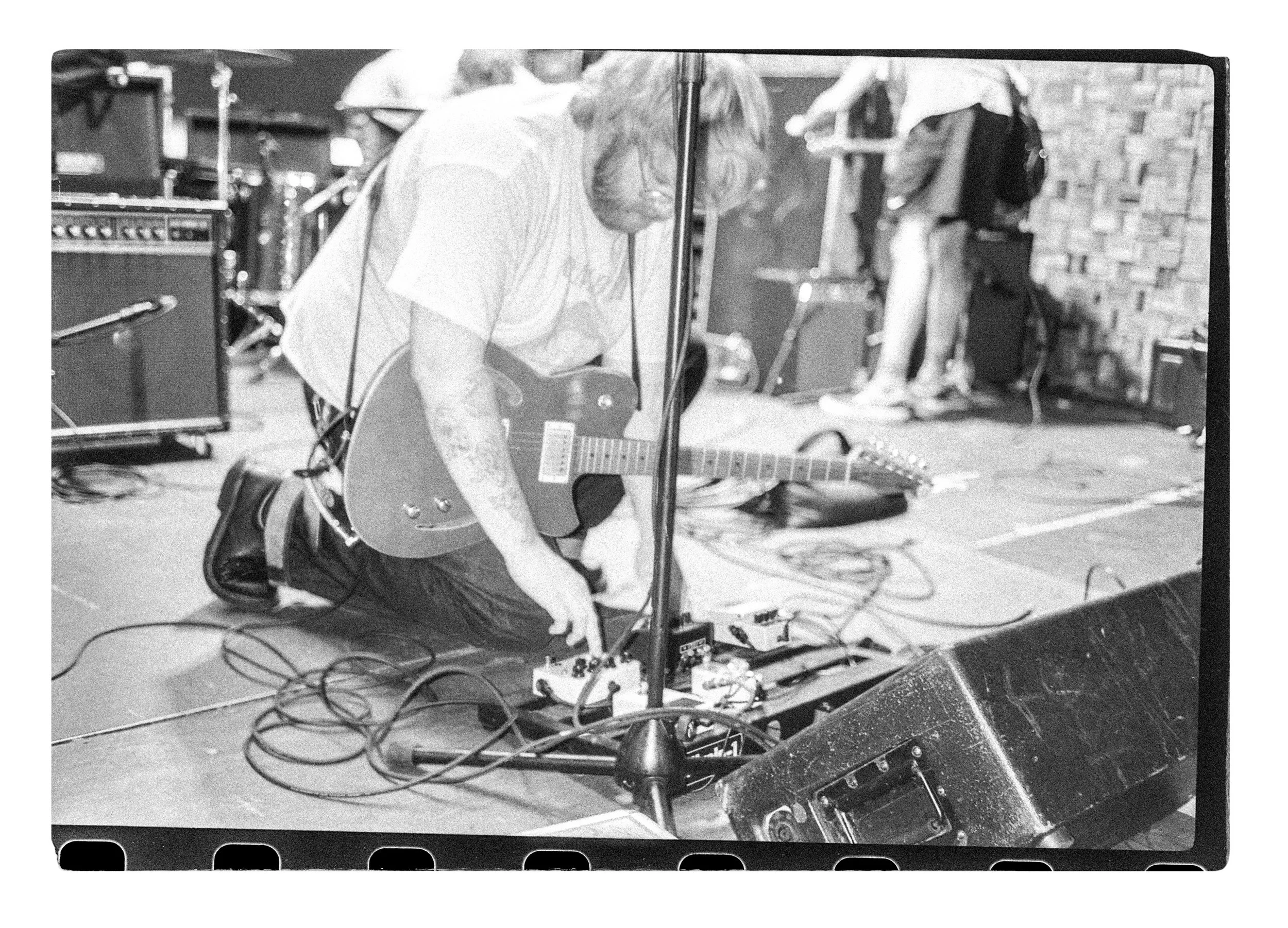
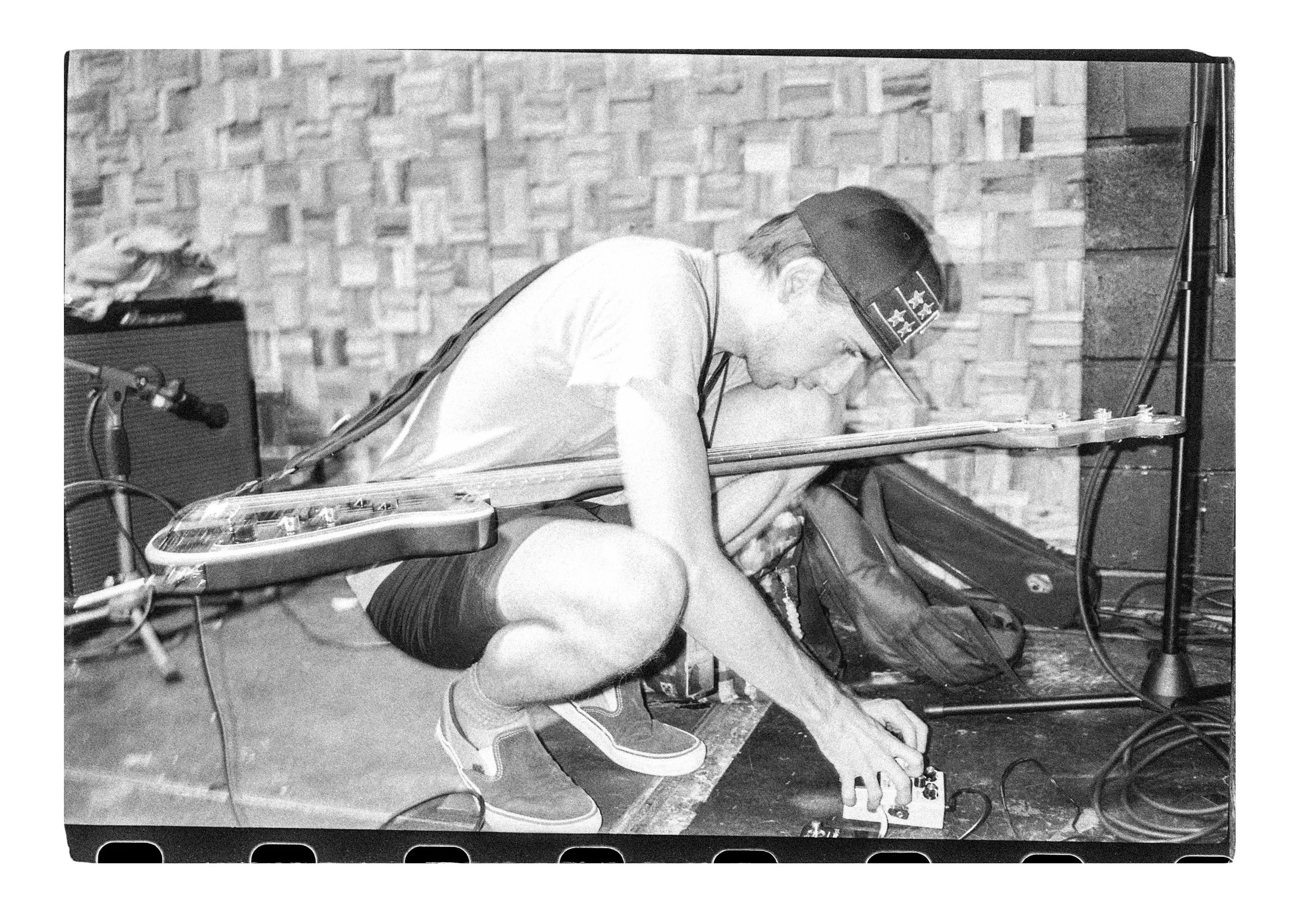
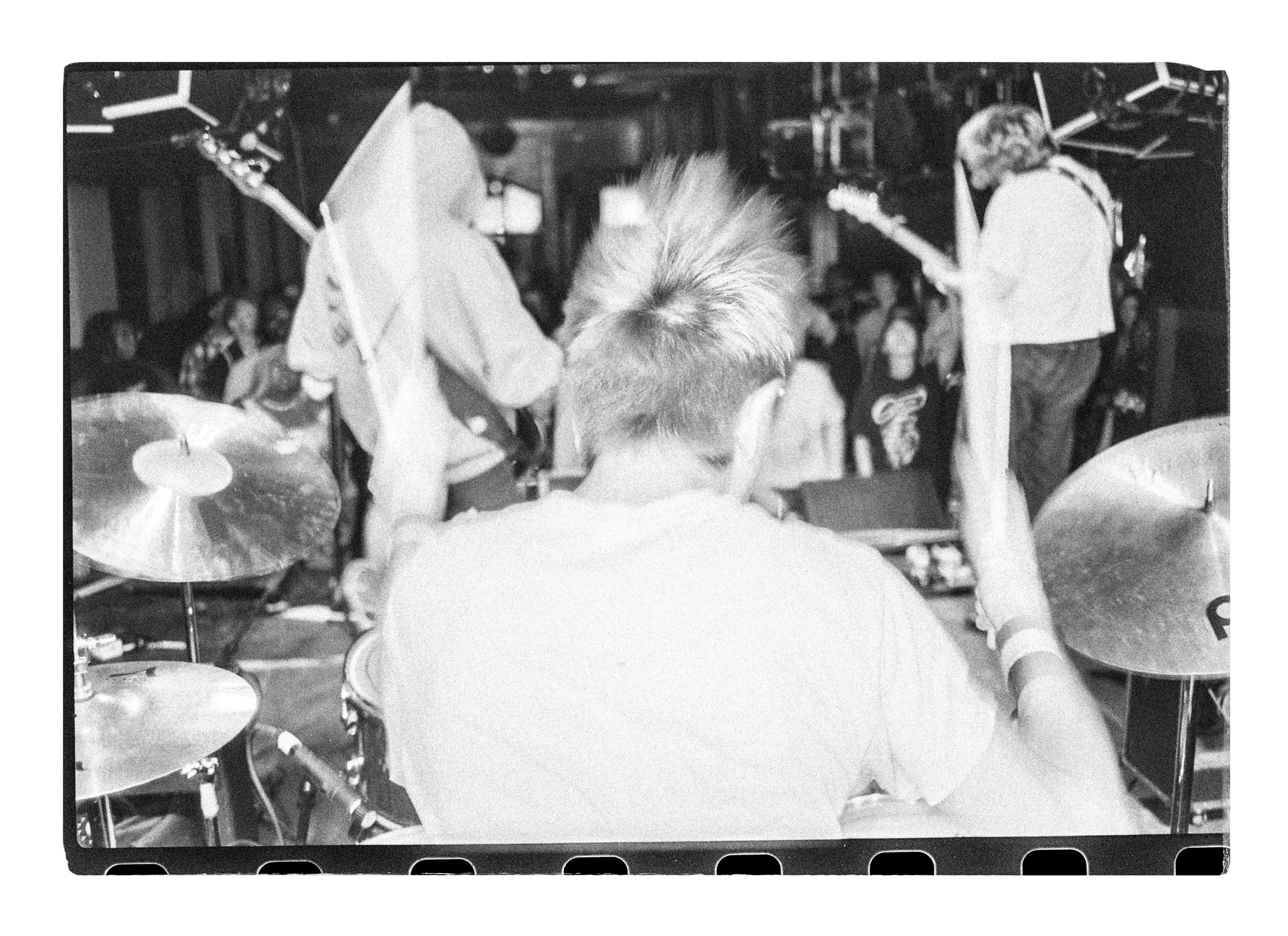
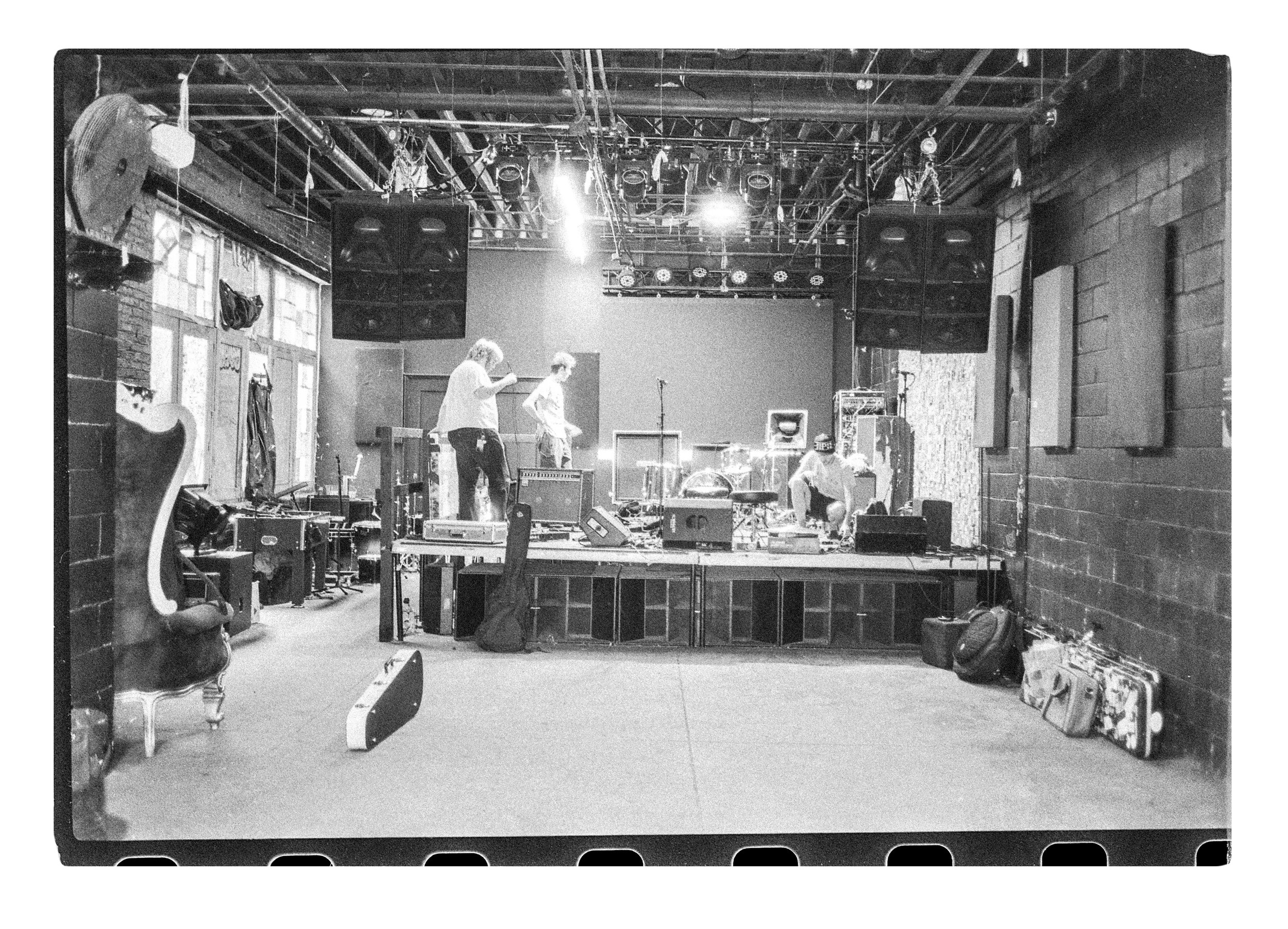
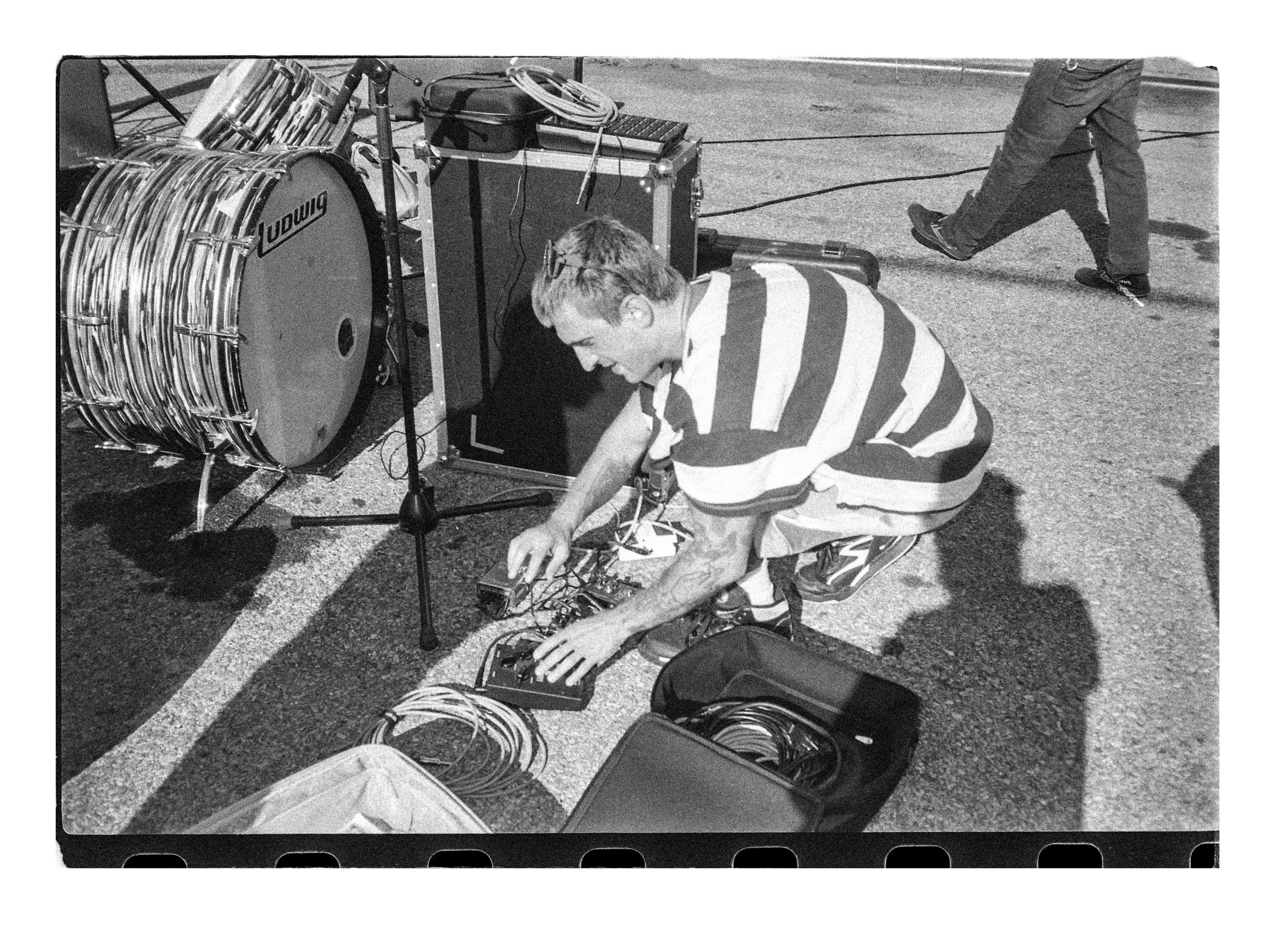
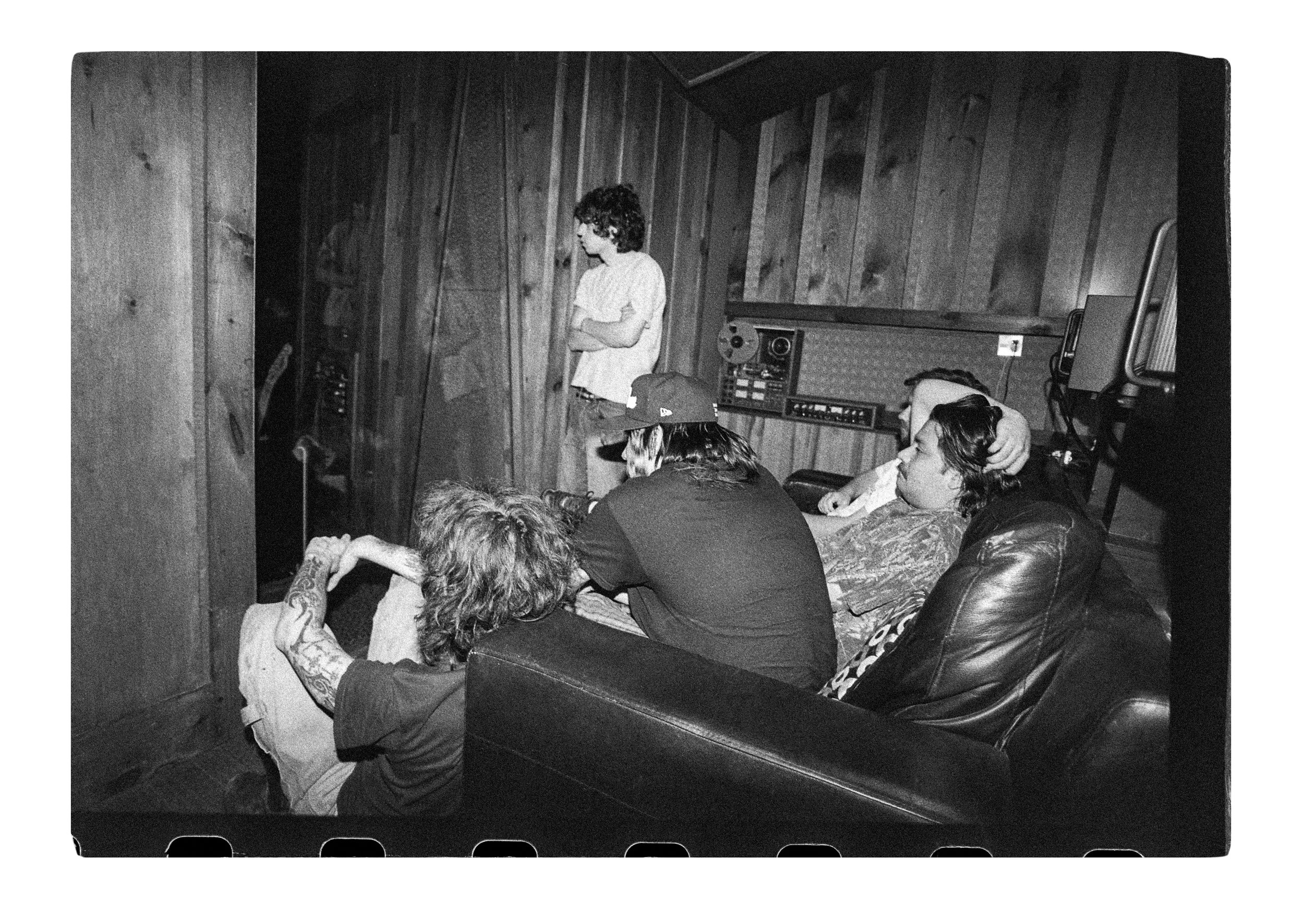
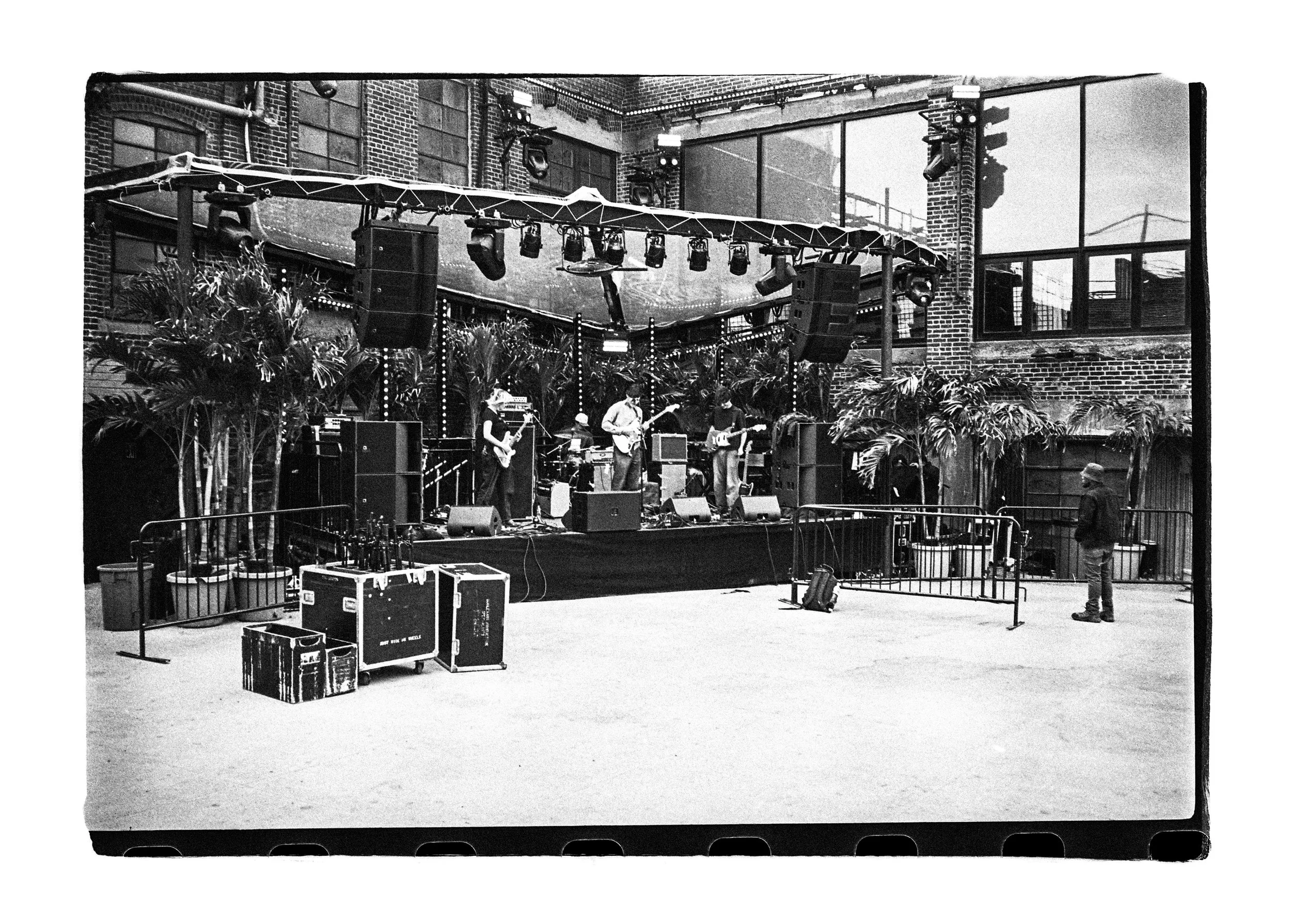
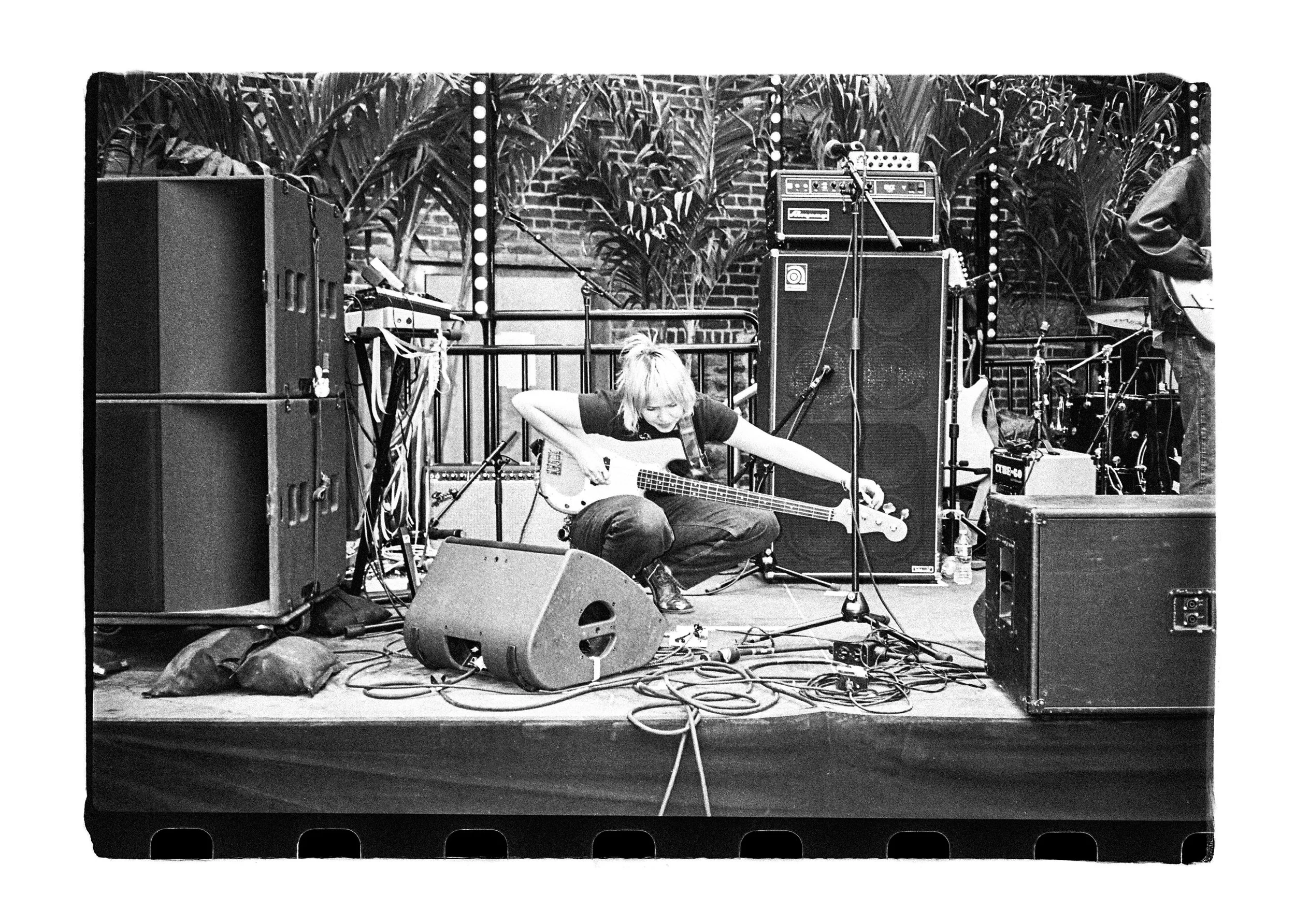
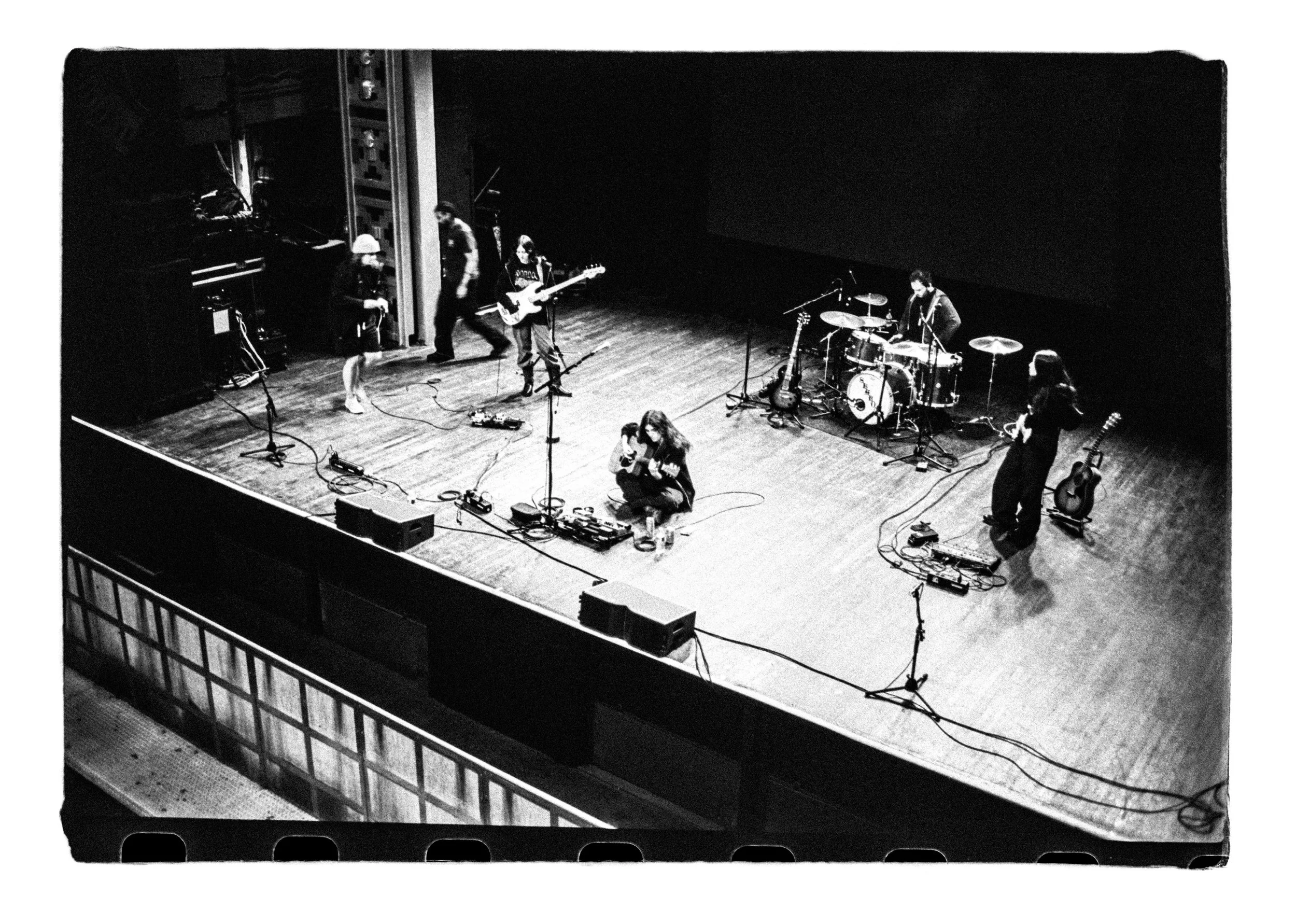
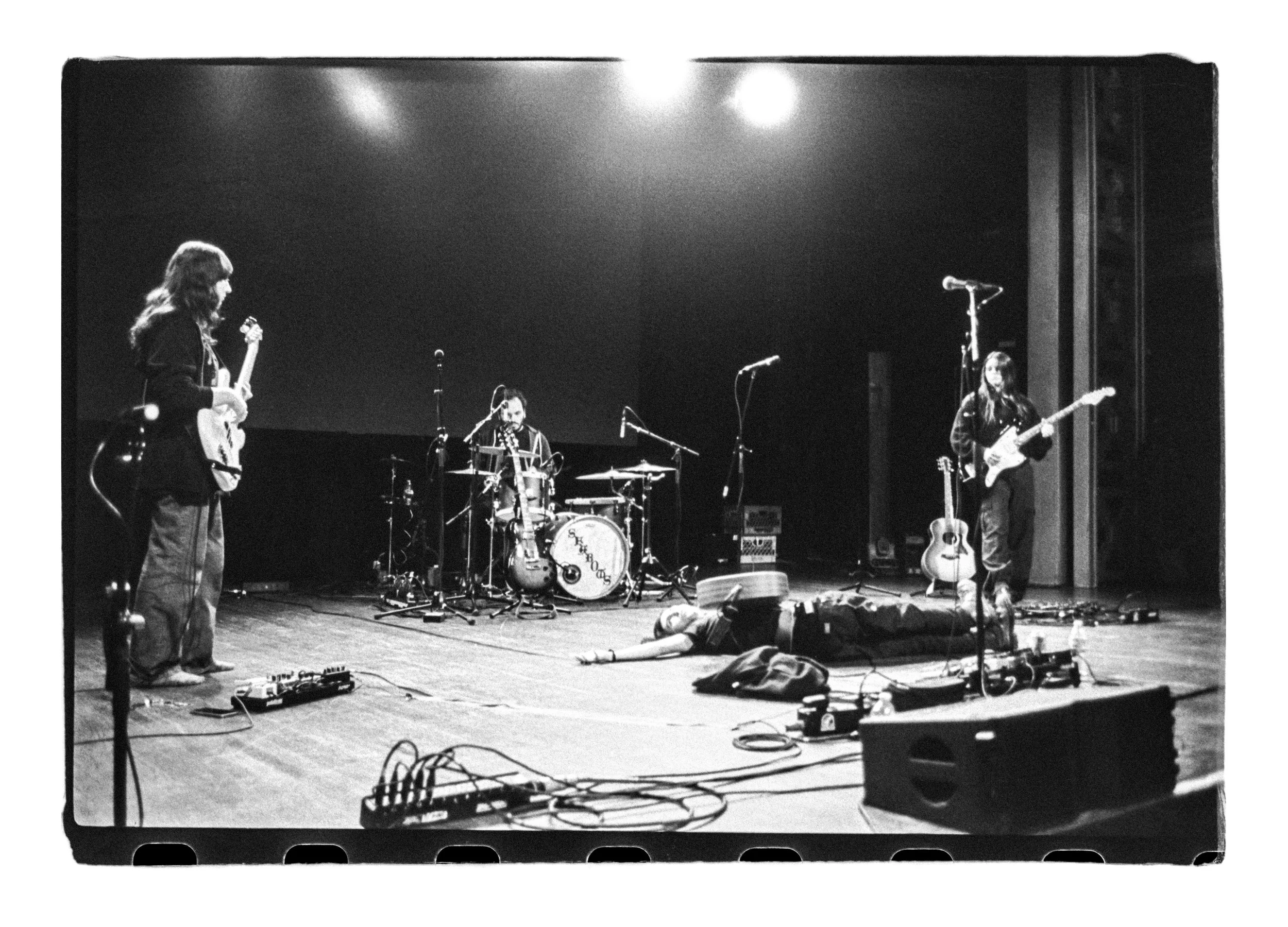
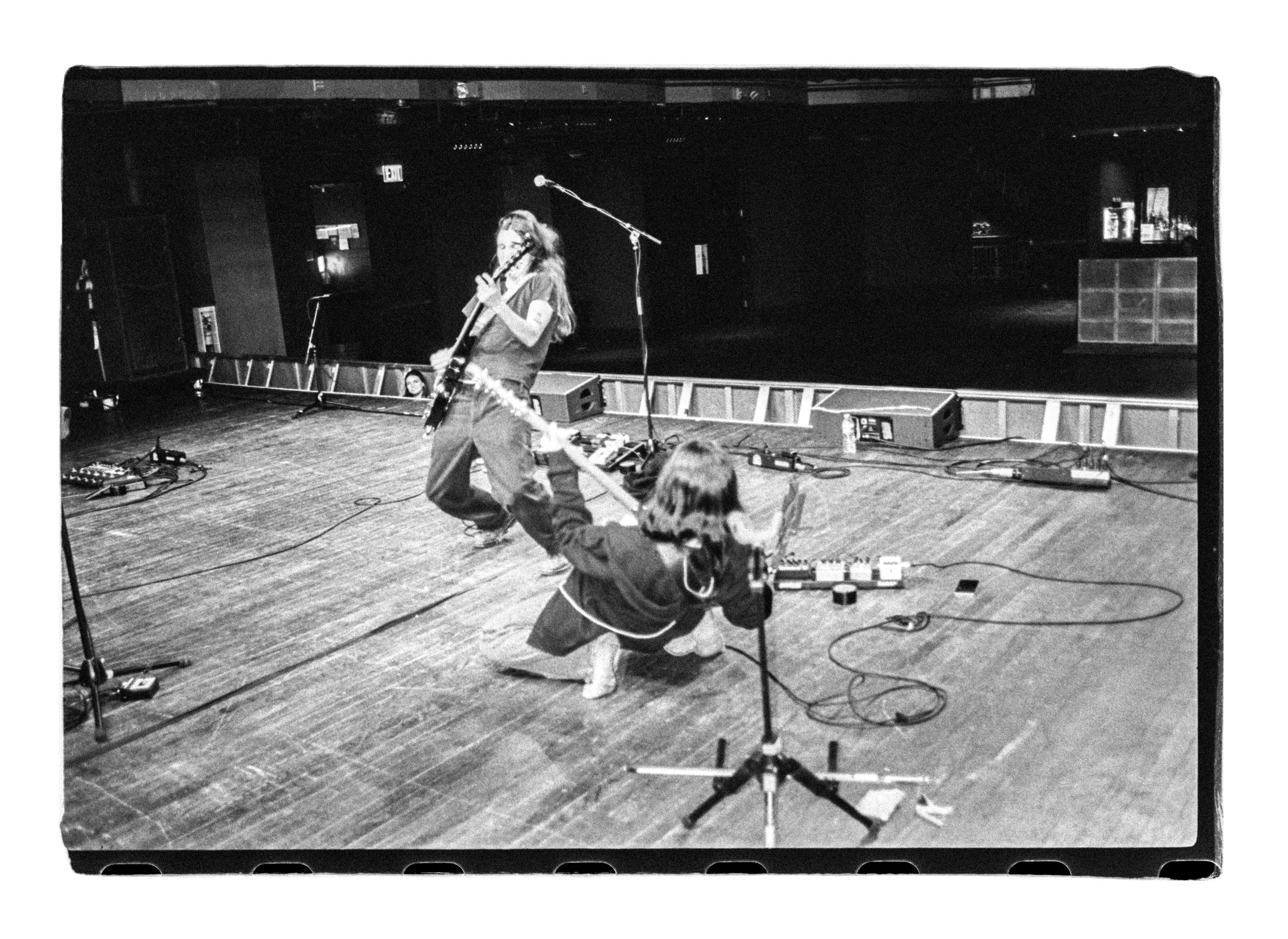
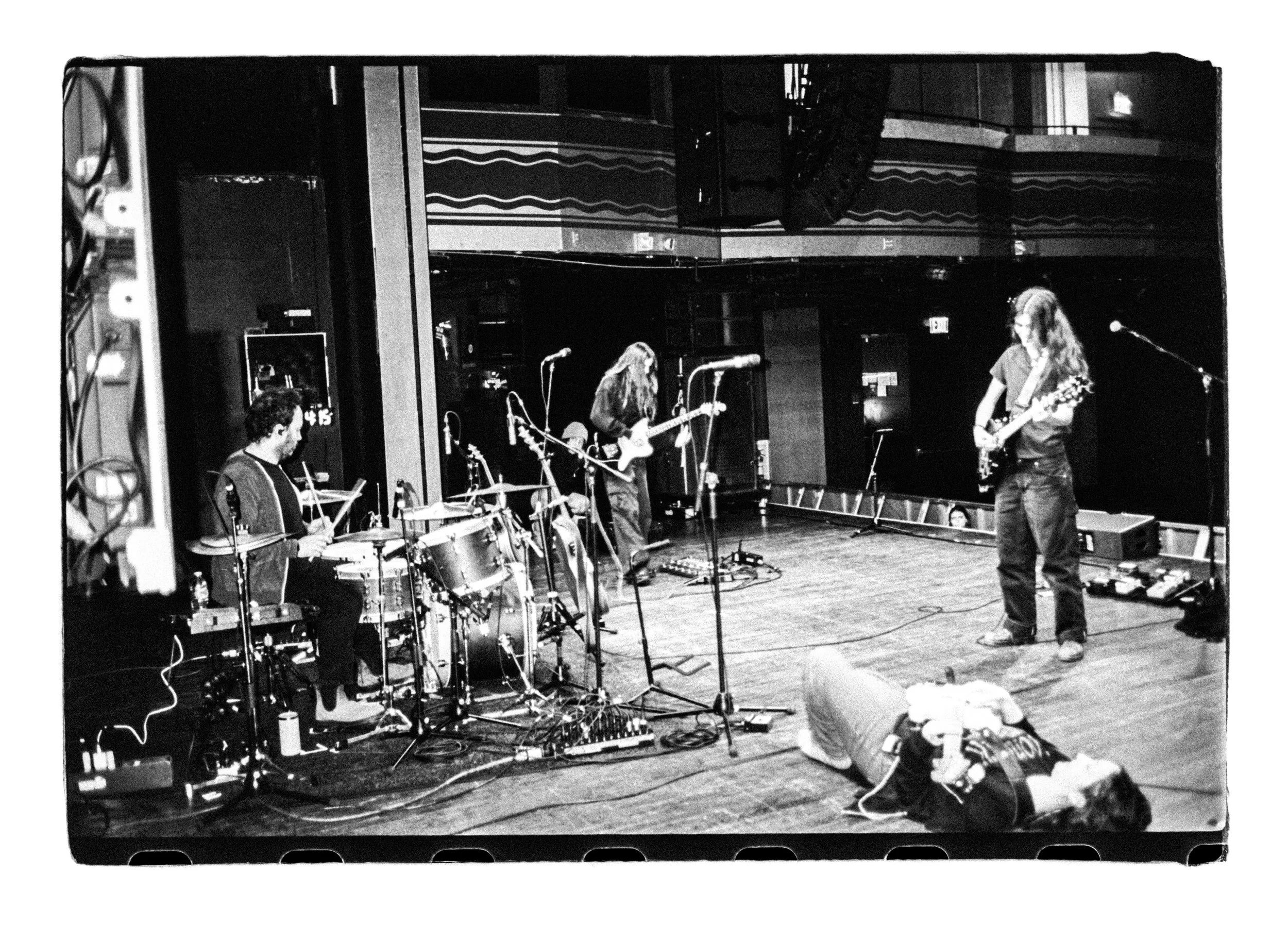
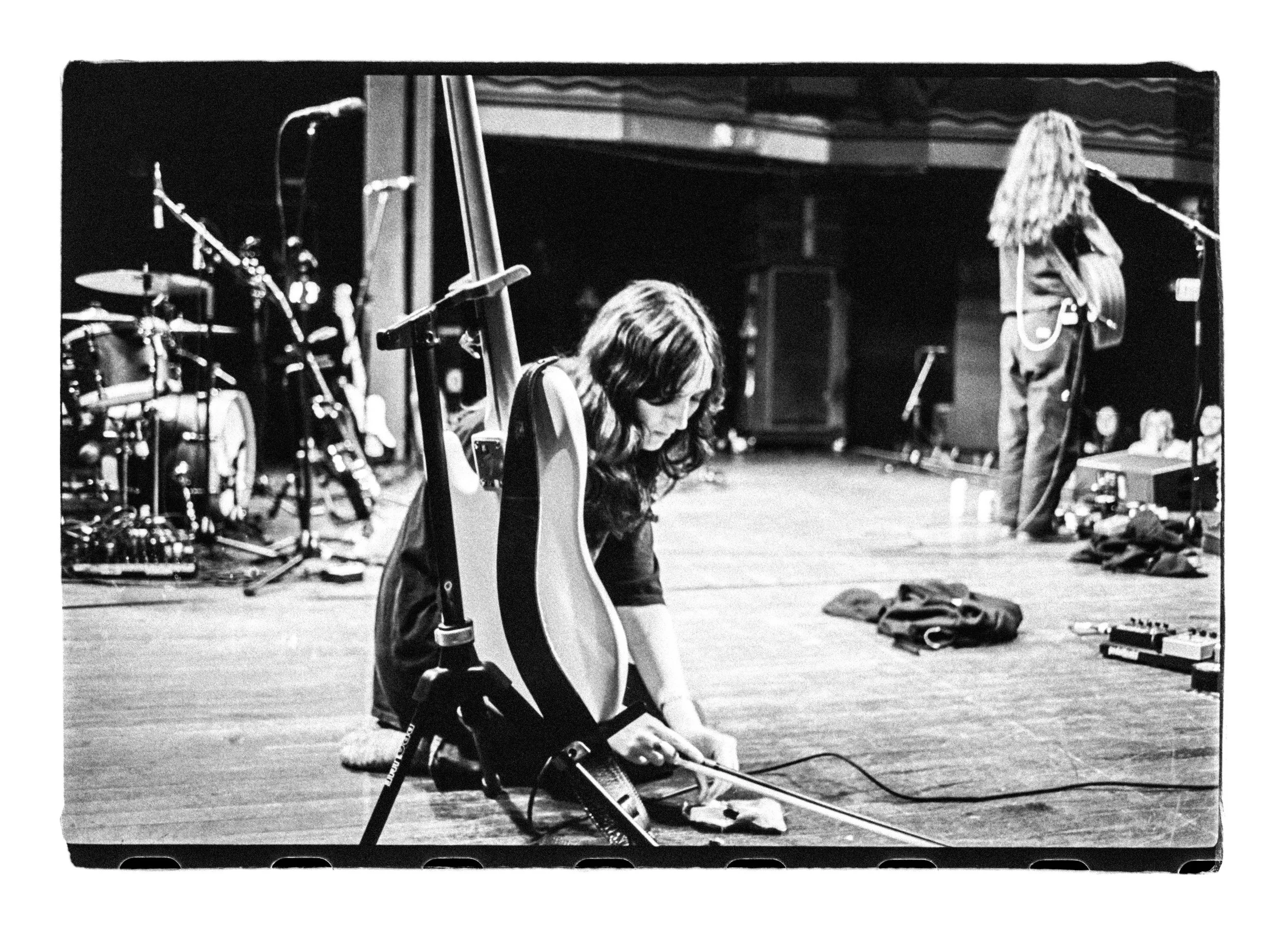
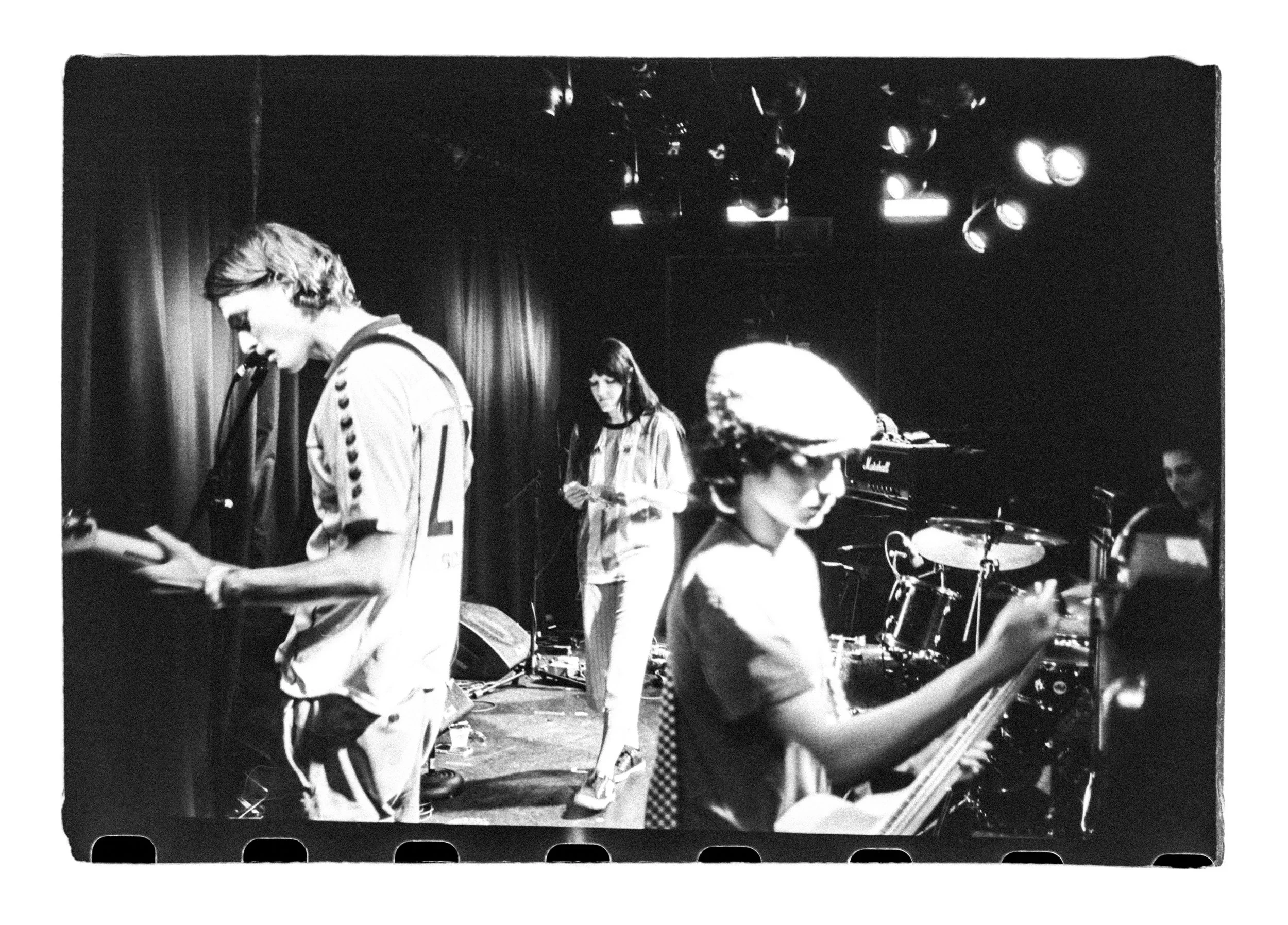
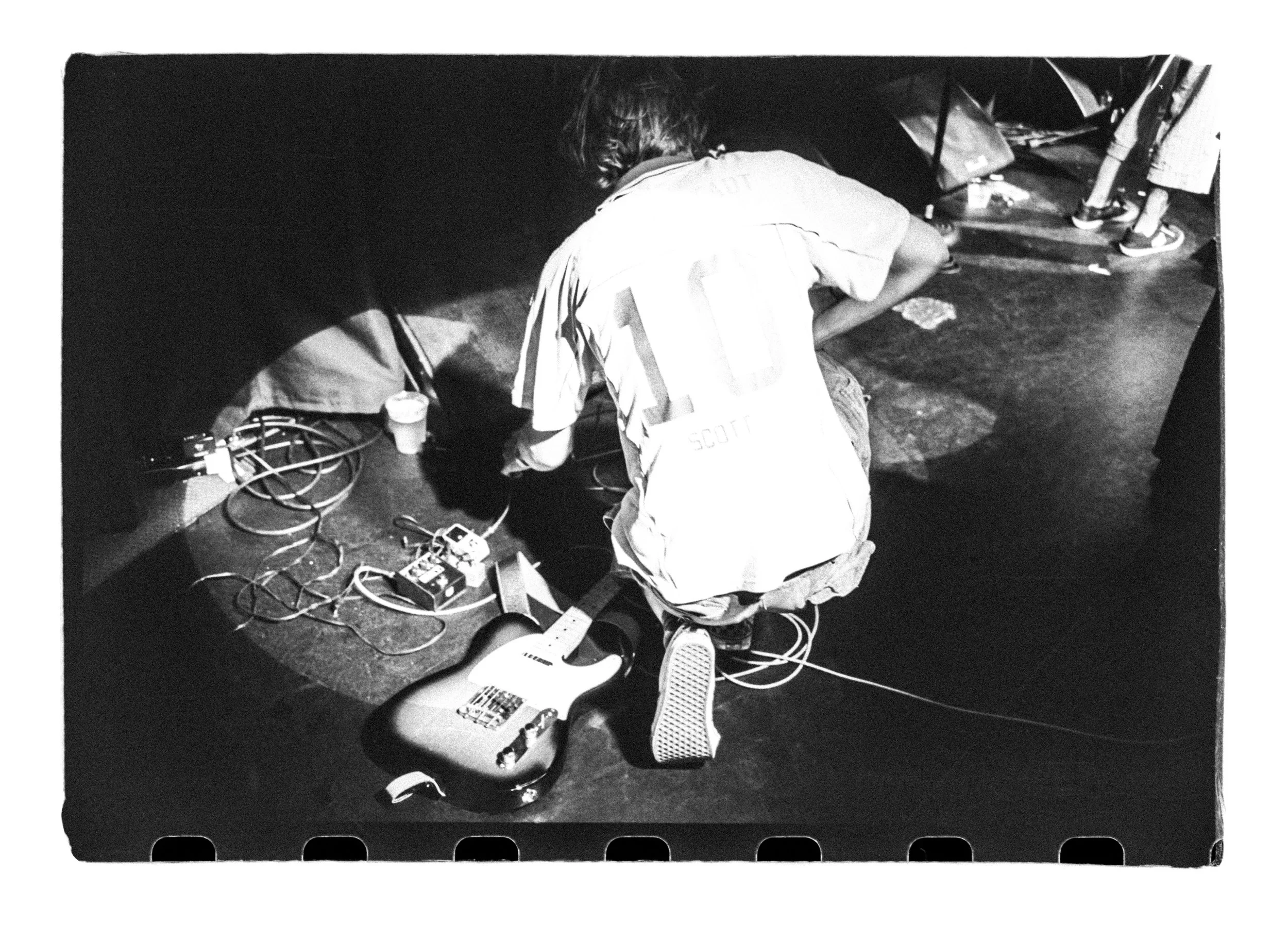
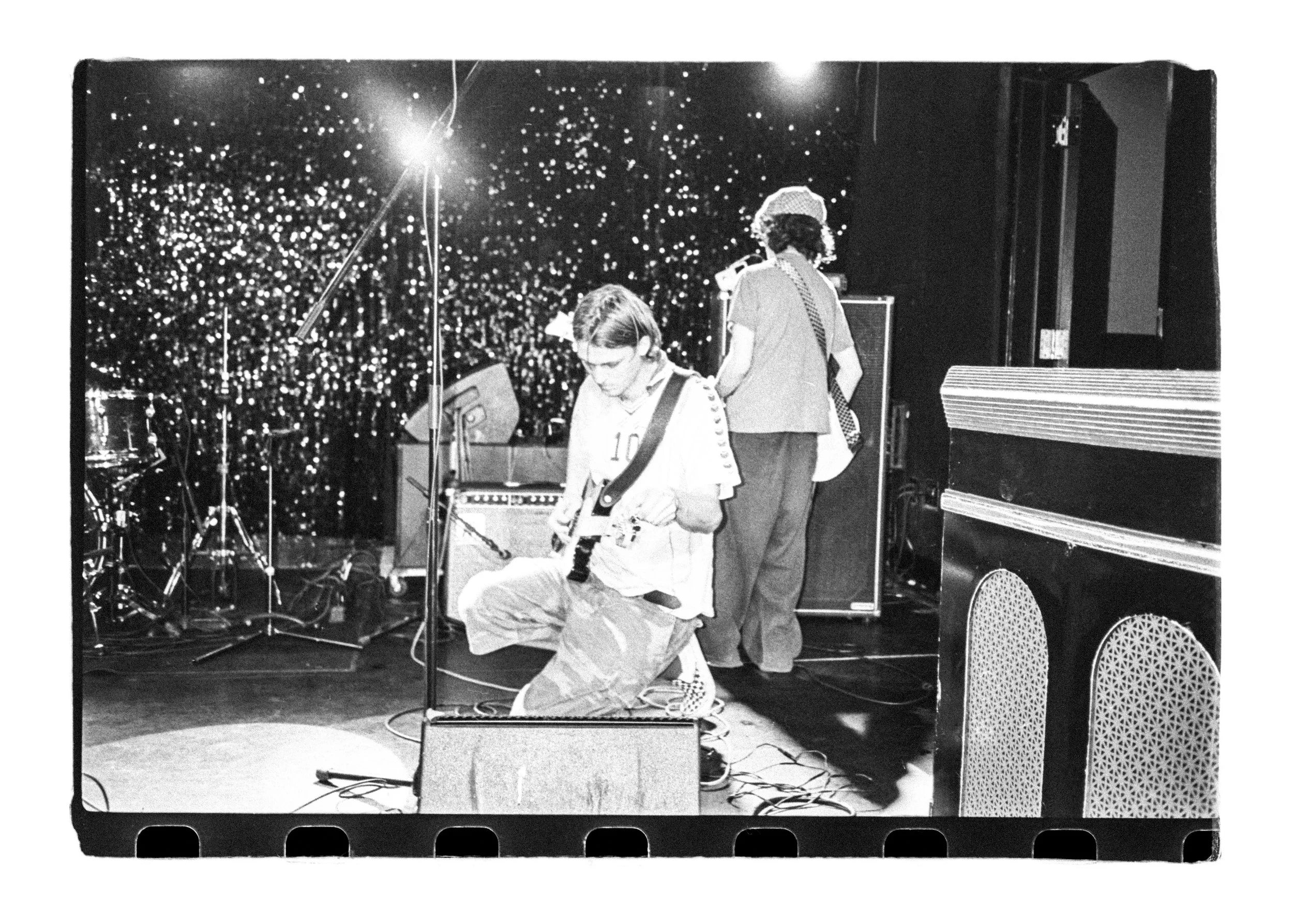
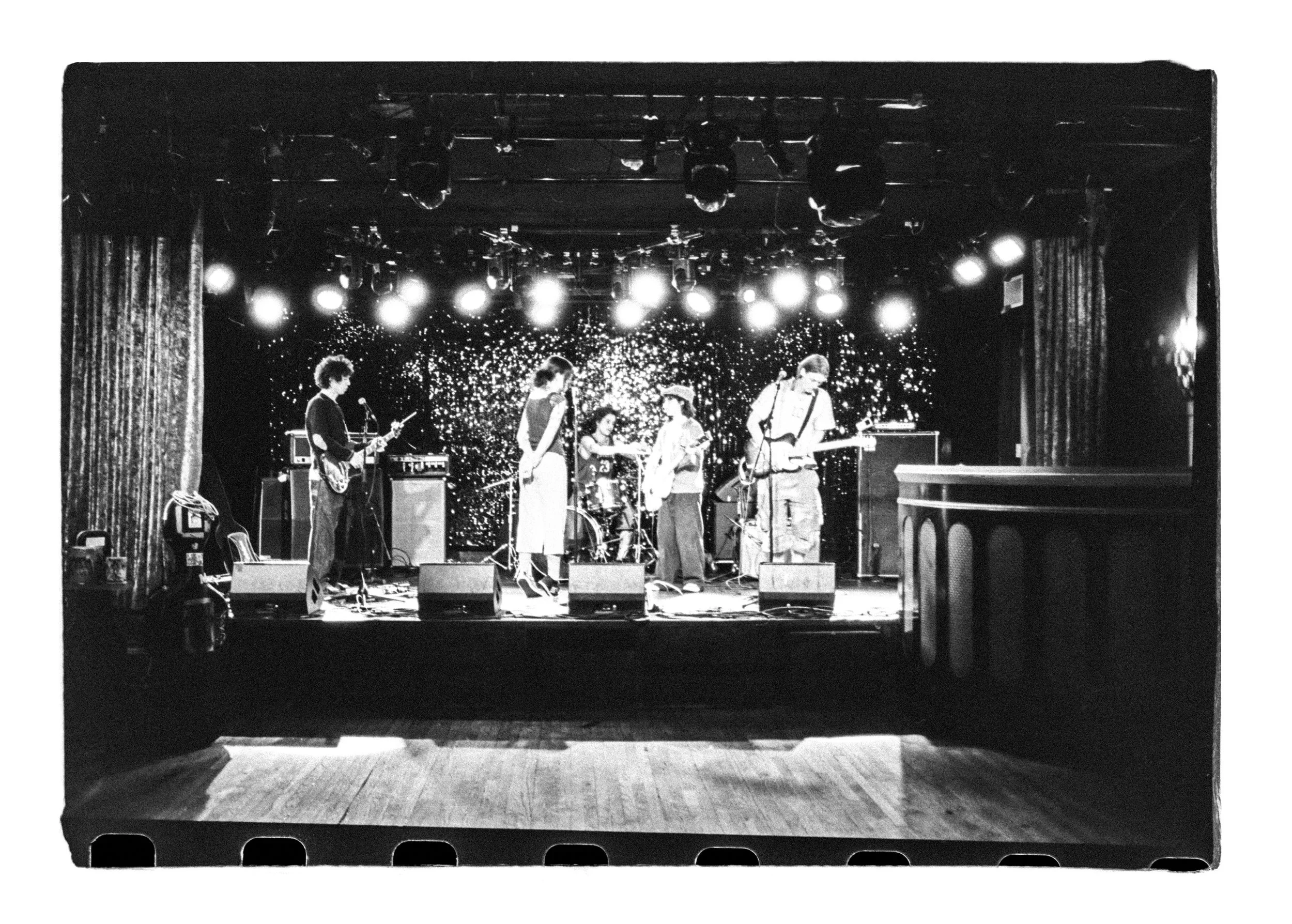
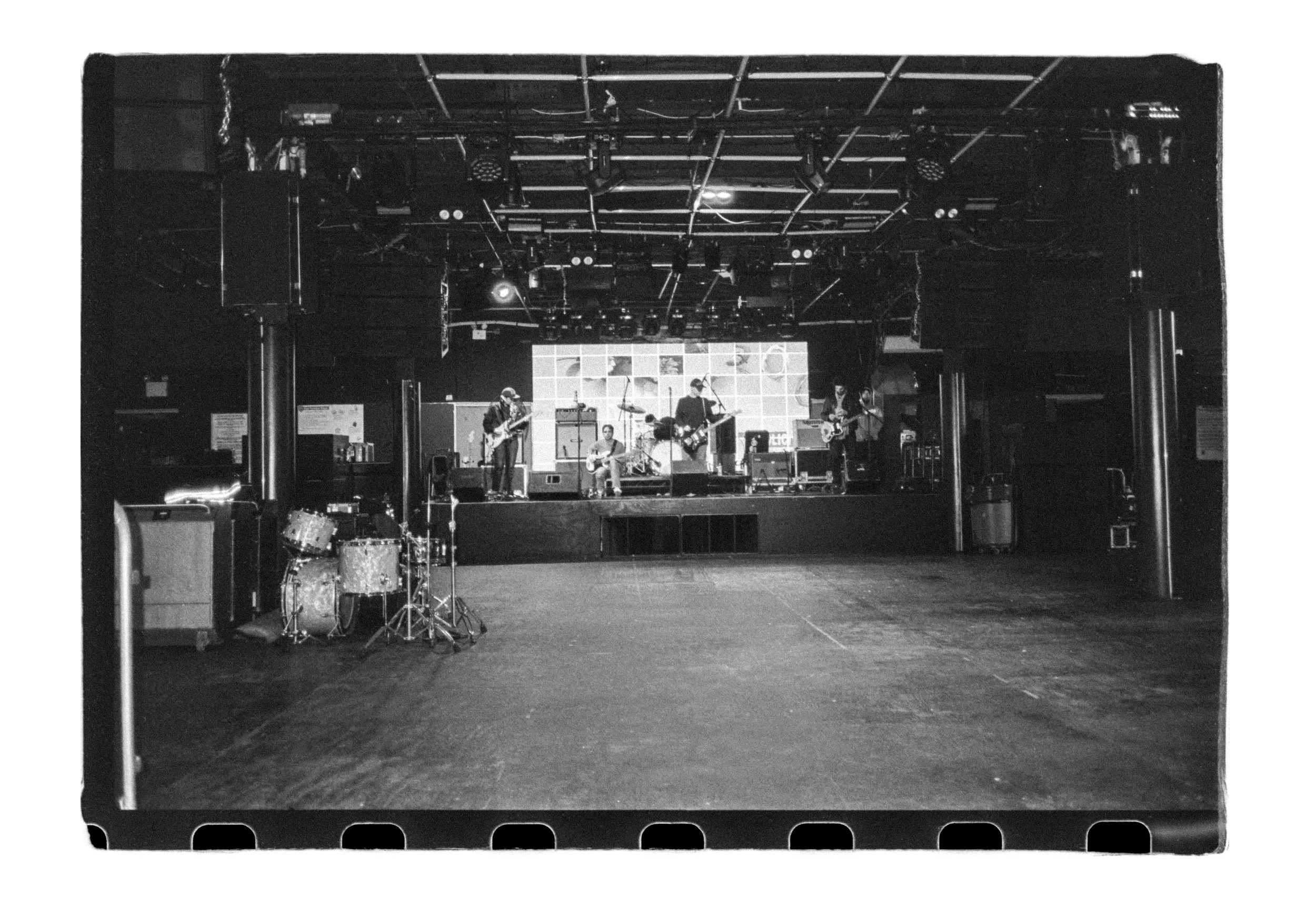
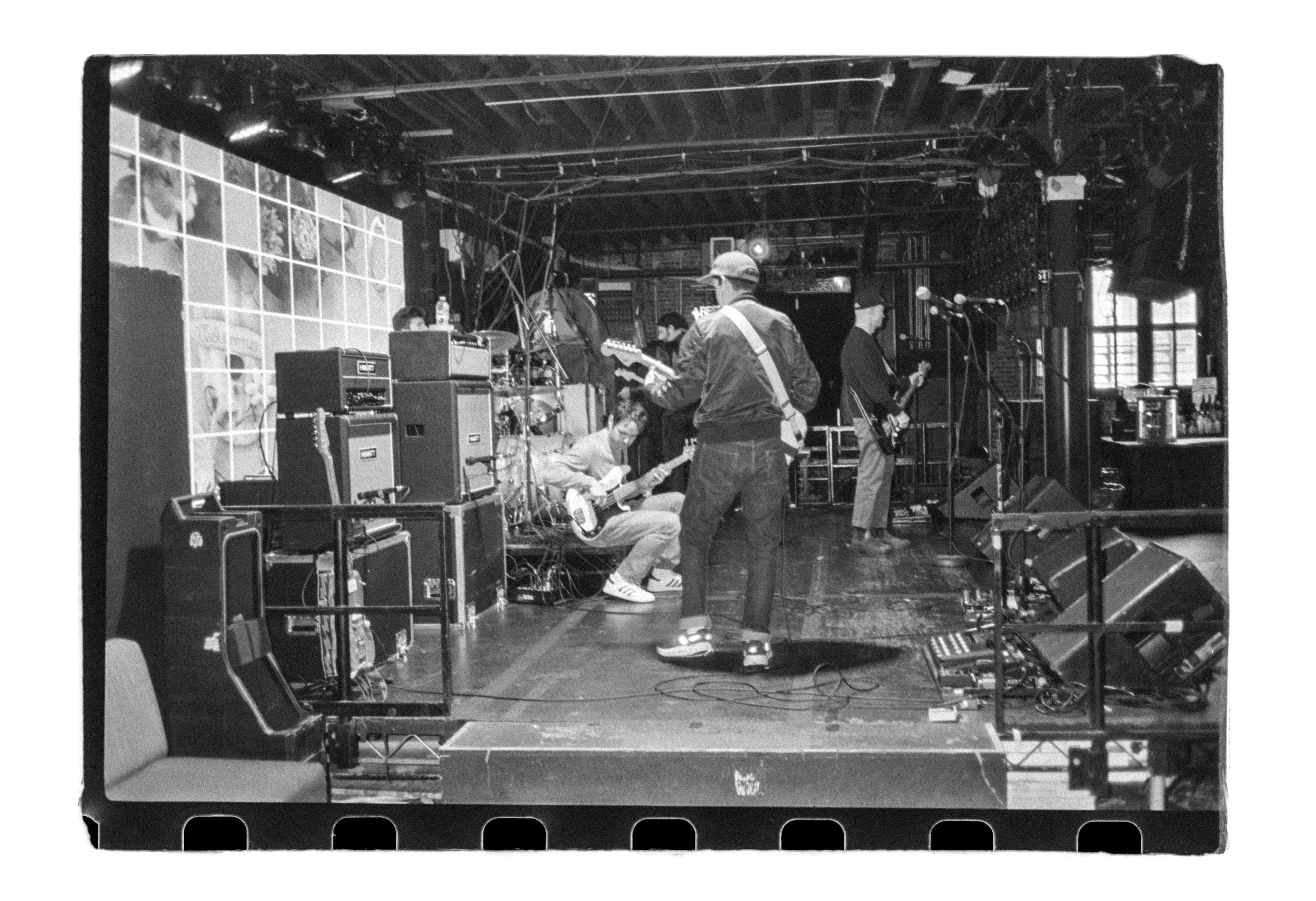
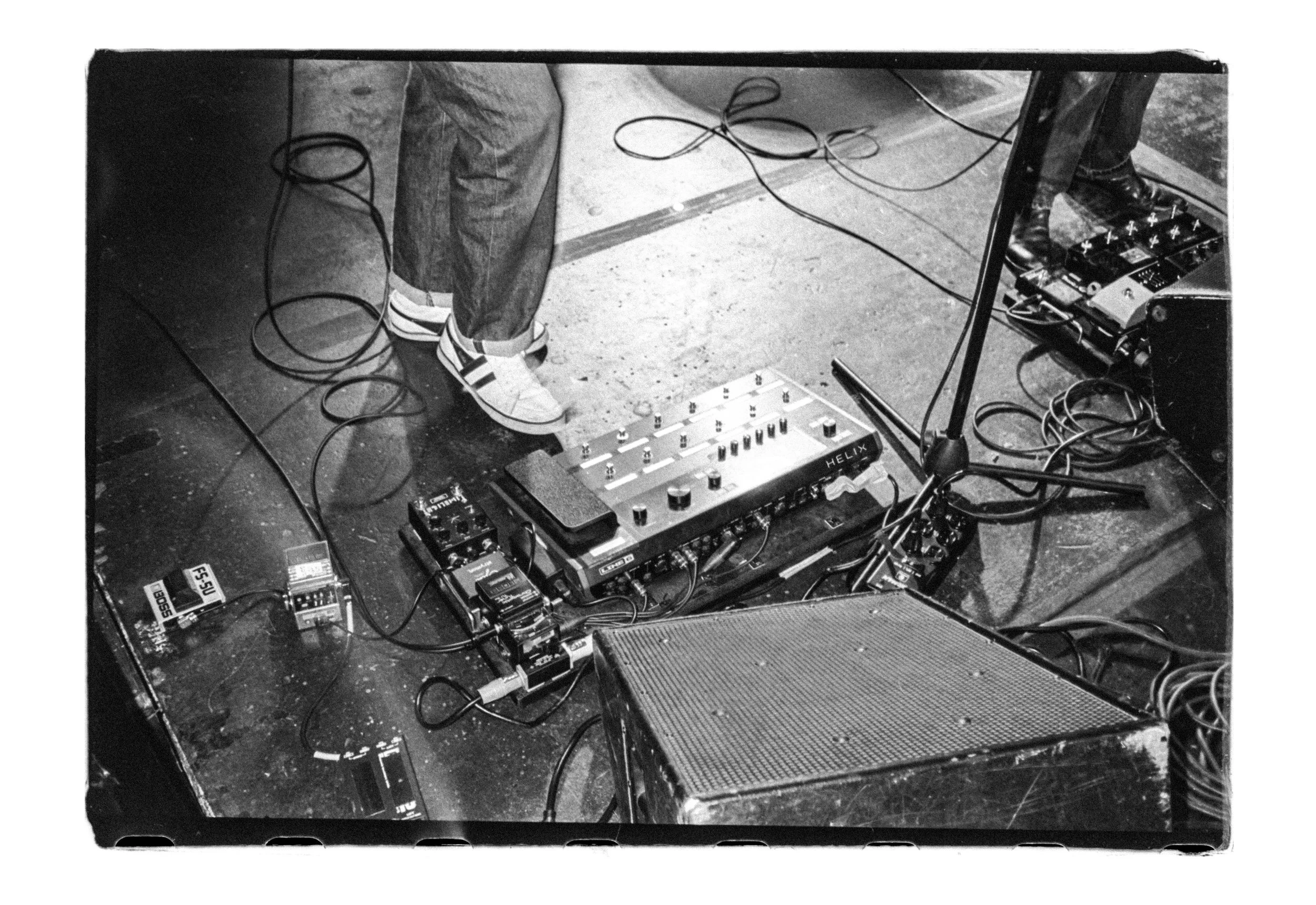
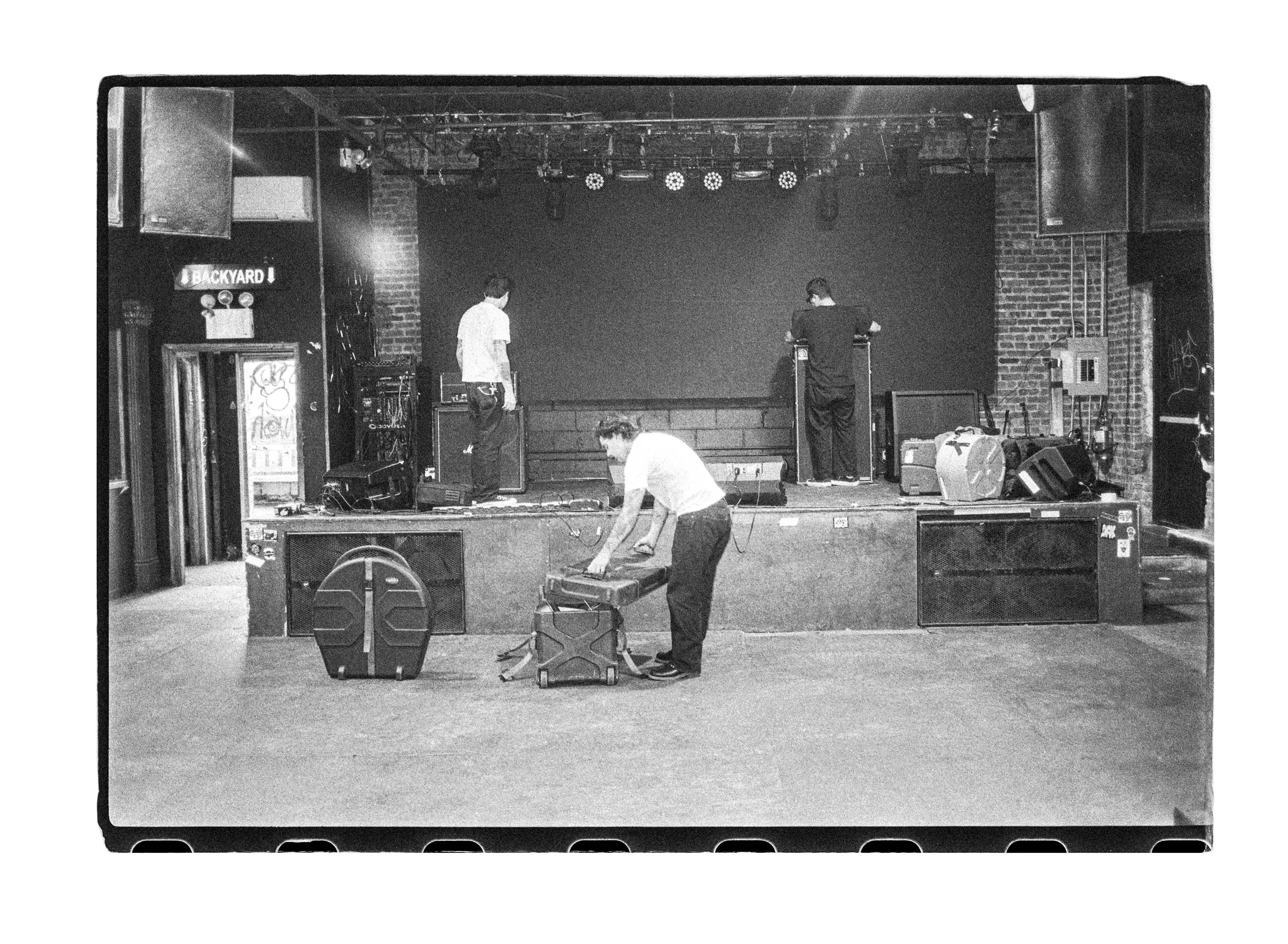
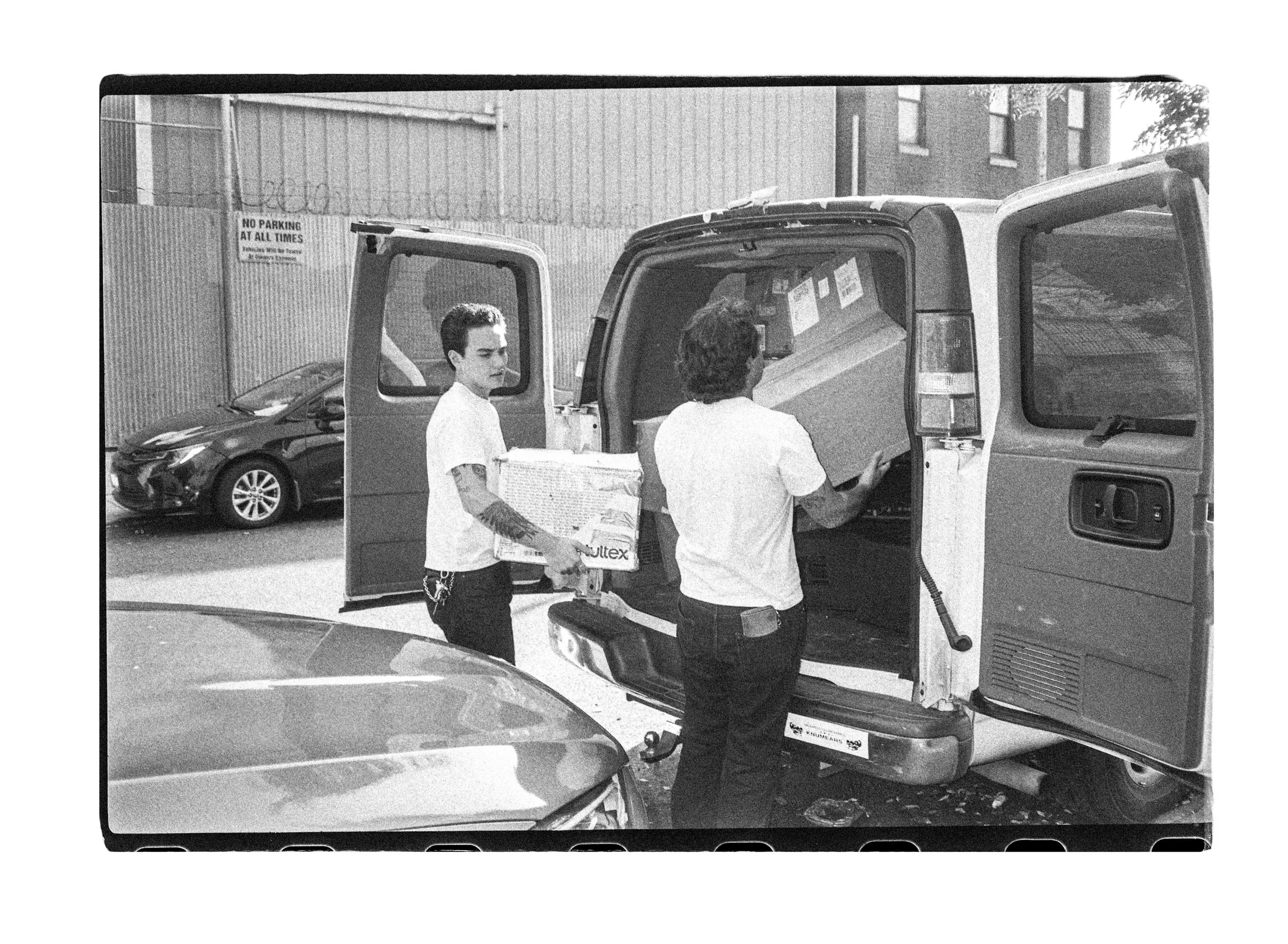
From there we headed over to the venue for load-in and soundcheck.
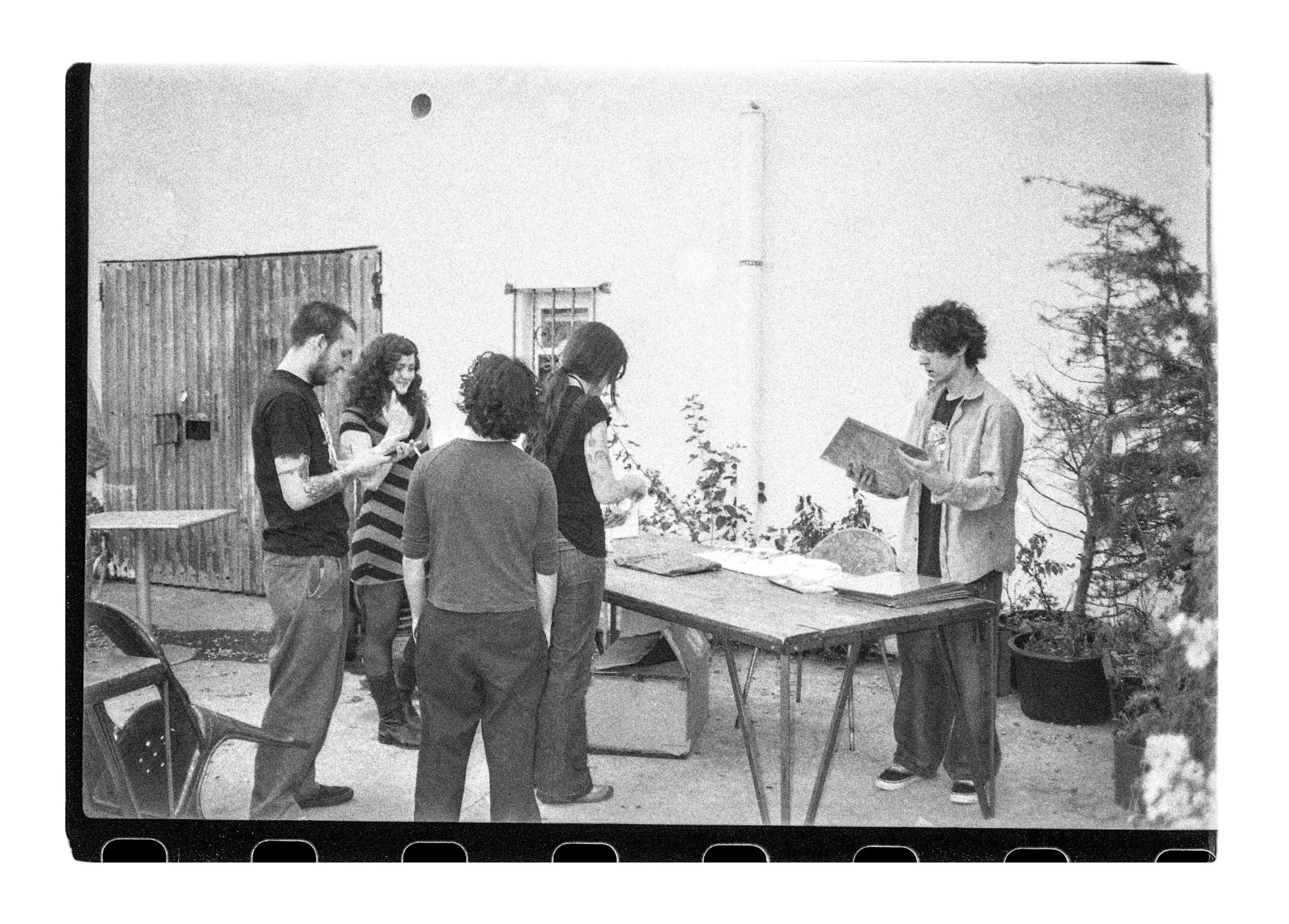
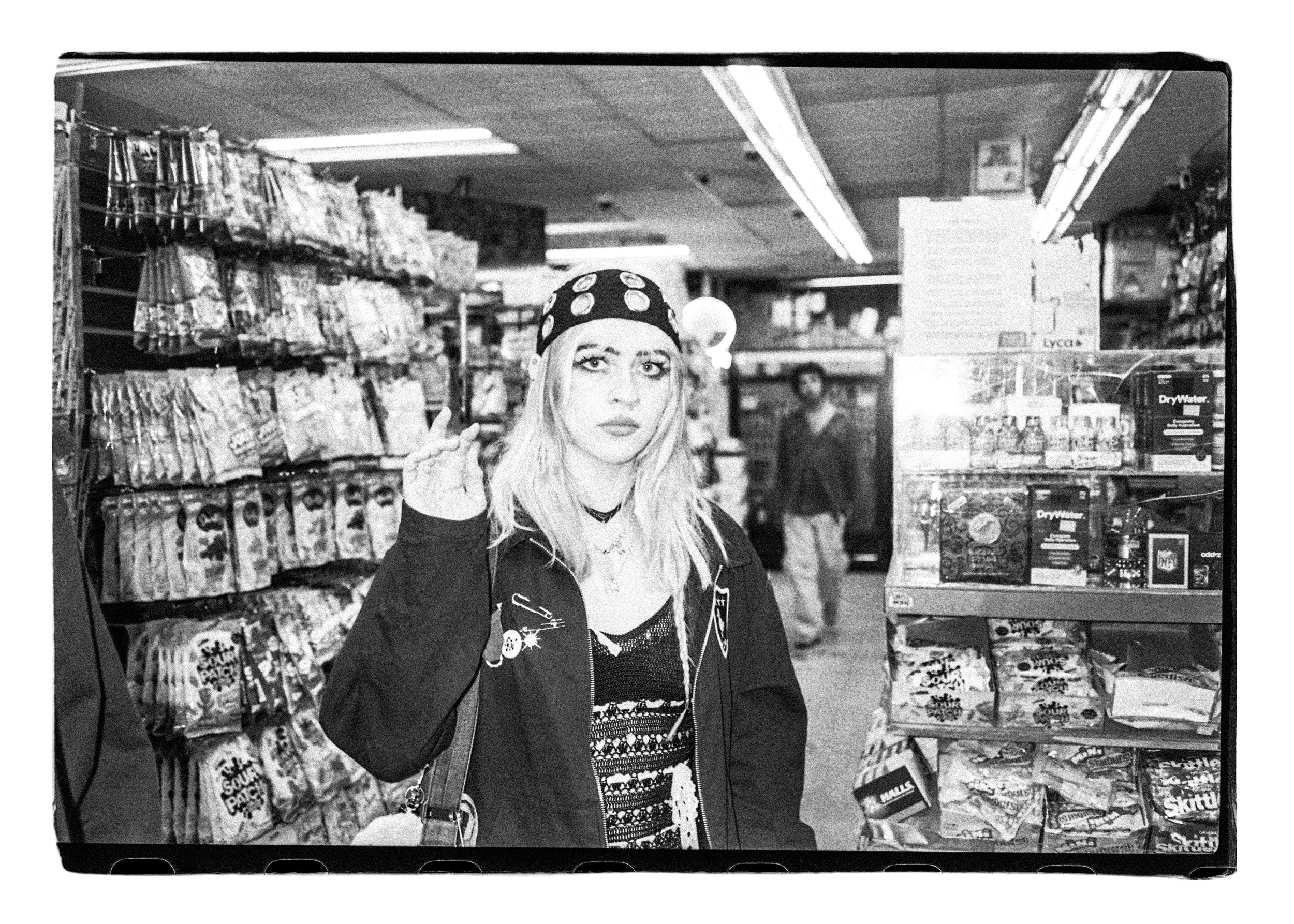
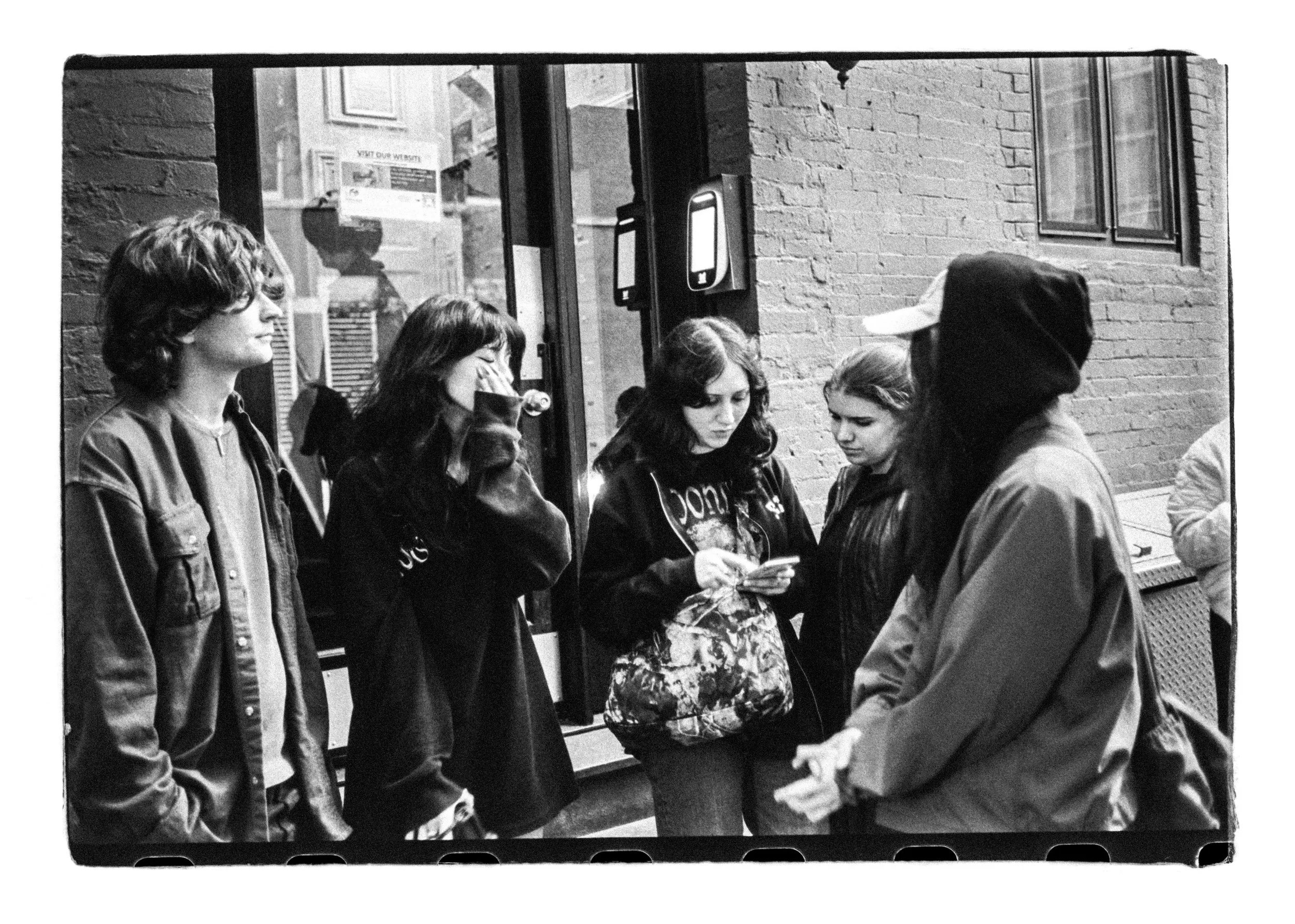
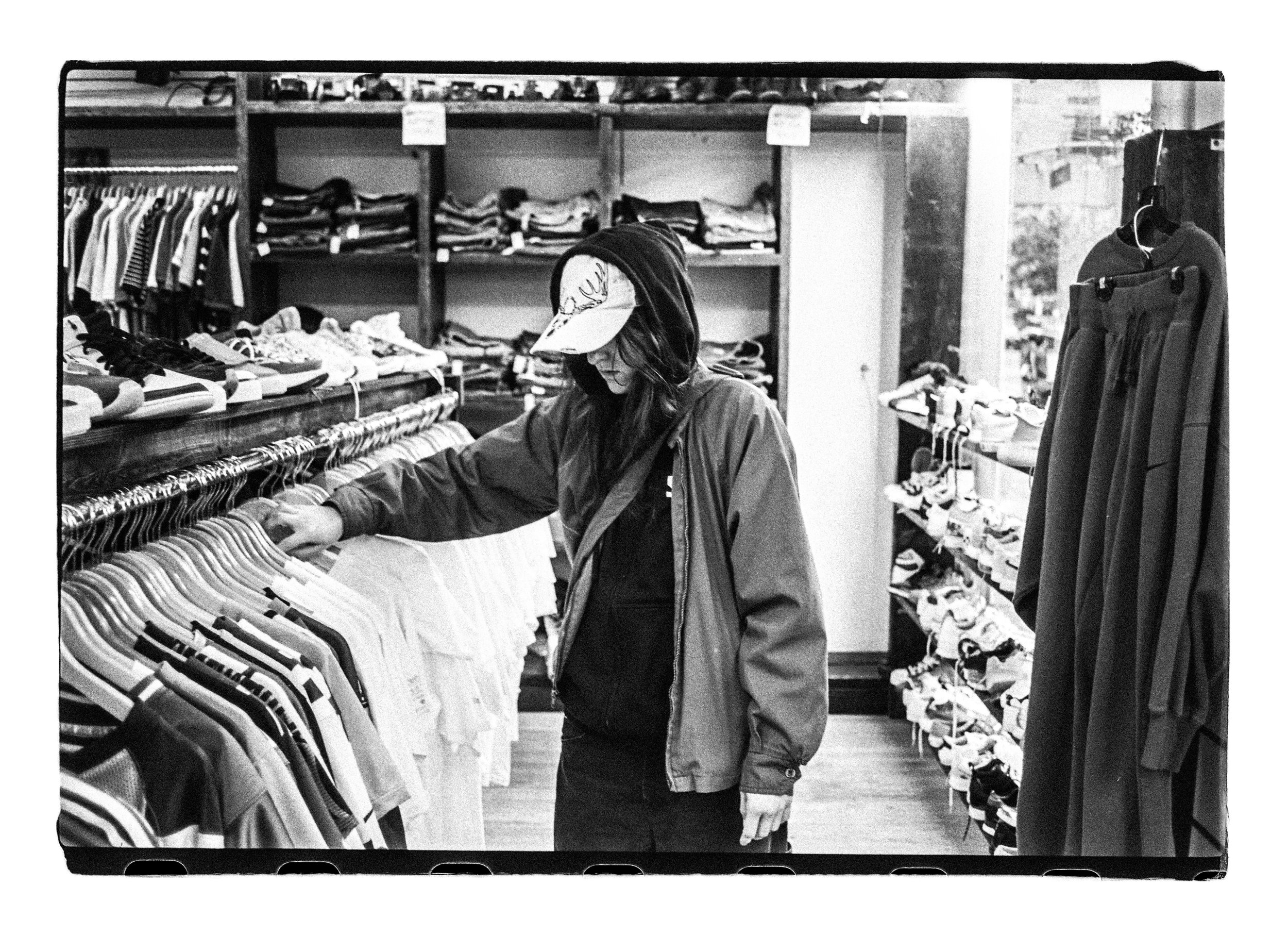
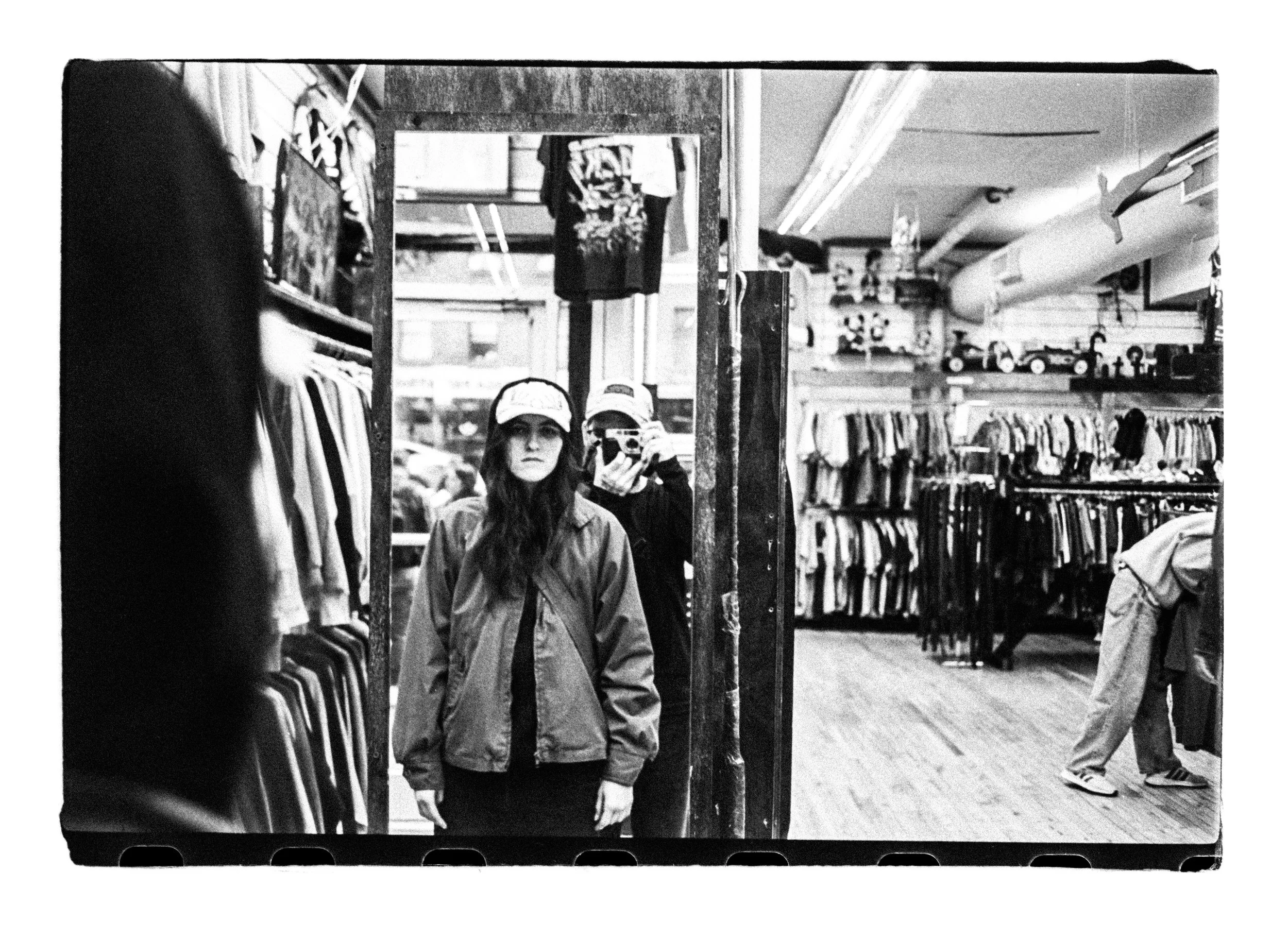
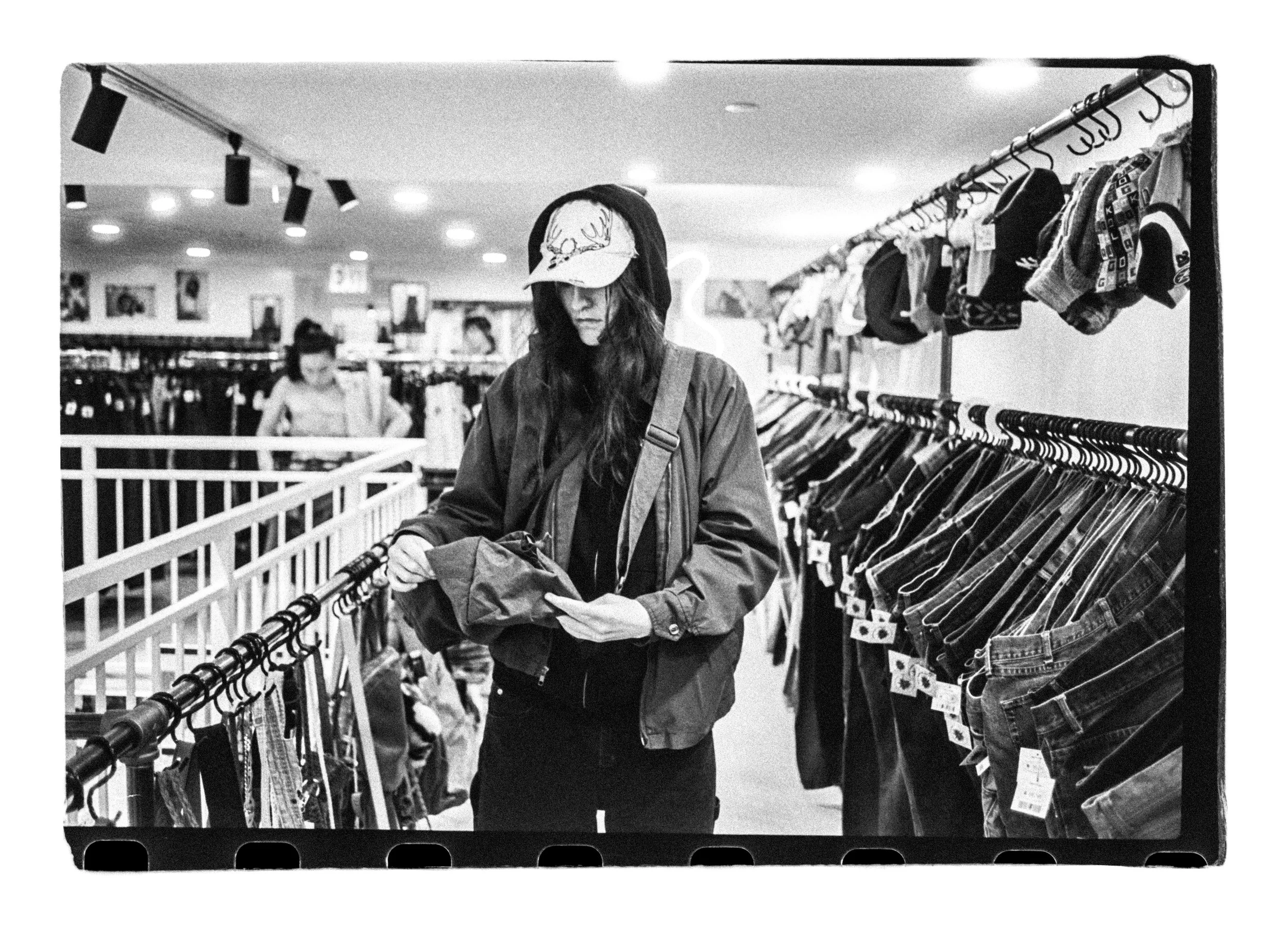
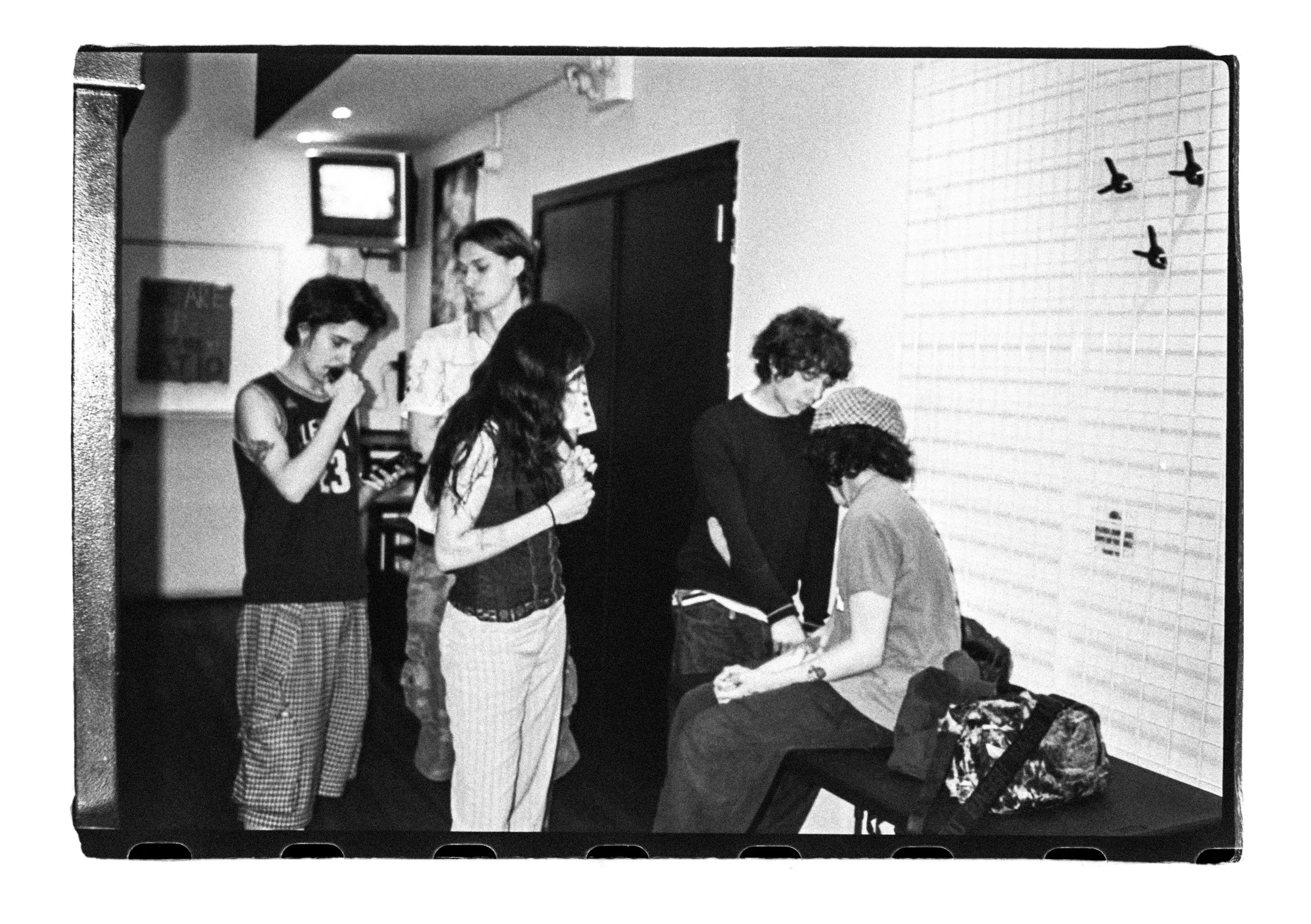
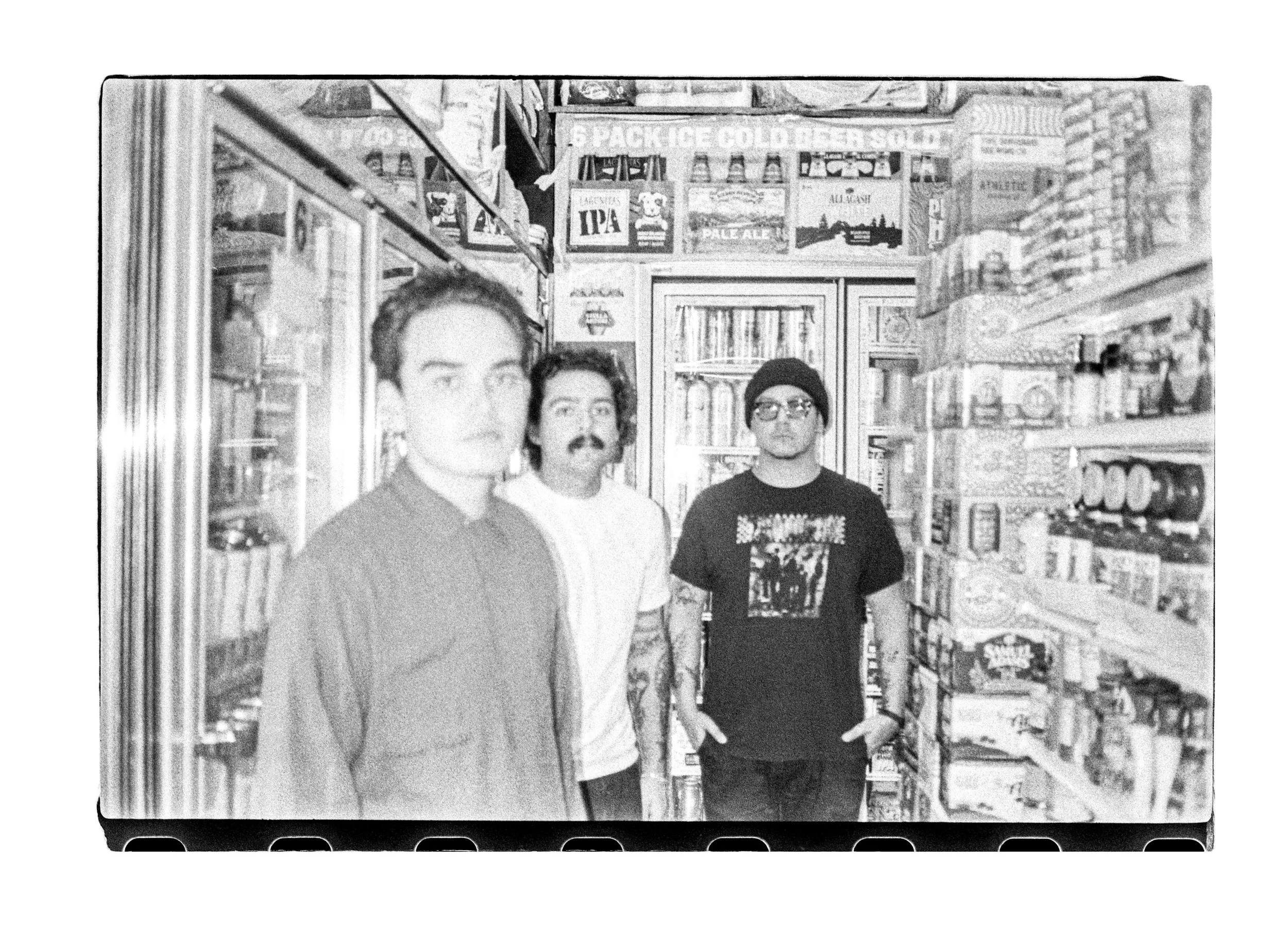
Once they were done, we walked up the street to a bodega to grab some snacks. I made a few photos of them in the back aisle before we headed back outside. We still had time to kill, so we wandered through a couple vintage shops, Raggedy Threads and Stella Dallas, looking around for whatever might be worth dragging home.
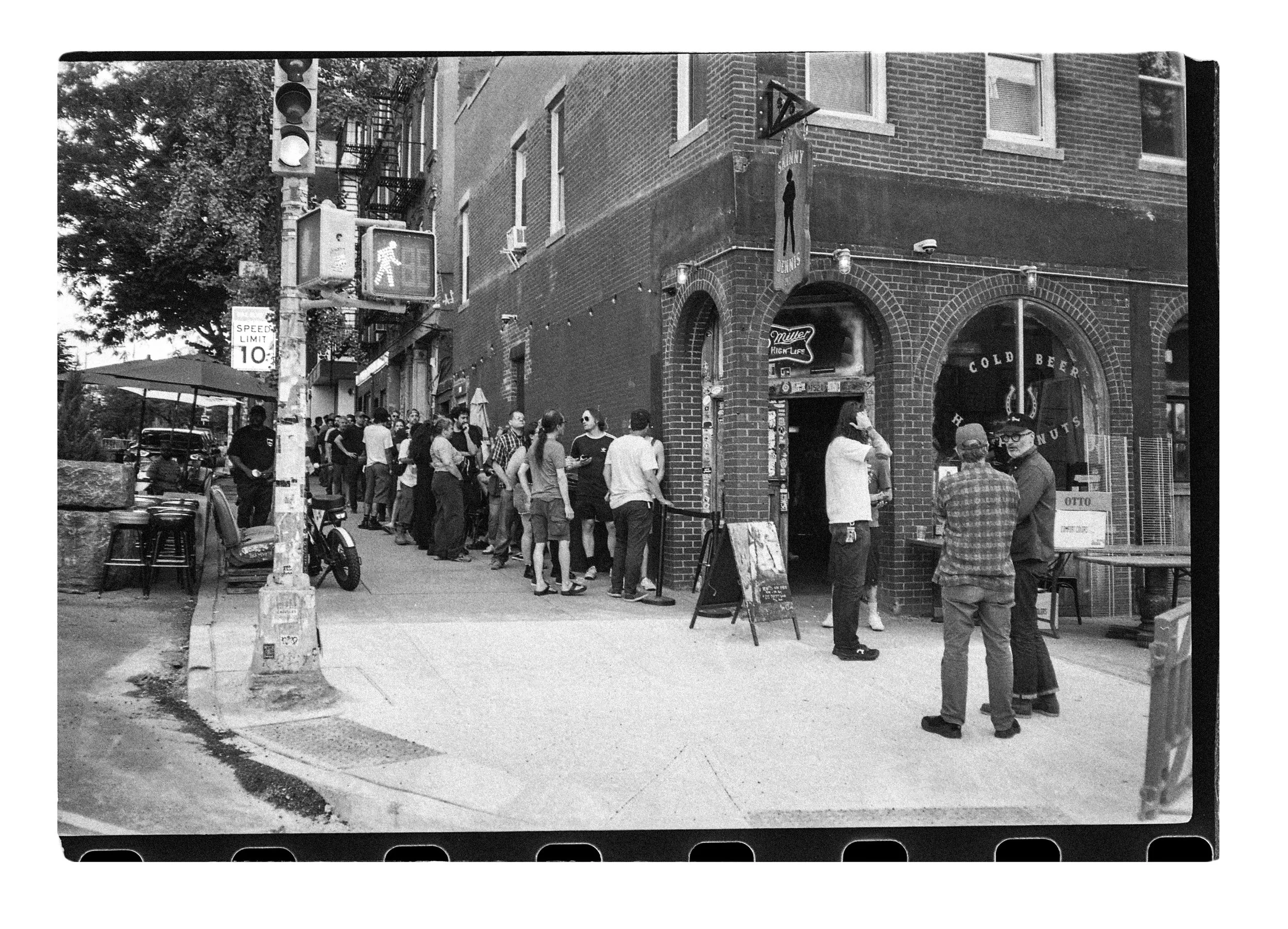
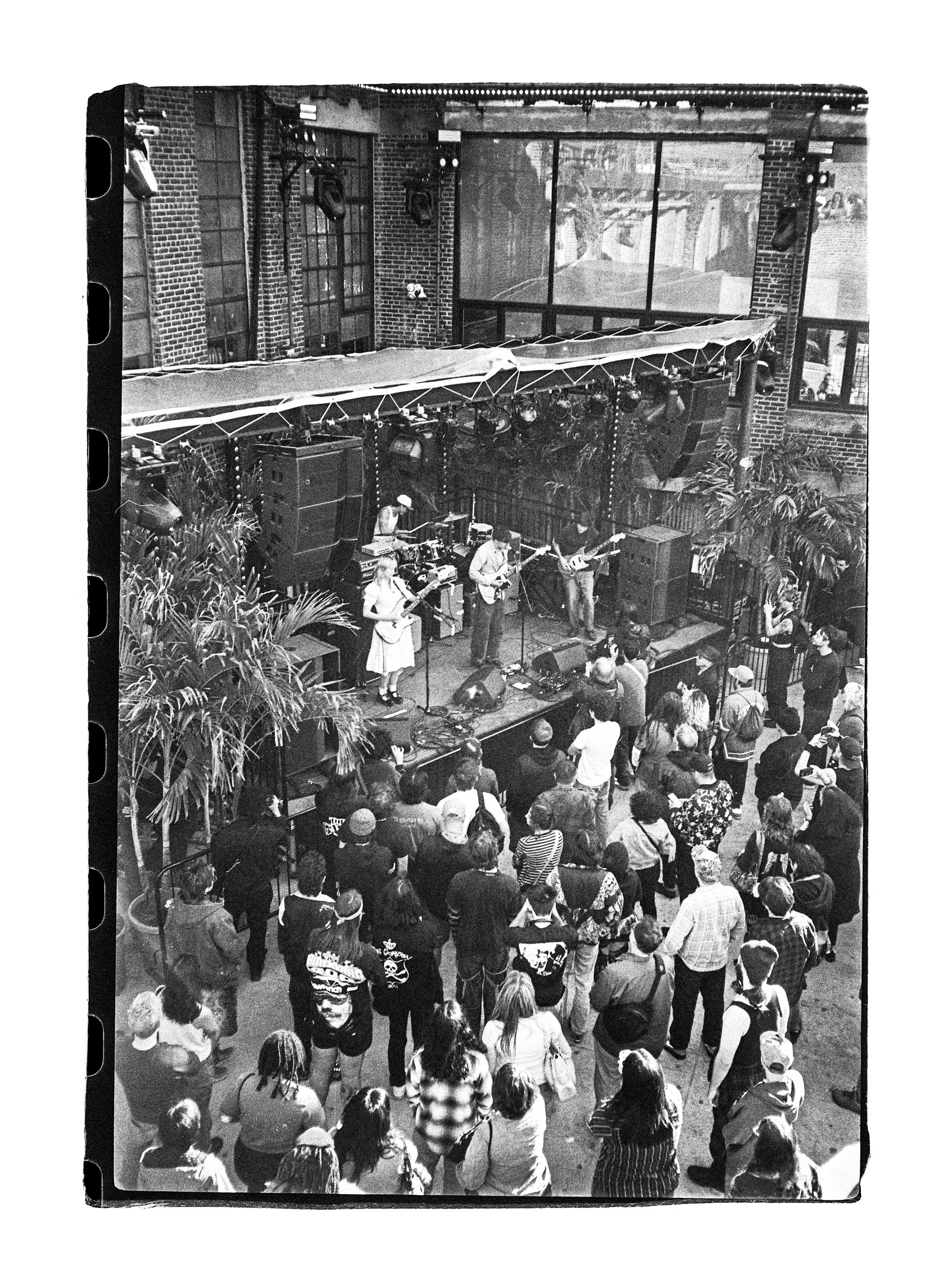
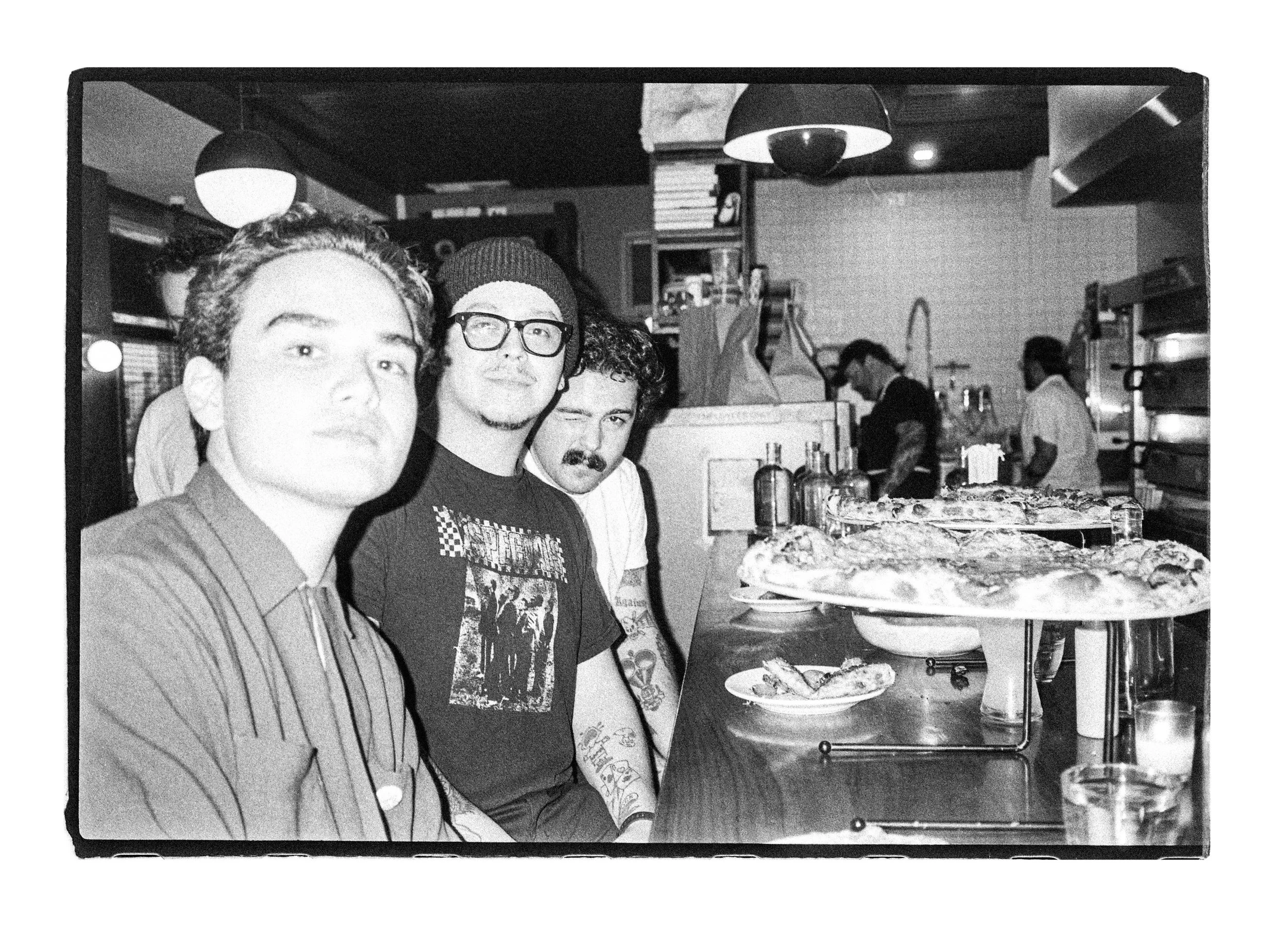
For lunch we went out to Ridgewood to Decades for pizza. There was a Fiddlehead flyer hanging on the wall, so I texted Pat Flynn and mentioned that I was there with the guys from Knumears. He immediately had nothing but good things to say about them “true students of the game” he said. Eventually we Ubered back to the venue in time for doors. There was a line stretching down the block.
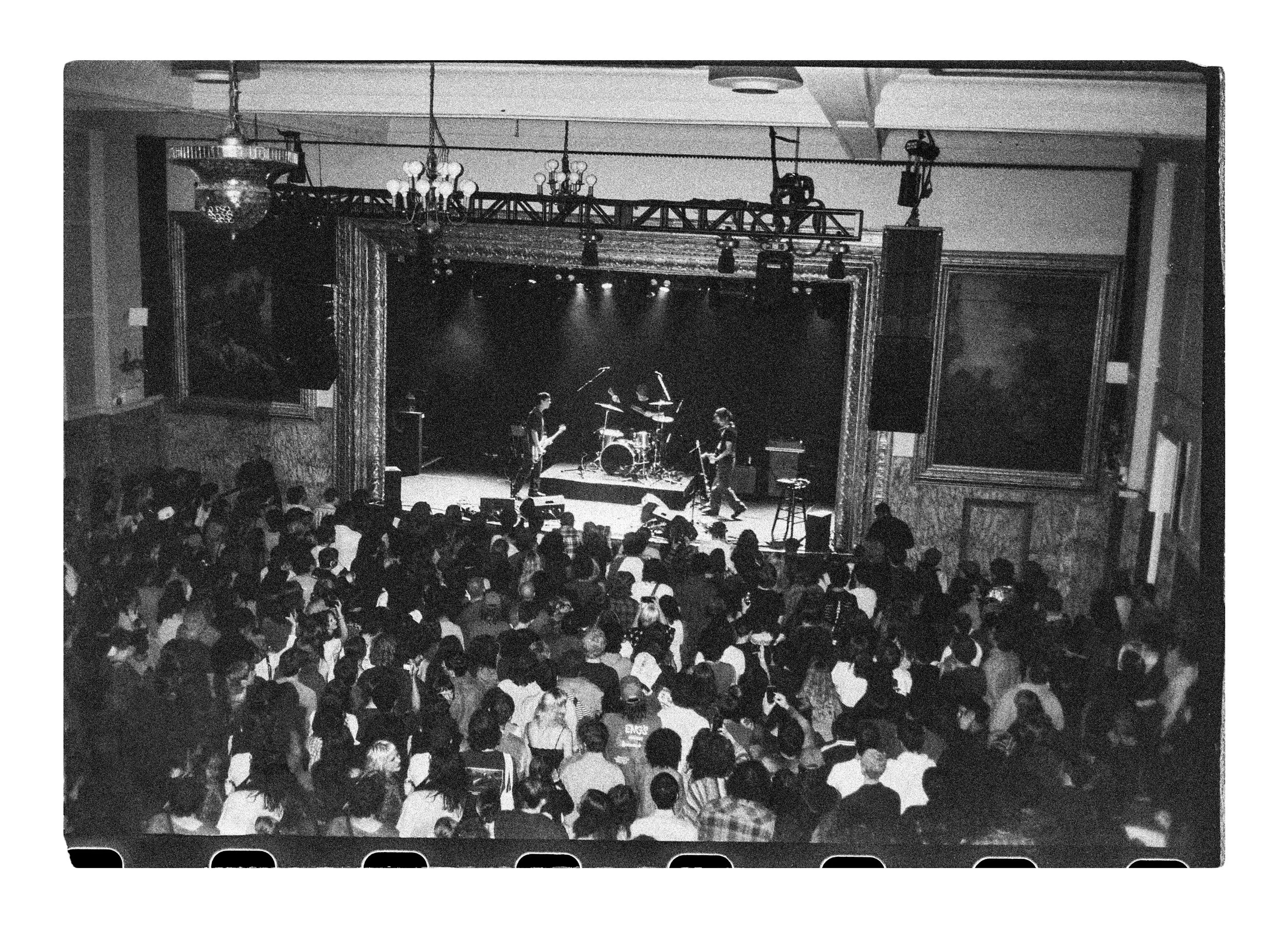
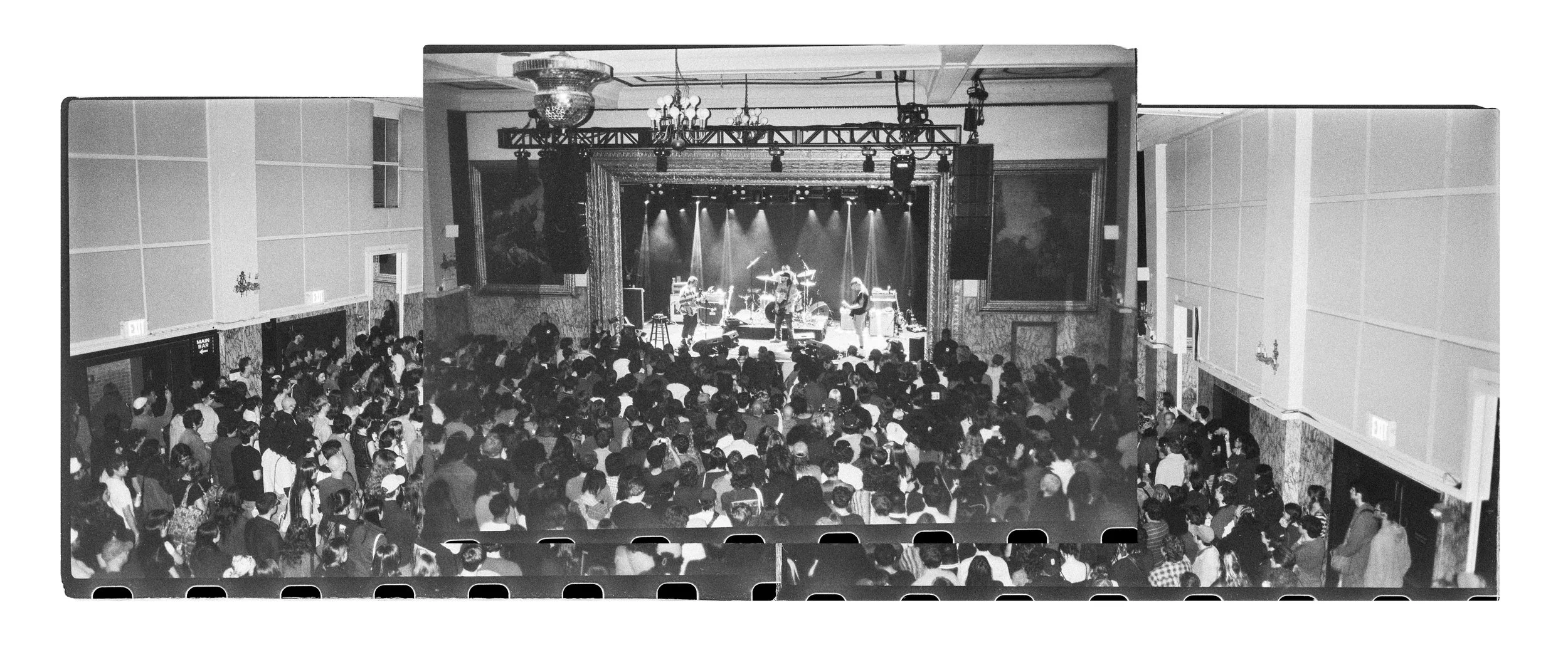
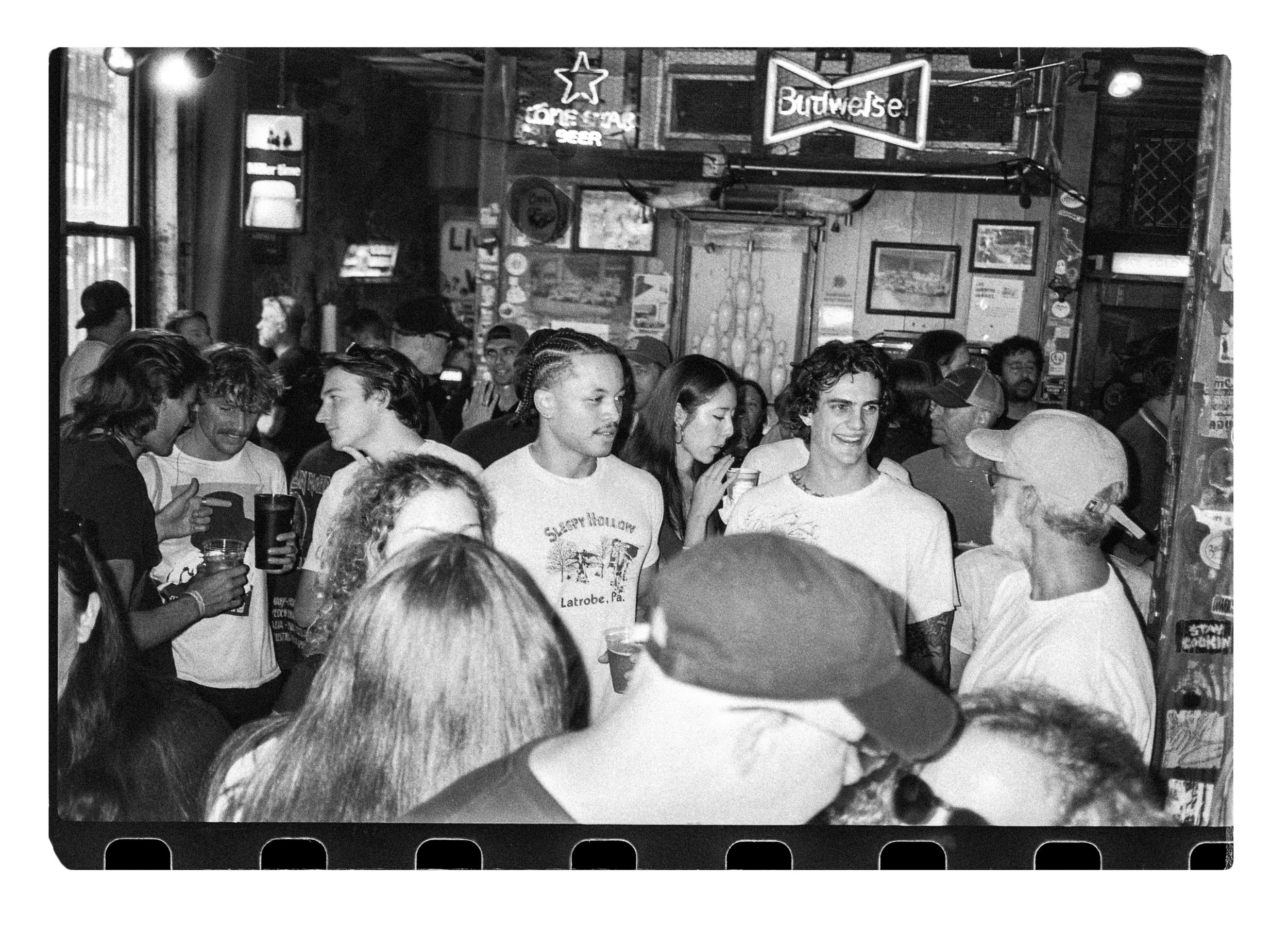
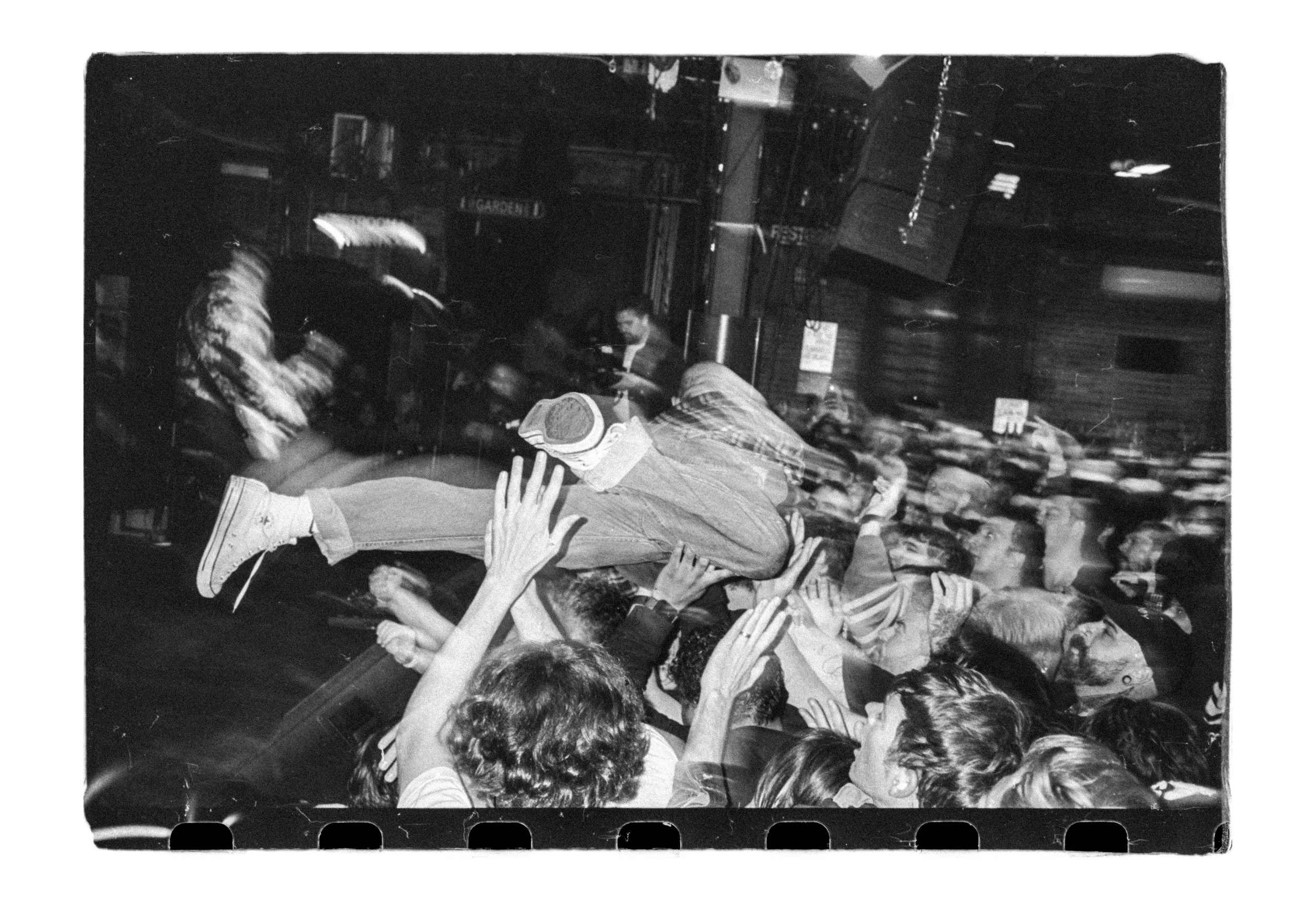
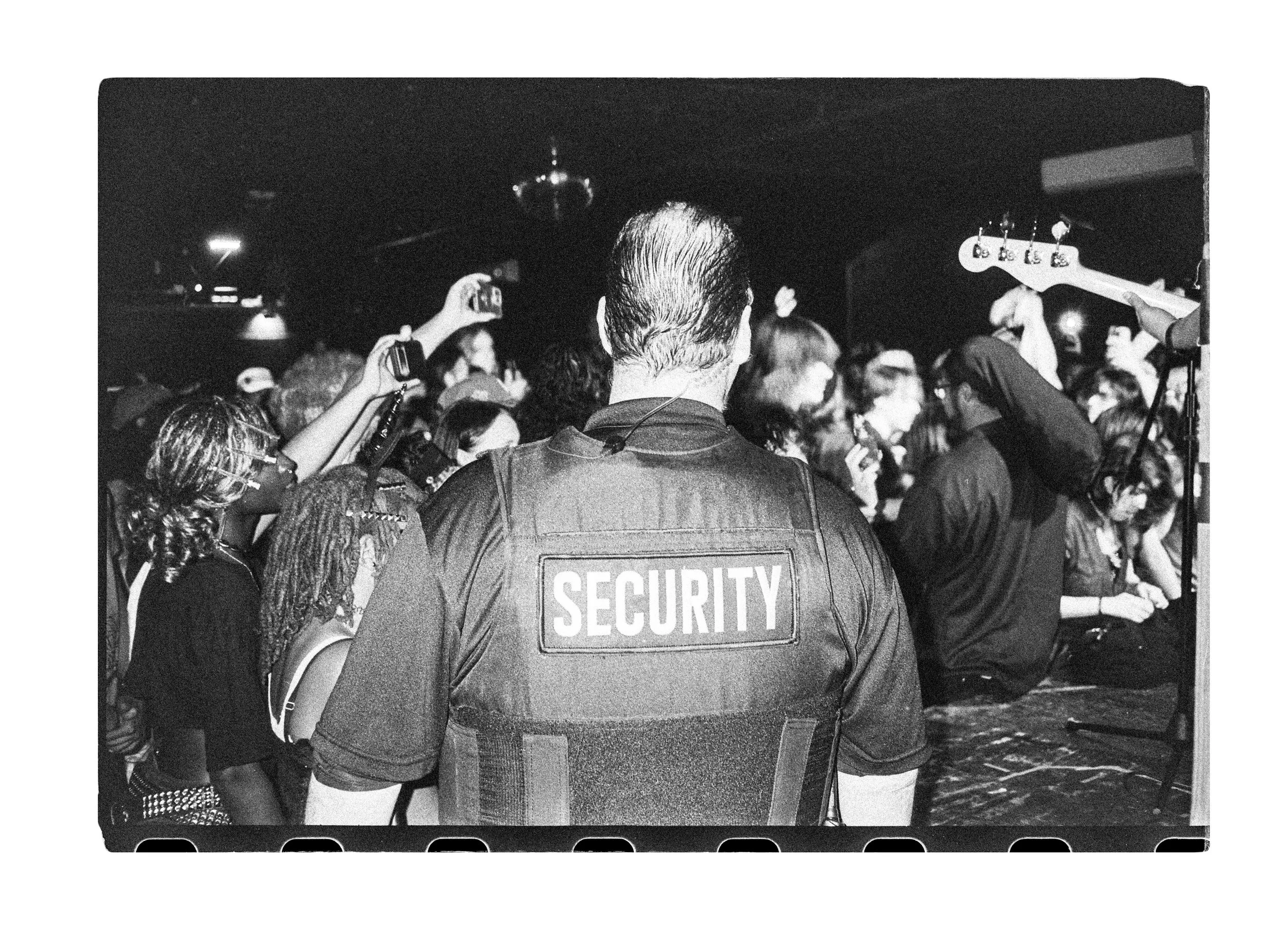
A few openers went on and at some point I heard security outside talking about the stage diving. One person was telling the other guards that somebody needed to get on the mic and tell everyone to stop or they were going to shut the show down.
But alas.
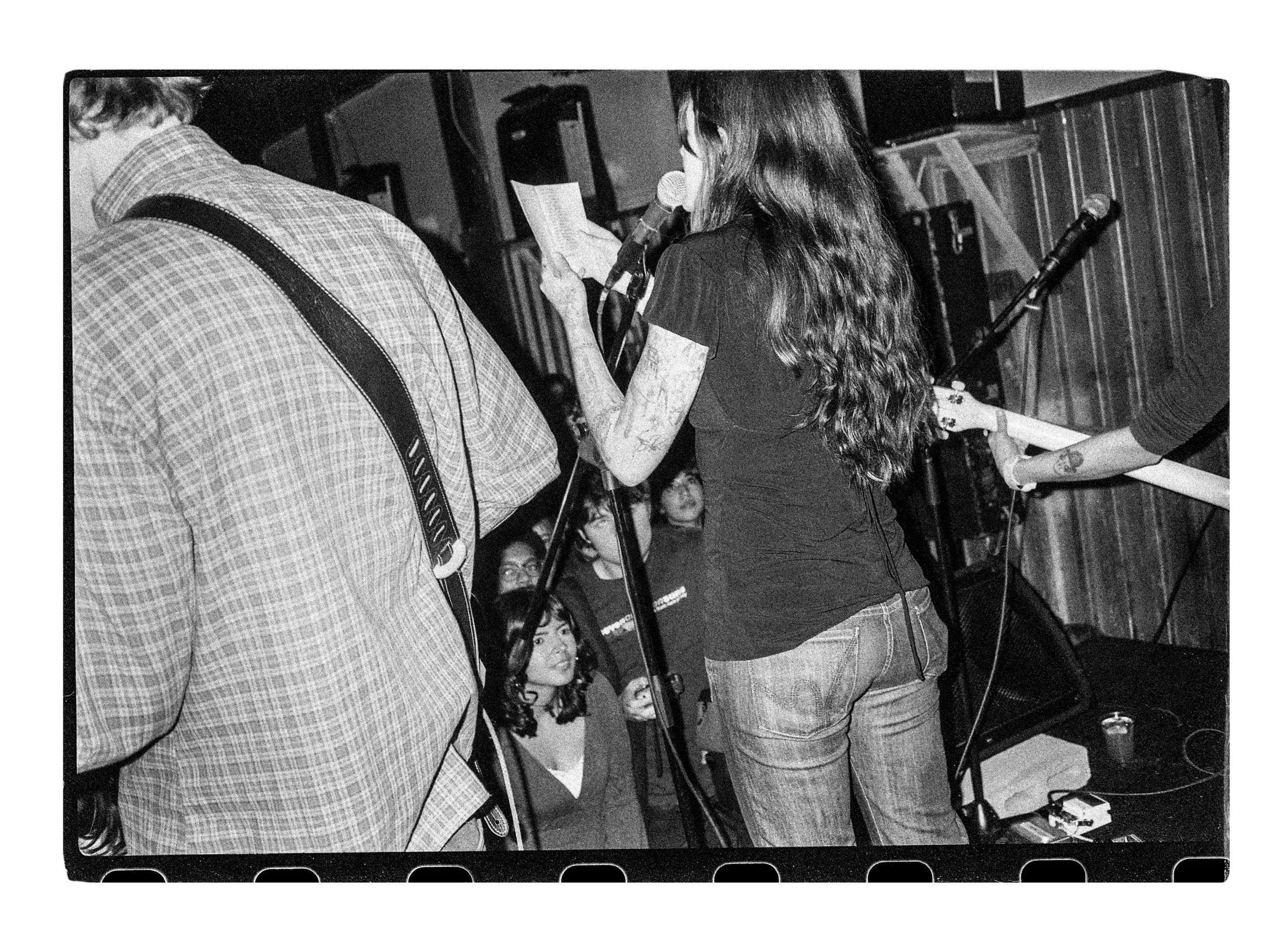
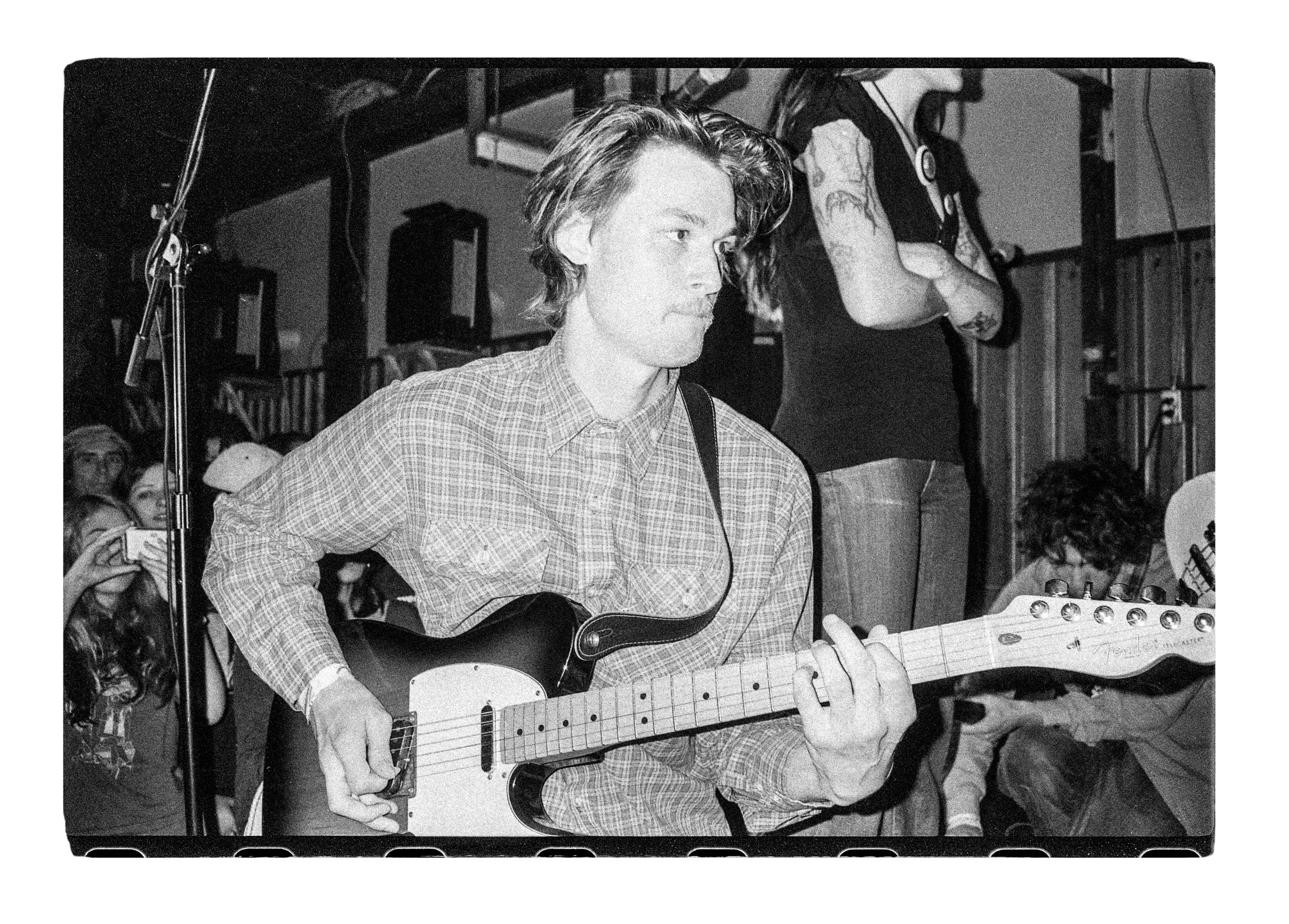
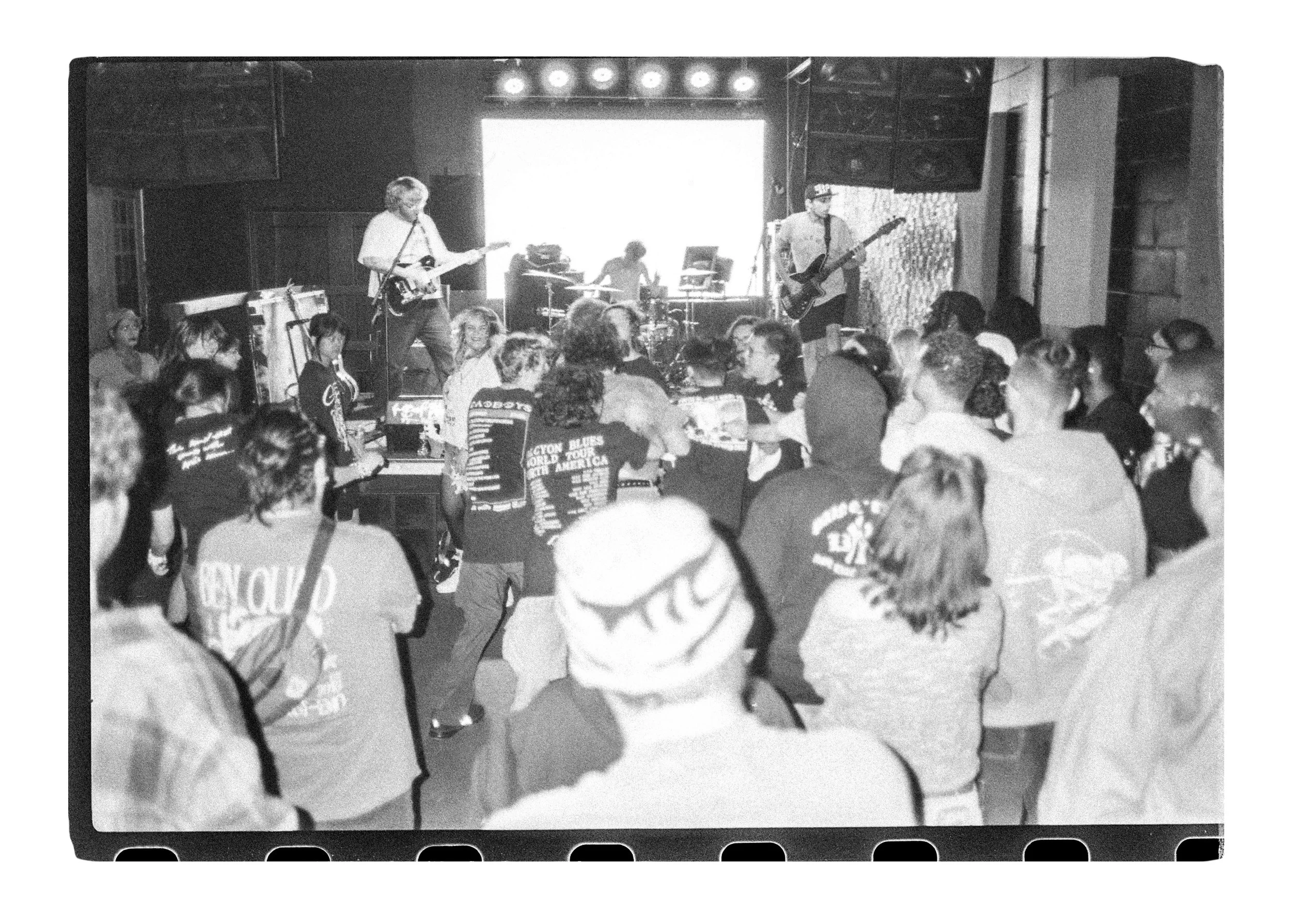
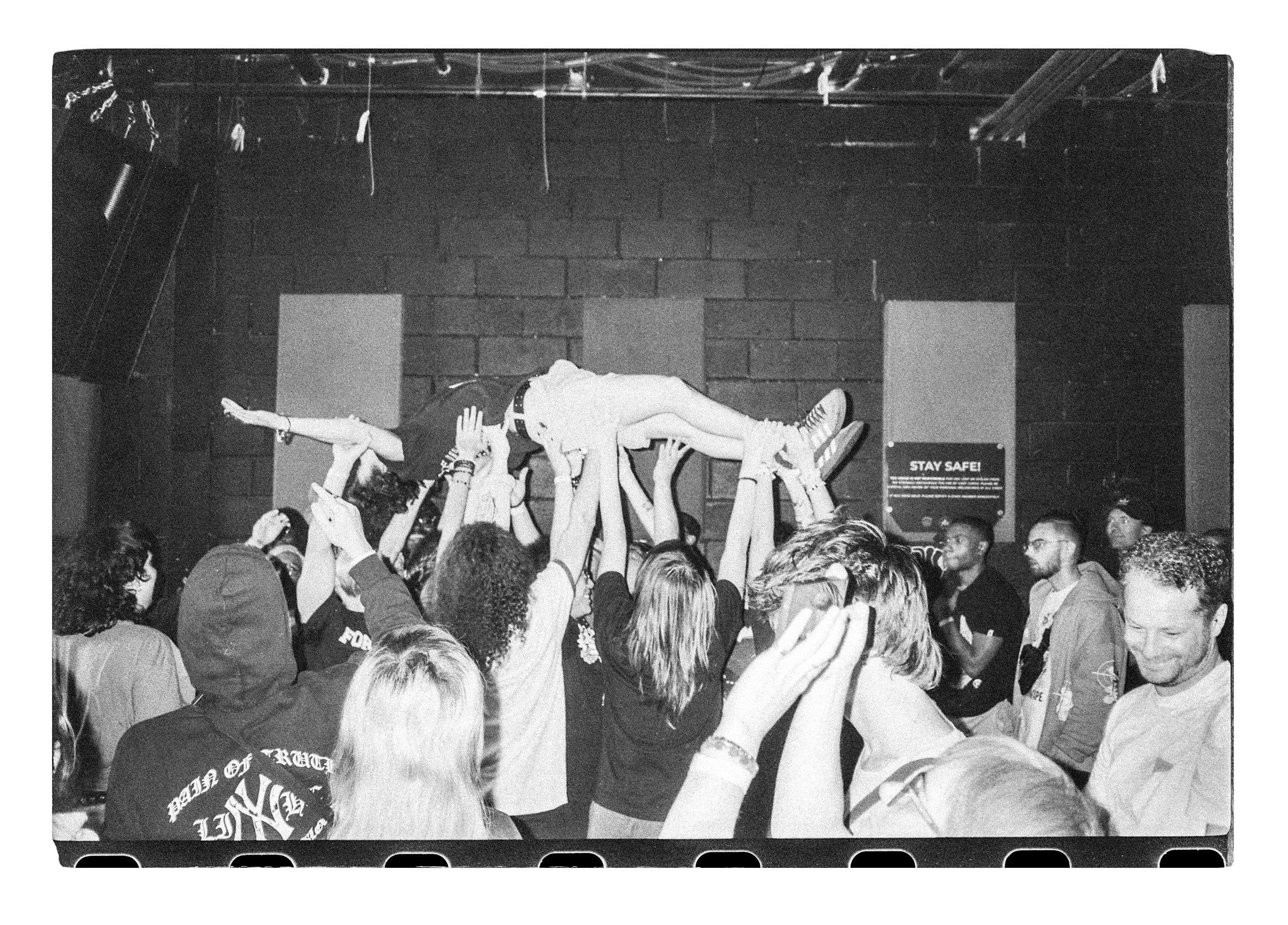
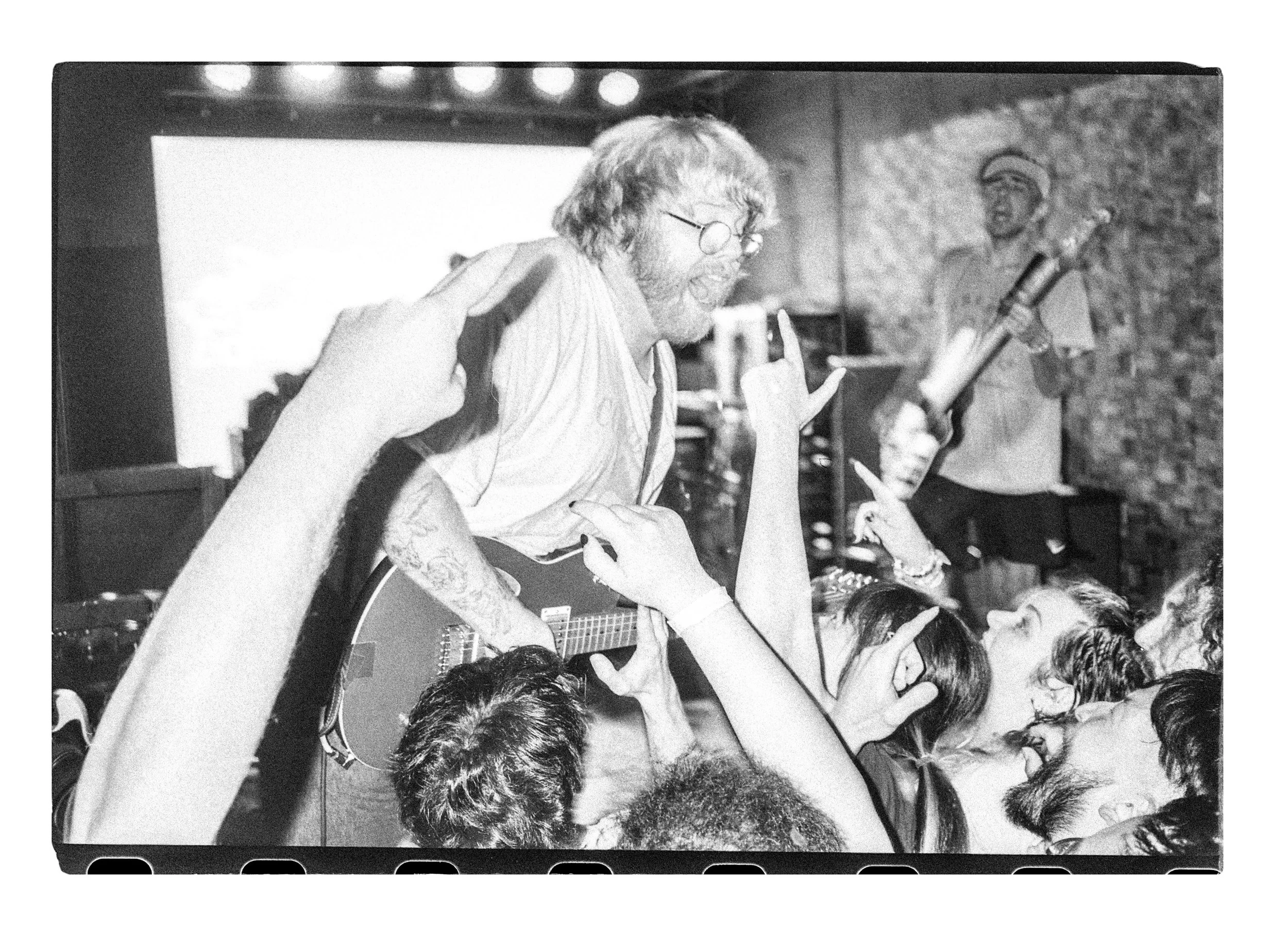
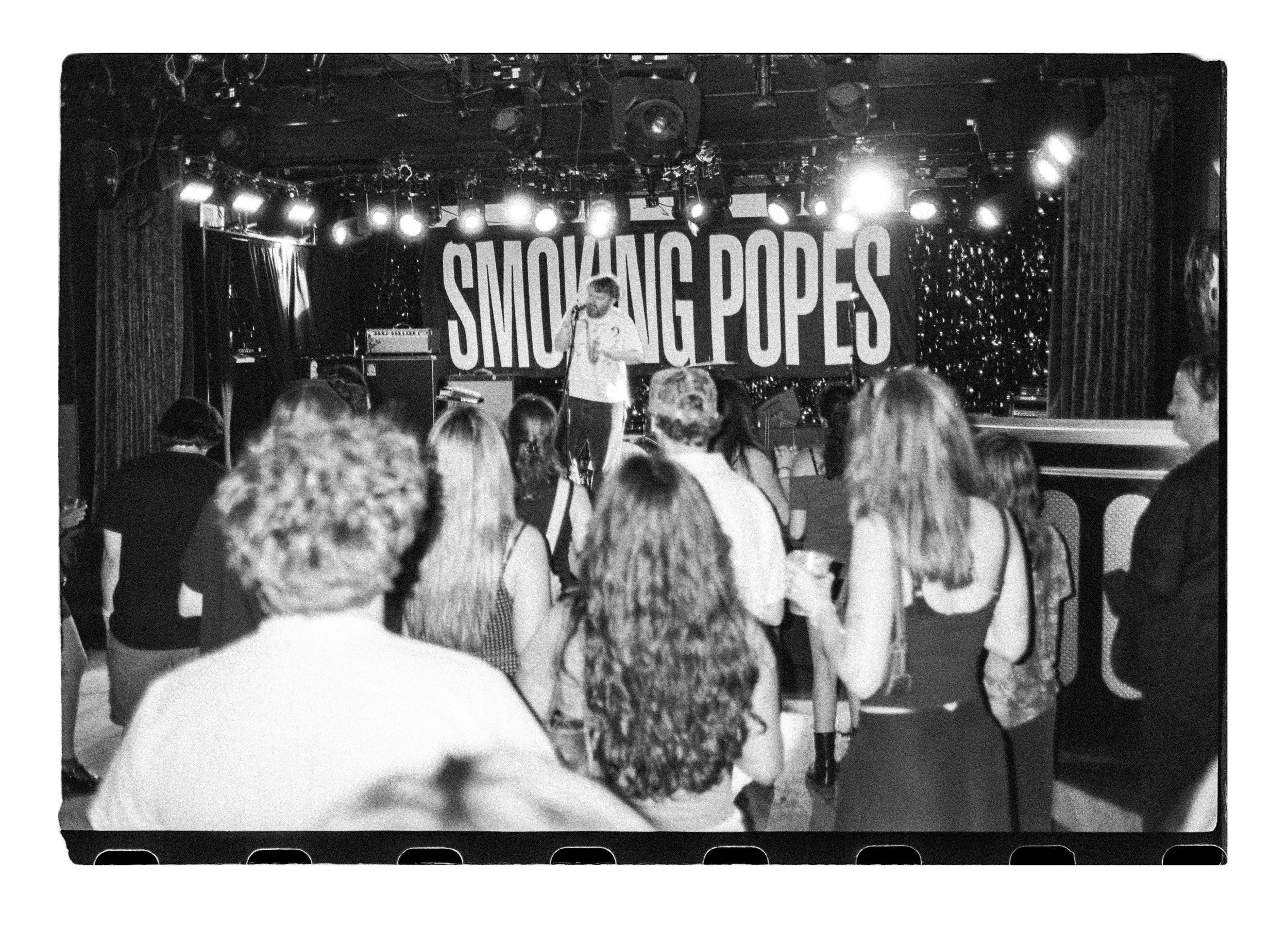
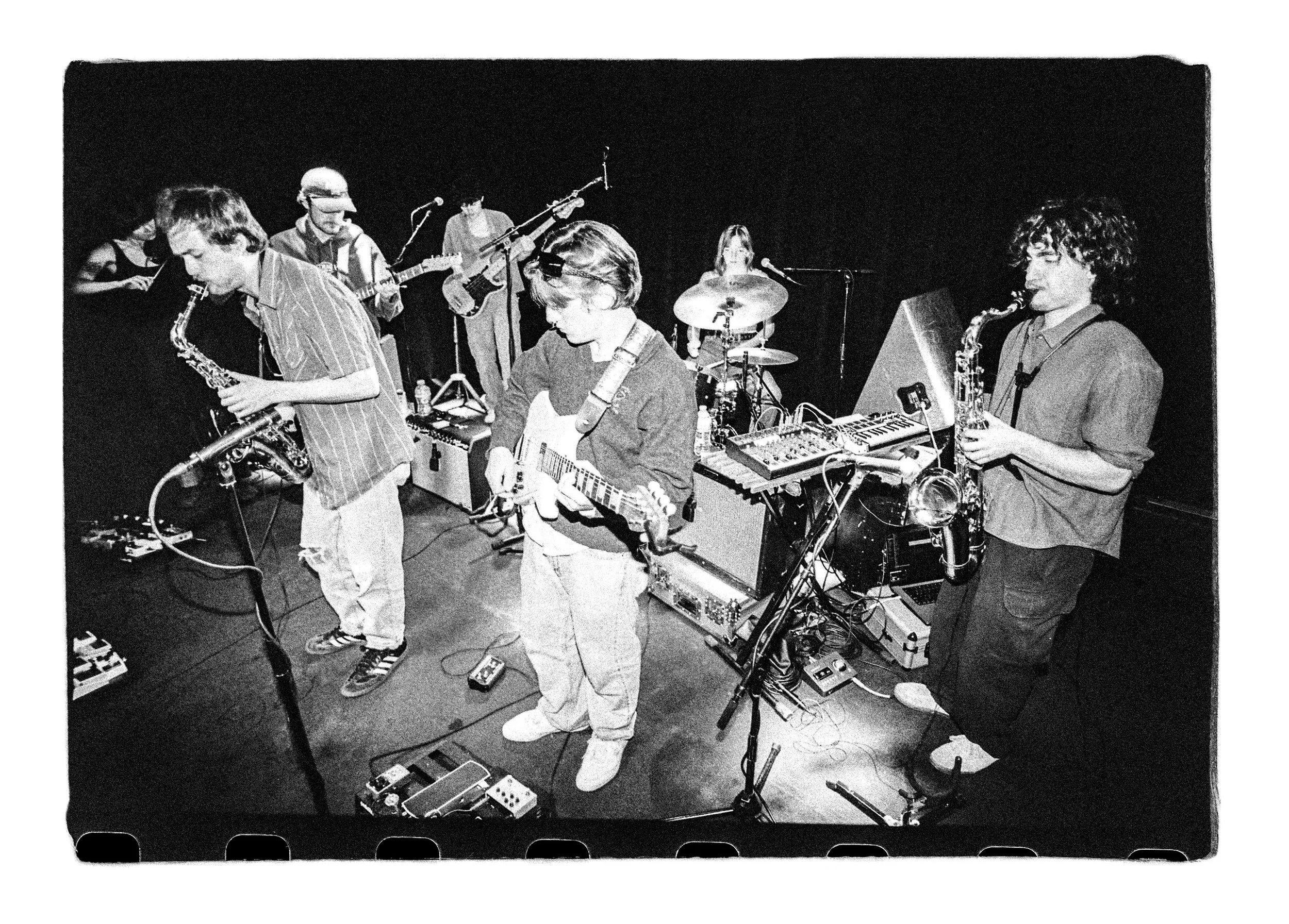
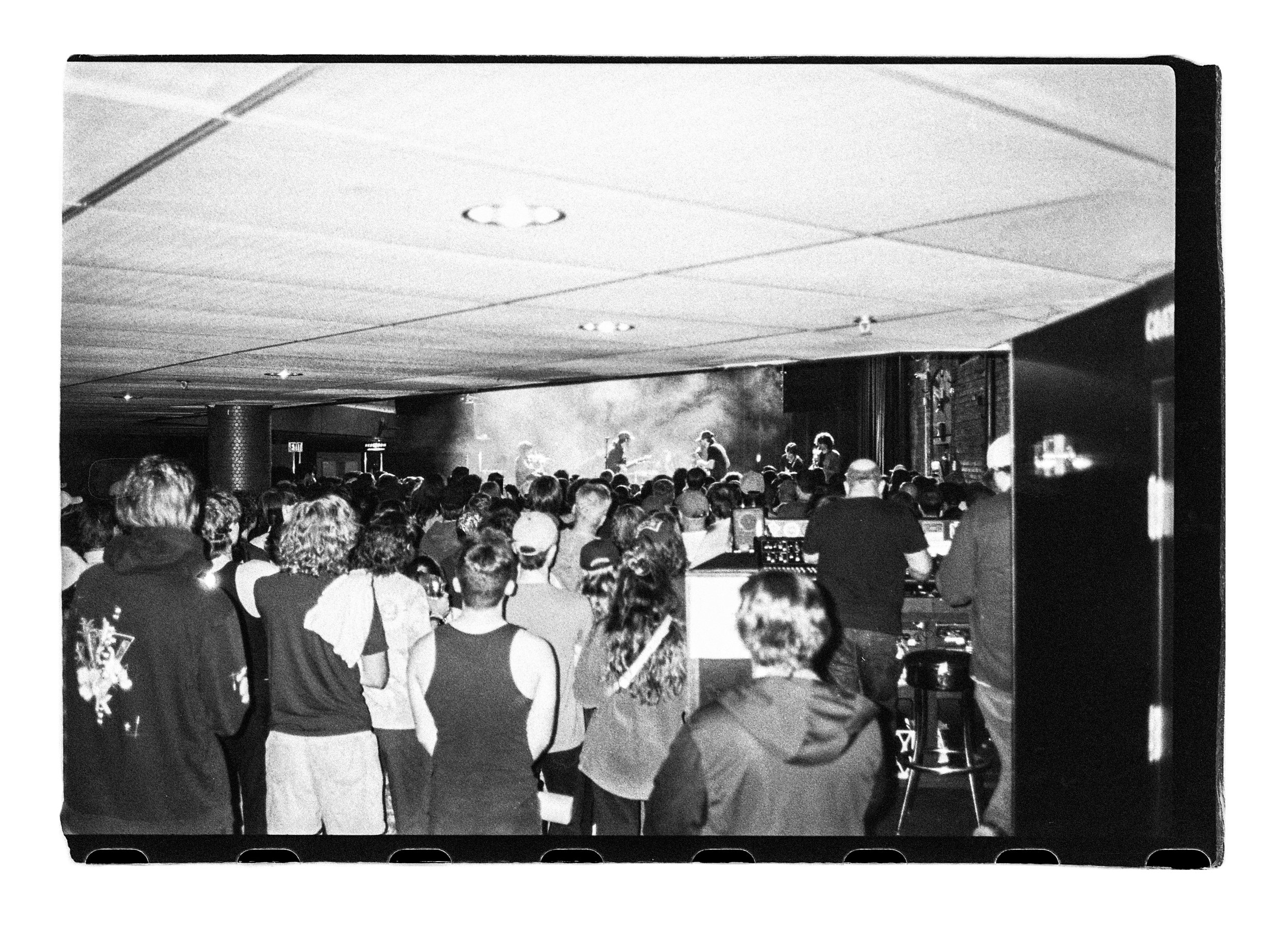
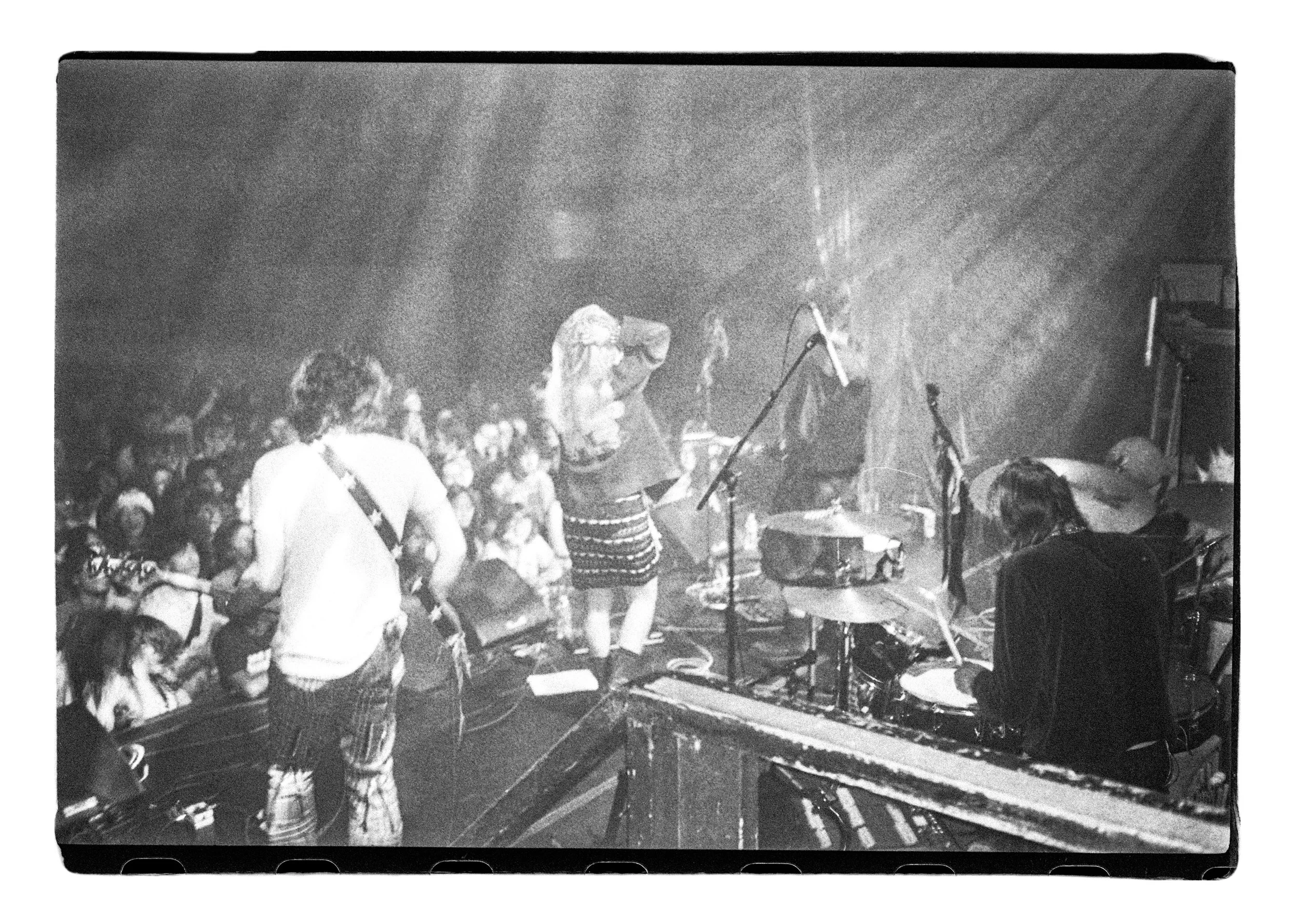
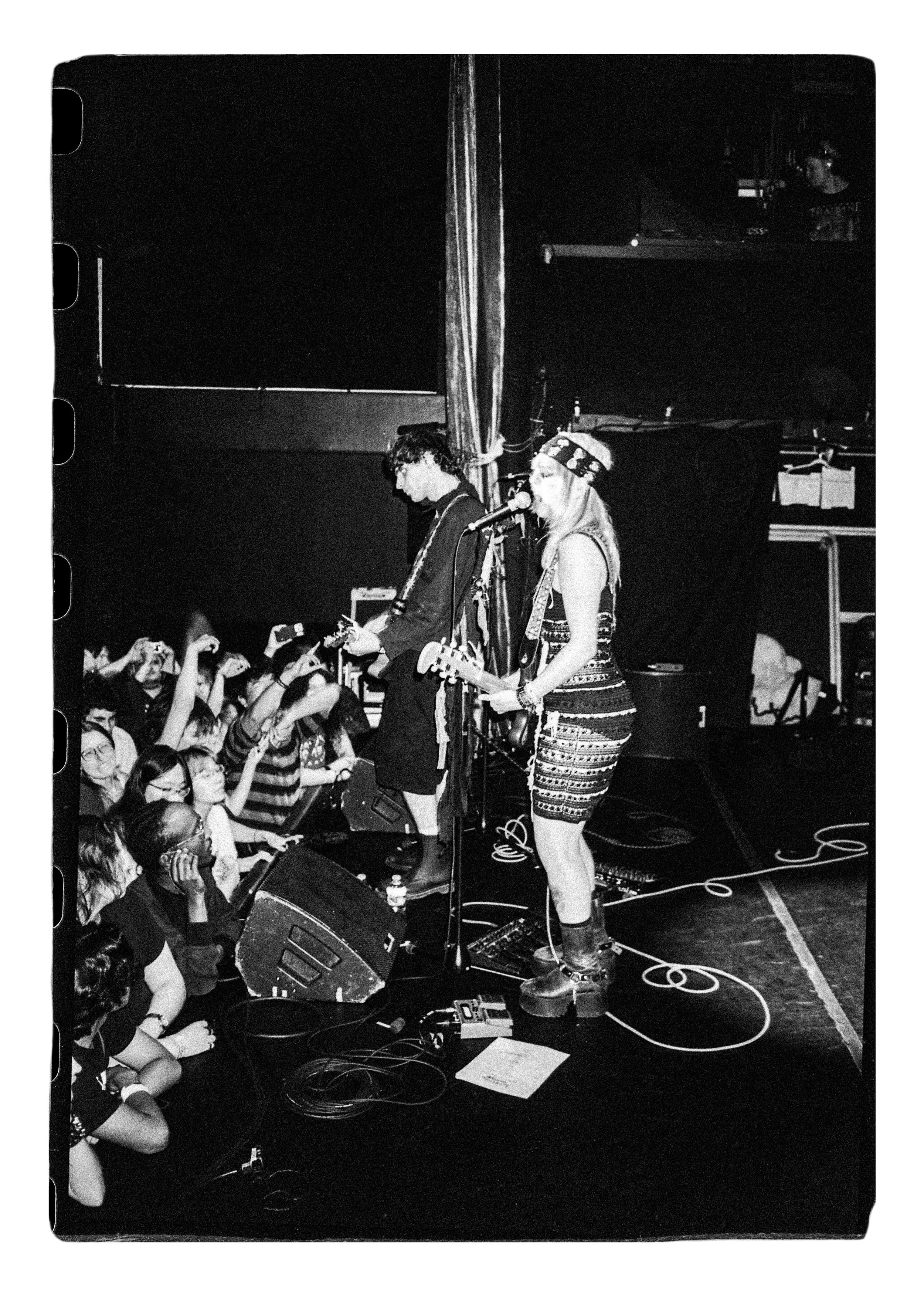
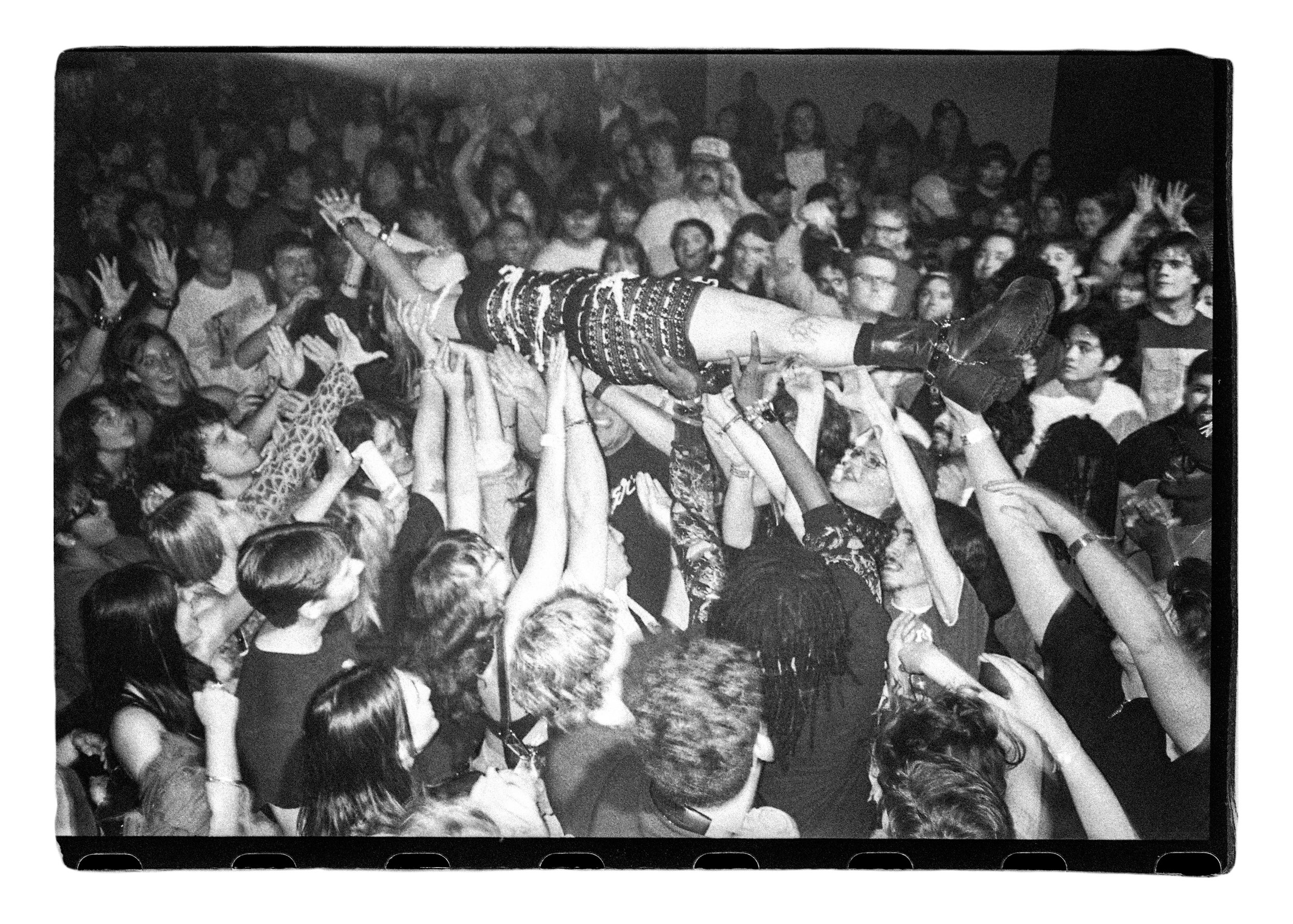
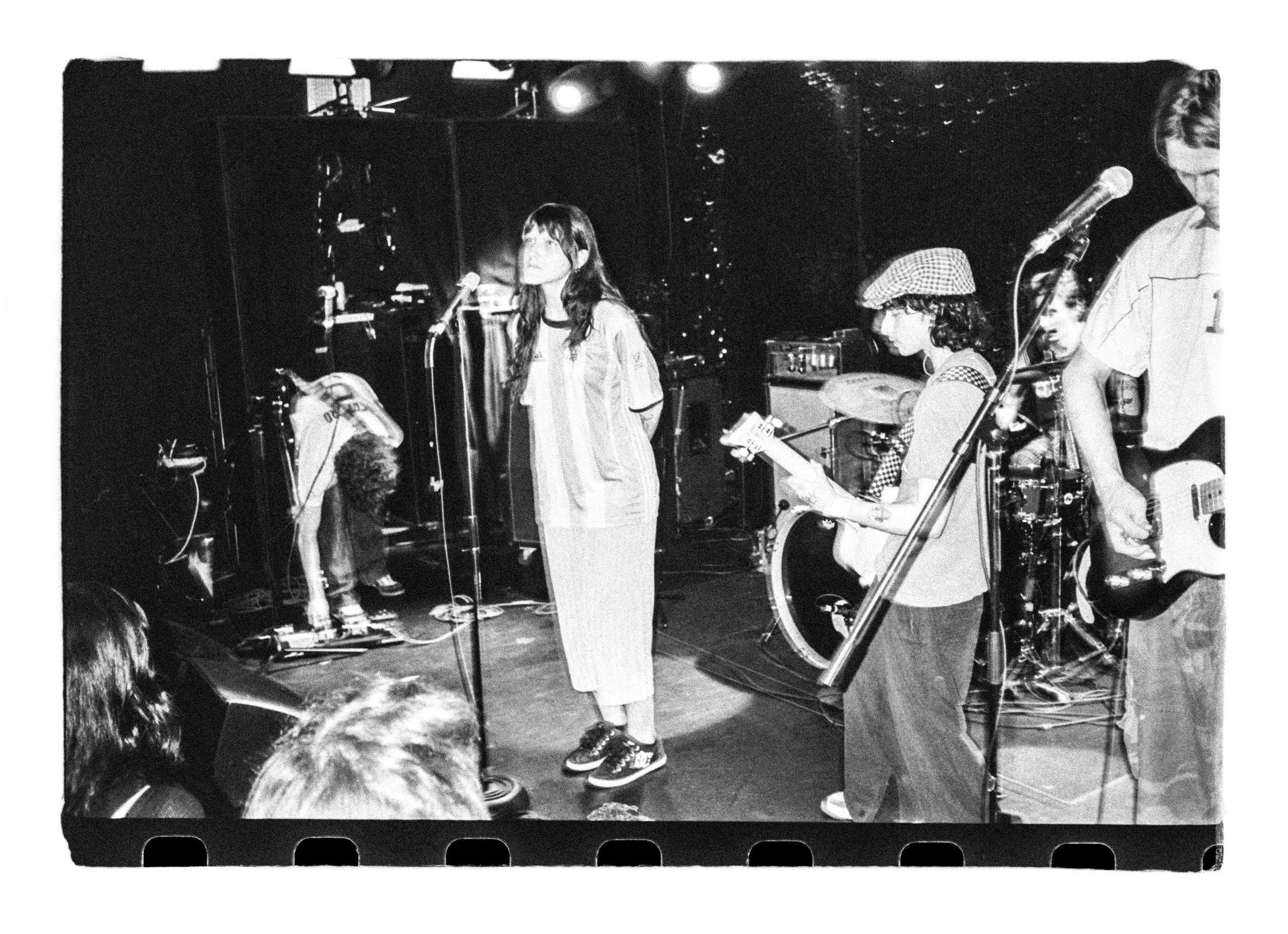
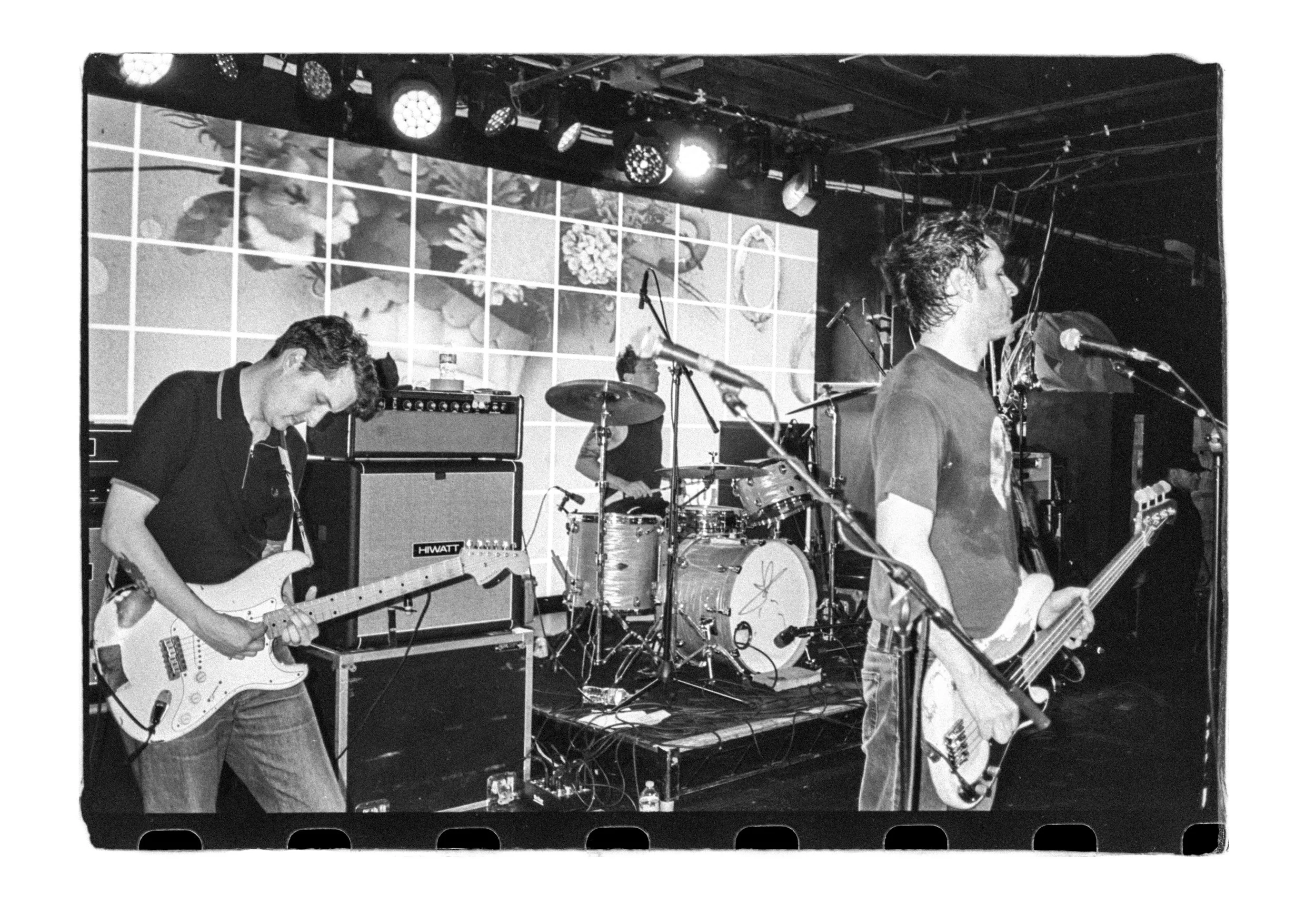
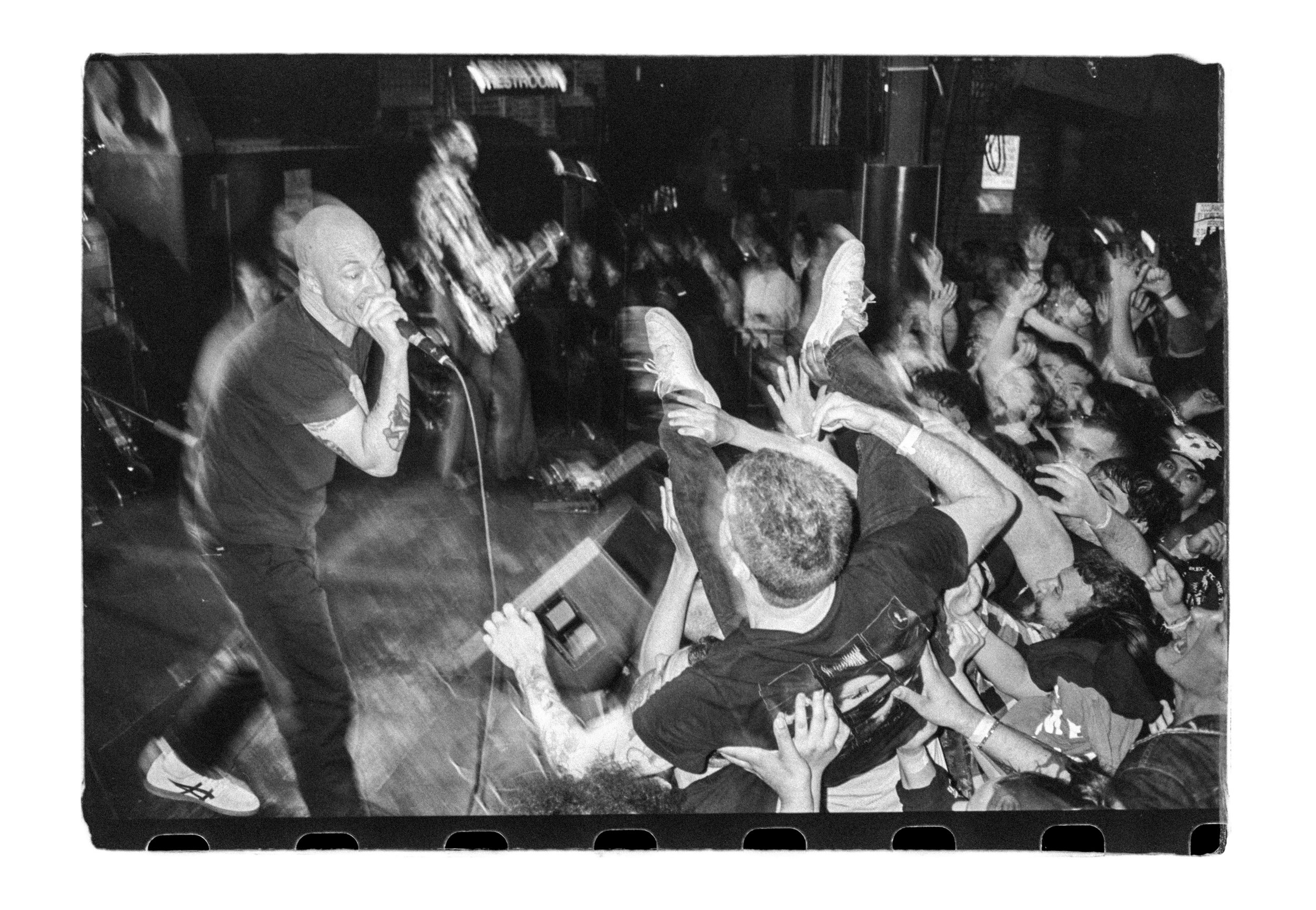
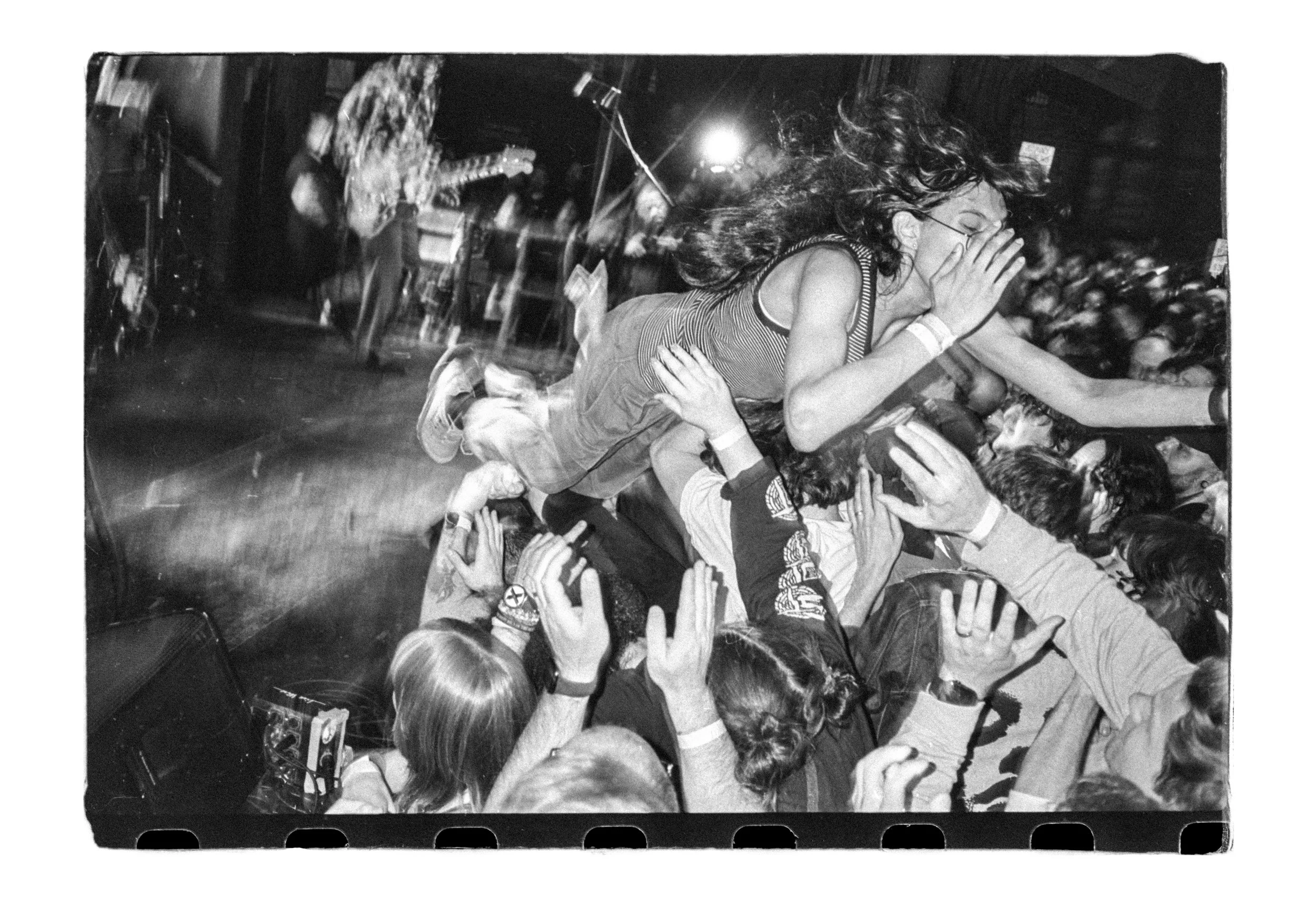
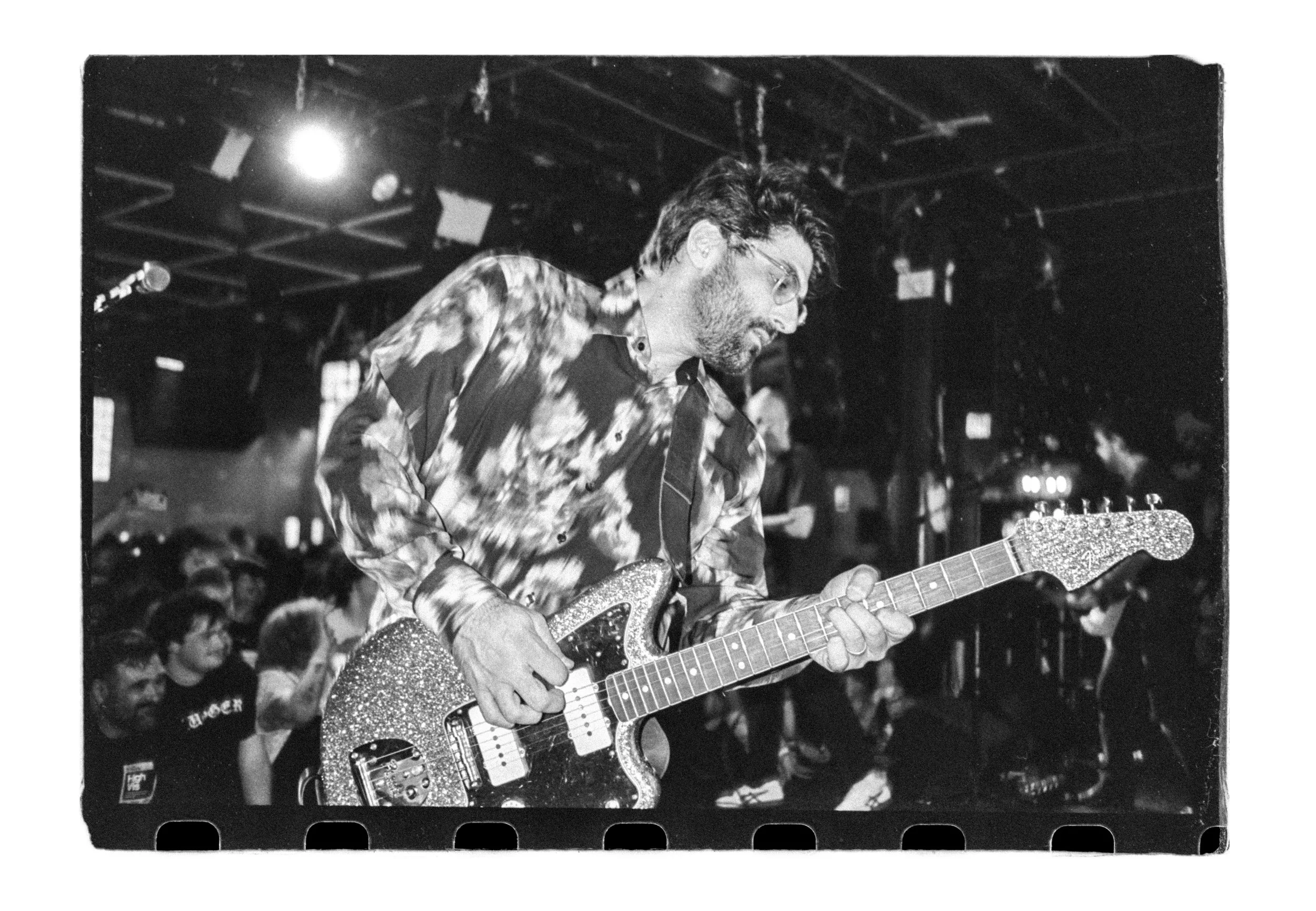
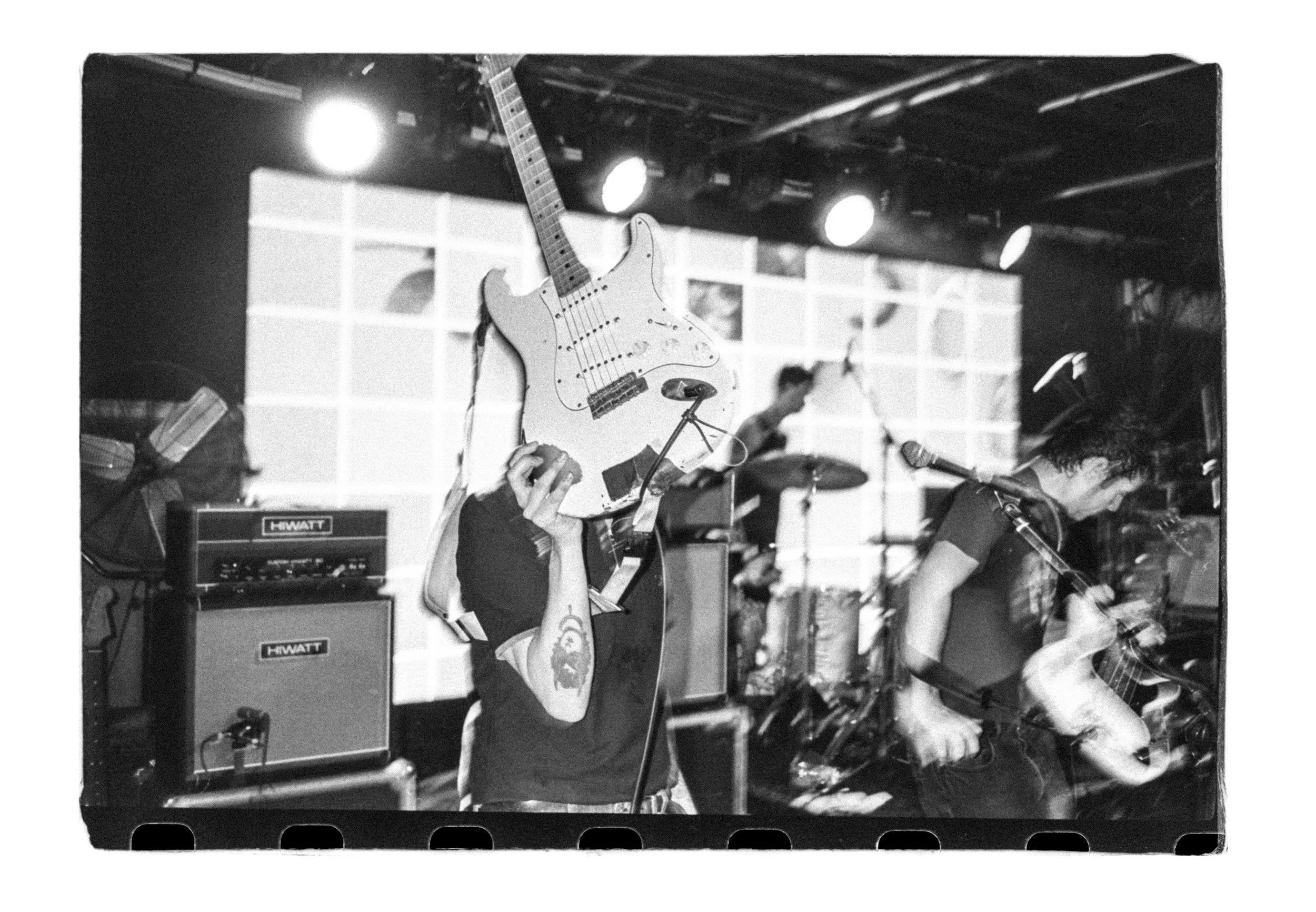
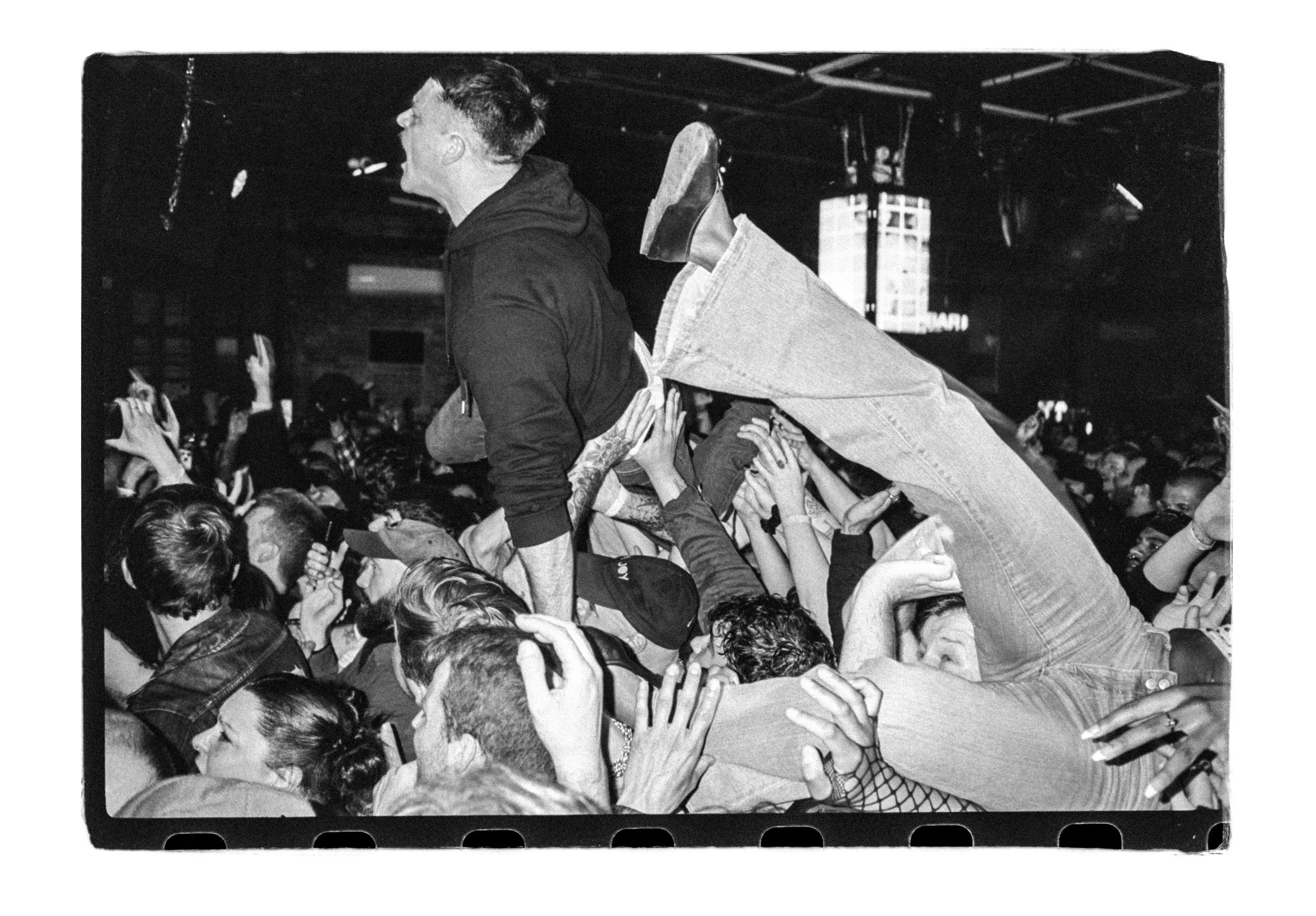
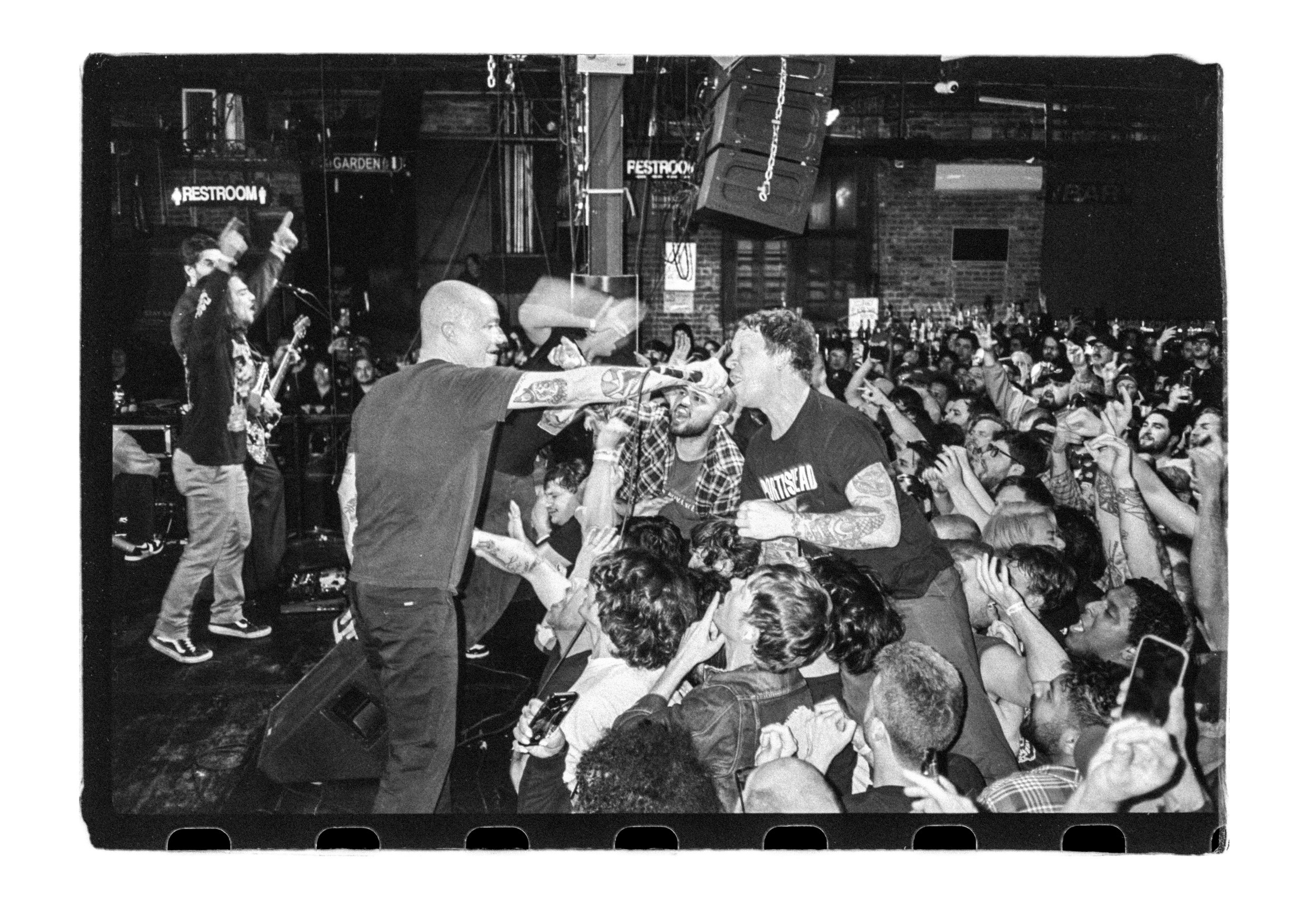
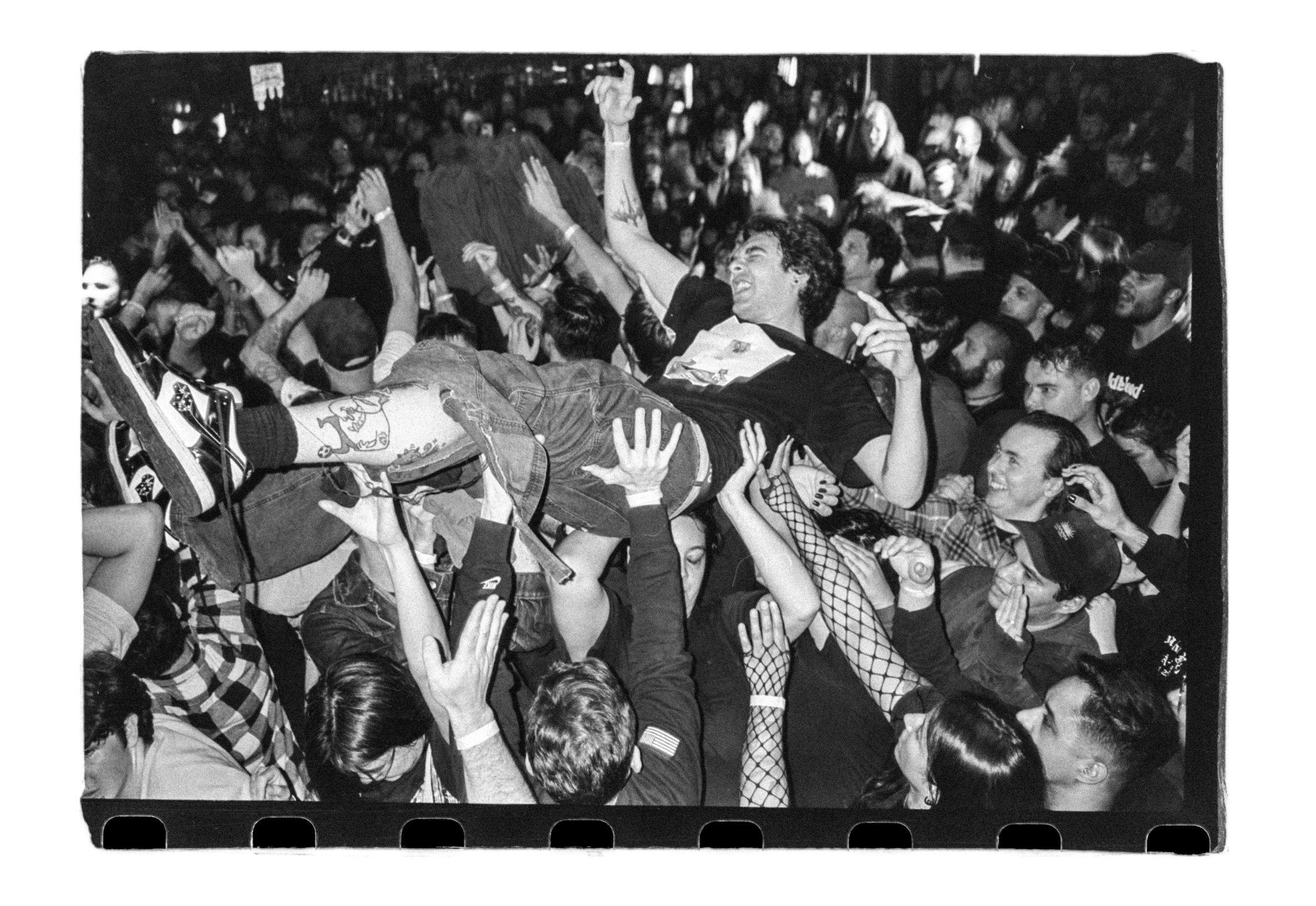
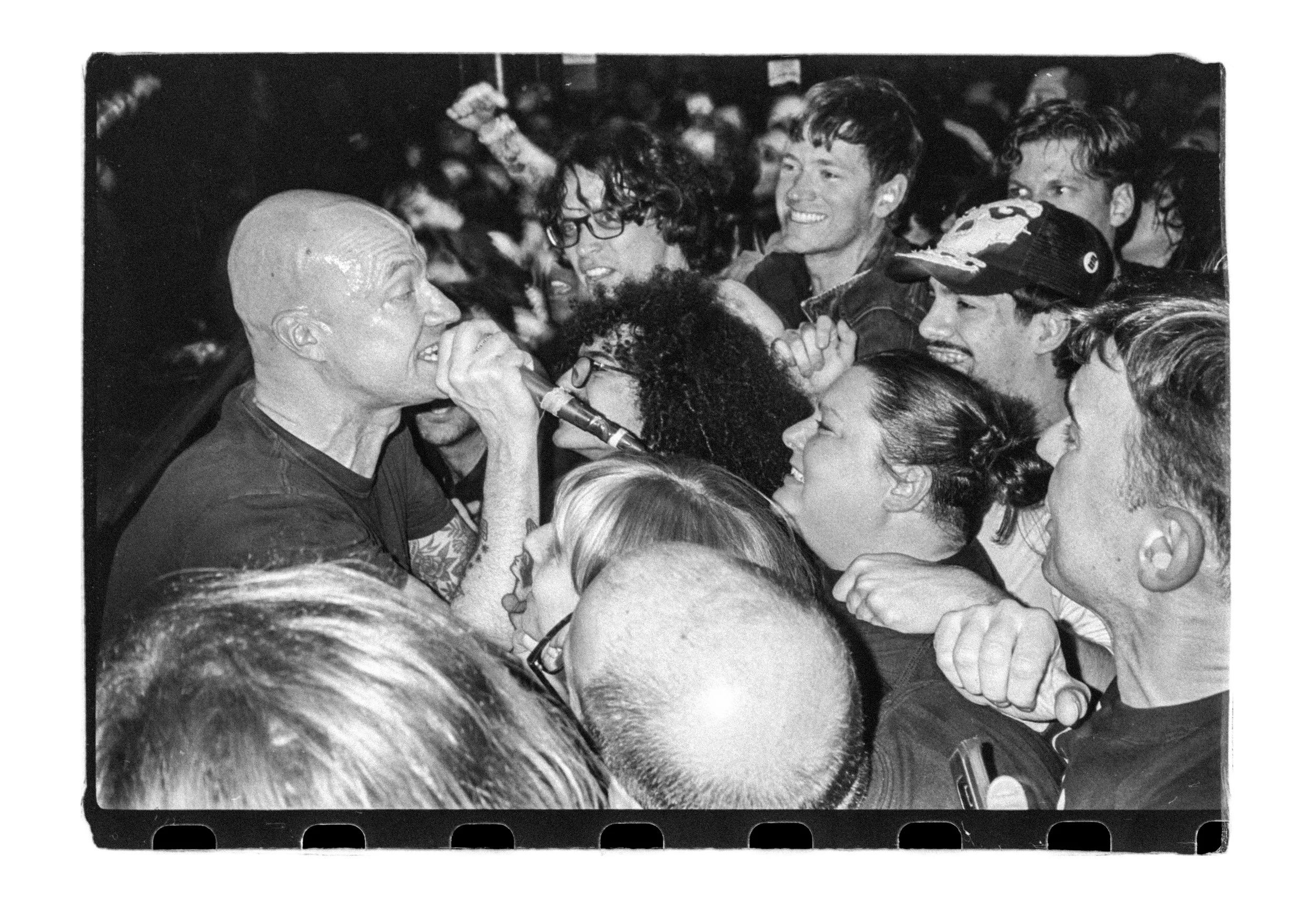
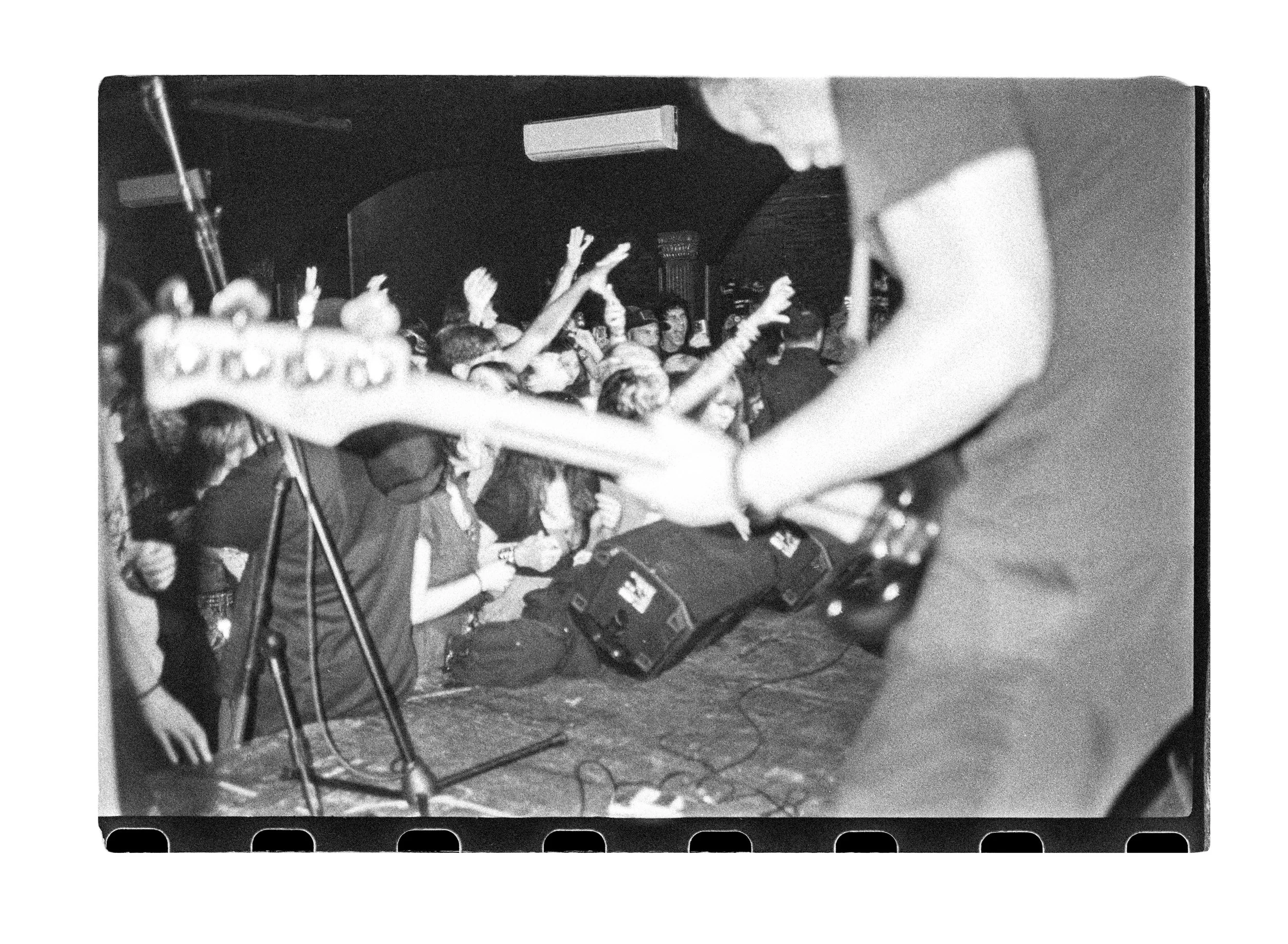
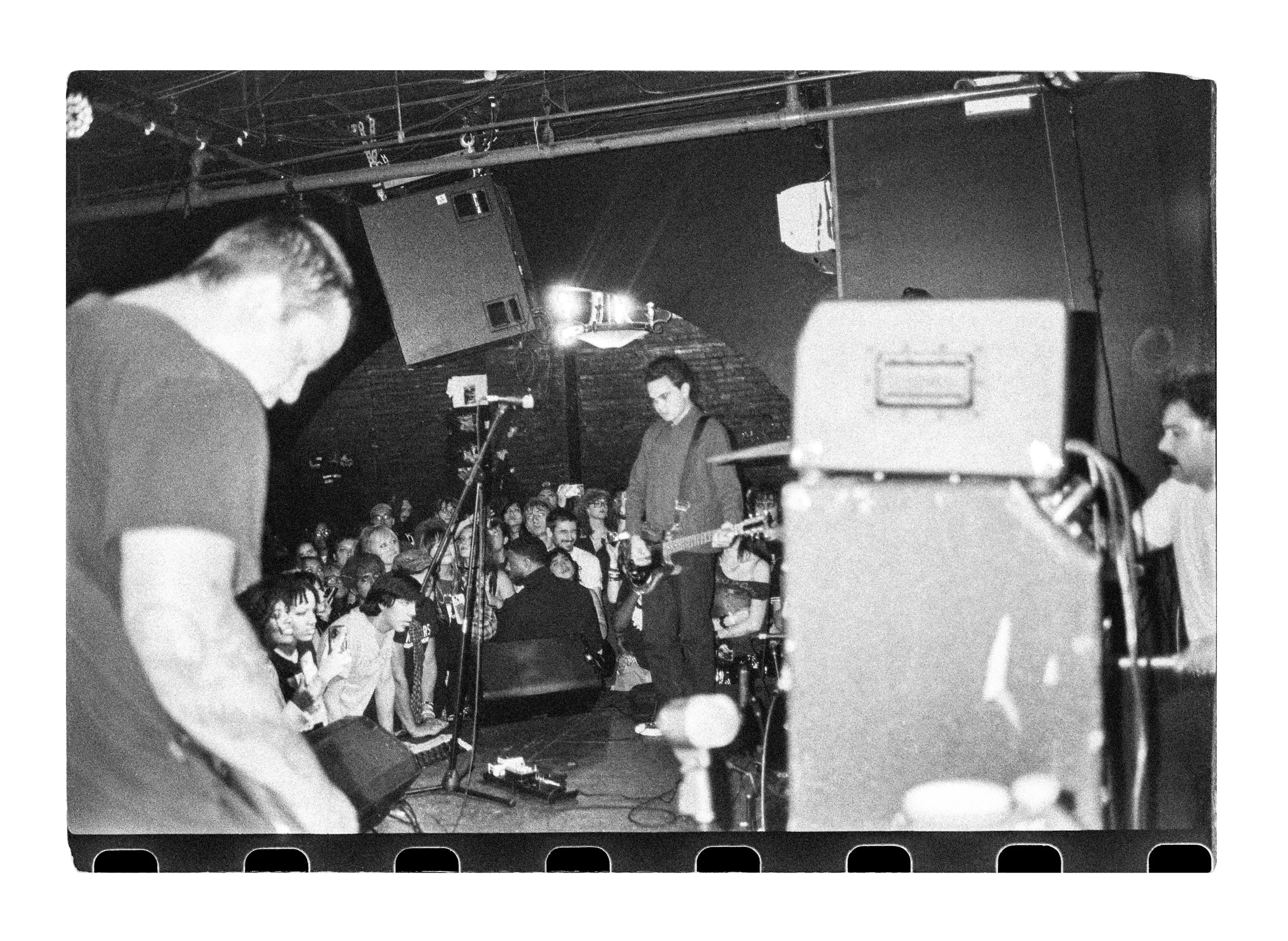
Once Knumears started playing, it became pretty obvious that two security guards were not going to stop a room full of kids from stage diving.
Every time somebody managed to get past them, the guards seemed more irritated. They started grabbing people by the legs while they were crowd surfing and pulling them down toward the floor. At another point they were shoving girls half their size away from the stage who were really only there trying to get close enough to sing along.
It was one of those situations where the attempt to make something safer seemed to be creating most of the danger.
After the last song Matthew laid into them from the stage.
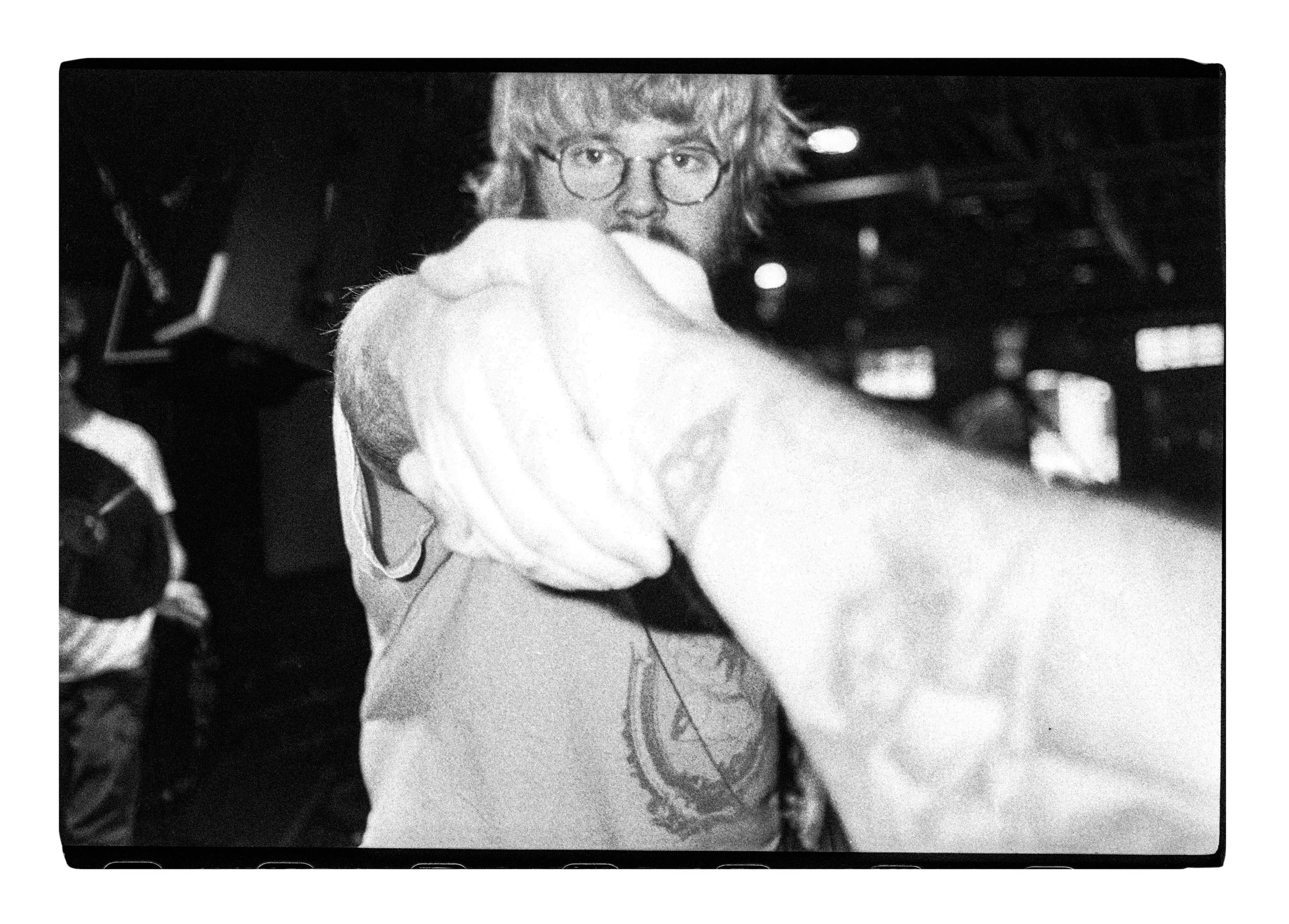
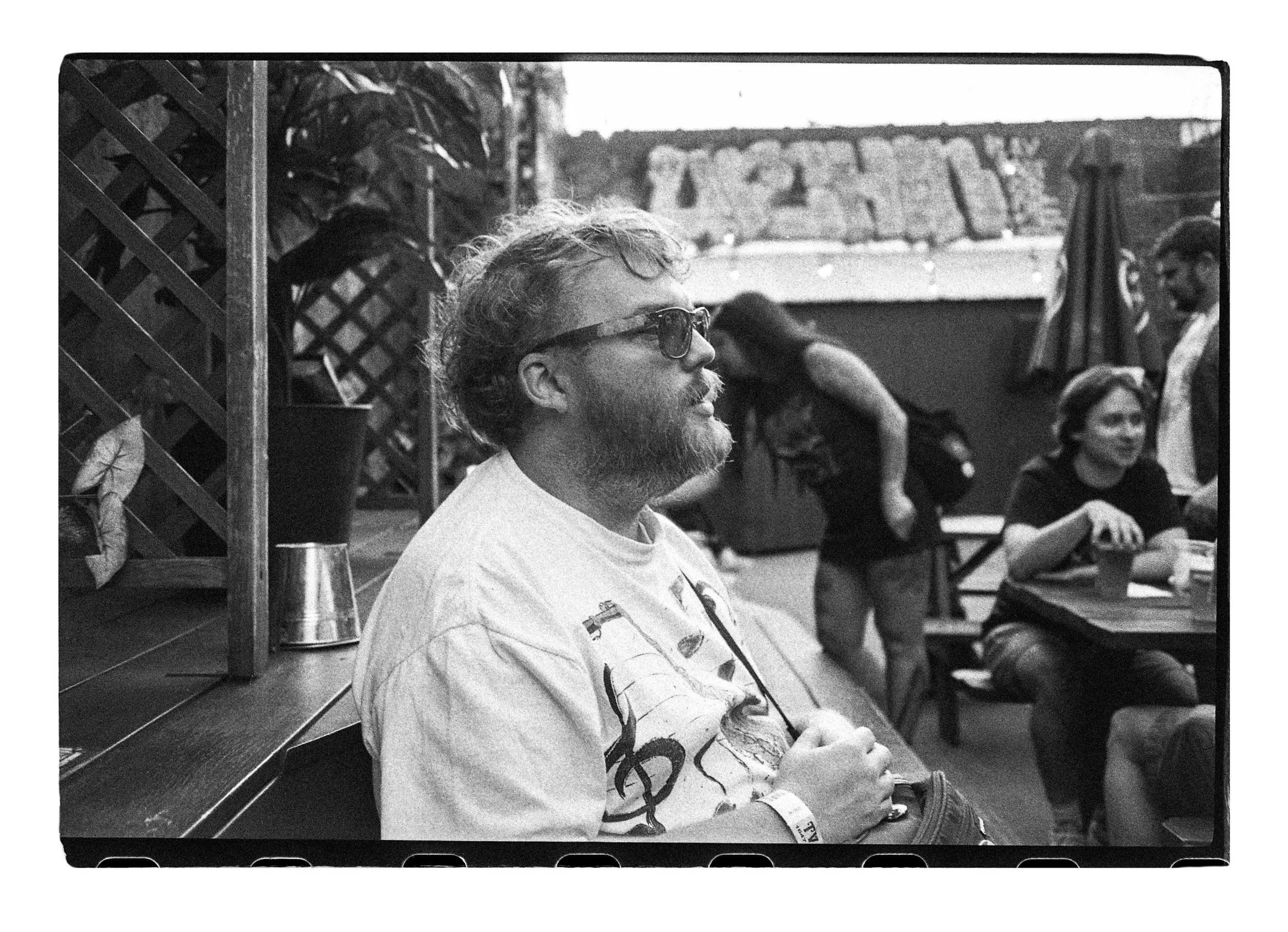
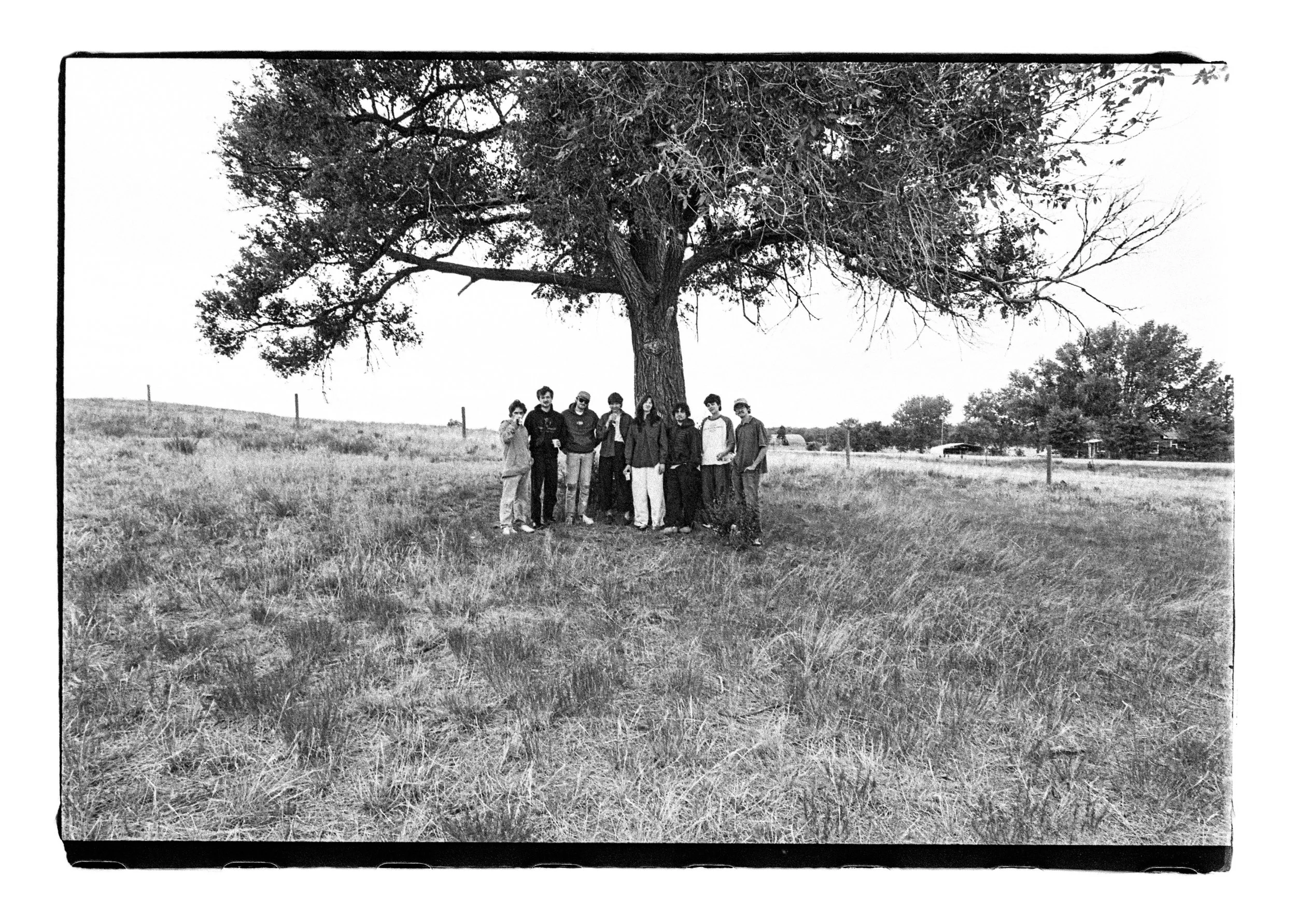
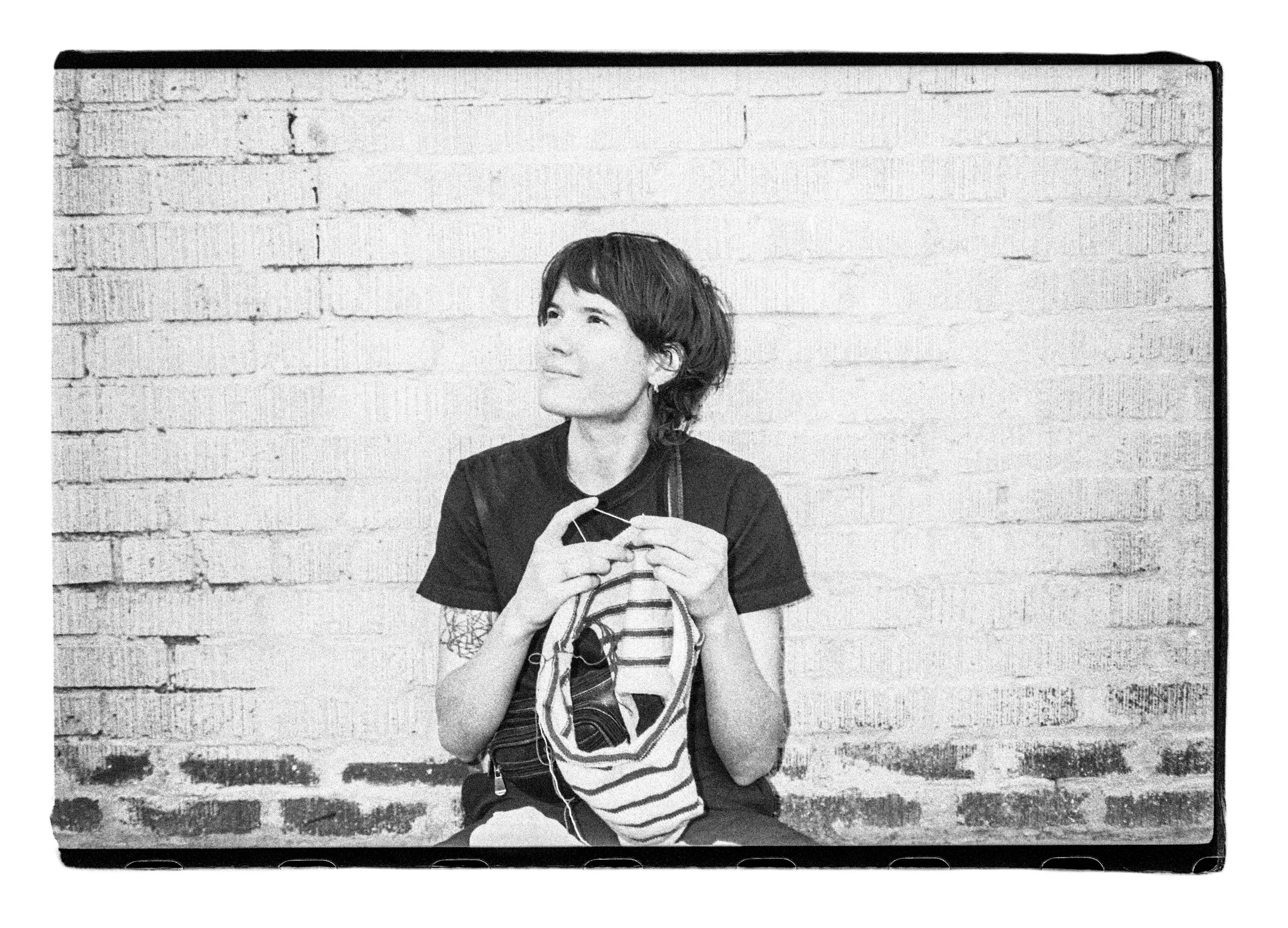
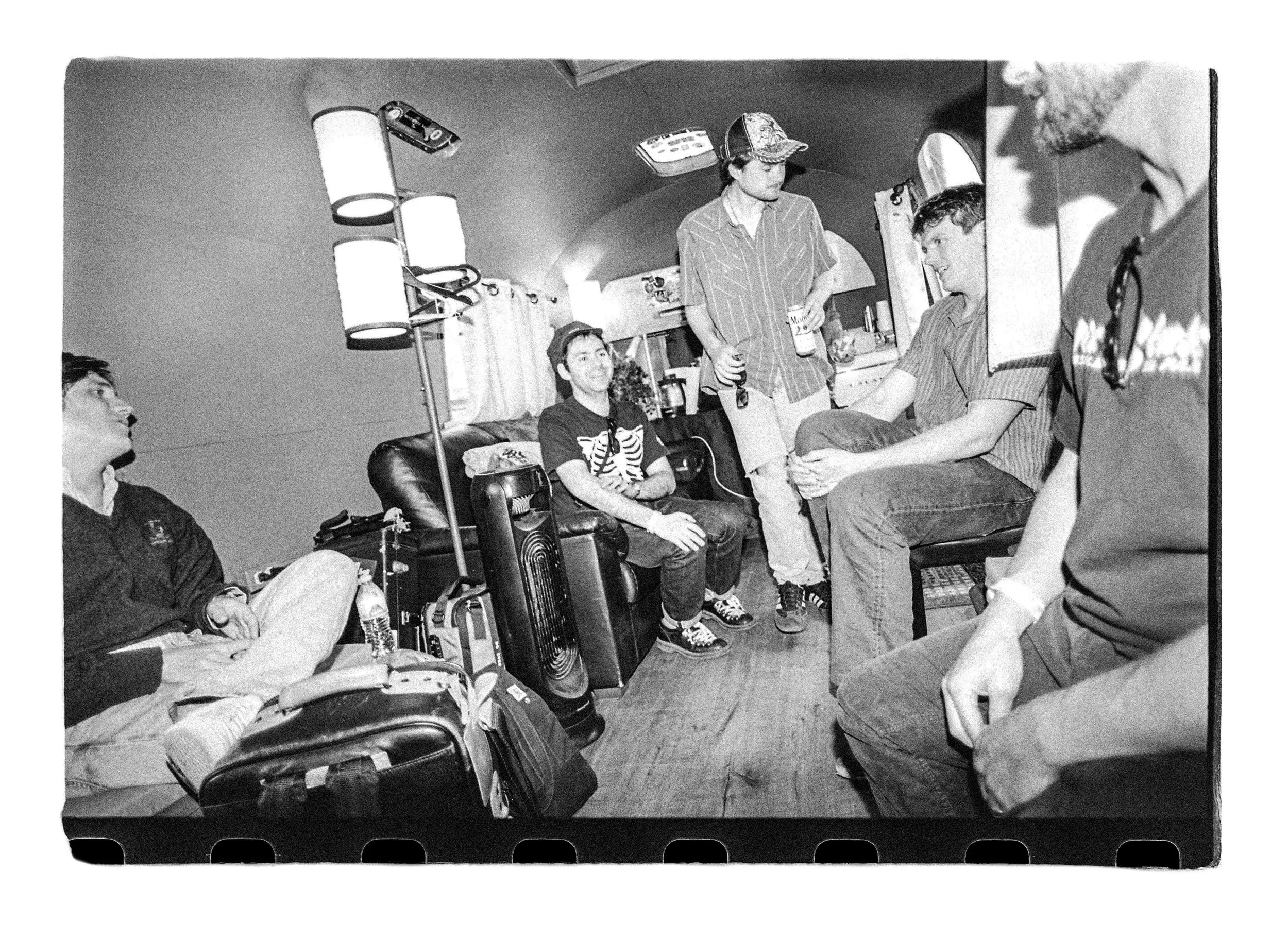
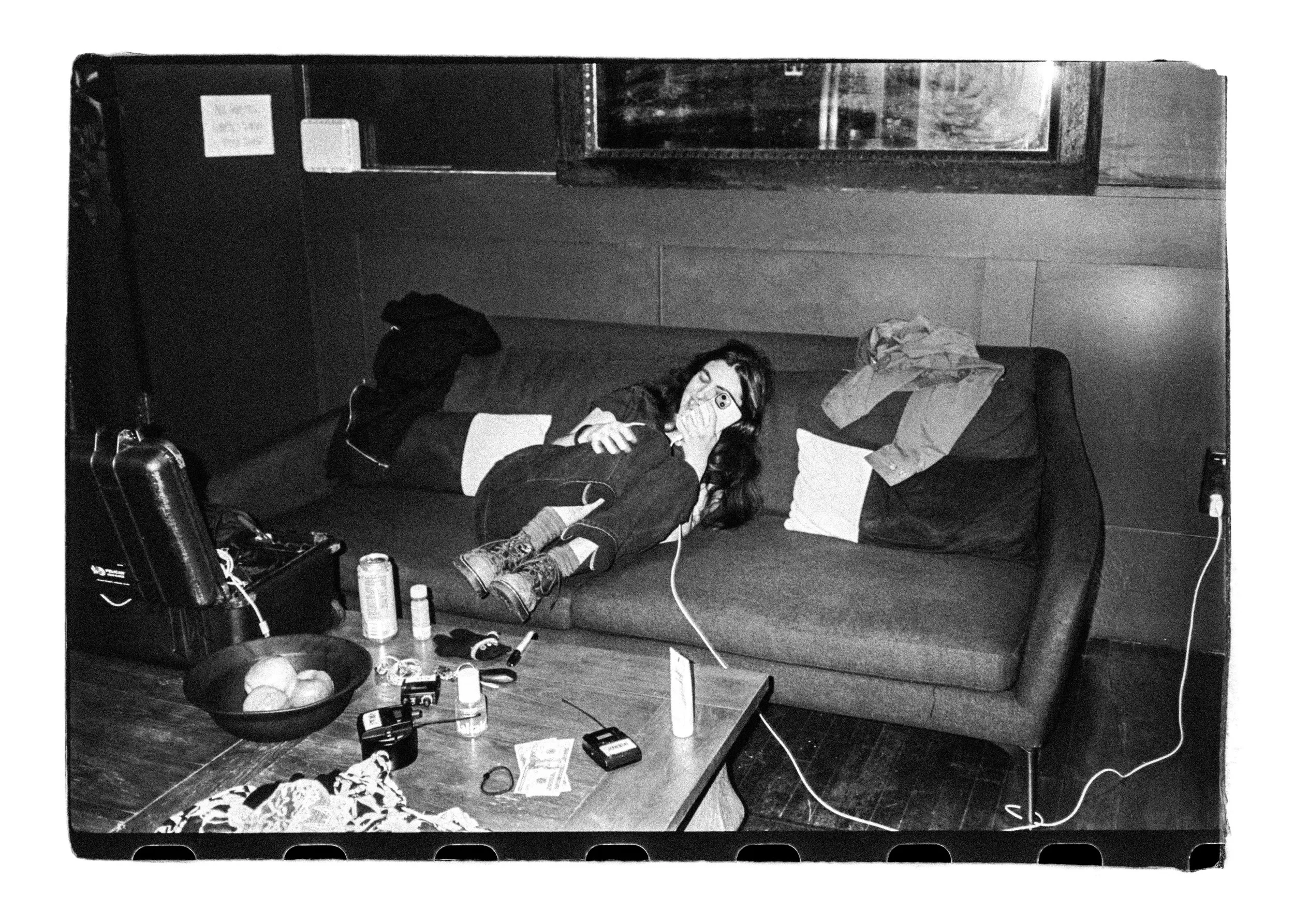
Below is a conversation with Frankie, Matthew and Dante, along with photographs and video from throughout the day.
Frankie, you and I briefly talked about Honeywell and how the name Knumears alludes to their song “You and Me Screaming, Numb Ears.” I was wondering if you could go a little deeper into what Honeywell means to you personally, how your father originally introduced you to their music, and what ultimately made you want to carry that connection into the name of the band.
Frankie: My uncle John played a big role in my endeavors of hardcore. He bought me my first record player at 13 and would constantly buy and let me borrow records. Before we started Knumears he saw I was getting into stuff that was bit more chaotic and noisy. He let me borrow his Honeywell 7” with the song “paradox”, there are many moments I will remember for the rest of my life, and hearing that song for first time will definitely be one. I told Matt and our former bandmate Noah that this is what I wanted our new band to emulate. When I think about it now the band name is very special to me. It’s not the coolest name but I think it’s fitting.
When we were hanging out at the vintage store, I remember some of you mentioning that your parents had played in bands when they were younger.
I was curious if you could tell me a little more about that, what sort of bands they were involved in, and how growing up around that influenced your own relationship with music. Now that Knumears has become such a big part of your lives, do you ever find yourselves looking to your parents for advice or drawing from their experiences when navigating everything that comes with being in a band? I'm also curious whether having parents who have been through some version of this themselves has given you a different perspective on what you're doing.
Matt: My dad has been in bands since he was 13 years old. Most memories of my childhood with my dad involve music whether it’s sitting at his band practices being bored out of my mind, or listening to records while we cleaned the house on Sundays. My dad was always a hardcore guy. I remember him showing me Agnostic Front one night in 7th grade when I told him about the kids bullying me at school.
That moment changed my life. My mom was also a big part of my musical experience. She was kind of into the softer side of punk and hardcore and I think that gave me a well rounded view of the scene from an early age. If I ever go to my dad for advice on the band it tends to be when I completely forget how to write a song or have the worst case of writers block probably ever. My dad will kind of just remind me that I can write whatever I want.
Something I've found interesting is how Knumears are often described as a Los Angeles band, despite having roots in Rancho Cucamonga and the Inland Empire. I'm curious what the music scene was actually like for you growing up there, particularly the DIY spaces, smaller shows, and bands that might not have received much attention outside that community. Do you think coming out of that environment shaped the way Knumears approaches making music or operating as a band? And is there anything about growing up in the Inland Empire that you feel gets overlooked when people simply associate you with Los Angeles?
Frankie: Our personal experience growing up with music in the IE was just a lot of indie surf rock and backyard shows. There wasn’t the cool basement house venue or a little warehouse where bands would play, it was just a lot of backyards. I think since it was the suburbs it didn’t leave a lot of potential for cool diy spaces. Our parents got to see some cool spots but those came and went long before our time. The inland empire definitely has a cool history for good music but it’s definitely not like LA. We always thought it was kinda cool not being from the city and kinda trying to our best to do our own thing.
Thinking back to making music under the name Turn Away and comparing that period to where Knumears are now, I'm curious whether there's something you miss about how you used to make music. Not necessarily the sound itself, but maybe the circumstances surrounding it, the freedom to experiment without an audience, or even the way you approached rehearsals. Is there anything about that earlier period you've been deliberately trying to hold onto?
Frankie: I’m not sure if this is good or bad but honestly not much has changed from how we wrote then to now. We still love hardcore and there was a time where we really tried to be this like emo violence band but it wasn’t natural. The 3 of us naturally write more “Melodic hardcore” songs than anything. “Breaking ground” and “ the north” are some of our favorite songs we’ve written since starting the band. You can even hear the hardcore roots very early on such as the song “one measured zero with an eye”.
I noticed something interesting looking through the credits for your original 2022 split with Vs Self. Both Matt and Frankie are credited with drums, guitar, and vocals, while Dante is credited with bass and vocals. I'm curious how those sessions actually worked. Were you constantly swapping instruments depending on who had an idea, or was it more a matter of filling in certain parts as needed? Does that sort of experimentation still happen when you're writing new material, or have your roles become more defined over the years?
Frankie: The original line up was Matt on drums me on bass and Noah on guitar. Me and Matt both knew how to play drums and guitar so when Noah moved away we would take turns writing songs. After the split ep came out we had come to the agreement Matt was better at guitar and I was better at drums, it became a lot more efficient to write like that. It’s nice because we can still give proper feedback and instruction on what we both want to hear in a song.
I wanted to ask about "Harrison Bergeron Saved My Life". The title immediately points to Kurt Vonnegut's short story and its themes of individuality, conformity, and rebellion. I'm curious whether that was a deliberate reference, and if so, what about the story resonated with you personally? Did any of those ideas find their way into the actual lyrics, or was the title connected to something entirely different?
Frankie: I wish it was that cool but we weren’t that intelligent at the time and it was just an ode to the band we were very much inspired by.
Matthew, you mentioned in another interview that one of the first moments Knumears began feeling like something more serious was when you saw somebody in the audience screaming your lyrics back at you. I'm curious if you remember the actual circumstances surrounding that moment, where you were playing, what song it was, and whether you recognized the person. Going from making rough recordings to suddenly realizing a stranger has developed their own relationship with something you've written must be pretty surreal. Did that change anything about the way you thought about the band afterward?
Matt: The first time I can really remember was the 3rd and last time we played at Badlands Skateshop. The 50 cap room was packed with at least 100 people just inside and 100 more outside listening. We played Wish I Was and I heard people screaming along to the chorus. I don’t think I can really describe the emotion I felt. I think maybe I was just proud that we could write something that other people also needed to scream. The band felt like something more than just ourselves.
Dante, you and Frankie spent years playing together in both Knumears and Vs Self, and now that you've both stepped away from Vs Self, I'm curious how you look back on that experience musically. Did playing together in two different bands help you develop a particular understanding of one another's instincts? And now that you're focusing entirely on Knumears, is there anything about the way you two approach writing bass and drum parts that's begun to change?
Dante: Frankie and I have played together in bands for about 8 years now, since 2018 I believe. Having that kind of musicianship, and friendship, you definitely start to understand each other more and more inside and outside of the music. Vs Self was a great and fun experience no doubt, learned a lot on the road and from each other, but I know for sure our hearts and minds have always been attached to Knumears. Our writing process for Knumears usually starts with a guitar riff that Matt brings in, from there Frankie will work out a drum part, and then I come in with bass kinda glueing it all together. That writing process has stuck with us since we started playing collectively and has worked out quite well. We all have this chemistry and understanding of the music that at the end of the day, it all relies on the trust we have each other and our instruments.
Frankie, Matthew has mentioned a few instances where you've been particularly instrumental in helping songs find their direction, especially with "Fade Away." I'm curious how you see your own role in the songwriting process beyond the drums. Are you typically thinking about how to complement what Matthew and Dante are playing, or do you find yourself making suggestions about the actual structure of the songs? Have there been instances where you heard something in an unfinished idea that the other two weren't necessarily recognizing yet?
Frankie: Me and Matt just have a really good writing connection, I’ve written songs with many other bands and genuinely it just doesn’t flow as well as it does when me and him are together. I’ve learned to let every idea be seen all the way through, to think “that’s a bad idea” before giving it a try is pretty ignorant.
Matthew, you've mentioned that "Fade Away" was one of the hardest songs to write because you had the opening riff but couldn't figure out where to take it, and eventually you wanted to abandon the whole thing. Frankie apparently refused to let that happen. Frankie, I'm curious what you were hearing in that initial idea that made you so determined to keep working on it. Did you already have a sense of where the song could go, or was it more that you knew there was something worth holding onto? And how different did the final version become from what Matt originally brought into rehearsal?
Frankie: I just really liked it and knew it could be something cool. It’s awesome that we were able to get Jeff from JD to guest on it. It’s one of my favorite songs to play drums on.
I read that "Breaking Ground" was one of the rare songs you felt completely confident about without needing to test it in front of an audience, and that Matt wrote the lyrics roughly ten minutes before recording them. What's interesting is that you've also described those words as some of your favorites. I'm curious what happened in those ten minutes. Were the ideas already floating around in your head, or did something about hearing the finished arrangement suddenly make everything fall into place? And what was it about that song that made all three of you so certain it was finished?
Matt: When the music to breaking ground came together it just felt different. The song felt softer but also much more brutal than anything we’ve written before. I knew the lyrics for the song had to emulate the harshness and the beauty in the same way. Naming the song breaking ground, after one of my father’s bands, felt like a no brainer. A song we were proud of being about family and childhood just seemed right. I had a few of the lines already written as a poem, but when I sat down to write the rest it just started to flow and say exactly what I needed to say.
On "My Name," you brought in your friend Griffin and had him write his own verse to accompany the lyrics Matt had already written. I find that particularly interesting because the two vocal parts almost seem to compete with one another toward the end of the song. How much direction did you give Griffin about what you wanted him to contribute? And when you finally heard both sets of lyrics together, did they end up expressing the same idea from different perspectives, or did he introduce something that changed the meaning of the song altogether?
Matt: When i initially came to Griffin with the idea of him doing vocals on a song I wasn’t certain which song it would be yet. But when we wrote My Name and had the lyrics written down it seemed like the perfect fit for him. I just sent him the lyrics that I had already had and told him to just write whatever he wants to go along with it. Griffin’s lyrics I think added to the theme of the song overall. It was nice to have another perspective of the same idea.
Jack Shirley has worked on some pretty significant records within the world of screamo and hardcore, particularly with bands like Deafheaven, Loma Prieta, and Touché Amoré. I'm curious what initially led you to wanting to work with him on Directions. Having grown up listening to some of the records he's been involved with, was there anything particularly surreal about suddenly finding yourselves in the studio with him? And once you actually started recording, was there anything about his approach that challenged the way you'd previously thought about making music?
Frankie: we were really intrigued with the fact he was all analog. That’s how we recorded our first ep and to now be able to continue to do that is awesome. We really appreciated him not letting us hear every take back and find the confidence within ourselves to say we were stoked with what we layed down.
Dante, Matt mentioned that the instrumental "Directions" actually came together in the studio with Jack Shirley, and that you started playing around on a Rhodes and came up with what eventually became the main melody. I'm curious how that moment unfolded. Was that something you'd already been experimenting with, or did you just happen to sit down and start figuring something out? And did that experience make you interested in exploring instruments outside bass when writing future Knumears material?
Dante: The first take was a live take of Matt and Frankie just doing drums and guitar, and we wanted to build the track off that. Jack had showed us the Rhodes and asked if anyone wanted to try it out. I’ve taken a few piano lessons growing up, so, I had asked to try it out first and mess around with it, just to see what could happen. Jack showed me the key it was in and I kind of just played around that, trying to find the groove of it following the guitar and drum take. Didn’t think much of it in the moment other than “this sounds sick”, but I think it’s cool we got to experiment with that, and I think it opened up that door to keep trying new things in the studio when it comes to writing and recording as a band. I’m always open to playing anything and helping out with any musical project, whether it be with this band or other outside projects.